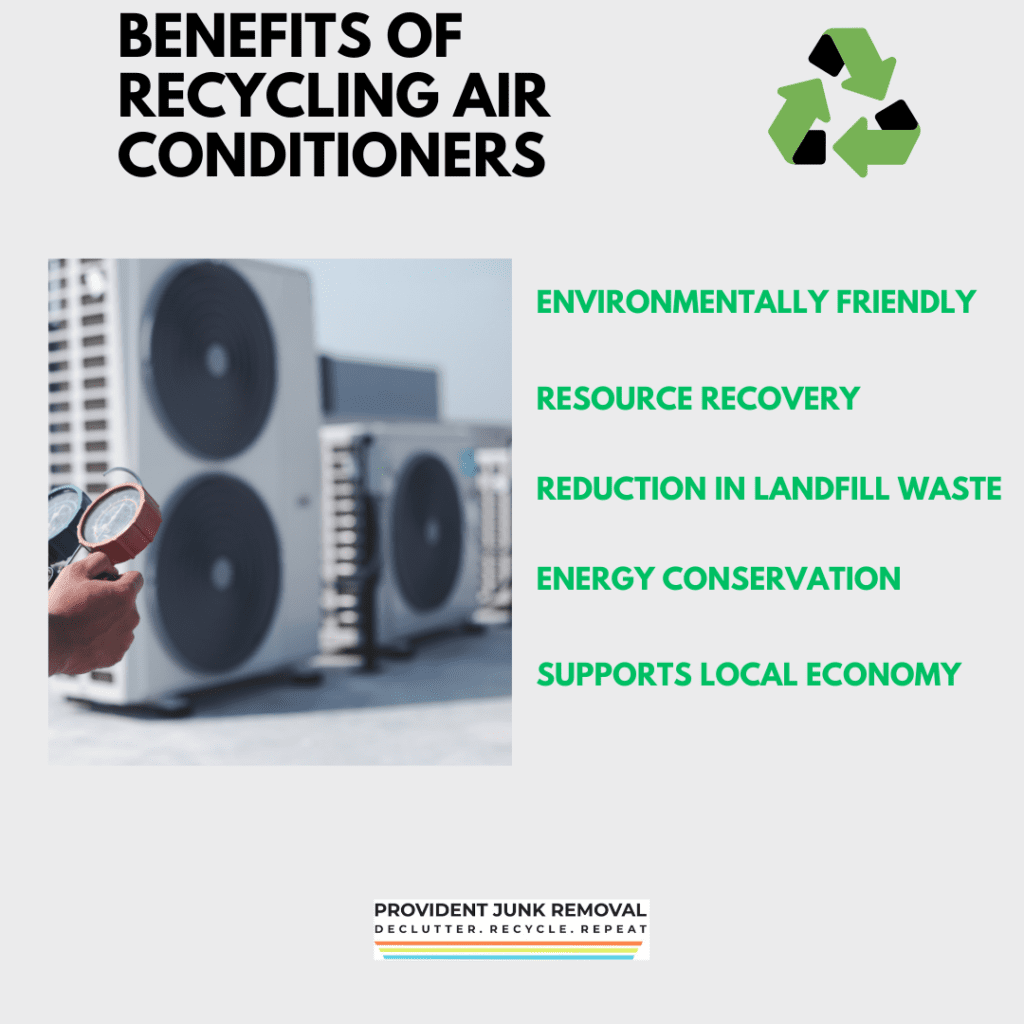
Are you wondering where to dispose of your old air conditioner safely and responsibly? You might think tossing it out with regular trash is easy, but that can harm the environment and may even break the law.
Finding the right place to get rid of your AC unit can save you money, protect the planet, and give you peace of mind. Keep reading to discover simple, effective ways to dispose of your air conditioner the right way—your wallet and the Earth will thank you.

Credit: www.acdirect.com
Why Proper Disposal Matters
Disposing of air conditioners the right way helps protect the environment. It also keeps people safe and follows the law.
Old air conditioners contain harmful materials. Throwing them away carelessly can cause big problems.
Environmental Impact
Air conditioners have chemicals that harm the air and water. These chemicals can cause pollution if they leak.
Proper disposal prevents damage to plants, animals, and people. It helps keep nature clean and safe.
- Releases harmful refrigerants if not handled correctly
- Can pollute soil and water
- Proper recycling reduces waste and saves resources
Health Risks
Old air conditioners hold chemicals that can cause breathing problems. Direct contact with these substances can harm the skin and eyes.
Proper disposal keeps these dangerous materials away from people. It lowers the chance of health problems from exposure.
- Exposure to refrigerants can cause headaches and dizziness
- Leaking chemicals can irritate skin and eyes
- Proper handling protects workers and families
Legal Requirements
Many places have laws about how to dispose of air conditioners. These laws protect the environment and public health.
Following these rules avoids fines and legal trouble. It also supports safe recycling programs.
- Must remove refrigerants before disposal
- Use certified disposal or recycling centers
- Illegal dumping can lead to penalties
Types Of Air Conditioners
Air conditioners help keep spaces cool and comfortable. Knowing where to dispose of them is important for the environment.
Different types of air conditioners require different disposal methods. Let’s explore the common types and their disposal options.
Window Units
Window units are easy to install and fit into a window frame. They are popular in small apartments and rooms.
| Feature | Details |
| Installation | Fits in a window |
| Portability | Non-portable |
| Size | Compact |
Split Systems
Split systems have an indoor and outdoor unit. They are often used for whole-house cooling.
- Efficient for large spaces
- Quiet operation
- Requires professional installation
Portable Air Conditioners
Portable air conditioners can be moved from room to room. They are ideal for temporary cooling needs.
Preparing Your Ac For Disposal
Proper disposal of your air conditioner keeps the environment safe. Preparing your AC correctly helps in recycling and waste management.
Follow these steps carefully to get your AC ready for disposal. Each step makes the process smoother and safer.
Removing Refrigerants
Refrigerants are harmful gases inside your AC. Removing them needs special tools and trained people. Do not try to release these gases yourself.
- Contact a certified technician to handle refrigerant removal.
- Ensure the technician uses proper equipment to capture the gas safely.
- Keep records of the refrigerant recovery for disposal facilities.
Disconnecting Electrical Components
Before disposal, disconnect all electrical parts to avoid accidents. Turn off the power supply first.
- Unplug the AC from the power source.
- Remove wiring connected to the unit carefully.
- Label wires if needed for recycling or repair.
Cleaning And Packaging
Cleaning your AC helps recyclers handle it better. Proper packaging protects parts during transport.
| Cleaning Task | Packaging Tip |
| Wipe dust from surfaces | Wrap in plastic sheet |
| Remove filters and clean them | Place filters in sealed bag |
| Check for leaks or damage | Use padding for fragile parts |
Where To Recycle Air Conditioners
Air conditioners contain materials that need special care when disposed of. Recycling helps protect the environment and recovers valuable parts.
Finding the right place to recycle your old air conditioner is important. Here are some common options you can use.
Local Recycling Centers
Local recycling centers often accept air conditioners. They have the tools to handle refrigerants safely and recycle metal parts.
- Call ahead to confirm if they accept air conditioners.
- Prepare the unit by removing any personal items.
- Follow any instructions they provide for drop-off.
Retail Take-back Programs
Some stores offer take-back programs for old air conditioners. You can return your unit when buying a new one.
| Store Type | Service Offered | Notes |
| Appliance Retailers | Free or low-cost take-back | Check store policy |
| Home Improvement Stores | Trade-in or recycling | May require purchase |
| Electronic Stores | Recycling drop-off | Ask about fees |
Specialized E-waste Facilities
Specialized e-waste centers handle air conditioners with care. They remove hazardous parts and recycle the rest properly.
Benefits of using specialized e-waste facilities:
- Safe handling of refrigerants
- Proper disposal of electronic components
- Recovery of metals and plastics
- Compliance with environmental laws
Options For Selling Or Donating
When you no longer need your air conditioner, you have options to sell or donate it. This helps others and reduces waste.
Here are some places where you can offer your air conditioner for reuse instead of throwing it away.
Secondhand Marketplaces
Online marketplaces allow you to sell your air conditioner easily. Buyers look for affordable appliances in good condition.
- Post clear photos and details about the air conditioner.
- Set a fair price based on its condition and age.
- Use platforms like eBay, Craigslist, or Facebook Marketplace.
- Communicate promptly with interested buyers.
Charitable Organizations
Many charities accept working air conditioners to help people in need. Donating keeps your appliance useful.
| Organization | Donation Type | Contact Method |
| Local Homeless Shelter | Used Air Conditioners | Phone or Website |
| Community Center | Appliance Donations | |
| Nonprofit Reuse Groups | Working Units | Drop-off or Pickup |
Community Swap Events
Local swap events let you trade your air conditioner with others. It is a free way to find a new home for your unit.
Tips for participating in swap events:
- Clean your air conditioner before the event.
- Check event rules for appliance condition requirements.
- Bring any manuals or accessories to increase value.
- Arrive early to find the best trades.

Credit: www.thespruce.com
Costs And Incentives
Disposing of an air conditioner properly may involve some costs. You can also find ways to save money through incentives.
Knowing about fees and rebates helps you plan your disposal better. It also encourages recycling to protect the environment.
Recycling Fees
Many places charge a recycling fee for air conditioner disposal. This fee covers safe handling of harmful parts like refrigerants.
- Fees vary by state and local rules
- Some fees range from $10 to $50
- Check with your local waste facility for exact costs
- Fees help fund recycling programs
Government Rebates
Government rebates can reduce the cost of replacing old air conditioners. These rebates reward energy-efficient upgrades.
| Type of Rebate | Amount | Eligibility |
| Federal Energy Rebate | $50 – $150 | New energy-efficient unit |
| State Utility Rebate | $30 – $100 | Upgrade with approved models |
| Local Environmental Programs | Varies | Depends on local rules |
Manufacturer Incentives
Some manufacturers offer discounts or trade-in deals for old air conditioners. These incentives encourage customers to buy newer models.
- Trade-in programs give credit toward new purchase
- Special discounts during sales events
- Check manufacturer websites for offers
- Incentives vary by brand and location
Common Mistakes To Avoid
Disposing of an air conditioner needs careful steps. Many people make mistakes that harm the environment or break rules.
Knowing what to avoid helps you dispose of your air conditioner safely and legally.
Illegal Dumping
Dumping air conditioners in the wrong place is illegal. It can pollute land and water. Many people dump old units in trash bins or empty lots.
Illegal dumping can cause fines and harm wildlife. Always use approved recycling centers or waste facilities.
- Never throw air conditioners in regular trash
- Do not leave units on streets or empty land
- Find local recycling or hazardous waste centers
Ignoring Refrigerant Handling
Air conditioners contain refrigerants that can harm the ozone layer. Many people ignore safe removal of these chemicals.
Refrigerants must be removed by trained professionals. Releasing them into the air is dangerous and illegal.
- Do not try to remove refrigerants yourself
- Use certified technicians for refrigerant handling
- Follow local rules on refrigerant disposal
Skipping Professional Help
Some people try to dispose of air conditioners without expert help. This can cause damage or break laws.
Professionals know how to recycle parts and handle hazardous materials safely. They ensure proper disposal and avoid fines.
- Hire certified disposal or recycling services
- Ask professionals to remove and recycle parts
- Use experts for safe and legal disposal
Finding Professional Disposal Services
Getting rid of an old air conditioner needs care. You must dispose of it safely to protect the environment.
Professional services help remove and recycle air conditioners properly. They follow rules to avoid harm.
Licensed Technicians
Licensed technicians have training to handle air conditioners safely. They know how to remove harmful chemicals.
These experts use special tools to prevent leaks. They also follow state and local laws during disposal.
Certified Recycling Companies
Certified recycling companies recycle air conditioners correctly. They recover parts that can be reused.
These companies reduce waste and keep toxic materials out of landfills. Look for certification labels for trust.
Online Service Locators
Online service locators help you find nearby disposal services. Enter your zip code to get local options.
These tools list licensed technicians and certified recyclers. They make it easy to choose the right service.
- Check reviews for service quality
- Compare prices and availability
- Confirm certifications and licenses
Credit: nixxitjunk.com
Frequently Asked Questions
Where Can I Safely Dispose Of An Old Air Conditioner?
You can dispose of old air conditioners at local recycling centers or hazardous waste facilities. Many cities offer special collection events for appliances containing refrigerants. Always check with your municipality to follow proper disposal guidelines and avoid environmental harm.
Can I Donate A Working Air Conditioner Instead Of Discarding?
Yes, if your air conditioner works well, consider donating it to charities or community centers. Many organizations accept functional appliances to help those in need. This option reduces waste and extends the appliance’s life responsibly.
Are There Recycling Programs For Air Conditioner Disposal?
Many manufacturers and retailers offer recycling programs for old air conditioners. These programs safely recover refrigerants and metals for reuse. Contact your appliance store or manufacturer to learn about available recycling options.
Why Shouldn’t I Throw An Air Conditioner In Regular Trash?
Air conditioners contain harmful refrigerants and metals that pollute the environment if improperly disposed. Throwing them in regular trash risks releasing toxic chemicals. Proper disposal ensures safe handling and protects natural resources.
Conclusion
Proper disposal of your air conditioner helps protect the environment. Many places accept old units for recycling or safe disposal. Check local waste centers or special recycling programs near you. Avoid throwing air conditioners in regular trash to prevent harm.
Taking a few minutes to dispose of it right makes a big difference. Keep your home and community safe by following disposal rules. Clean, green habits start with small steps like these. Your effort matters for a healthier planet.