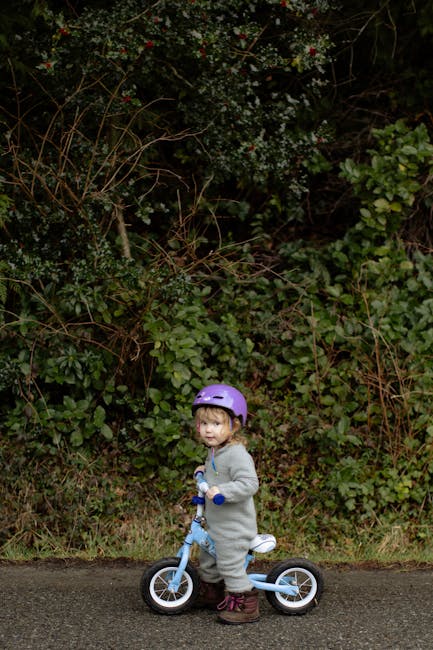
You might think a bike helmet is just another piece of gear, but it’s so much more than that. It’s your shield, your safety net, the one thing that can protect your head when the unexpected happens.
Imagine riding without it—how would you feel knowing you’re not fully protected? You’ll discover why choosing the right bike helmet isn’t just smart, it’s essential. Ready to learn how to keep yourself safer every time you ride? Let’s dive in.

Credit: www.giro.com
Choosing The Right Helmet
Wearing a bike helmet keeps your head safe during rides. Picking the right helmet helps protect you better. It is important to know the types, fit, and materials of helmets.
This guide explains the main points to help you choose a helmet that fits well and lasts long.
Types Of Bike Helmets
There are different helmets for different types of riding. Each type offers unique protection and features.
- Road Helmets:Light and well-ventilated for speed and comfort.
- Mountain Bike Helmets:Stronger with extra coverage at the back of the head.
- Commuter Helmets:Designed for city riding with good visibility and comfort.
- Full-face Helmets:Provide full head and face protection for downhill or extreme riding.
Proper Helmet Fit
A helmet must fit snugly on your head without feeling tight. It should stay in place when you move your head.
| Fit Check | What to Do |
|---|---|
| Helmet Position | Wear the helmet level on your head. It should not tilt forward or backward. |
| Strap Adjustment | Straps should form a “V” under each ear and buckle firmly under your chin. |
| Movement Test | Shake your head side to side. The helmet should not move or slide. |
| Comfort | Check for pressure points. The helmet should feel comfortable all around. |
Materials And Construction
Bike helmets use different materials to protect your head. The construction style affects safety and weight.
Most helmets have two main parts:
- Outer Shell:Made of hard plastic to spread impact forces.
- Inner Foam:Usually EPS foam that absorbs shock during a crash.
Some helmets add extra features like:
- MIPS (Multi-directional Impact Protection System) to reduce rotational forces.
- Reinforced layers for extra strength.
- Ventilation holes to keep your head cool.

Credit: www.amazon.com
Helmet Safety Standards
Wearing a bike helmet is crucial for your safety. It’s important to know about the standards that ensure its reliability.
This guide will help you understand the key certifications and when to replace your helmet for maximum protection.
Certifications To Look For
Helmets with proper certifications meet safety guidelines. These certifications ensure that helmets can protect your head during an accident.
- CPSC: The Consumer Product Safety Commission standard for U.S. helmets.
- EN 1078: European standard for bicycle helmets.
- AS/NZS 2063: Australian and New Zealand standard.
Helmet Lifespan And Replacement
Helmets don’t last forever. Over time, they can wear out and become less effective.
| Condition | Action |
| Visible damage | Replace immediately |
| 5 years of use | Consider replacement |
| Involved in a crash | Replace immediately |
Wearing Your Helmet Correctly
Wearing a bike helmet the right way keeps you safe. It helps protect your head in case of a fall or crash.
Knowing how to adjust and position your helmet makes a big difference. Read on to learn simple tips for proper use.
Adjusting Straps And Buckles
Make sure your helmet straps fit snugly under your chin. The buckles should be easy to open but secure when closed.
- Put the helmet on your head before adjusting.
- Fasten the buckle under your chin.
- Tighten the straps so they are snug but comfortable.
- Check that the straps form a “V” shape under your ears.
- Make sure you can fit one or two fingers between your chin and the strap.
Positioning On Your Head
Place the helmet level on your head. It should sit low on your forehead, about one inch above your eyebrows.
| Position | How to Check |
| Front | Helmet rests one inch above eyebrows |
| Sides | Straps form a “V” just below the ears |
| Fit | Helmet feels snug without tilting |
| Movement | Helmet does not move when you shake your head |
Common Mistakes To Avoid
Many people wear their helmets wrong. Avoid these common errors to stay protected.
- Wearing the helmet too far back on the head
- Leaving straps loose or unbuckled
- Using a damaged or old helmet
- Not adjusting straps after changing the helmet
- Wearing the helmet tilted instead of level
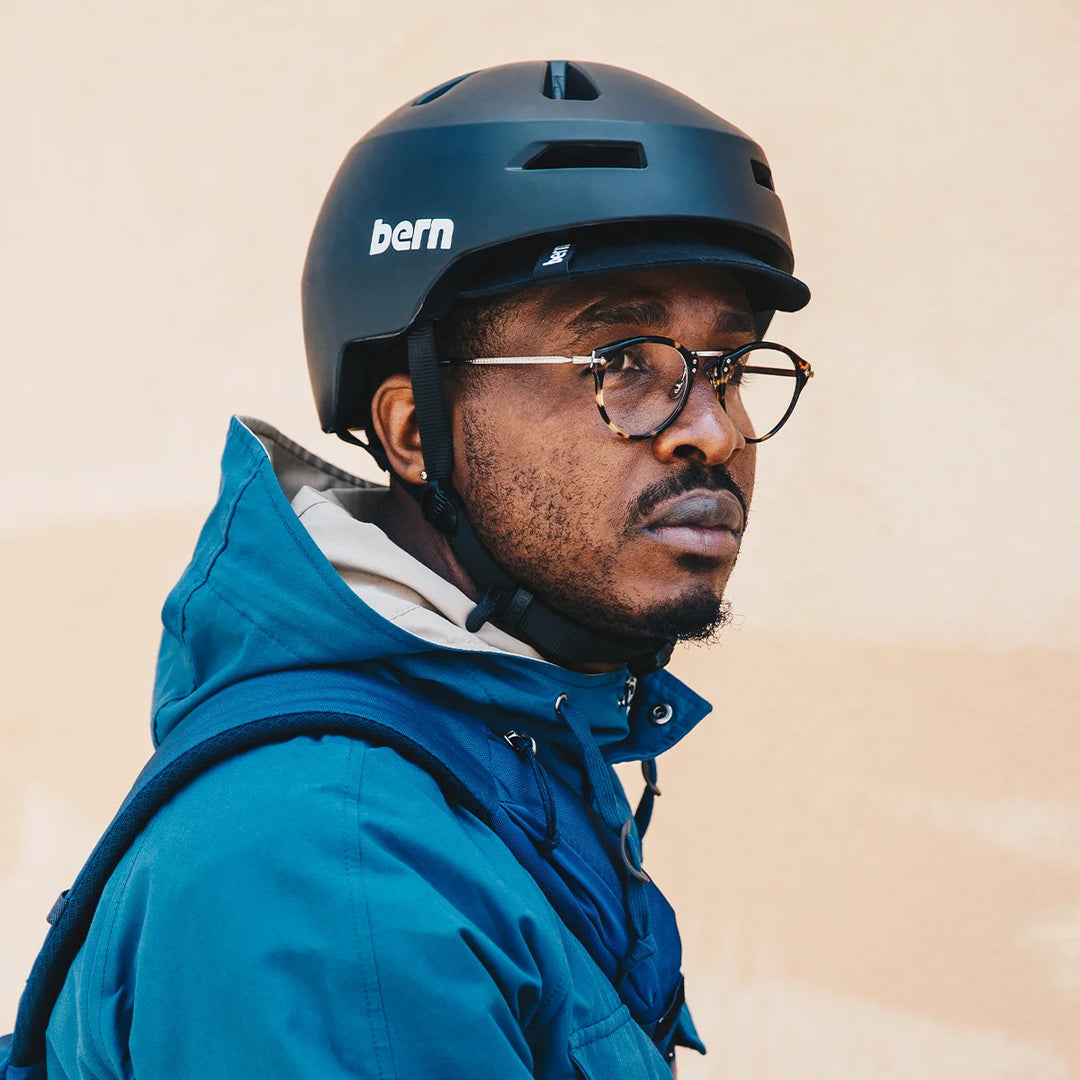
Credit: bernhelmets.com
Maintenance And Care
Keeping your bike helmet clean and well-maintained helps it last longer.
Proper care also ensures your safety while riding.
Cleaning Your Helmet
Use mild soap and warm water to clean the helmet’s shell and padding.
Avoid harsh chemicals that can damage the helmet materials.
- Remove the inner pads before washing
- Use a soft cloth or sponge to wipe the shell
- Rinse well with clean water
- Let the helmet air dry away from direct sunlight
Storage Tips
Store your helmet in a cool, dry place to keep it safe from damage.
| Do | Don’t |
| Keep helmet on a soft surface | Place helmet near heat sources |
| Use a helmet bag for extra protection | Hang helmet by straps for long periods |
| Store away from sharp objects | Leave helmet in direct sunlight |
Inspecting For Damage
Regularly check your helmet for cracks, dents, or worn straps.
- Look for cracks or deep scratches on the shell
- Check foam lining for any signs of damage
- Test the straps and buckles for secure fastening
- Replace helmet after any serious impact
Additional Safety Accessories
Bike helmets protect your head, but extra accessories boost safety. These add-ons help you see and stay safe in low light.
Adding lights, reflectors, or eye protection can make your ride safer and more comfortable.
Helmet Lights And Reflectors
Lights and reflectors on your helmet make you visible to others. They are important for riding at night or in poor weather.
- LED lights attach to the front or back of the helmet
- Reflective stickers increase visibility from all angles
- Rechargeable lights save money and reduce waste
- Some lights have multiple modes like steady or flashing
- Reflectors come in different colors for front and rear use
Visors And Eye Protection
Visors shield your eyes from sun, rain, and bugs. Eye protection keeps your vision clear and safe during rides.
| Accessory | Benefit | Notes |
| Visor | Blocks sun and rain | Some helmets come with built-in visors |
| Clear goggles | Protects from wind and debris | Good for night or cloudy rides |
| Tinted glasses | Reduces glare in bright light | Not suitable for low light |
| Photochromic lenses | Adjusts tint based on light | Versatile for different conditions |
Helmet Use For Different Riding Styles
Wearing a helmet is important for every cyclist. Different riding styles need different helmet features. Choosing the right helmet helps keep you safe and comfortable.
This guide explains helmet use for road cycling, mountain biking, and casual riding. Learn what to look for in each style.
Road Cycling
Road cyclists need helmets that are light and well ventilated. Aerodynamics also matter to reduce wind resistance. A good fit is essential for safety and comfort.
- Look for helmets with many vents for airflow.
- Choose lightweight materials to avoid neck strain.
- Pick helmets with aerodynamic shapes.
- Ensure the helmet fits snugly without pressure points.
Mountain Biking
Mountain bike helmets offer more coverage, especially around the back of the head. They often include visors to block sun and debris. Sturdiness is key to protect against rough trails.
| Feature | Importance |
| Extended rear coverage | High for extra protection |
| Visor | Protects from sun and branches |
| Ventilation | Moderate but enough to cool |
| Durability | Must resist impacts and rough use |
Commuting And Casual Riding
Commuters and casual riders want helmets that are comfortable and easy to wear. Visibility features like bright colors or reflective strips help keep you safe in traffic.
- Comfort padding for longer wear
- Reflective elements for low light
- Simple adjustment systems for quick fitting
- Lightweight but sturdy design
Promoting Helmet Safety Culture
Wearing a bike helmet protects your head during falls or crashes. It lowers the chance of serious injuries. Creating a helmet safety culture helps everyone stay safer on the road.
Encouraging people to wear helmets can save lives. Families and communities play a big role in making helmets a habit. Laws also support helmet use by setting clear rules.
Encouraging Family And Friends
Talking about helmet safety with family and friends helps spread good habits. When loved ones wear helmets, it sets a strong example for others.
- Remind each other to wear helmets before riding.
- Buy helmets that fit well and feel comfortable.
- Share stories about how helmets helped in crashes.
- Celebrate when everyone wears their helmet on a ride.
- Teach kids why helmets are important from a young age.
Helmet Laws And Regulations
Helmet laws vary by location. Knowing these laws helps riders follow the rules and stay safe. Many places require helmets for children and teens.
| Region | Helmet Law | Age Requirement |
| City A | Mandatory | Under 18 years |
| City B | Recommended | All ages |
| City C | Mandatory | Under 16 years |
Frequently Asked Questions
What Are The Main Benefits Of Wearing A Bike Helmet?
Bike helmets protect your head from serious injuries during accidents. They reduce impact force, preventing brain damage and skull fractures. Wearing a helmet increases safety and can save lives in crashes.
How Do I Choose The Right Bike Helmet Size?
Measure your head circumference using a tape measure. Match it with helmet size charts provided by manufacturers. Ensure the helmet fits snugly but comfortably without pressure points or gaps.
Are All Bike Helmets Certified For Safety Standards?
Not all helmets meet safety certifications. Always check for certification labels like CPSC, ASTM, or Snell. Certified helmets guarantee tested protection and quality assurance.
How Often Should I Replace A Bike Helmet?
Replace your helmet every 3 to 5 years or after any crash. Helmets degrade over time and impact, reducing their protective ability.
Conclusion
A bike helmet keeps your head safe during rides. It reduces the risk of serious injury. Wearing one shows you care about your safety. Choose a helmet that fits well and feels comfortable. Remember to replace it after any crash or damage.
Riding without a helmet is risky and avoidable. Protect yourself every time you get on a bike. Safety should always come first on the road. Stay alert, wear your helmet, and enjoy the ride.