Planning a hiking trip soon? Knowing what to pack can make or break your adventure.
You want to stay safe, comfortable, and ready for anything the trail throws at you. Imagine reaching the summit feeling energized because you brought exactly what you needed—no more, no less. In this guide, you’ll discover the essential items that belong in your backpack, helping you enjoy every step without worry.
Keep reading to make sure your next hike is your best one yet.
Choosing The Right Backpack
Picking the right backpack is important for a hiking trip. It helps carry your gear comfortably and safely.
There are many backpacks to choose from. Knowing what to look for makes packing easier.
Backpack Types And Sizes
Backpacks come in different types for different hikes. Choose one that fits your trip length and load.
Small daypacks hold 15 to 30 liters. They are good for short hikes or light gear.
Medium backpacks hold 30 to 50 liters. They work for overnight trips with more supplies.
Large backpacks hold 50 liters or more. Use these for multi-day trips and heavy gear.
- Daypacks: 15-30 liters, light and small
- Medium packs: 30-50 liters, good for 1-2 nights
- Large packs: 50+ liters, for long trips
Features To Look For
Look for padded straps and a good hip belt. These help carry weight well and reduce pain.
Ventilation on the back keeps you cool. Multiple compartments help organize gear neatly.
- Padded shoulder straps for comfort
- Hip belt to support weight
- Ventilation for airflow
- Multiple compartments for organization
- Water-resistant material for rain protection
Packing Tips For Weight Distribution
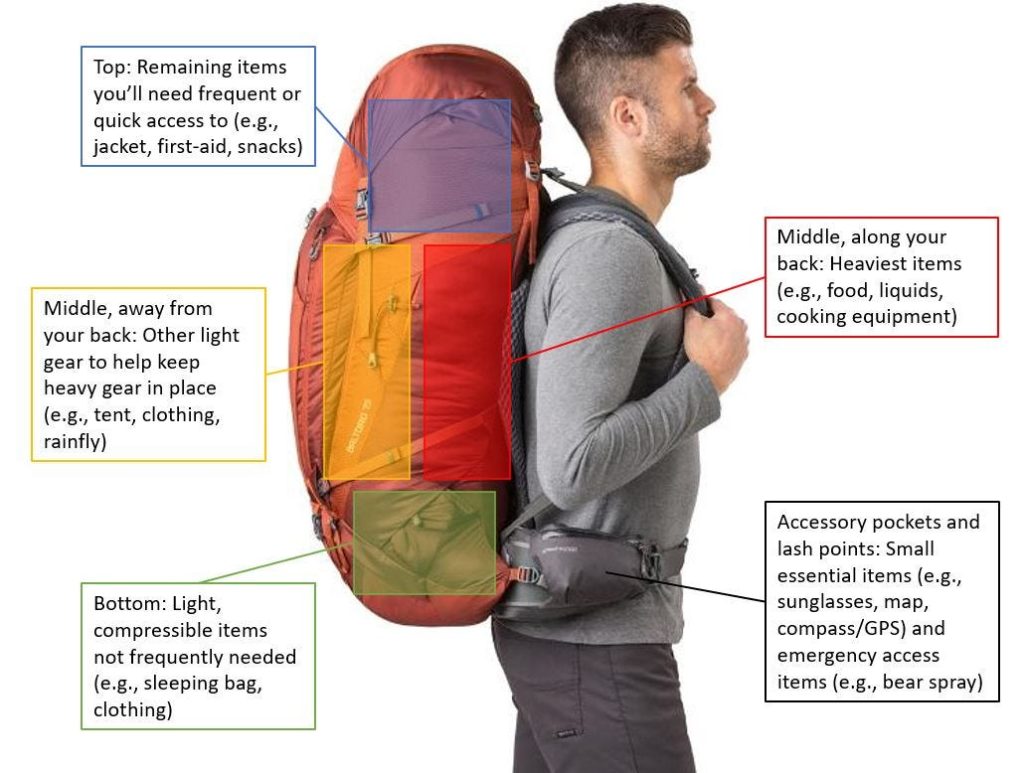
Pack heavy items close to your back. This keeps your center of gravity stable and balanced.
Place lighter items near the top and outside. Spread weight evenly to avoid strain on one side.
- Put heavy gear near your spine
- Keep lighter items on top or outside
- Balance weight on both sides
- Use compartments to separate items
- Adjust straps for a snug fit
Clothing Essentials
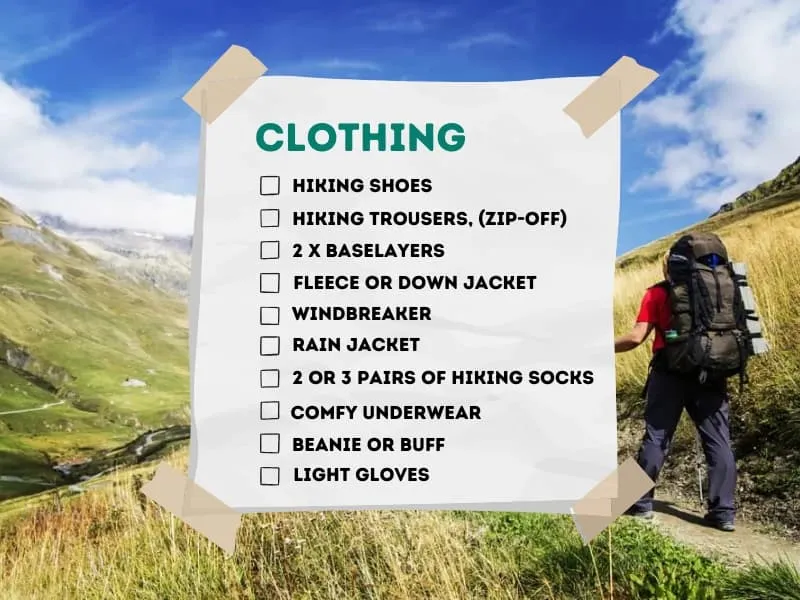
Packing the right clothing is key for a successful hiking trip. Weather can change fast, so be prepared.
Let’s explore what you need to wear to stay comfortable and safe on your hike.
Layering For Weather Changes
Layering clothes helps you manage temperature and stay dry. It’s important to adjust layers as the weather changes.
| Layer Type | Purpose |
| Base Layer | Wicks moisture |
| Middle Layer | Insulates warmth |
| Outer Layer | Protects from wind and rain |
Footwear Selection
Choosing the right footwear is crucial for a comfortable hike. It prevents injuries and improves stability on different terrains.
- Hiking Boots: Offer ankle support and protection.
- Trail Shoes: Lightweight and suitable for shorter hikes.
- Sandals: Good for water crossings and resting.
Accessories For Protection
Accessories can protect you from the sun, insects, and unexpected weather conditions. They are small but essential.
- Hat: Shields your face from the sun.
- Sunglasses: Protects your eyes from UV rays.
- Gloves: Keeps your hands warm in cold weather.
- Buff or Scarf: Versatile for warmth or sun protection.
Navigation Tools
Good navigation tools keep you safe and on track during your hike. You need to choose reliable gear that fits your trip.
Learn about different tools you can carry for navigation. Each has its strengths and uses.
Maps And Compass
Paper maps and a compass are classic tools for navigation. They do not rely on batteries or signal.
- Bring a detailed topographic map of your hiking area.
- Use a quality compass with clear markings.
- Practice reading maps and using a compass before your trip.
- Mark your planned route on the map before starting.
- Keep your map and compass in a waterproof case.
Gps Devices And Apps
GPS devices and apps offer quick location info. They can track your path and show maps on screen.
| Device | Pros | Cons |
| Handheld GPS | Reliable, accurate location | Needs batteries, can be heavy |
| Smartphone Apps | Easy to use, many features | Battery drains fast, needs signal for some maps |
| GPS Watch | Lightweight, hands-free | Small screen, limited features |
Backup Navigation Methods
Always have backup methods in case your main tools fail. You can use simple tricks to find your way.
Backup Tips
- Learn to use natural signs like the sun or stars for direction.
- Carry a whistle or signal mirror to call for help if lost.
- Write down key landmarks and emergency contacts before the hike.
- Bring extra batteries or a power bank for electronic devices.
Credit: bookatrekking.com
Food And Hydration
Food and water are very important for a hiking trip. They give you energy and keep you healthy.
It is smart to plan what to eat and how to carry water. This helps you stay strong during your hike.
Meal Planning And Packing
Plan meals that are easy to carry and eat on the trail. Choose foods that give long-lasting energy.
Pack lightweight and non-perishable foods. Avoid heavy or messy items that can spoil quickly.
- Trail mix with nuts and dried fruits
- Energy bars and granola bars
- Dehydrated or freeze-dried meals
- Fresh fruits like apples or oranges
- Peanut butter or nut butter packets
- Whole grain crackers or tortillas
Water Storage Options
Carry enough water to stay hydrated. Use containers that are easy to fill and carry.
Choose water bottles or hydration bladders. Both have benefits depending on your hike style.
- Reusable water bottles – simple and durable
- Hydration bladders – fit inside backpacks and allow hands-free drinking
- Collapsible water containers – save space when empty
- Water pouches – lightweight and disposable
Purification Methods
Water from streams or lakes may have germs. Clean water before drinking to stay safe.
Use simple methods to purify water. Choose what fits your gear and trip length.
- Boiling water for at least one minute kills germs
- Water filters remove dirt and bacteria
- Water purification tablets are light and easy to carry
- UV light purifiers use light to clean water quickly
Safety And First Aid
Safety is very important when you go hiking. Being ready with first aid items helps you handle small injuries.
Knowing what to pack for safety can keep you calm and protected in emergencies.
First Aid Kit Essentials
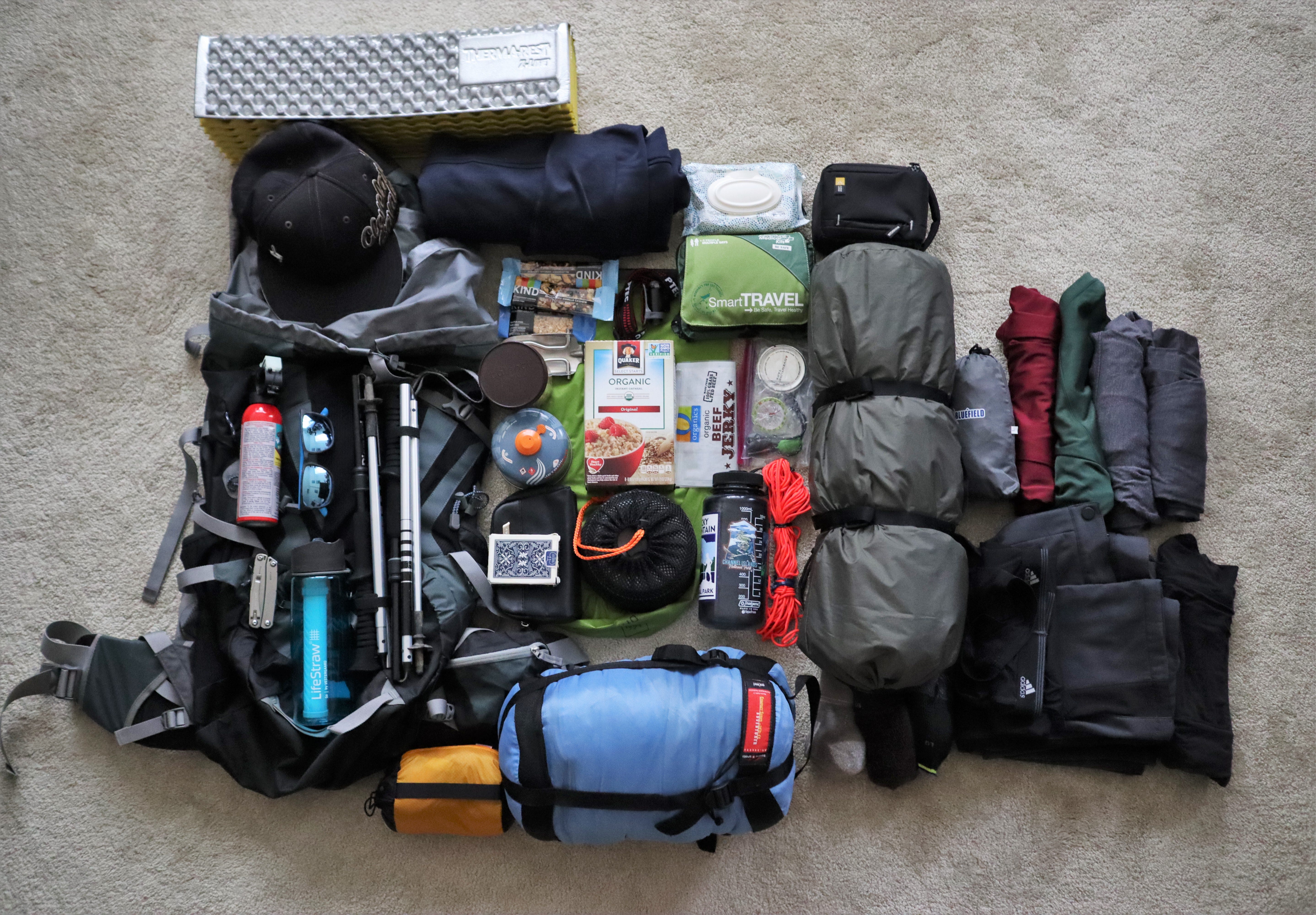
Carry a first aid kit with basic supplies to treat cuts, scrapes, and blisters. It helps you act fast.
- Adhesive bandages of different sizes
- Antiseptic wipes and ointment
- Gauze pads and medical tape
- Small scissors and tweezers
- Pain relievers like ibuprofen
- Allergy medication if needed
- Disposable gloves for hygiene
- Elastic bandage for sprains
Emergency Signaling Devices
Signaling devices help rescuers find you if you are lost. They make your location known.
- Whistle to make loud sounds
- Bright flashlight or headlamp
- Mirror to reflect sunlight
- Personal locator beacon if possible
Personal Safety Items
Bring items that protect you from animals and weather. These improve your safety on the trail.
- Insect repellent to avoid bites
- Sunscreen for skin protection
- Hat and sunglasses for sun safety
- Multi-tool for small repairs
- Extra clothing for warmth
Credit: pangolinswithpacks.com
Shelter And Sleeping Gear
Good shelter and sleeping gear keep you safe and comfortable during a hiking trip. They protect you from weather and help you rest well.
Choosing the right gear depends on the location, weather, and how long you will stay outdoors.
Tents And Hammocks
Tents offer solid protection and space for your gear. They shield you from wind, rain, and insects. Choose a tent that is lightweight and easy to set up.
Hammocks are good for warm weather and areas with trees. They keep you off the ground and away from bugs. Use a rainfly and bug net for extra protection.
- Pick a tent size based on your group size
- Look for waterproof and durable materials
- Bring stakes and guylines for stability
- Use a hammock with sturdy straps and strong fabric
- Add a rainfly to stay dry in rain
Sleeping Bags And Pads
Sleeping bags keep you warm and comfortable at night. Choose one with the right temperature rating for your trip. Lightweight bags are easier to carry.
Sleeping pads add cushioning and insulation from the cold ground. They improve your sleep quality and reduce body heat loss.
- Check the temperature rating on sleeping bags
- Pick a sleeping bag size that fits you well
- Use inflatable or foam sleeping pads
- Consider compact and lightweight options for hiking
Weatherproofing Tips
Weather can change quickly in the outdoors. Prepare your shelter and sleeping gear to handle rain, wind, and cold.
Keep your gear dry and protected to stay warm and safe. Use covers and store items inside your tent or hammock.
- Use a waterproof tent rainfly and footprint
- Seal sleeping bags in dry sacks or plastic bags
- Choose gear made from water-resistant materials
- Bring extra tarps or rain covers
- Set up your shelter in a safe, sheltered spot
Tools And Accessories
Packing the right tools and accessories makes a hiking trip safer and easier. These items help with navigation, safety, and survival in the outdoors.
Choose tools that are light and durable. Always carry items that can help in emergencies or unexpected situations.
Knives And Multi-tools
A good knife or multi-tool is essential for many tasks. You can use them to cut rope, prepare food, or make small repairs.
Multi-tools combine several tools in one. This saves space and weight in your backpack.
- Choose a knife with a strong, sharp blade
- Look for multi-tools with pliers, screwdrivers, and scissors
- Make sure the tool locks securely for safety
- Keep the tools clean and sharp
Lighting Solutions
Lighting is crucial for early mornings, late evenings, and emergencies. Carry reliable light sources to stay safe in the dark.
Headlamps free your hands for tasks. Flashlights offer focused light. Always pack extra batteries or a power source.
- LED headlamps are bright and energy efficient
- Compact flashlights fit easily in your pack
- Spare batteries keep your lights working
- Consider solar or rechargeable options
Fire Starting Equipment
Fire helps with warmth, cooking, and signaling for help. Carry reliable fire starters in your pack.
Matches and lighters are simple and effective. Fire steels work well when wet. Keep fire starters dry and easy to reach.
- Waterproof matches prevent failure in rain
- Windproof lighters light quickly in tough conditions
- Fire steels last long and work when wet
- Carry tinder like cotton balls or dry leaves
Personal Items And Extras
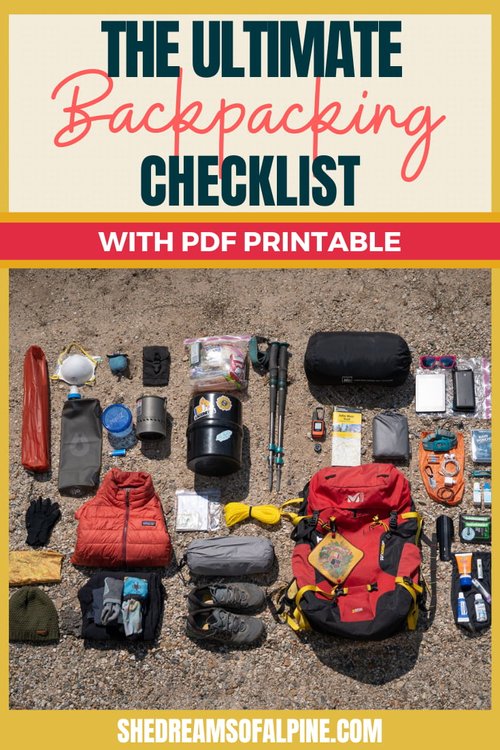
Packing for a hiking trip requires more than just clothes and food. Personal items and extras make your trip easier and more comfortable.
These items keep you clean, safe, and entertained while on the trail. Think about what you will need each day and night.
Hygiene Supplies
Good hygiene helps you feel fresh and prevents illness. Pack small, lightweight items that are easy to carry.
Bring essentials like toothpaste, a toothbrush, and biodegradable soap. Add a small towel and hand sanitizer.
- Toothbrush and toothpaste
- Biodegradable soap
- Small quick-dry towel
- Hand sanitizer
- Toilet paper or tissues
- Wet wipes for quick cleaning
Insect Protection
Bugs can disturb your hike and cause bites. Protect yourself with insect repellent and other barriers.
Choose a repellent that works well in your hiking area. Carry a head net or wear long sleeves if bugs are heavy.
- Insect repellent spray or lotion
- Head net for mosquitoes
- Long-sleeve shirts and pants
- Permethrin-treated clothing
Entertainment And Documentation
Bring small items to enjoy your free time and record memories. Keep these light and easy to use.
A notebook lets you write down thoughts or sketch. A camera or smartphone can capture views and moments.
- Small notebook and pen
- Camera or smartphone
- Portable charger or extra batteries
- Light book or e-reader
Credit: www.shedreamsofalpine.com
Frequently Asked Questions
What Are The Essential Items To Pack For Hiking?
Pack water, snacks, a map, first-aid kit, weather-appropriate clothing, and sturdy shoes. These basics ensure safety and comfort on any hiking trip.
How Much Water Should I Bring On A Hike?
Bring at least two liters of water per person for a half-day hike. Carry more for longer trips or hot weather to stay hydrated.
What Clothing Is Best For A Hiking Trip?
Wear moisture-wicking layers, a waterproof jacket, and sturdy hiking boots. Dress in layers to adjust to changing weather conditions easily.
Should I Carry A First-aid Kit While Hiking?
Yes, always carry a compact first-aid kit. It helps treat minor injuries and emergencies quickly while on the trail.
Conclusion
Packing right makes your hiking trip safe and fun. Carry essentials like water, food, and proper clothes. Don’t forget a map and first aid kit. Keep your pack light but complete. Prepare for weather changes and unexpected needs. Being ready helps you enjoy the trail more.
Stay comfortable, stay safe, and enjoy nature fully. Happy hiking!