Have you ever wondered how your car warms up quickly on a chilly morning? Your car heater system works behind the scenes to keep you cozy, but understanding exactly how it works can help you appreciate it more—and even spot problems early.
You’ll discover the simple yet clever process that turns your car’s engine heat into a warm breeze inside your cabin. Ready to uncover the secrets of your car’s heater? Let’s dive in and see how it all comes together to keep you comfortable on the road.
Car Heater Basics
A car heater keeps the inside warm during cold days. It uses heat from the engine to warm the air.
The system moves warm air into the cabin to make passengers comfortable. It works with the car’s cooling system.
Key Components
The car heater system has parts that work together to create heat. These parts include the heater core, blower fan, and control valves.
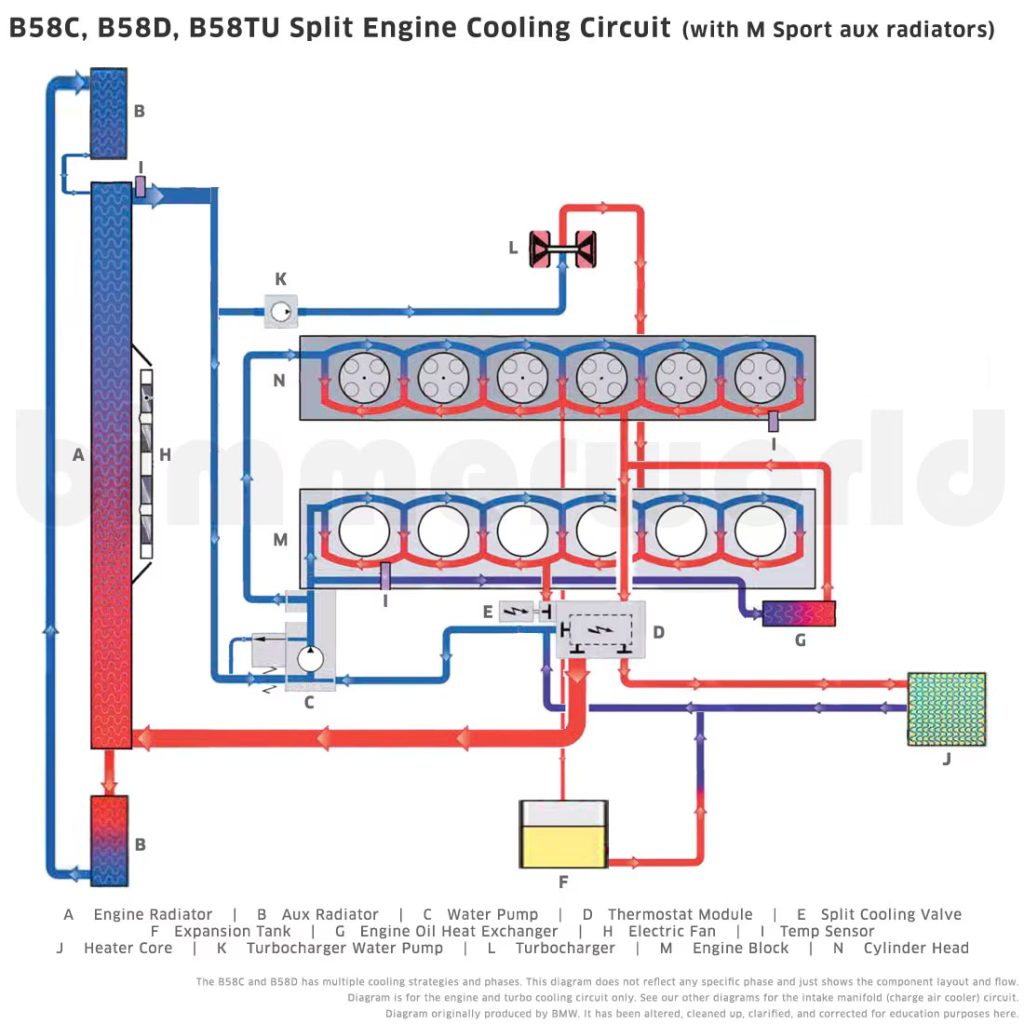
The heater core acts like a small radiator. It holds hot coolant from the engine. The blower fan pushes air through the heater core. This air becomes warm and moves into the car’s cabin.
- Heater Core:Transfers heat from engine coolant to air
- Blower Fan:Pushes warm air inside the car
- Control Valves:Regulate the flow of coolant and air
- Temperature Controls:Let drivers set desired heat level
Heat Source
The heat source for the car heater is the engine’s coolant. The engine makes heat while running. Coolant absorbs this heat to keep the engine safe.
The hot coolant flows through the heater core. Air passing over the heater core heats up. This warm air then flows into the car’s interior to warm it.
- Engine produces heat during operation
- Coolant absorbs engine heat
- Heated coolant moves to heater core
- Air warmed by heater core enters cabin
Heat Generation Process
The car heater system keeps you warm inside your vehicle. It uses heat from the engine to do this.
Understanding how this system works helps you appreciate its role in comfort during cold weather.
Engine Coolant Role
The engine coolant absorbs heat from the engine. It flows through the engine, collecting heat as it moves.
This hot coolant then travels to the heater core. The heater core acts like a small radiator inside the car.
- Engine coolant is a mix of water and antifreeze.
- It circulates continuously to prevent overheating.
- Helps maintain engine performance and efficiency.
Heat Transfer Mechanism
In the heater core, the hot coolant transfers its heat to the air. A fan blows this warm air into the cabin.
The air passes over the heater core, picking up heat before entering the car. This warms up the interior quickly.
| Component | Function |
| Heater Core | Transfers heat from coolant to air |
| Fan | Blows warm air into the cabin |
| Air Ducts | Direct warm air to needed areas |
Airflow And Temperature Control
A car heater system warms the inside of a vehicle. It uses air and temperature control to keep you comfortable.
The system moves air through the heater core. Then it adjusts the heat before blowing it into the car.
Blower Fan Function
The blower fan pushes air through the heater system. It controls how much air flows inside the car.
The fan speed can be changed. Higher speeds blow more air fast, while lower speeds are gentle.
- Pulls air from outside or inside the car
- Pushes air through the heater core
- Adjusts airflow speed based on driver settings
Temperature Adjustment
The heater core warms the air using engine heat. Coolant from the engine passes through it to heat the air.
The temperature control lets you choose how warm the air should be. It mixes hot air with cooler air to get the right heat.
- Heater core uses hot engine coolant
- Temperature dial controls mix of hot and cool air
- Allows setting from cool to warm air inside the car
Air Distribution
Air distribution decides where the warm air goes inside the car. Vents can send air to the feet, face, or windshield.
Control buttons or levers change which vents open. This helps you stay warm where you want it most.
- Directs air to different vents inside the car
- Controls include dashboard, floor, and defrost vents
- Helps clear the windshield or warm your feet

Credit: mechlesson.com
Common Issues And Fixes
Car heater systems keep you warm during cold weather. Sometimes they stop working or don’t work well.
Here are common heater problems and simple fixes to help you understand what might be wrong.
Heater Not Working
If the heater does not blow warm air, the problem could be a few parts. The heater core might be clogged or leaking.
Another cause is low coolant levels. The heater uses engine coolant to create heat. If coolant is low, the heater will not warm the air.
- Check coolant level and refill if needed
- Inspect heater core for leaks or blockages
- Test the thermostat to see if it opens correctly
- Check the blower motor for proper operation
Uneven Heating
Sometimes the heater blows warm air on one side but cold air on the other. This happens when the blend door is stuck.
The blend door controls air flow inside the heater. If it breaks or gets stuck, air does not mix correctly.
- Listen for clicking sounds from the blend door actuator
- Check if the blend door moves freely
- Replace the blend door actuator if broken
Odors And Noise
Strange smells or noises from the heater often mean dirt or mold inside the system. Dust and leaves can clog the heater core.
Noises like squealing can come from a worn blower motor or loose fan belt. Odors may also come from old coolant or mold.
- Clean or replace the cabin air filter
- Flush the heater core to remove dirt and mold
- Check the blower motor for wear and tear
- Inspect belts for tightness and damage
Maintenance Tips
Keeping your car heater system in good shape helps you stay warm during cold days. Regular maintenance can prevent problems and extend the system’s life.
Simple checks and replacements keep the heater working well. Learn what to watch for and how to care for the system parts.
Coolant Checks
Coolant moves heat from the engine to the heater core. Check coolant levels often to avoid low heat output. Use the right coolant type for your car model.
- Check coolant level in the reservoir when the engine is cold.
- Look for leaks under the car or near the radiator.
- Top up coolant with a 50/50 mix of antifreeze and water.
- Replace coolant as recommended in the car manual.
Filter Replacement
The cabin air filter cleans air before it enters the car. A dirty filter can reduce airflow and heating. Replace it regularly to keep fresh air inside.
| Signs of a Dirty Filter | What to Do |
| Weak airflow | Replace filter immediately |
| Unpleasant odors | Clean vents and replace filter |
| Increased dust inside car | Check and replace filter |
System Inspection
Inspect the heater system parts to find issues early. Look at hoses, heater core, and controls for damage or wear.
- Check hoses for cracks or leaks.
- Feel heater core for blockages or corrosion.
- Test heater controls for proper function.
- Listen for unusual sounds when the heater runs.
Credit: forum.ih8mud.com
Energy Efficiency And Safety
A car heater uses engine heat to warm the inside of a vehicle. It helps keep passengers warm during cold weather. Understanding its energy use and safety is important.
Using the heater wisely can save fuel and prevent damage. It also helps avoid risks like overheating and fire hazards.
Fuel Consumption Impact
The car heater uses heat from the engine coolant. It does not use extra fuel directly. But running the heater can slightly increase fuel use.
The engine works harder to stay warm in cold weather. This can raise fuel consumption. Keeping the heater at a moderate level helps reduce this effect.
- Heater uses engine heat, not fuel directly
- Engine works harder in cold, uses more fuel
- Moderate heater settings save fuel
Avoiding Overheating
The heater relies on the engine coolant system. If the coolant is low, the engine can overheat. This can damage the engine and heater parts.
Regular checks on coolant levels and the thermostat help keep the system safe. Avoid running the heater when the engine is overheating.
- Check coolant levels regularly
- Watch for engine temperature warnings
- Do not use heater if engine is too hot

Credit: ev-lectron.com
Frequently Asked Questions
How Does A Car Heater System Generate Heat?
A car heater uses the engine’s hot coolant to produce warmth. Coolant flows through the heater core, transferring heat. A fan blows air over the heater core, warming the cabin. This process efficiently recycles engine heat for interior comfort.
What Components Are Involved In A Car Heater System?
Key parts include the heater core, blower fan, thermostat, and control valves. The heater core acts like a small radiator. The blower fan circulates air inside the cabin. The thermostat regulates coolant temperature to maintain heating performance.
Why Is My Car Heater Blowing Cold Air?
Cold air may indicate low coolant levels or a stuck thermostat. Air trapped in the cooling system can reduce heating. Faulty heater control valves or blower issues also cause cold air. Proper diagnosis ensures timely repair and restores warmth.
How Can I Improve My Car Heater’s Efficiency?
Ensure your coolant level is adequate and the system is free of leaks. Regularly flush the cooling system to remove blockages. Check the thermostat and heater core for proper operation. Maintaining these parts improves heat output and overall comfort.
Conclusion
A car heater system uses engine heat to warm the cabin. Coolant carries heat from the engine to the heater core. Air passes over the heater core and heats up. This warm air then blows into the car’s interior. The system keeps you comfortable during cold weather.
Understanding this helps you appreciate your car’s comfort features. Proper maintenance ensures the heater works well all winter. Simple parts work together to keep you warm inside. Now you know how a car heater system works.