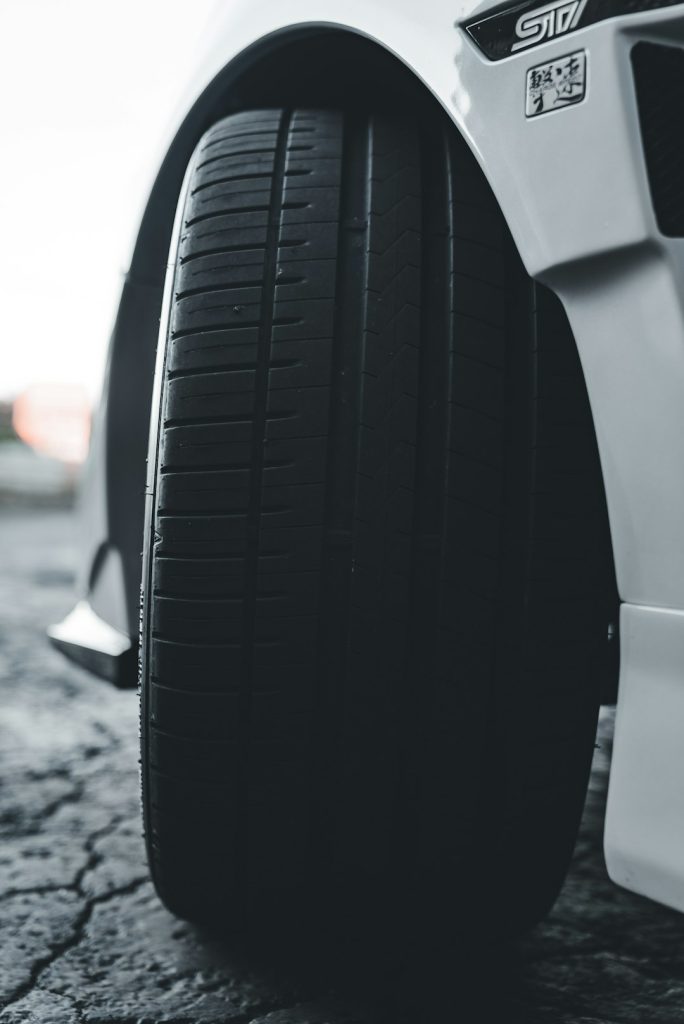
Choosing the right tire size for your car might seem simple, but it can actually make a big difference in how your vehicle performs and feels on the road. Are you unsure about which size fits best?
Picking the wrong tires could affect your safety, fuel efficiency, and even your car’s handling. You’ll discover exactly how to find the perfect tire size for your car—without confusion or guesswork. Keep reading, and you’ll gain the confidence to make the best choice for your ride.
Tire Size Basics
Choosing the right tire size is important for your car’s safety and performance. Tire size tells you the width, height, and fit of the tire.
Understanding tire sizes helps you pick tires that match your vehicle’s needs and road conditions.
Decoding Tire Size Numbers
Tire sizes look like a code on the tire sidewall. Each part of the code shows a different measurement.
For example, in the size 205/55R16, “205” is the tire width in millimeters.
- Width:The first number is the tire width in mm.
- Aspect Ratio:The second number is the height as a percentage of the width.
- Construction:The letter (usually “R”) means radial construction.
- Diameter:The last number is the wheel diameter in inches.
Common Tire Size Formats
Tire sizes come in different formats depending on the vehicle type. Passenger cars and trucks use different styles.
Most passenger tires use the metric format, while trucks often use LT (light truck) sizes.
- Metric Size:Example 205/55R16, common for cars and SUVs.
- LT Size:Starts with “LT”, shows light truck tires.
- Flotation Size:Used for trucks with wide tires, like 31×10.50R15.
How Tire Size Affects Performance
Tire size affects how your car drives, handles, and uses fuel. Larger tires can improve grip but may lower fuel economy.
Smaller tires may give better fuel efficiency but can reduce comfort and handling on rough roads.
- Width:Wider tires offer better traction but more rolling resistance.
- Aspect Ratio:Lower ratios give better handling but a firmer ride.
- Diameter:Larger wheels look good but may affect speedometer accuracy.

Credit: www.amazon.com
Finding Your Car’s Recommended Size
Choosing the right tire size is essential for safety and performance. It ensures a smooth ride and optimal fuel efficiency.
Let’s explore how to find the correct tire size for your car using various resources.
Checking Owner’s Manual
Your car’s owner manual is a valuable resource. It provides detailed information about tire sizes recommended by the manufacturer.
- Locate the “Specifications” section in the manual.
- Look for “Tire Information”.
- Note the recommended tire size.
Using Tire Sidewall Information
The sidewall of your tire holds key details. Understanding these numbers and letters can guide you to the correct size.
| Code | Description |
| P | Passenger Vehicle |
| 215 | Width in millimeters |
| 65 | Aspect Ratio |
| R | Radial Construction |
| 15 | Diameter in inches |
Consulting Manufacturer Resources
Car manufacturers often provide resources online. These can include tire size charts and compatibility guides.
- Visit the manufacturer’s official website.
- Use the “Support” or “Service” section.
- Enter your car’s make and model to find size info.
Factors Influencing Tire Size Choice
Choosing the right tire size is important for your car’s safety and performance. Several factors affect which tire size fits best on your vehicle.
Understanding these factors helps you pick tires that match your needs and driving style.
Vehicle Type And Usage
The kind of vehicle you drive affects the tire size you need. Different vehicles require tires designed for their weight and purpose.
How you use your vehicle also matters. For example, off-road driving needs bigger, stronger tires than city driving.
- Sedans usually use smaller, low-profile tires
- SUVs and trucks often need larger, more durable tires
- Sports cars require tires that enhance speed and handling
- Heavy-duty vehicles need tires that support more weight
Load And Speed Ratings
Tires have load ratings that show how much weight they can support. Choose tires that match or exceed your vehicle’s weight.
Speed ratings indicate the maximum speed the tire can handle safely. Pick tires with speed ratings suitable for your driving habits.
- Load rating example: 91 means the tire can hold 615 kg
- Speed rating example: H means the tire supports speeds up to 130 mph
- Using wrong ratings can cause tire damage or unsafe driving
Seasonal And Weather Considerations
Your local weather affects the best tire size and type for your car. Some tires work better in certain seasons and conditions.
Winter tires are made to handle snow and ice, while summer tires perform well in warm weather. All-season tires try to balance both.
- Winter tires have deeper treads and softer rubber
- Summer tires provide better grip on dry roads
- All-season tires suit mild climates and mixed conditions
- Proper tire choice improves safety and vehicle control
Upgrading Or Changing Tire Size
Choosing the right tire size is important for your car’s performance. Some drivers want to upgrade or change their tire size for better looks or handling.
Before changing tire size, you should know how it affects your car. This guide helps you understand the benefits and risks.
Benefits Of Larger Tires
Larger tires can improve your car’s appearance and give it a stronger look. They also help with off-road driving by increasing ground clearance.
Larger tires may offer better traction on rough roads. They can also improve stability at higher speeds.
- Better off-road performance
- Improved vehicle stability
- Enhanced look and style
- Increased ground clearance
Risks Of Incorrect Sizes
Using the wrong tire size can cause problems with your car’s handling. It may also affect your speedometer’s accuracy.
Incorrect sizes can lead to faster tire wear and may harm your suspension system. They can also reduce fuel efficiency.
- Poor handling and control
- Speedometer and odometer errors
- Increased tire wear
- Potential suspension damage
- Lower fuel efficiency
Legal And Safety Regulations
Your tire size must meet local laws and safety standards. Some places have rules about how much you can change tire size.
Always check your car manual and local regulations before upgrading tires. Using the wrong size can cause fines or fail safety inspections.
- Follow manufacturer tire size recommendations
- Check local laws on tire modifications
- Ensure tires fit safely on your wheels
- Get professional advice if unsure
Tools And Resources To Help
Choosing the right tire size for your car can be tricky. Many tools and resources can guide you through this process.
These resources include online calculators, mobile apps, and expert advice from professionals. Each offers unique benefits to help you pick the best tires.
Online Tire Size Calculators
Online calculators let you enter your car’s details to find the correct tire size. They often compare different sizes and show how they affect your speedometer and ride.
- Enter your current tire size or vehicle model
- View compatible tire sizes and options
- Check how new sizes affect speed and clearance
- Get recommendations based on your driving needs
Mobile Apps For Tire Selection
Mobile apps provide tire size tools on your phone. They are handy when shopping or checking tire options on the go.
| App Name | Main Feature | Platform |
| Tire Calculator | Calculate and compare tire sizes | iOS and Android |
| Wheel Fitment | Check tire and wheel compatibility | iOS |
| Tire Size Guide | Lookup sizes by car model | Android |
Professional Tire Shops And Advice
Tire shops have experts who can help you pick the right size. They consider your car, driving style, and budget.
- Provide exact tire size for your vehicle
- Explain how size affects handling and safety
- Recommend brands and tire types
- Offer installation and maintenance services

Credit: www.reddit.com
Maintaining Proper Tire Fit
Choosing the right tire size helps your car drive safely and smoothly. Proper fit protects your tires and improves fuel use.
Check your tires often to keep them in good shape. This guide shows simple ways to keep the right tire fit for your car.
Regular Tire Pressure Checks
Keep your tire pressure at the level your car maker suggests. Proper pressure stops uneven wear and helps tires last longer.
- Check tire pressure once a month
- Use a good tire pressure gauge
- Check pressure when tires are cold
- Adjust pressure according to the weather
- Look for slow leaks or damage
Rotation And Alignment Tips
Rotating tires moves them to new positions. This helps wear evenly and lasts longer. Good alignment keeps tires straight.
| Maintenance | How Often |
| Tire Rotation | Every 5,000 to 7,000 miles |
| Wheel Alignment | Once a year or after hitting a curb |
| Tire Balancing | When you feel vibration or every rotation |
Recognizing Signs Of Improper Fit
Tires that don’t fit well cause problems. Watch for these signs to fix issues early.
- Uneven tread wear
- Vibrations or shaking while driving
- Steering pulling to one side
- Frequent loss of tire pressure
- Noise or rubbing sounds

Credit: simpletire.com
Frequently Asked Questions
How Do I Find The Right Tire Size For My Car?
Check your car’s manual or the tire placard on the driver’s door jamb. These sources list the recommended tire size for your vehicle for optimal performance and safety.
Can I Use Larger Tires On My Car?
Using larger tires is possible but can affect speedometer accuracy, fuel efficiency, and handling. Always consult your vehicle’s guidelines or a tire professional before upgrading.
What Do Tire Size Numbers Mean?
Tire size numbers represent width, aspect ratio, and diameter. For example, 205/55R16 means 205 mm width, 55% aspect ratio, and 16-inch wheel diameter.
Why Is Tire Size Important For My Car?
Correct tire size ensures safe handling, proper fit, and accurate speed readings. Incorrect sizes can cause uneven wear and impact vehicle performance.
Conclusion
Choosing the right tire size keeps your car safe and running well. Check your car’s manual or the tire sidewall for the correct size. The right tires improve fuel efficiency and handling. Avoid tires that are too big or too small.
Proper tire size also helps your speedometer stay accurate. Always replace tires in sets to keep balance. Taking care with tire size protects your car and your drive. Simple steps make a big difference in performance and safety. Your car deserves the right tires for the best ride.