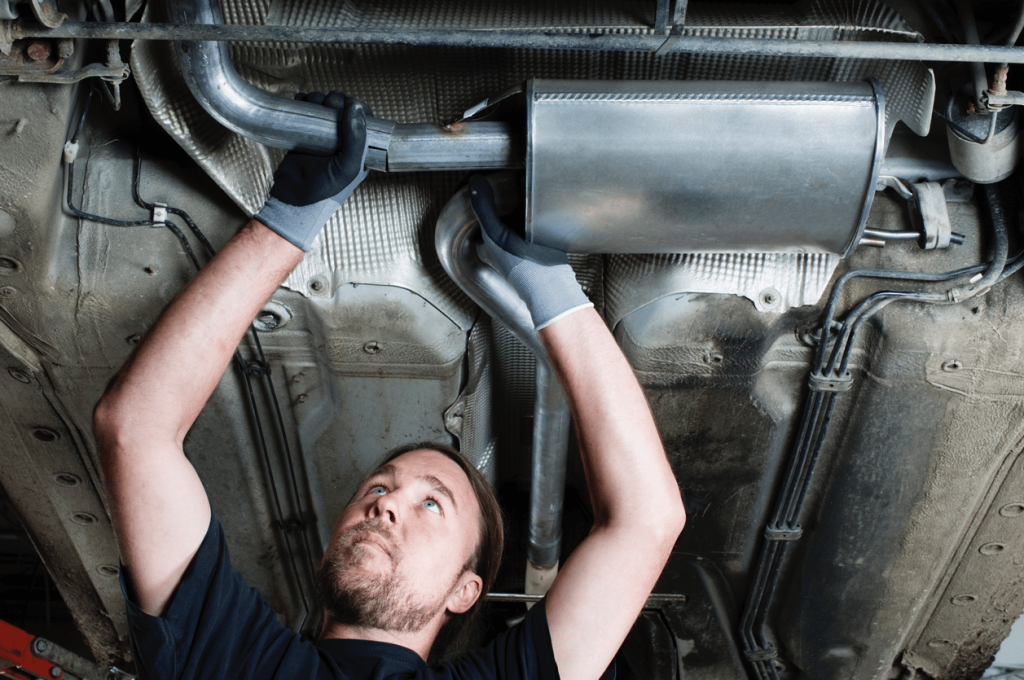
Are you wondering how much an exhaust system really costs? Whether you’re fixing a noisy pipe or upgrading for better performance, knowing the price is crucial.
But the numbers can be confusing, and unexpected expenses may catch you off guard. This guide breaks down everything you need to know about exhaust system costs, so you can make smart decisions without stress. Keep reading to find out what affects the price and how to get the best value for your money.

Credit: www.youtube.com
Factors Affecting Exhaust System Cost
The cost of an exhaust system varies widely based on several key factors. Understanding these factors helps you plan your budget better.
Each part of the exhaust system and its installation can influence the final price. Let’s explore what affects this cost.
Type Of Exhaust System
Different types of exhaust systems come with different price tags. Basic systems cost less, while performance or custom systems are more expensive.
- Single exit exhausts are usually cheaper.
- Dual exit exhausts cost more due to extra parts.
- Performance exhausts use advanced designs and materials.
- Custom exhausts require special fabrication and parts.
Material Choices
The material used in the exhaust affects durability and price. Common materials include steel, aluminized steel, and stainless steel.
| Material | Cost | Durability |
| Steel | Low | Low |
| Aluminized Steel | Medium | Medium |
| Stainless Steel | High | High |
Vehicle Make And Model
Exhaust system costs vary by vehicle type. Some cars need specific parts that cost more to replace or repair.
Luxury or performance cars usually have higher costs. Older or rare models may need custom parts, raising the price.
Labor And Installation Fees
Labor charges depend on the complexity of the installation. Simple replacements cost less time and money.
- Type of exhaust system
- Vehicle accessibility
- Shop hourly rates
- Additional repairs needed
Price Range For Different Exhaust Systems
Exhaust systems are essential for vehicle performance and sound. They come in various types, each with a different price range. Understanding these options can help you choose the right exhaust for your car.
Let’s explore the costs associated with stock, aftermarket, custom, and high-end exhaust systems. Each type offers unique benefits and price points.
Stock Exhaust Systems
Stock exhaust systems are the standard option provided by vehicle manufacturers. They are designed to meet basic performance and noise requirements.
- Price Range: $300 – $1,200
- Advantages: Affordable, reliable, and easy to replace
- Disadvantages: Limited performance enhancements
Aftermarket Performance Exhausts
Aftermarket performance exhausts are designed to enhance power and sound. They offer better flow and are popular among car enthusiasts.
| Price Range | $500 – $2,500 |
| Benefits | Improved horsepower and sound |
| Drawbacks | Higher cost than stock systems |
Custom Exhaust Systems
Custom exhaust systems are tailored to fit specific needs and preferences. They offer unique designs and performance levels.
Price Range: Typically starts at $1,000 and can go much higher based on materials and design.
Pros: Completely customizable to fit your vehicle’s needs.
Cons: Can be expensive and time-consuming to install.
High-end Exhaust Options
High-end exhaust options are crafted for luxury and performance vehicles. They use premium materials and technology.
- Price Range: $2,000 – $10,000+
- Features: Advanced materials like titanium and carbon fiber
- Target Audience: Luxury vehicle owners seeking top-tier performance
Cost Breakdown Of Exhaust Components
The exhaust system plays a key role in your vehicle’s performance and emissions. Understanding the cost of each part helps you plan repairs or upgrades.
This guide breaks down the prices of the main exhaust system components. You will learn what affects the cost and what to expect for each part.
Headers And Manifolds
Headers and manifolds collect exhaust gases from the engine cylinders. They come in different materials and designs that affect the price.
- Cast iron manifolds: $50 to $150
- Steel or stainless steel headers: $150 to $500
- High-performance headers: $400 to $1,200
Catalytic Converters
Catalytic converters reduce harmful emissions. Their cost depends on vehicle type and emission standards.
| Type | Price Range |
|---|---|
| Universal converter | $100 – $300 |
| Direct fit converter | $200 – $800 |
| High-flow converter | $300 – $1,000 |
Mufflers
Mufflers reduce noise from the exhaust system. Prices vary by style and sound quality.
- Basic mufflers: $40 to $100
- Performance mufflers: $100 to $300
- Custom mufflers: $300 to $700
Pipes And Clamps
Pipes and clamps connect all parts of the exhaust system. They are usually the least expensive components.
| Component | Estimated Cost |
|---|---|
| Exhaust pipes | $20 – $150 |
| Clamps and hangers | $5 – $50 |
| Gaskets | $10 – $40 |

Credit: www.spelabautoparts.com
Diy Vs Professional Installation Costs
Replacing an exhaust system can save money or cost more, depending on who does it. Doing it yourself may lower labor costs but needs tools and time. Hiring a professional adds labor fees but ensures expert work and safety.
Knowing the differences in costs and effort helps you decide the best option. This guide looks at tools, time, and risks for DIY versus professional exhaust system installation.
Tools And Equipment Needed
DIY installation requires many tools you might not own. Some parts need special equipment for safe removal and fitting. Professionals use advanced tools designed for exhaust work.
- Socket wrenches and ratchets
- Jack stands or vehicle ramps
- Exhaust pipe cutter or saw
- Torque wrench
- Penetrating oil for rusted bolts
- Protective gloves and safety glasses
Time Investment
DIY installation can take several hours, especially for beginners. Removing old parts may be slow if bolts are rusted. Professionals usually finish the job faster.
- DIY: 3 to 6 hours or more
- Professional: 1 to 2 hours
- Extra time needed if parts are stuck or damaged
Risks Of Diy Installation
DIY exhaust installation can lead to errors that affect car safety and performance. Incorrect fitting may cause leaks or damage. Lifting the car improperly can cause injuries.
- Improper sealing causing exhaust leaks
- Damage to other vehicle parts
- Personal injury from tools or lifting
- Voiding vehicle warranty
- Potential need for professional fix later
Ways To Save On Exhaust System Costs
Exhaust systems can be costly to replace or repair. Saving money on these parts helps keep your car in good shape without spending too much.
There are many ways to lower the price of an exhaust system. You can find good deals by choosing used parts or looking for discounts.
Buying Used Or Refurbished Parts
Used or refurbished exhaust parts cost less than new ones. These parts come from cars that are no longer in use but still have good components.
Make sure to buy from a trusted seller. Check the condition and warranty before buying. This can save you a lot without losing quality.
Promotions And Discounts
Many shops offer sales or discounts on exhaust systems. Look for seasonal deals or special offers to reduce costs.
Sign up for newsletters or follow stores on social media to get updates on promotions. These savings can add up quickly.
Choosing The Right Shop
Picking a good repair shop can save money on labor costs. Some shops charge less or offer package deals on parts and labor.
Ask for quotes from different shops. Compare prices and services to find the best value for your money.
Regular Maintenance Tips
Keeping your exhaust system in good shape lowers repair costs. Regular checks help find small issues before they get worse.
- Check for leaks and rust often
- Clean the exhaust system regularly
- Fix small problems early
- Use quality fuel and oil to protect parts
Signs You Need A New Exhaust System
The exhaust system helps your car run smoothly and safely. Over time, it can wear out or get damaged. Knowing the signs of a bad exhaust system can save you money and keep your car safe.
Check for problems early to avoid bigger issues. Here are the main signs that show you might need a new exhaust system.
Performance Issues
A damaged exhaust system can reduce your car’s power and fuel efficiency. Your engine may feel weaker or slower than usual. It can also cause your car to use more gas than normal.
If your car has trouble accelerating or if the engine stalls, the exhaust system might be the cause. These problems happen because exhaust gases are not flowing properly.
Unusual Noises
Loud or strange noises coming from your car’s exhaust area often mean damage. You might hear a hissing, popping, or rumbling sound. These noises show leaks or broken parts in the exhaust system.
Listen carefully when you start the engine or drive. If the sounds get worse over time, it is a clear sign you need a new exhaust system.
Emission Problems
A bad exhaust system can cause your car to fail emissions tests. You might see a warning light on the dashboard, like the check engine light. This happens because harmful gases are not filtered correctly.
Excess smoke or strong smells from the exhaust pipe also mean emission problems. These signs show the system is not working properly and needs repair or replacement.
Visible Damage
Look under your car to check the exhaust system. Rust, holes, or cracks on pipes and mufflers are clear signs of damage. These issues can cause leaks and reduce the system’s efficiency.
Loose or hanging parts are also a warning. If you see any broken or worn parts, it is time to replace the exhaust system to avoid bigger problems.

Credit: www.bumper.co
Frequently Asked Questions
How Much Does A Typical Exhaust System Cost?
A standard exhaust system usually costs between $300 and $1,200. Prices vary by vehicle type and system quality. Labor fees may add $100 to $300. High-performance or custom systems cost more, sometimes exceeding $2,000. Always compare parts and installation prices for best deals.
What Factors Influence Exhaust System Prices?
Exhaust system costs depend on material, vehicle model, and brand. Stainless steel systems are pricier but last longer. Labor complexity and location also affect installation costs. Custom or performance parts significantly increase prices. Regular maintenance can prevent expensive repairs or replacements later.
Can I Save Money Installing An Exhaust System Myself?
DIY installation can save $100 to $300 in labor fees. It requires tools, mechanical skills, and safety precautions. Incorrect installation may cause damage or void warranties. Watching tutorials and reading manuals helps. When unsure, professional installation ensures safety and proper function.
Are Aftermarket Exhaust Systems More Expensive?
Aftermarket exhaust systems can be pricier due to enhanced performance and sound. They offer better materials, design, and durability than stock parts. Prices range widely, depending on brand and features. Aftermarket upgrades may also require additional modifications, increasing overall costs.
Conclusion
The cost of an exhaust system depends on many factors. Parts, labor, and car type all affect the price. Choosing the right system can improve your car’s performance and sound. Remember to compare prices and quality before buying. Taking care of your exhaust helps your car run better and last longer.
A good exhaust system is an important investment for any vehicle owner. Keep these points in mind to make a smart choice.