Are you tired of your fishing line tangling or slipping off your reel? Knowing how to put fishing line on a reel the right way can make all the difference in your fishing experience.
Whether you’re a beginner or just need a quick refresher, this simple guide will help you set up your reel like a pro. Keep reading, and you’ll be ready to cast smoothly and catch more fish in no time!
Credit: www.epicflyrods.com
Choosing The Right Fishing Line
Choosing the right fishing line is important for a good fishing experience. The right line helps you catch fish easily and keeps your gear safe.
Fishing lines come in different types, strengths, and sizes. Picking the right one depends on what fish you want to catch and your fishing rod and reel.
Types Of Fishing Lines
There are three main types of fishing lines: monofilament, fluorocarbon, and braided. Each type has special features for different fishing needs.
- Monofilament:Easy to handle and stretchable. Good for beginners.
- Fluorocarbon:Hard to see underwater and sinks fast.
- Braided:Very strong and thin. Good for heavy fish.
Line Strength And Thickness
Line strength is called “pound test.” It shows how much weight the line can hold before breaking.
Thicker lines are stronger but harder to cast far. Thinner lines cast farther but can break easier.
- Choose stronger lines for big fish.
- Use thinner lines for small fish and long casts.
- Match line strength to your fishing style.
Matching Line To Reel And Rod
Your fishing line should fit your reel and rod. Check the reel’s capacity for line thickness and length.
Using the wrong line can cause problems like tangles or breakage. Pick a line that works well with your gear for best results.
- Look at the reel’s label for line size limits.
- Choose a line that matches the rod’s power and action.
- Balance line strength with your rod’s strength.

Credit: www.youtube.com
Preparing Your Reel
Fishing is a fun activity, but you need to set up your reel. Preparing your reel is the first step to a great fishing trip. This guide will help you get started.
Before you add a new fishing line, make sure your reel is ready. Let’s look at the key steps in preparing your reel.
Removing Old Line
Old fishing line can tangle and cause problems. It is important to remove it before adding a new line. This helps your reel work smoothly.
To remove the old line, unwind it from the reel. Use scissors to cut any knots. Make sure all the old line is off the reel.
Cleaning The Reel
Cleaning your reel helps it last longer. Dirt and salt can damage the reel parts. Use a soft cloth to wipe the reel. Be gentle to avoid scratches.
For hard-to-reach places, use a small brush. Make sure the reel is dry before using it again. Clean reels work better and make fishing easier.
Checking The Reel Components
Check all parts of your reel to make sure they work. Look for any signs of wear or damage. Replace any broken parts before you start fishing.
Make sure the handle turns smoothly. Check that the drag system is functioning properly. A well-checked reel helps you catch more fish.
- Inspect the reel seat for secure fitting
- Ensure the spool spins freely
- Test the bail for smooth opening and closing
Attaching The Line To The Reel
Attaching the fishing line correctly to the reel is key for a smooth fishing experience. It helps prevent line slipping and tangles.
Follow simple methods to secure your line firmly before you start casting or reeling in.
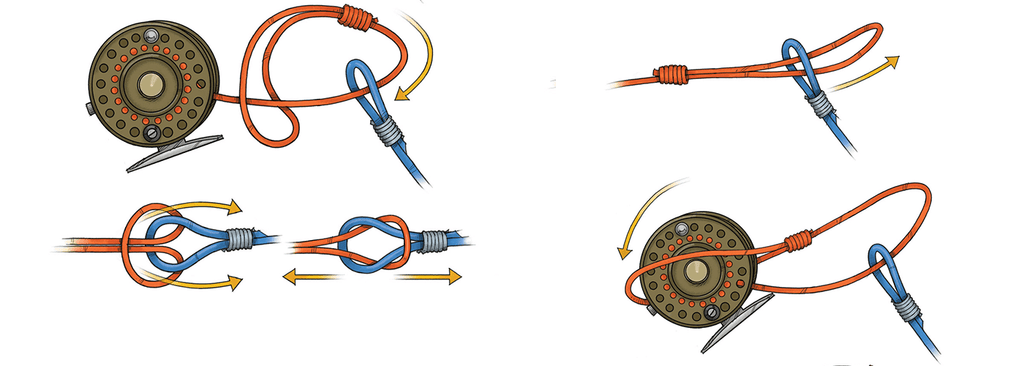
Securing The Line To The Spool
First, thread the fishing line through the reel’s guides and wrap it around the spool. Hold the line tight to avoid slack.
- Pass the line through the reel’s line guide.
- Wrap the line clockwise around the spool once.
- Keep the line taut during wrapping.
- Hold the line firmly to prevent slipping.
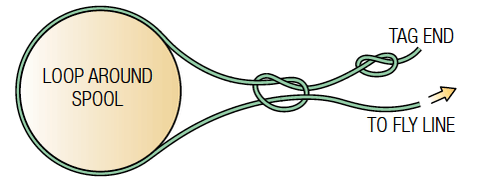
Tying The Arbor Knot
The arbor knot is strong and easy to tie. It attaches the line to the reel spool securely.
Follow these steps to tie the arbor knot:
- Wrap the line around the spool.
- Tie an overhand knot around the standing line.
- Make a second overhand knot at the tag end.
- Pull both knots tight against the spool.
- Trim the excess tag end.
Ensuring A Tight Knot
A tight knot keeps the line secure and stops it from slipping. Check the knot before you start fishing.
- Pull the line slowly to test the knot’s strength.
- Make sure the knot sits flush against the spool.
- If loose, retie the knot.
- Wet the knot with water or saliva to reduce friction.
Credit: windrider.com
Spooling The Line
Spooling the fishing line onto a reel is a key skill for anglers. It helps the line feed smoothly during fishing.
Proper spooling prevents line damage and tangles. Follow simple steps to load your reel correctly.
Maintaining Proper Tension
Keeping the right tension on the line stops loose loops from forming. Loose loops cause tangles and knots.
Use your fingers or a cloth to hold the line tight as you spool. This control keeps the line snug on the reel.
- Hold the line firmly but do not stretch it.
- Ask someone to help hold the spool if needed.
- Keep consistent tension throughout spooling.
Winding The Line Evenly
Wind the line evenly across the reel spool. Uneven line causes poor casting and tangles.
Move the line guide or your fingers side to side as you reel in. This spreads the line in smooth layers.
- Do not let the line pile up in one spot.
- Check the spool often for even coverage.
- Stop if you see bunching or gaps in the line.
Avoiding Line Twist And Overfill
Line twist causes knots and weak spots. It happens if the line spins too much during spooling.
Overfilling the spool leads to line popping off during casting. Leave some space at the top of the spool.
- Let the line spool off the reel spool, not the line spool.
- Use swivel or line conditioner to reduce twist.
- Fill the spool to about 1/8 inch below the rim.
Final Checks And Tips
After putting fishing line on your reel, it is important to do some final checks. These help ensure your setup works well and lasts longer. Follow simple tips to keep your reel in top condition.
Focus on trimming excess line, testing the reel, and storing it properly. Each step helps avoid problems during fishing.
Trimming The Excess Line
Cut the extra fishing line near the reel spool. Leave a small length to avoid slipping. Use sharp scissors or a line cutter for a clean cut.
- Leave about 1/8 inch of line beyond the spool edge
- Make a straight cut to prevent fraying
- Secure the line end with a small piece of tape if needed
- Check that the line is snug but not too tight on the spool
Testing The Reel Function
Test the reel by turning the handle to check smoothness. Make sure the line moves freely without catching. Check the drag system by pulling the line gently.
| Test | What to Check | Result |
| Handle Turn | Reel spins smoothly | Easy, no resistance |
| Line Movement | Line feeds and retrieves freely | No snags or binding |
| Drag Test | Drag releases line under pressure | Adjustable and consistent |
Storing The Reel Properly
Store your reel in a dry, cool place. Keep it away from direct sunlight and moisture. This prevents damage and rust.
- Loosen the drag to reduce pressure on internal parts
- Use a reel cover or cloth bag for protection
- Keep the reel upright on a shelf or in a box
- Regularly clean and lubricate the reel before storing long-term
Frequently Asked Questions
How Do You Prepare A Fishing Reel For Line?
First, clean the reel and remove old line. Next, thread the new line through the rod guides. Attach the line to the reel spool securely before winding it evenly. Proper preparation ensures smooth casting and prevents line tangles.
What Is The Best Way To Attach Fishing Line?
Use an arbor knot to tie the fishing line to the reel spool. This knot is strong and reliable. Make sure the knot is tight and trim any excess line. A secure attachment prevents slippage during casting and retrieval.
How Much Fishing Line Should You Put On A Reel?
Fill the spool to about 1/8 inch below the reel’s lip. Overfilling can cause tangles, while underfilling reduces casting distance. Proper line amount improves reel performance and fishing experience.
Can You Use Any Fishing Line On Any Reel?
Most reels work with monofilament, fluorocarbon, or braided lines. However, check the reel’s specifications for recommended line type and weight. Using the correct line prevents damage and optimizes reel function.
Conclusion
Putting fishing line on a reel is simple with the right steps. Start by attaching the line securely to the reel spool. Keep the line tight while winding to avoid tangles. Check the line regularly for knots or damage. Practice makes this process easier and faster.
A well-loaded reel improves your fishing experience. Take your time, and enjoy your time by the water. Fishing becomes more fun with a smooth, properly loaded reel. Try it today and see the difference yourself!