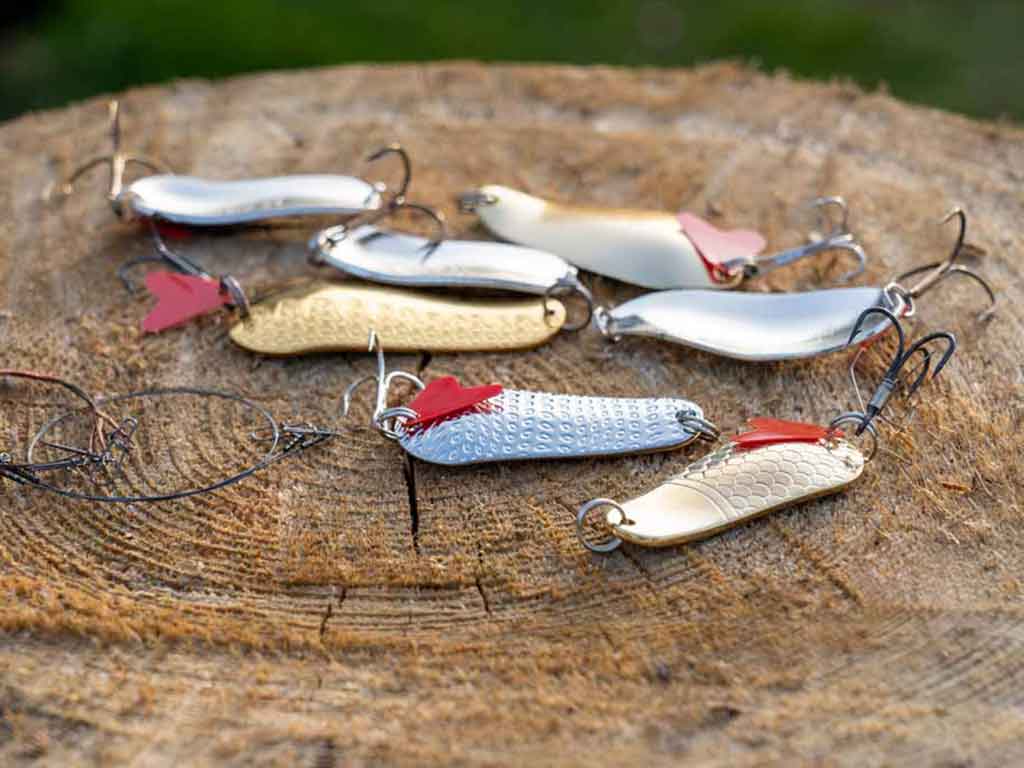
If you want to catch more fish and enjoy your time on the water, learning how to use a spoon fishing lure is a smart move. This simple yet effective lure can attract a wide variety of fish, making your fishing trips more successful and exciting.
Whether you’re a beginner or have some experience, understanding the right techniques will help you get the best results. Keep reading, and you’ll discover easy tips that will boost your fishing game and make every cast count.
Choosing The Right Spoon Lure
Spoon fishing lures are popular for their simple design and effective action. Choosing the right spoon lure can increase your chance of catching fish.
Consider the type, size, and color of the lure. These factors help match the lure to the fish you want to catch.
Types Of Spoon Lures
Spoon lures come in different shapes and weights. Each type works best in certain water conditions and fish habits.
- Standard spoons have a curved shape that creates a wobbling action.
- Swedish-style spoons are long and narrow with a fluttering motion.
- Flutter spoons are lightweight and fall slowly to attract fish near the surface.
- Heavy spoons sink quickly, good for deep water fishing.
Matching Lure Size To Fish Species
Choose a lure size that fits the size of the fish you want to catch. Small lures work for small fish, and big lures attract larger fish.
Using the right size helps the fish see the lure as natural prey. It also makes casting easier and improves lure action.
- Small fish (trout, panfish): use 1/8 to 1/4 ounce spoons.
- Medium fish (bass, walleye): use 1/4 to 1/2 ounce spoons.
- Large fish (pike, salmon): use 1/2 ounce and heavier spoons.
Selecting Colors And Finishes
Color and finish affect how visible the lure is in the water. Choose colors based on water clarity and light conditions.
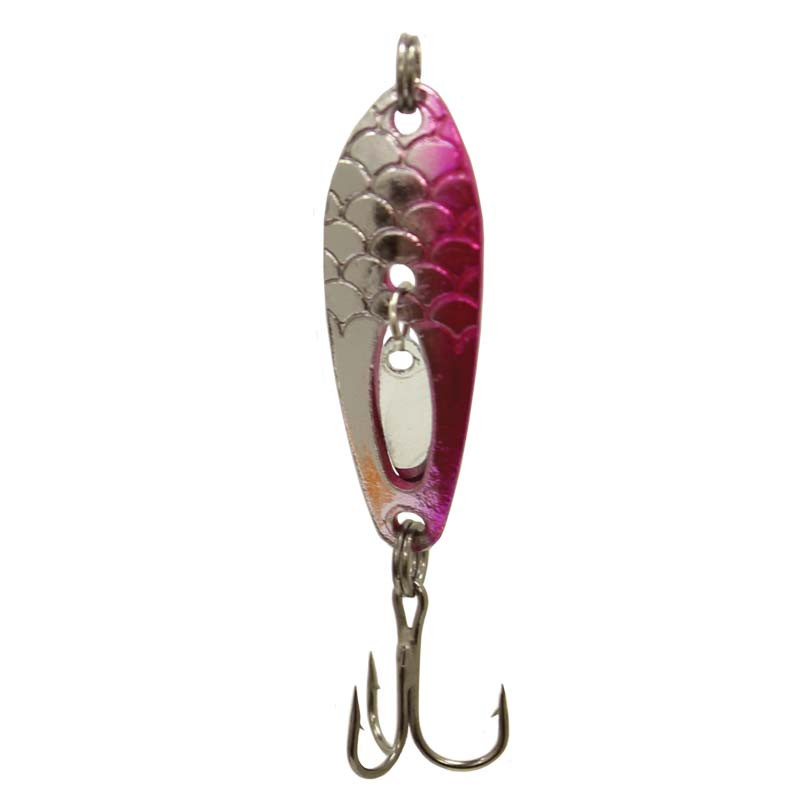
Bright colors work well in murky water. Natural colors suit clear water and sunny days. Reflective finishes catch light and attract fish.
- Silver and chrome reflect light well in clear water.
- Gold and brass are good for stained or murky water.
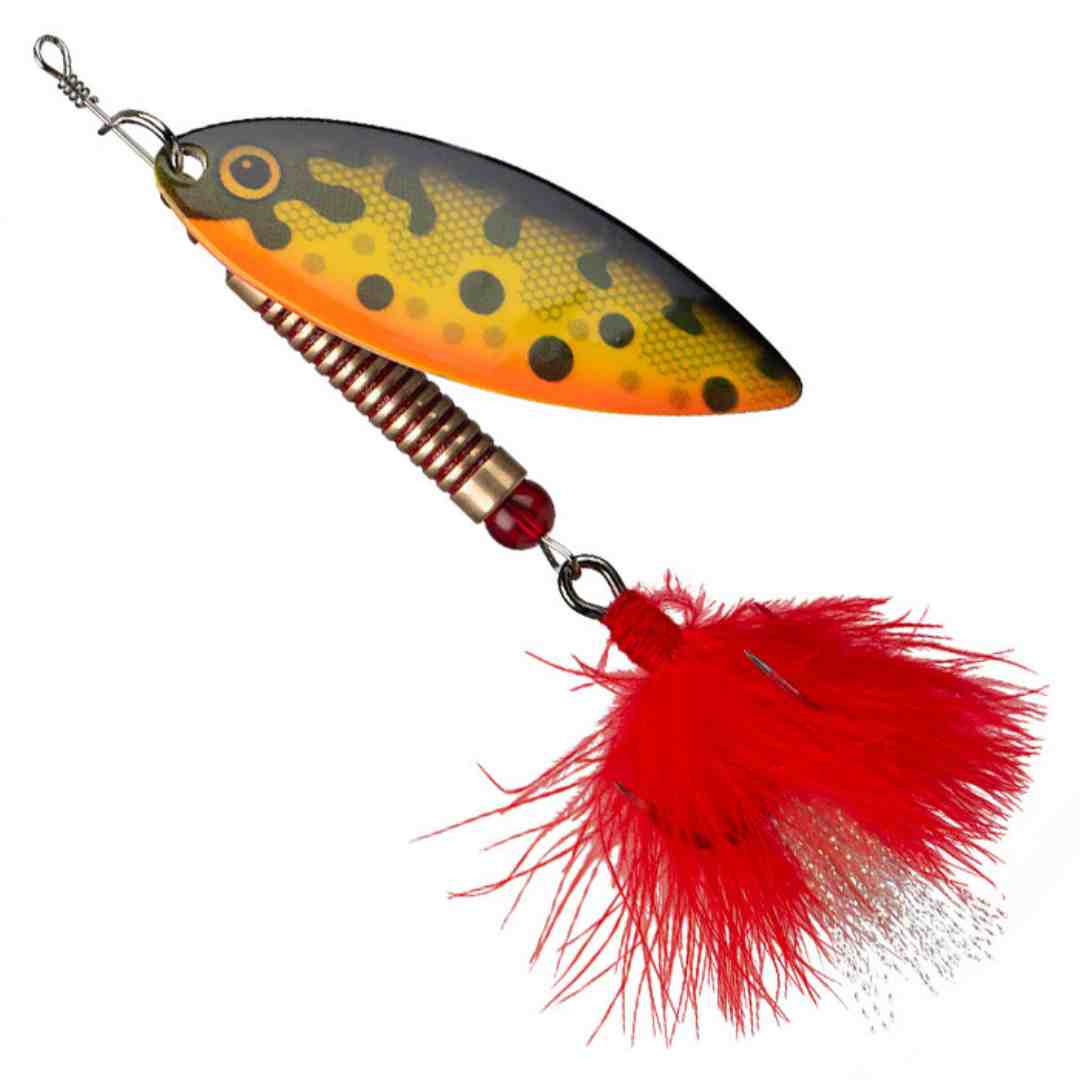
- Bright colors like red, orange, or chartreuse stand out in low light.
- Matte finishes reduce glare in very bright conditions.
Credit: www.anglingdirect.co.uk
Essential Fishing Gear
Fishing with a spoon lure can be exciting and rewarding. Having the right gear is important to improve your chances of success.
In this guide, we will discuss essential fishing gear. You will learn about rod and reel setup, line selection, and additional tackle.
Rod And Reel Setup
A good rod and reel are important for using a spoon lure. Choose a medium-action rod for flexibility and control.
Use a spinning reel that matches your rod. This helps you cast the spoon lure accurately and smoothly.
- Medium-action rod for better control
- Spinning reel for smooth casting
- Ensure balance between rod and reel
Line Selection Tips
The fishing line is crucial for successful fishing with a spoon lure. Select a line that suits the water conditions and fish type.
Monofilament lines are good for beginners. They are flexible and easy to handle.
- Choose monofilament for flexibility
- Consider line strength based on fish size
- Match line color to water clarity
Additional Tackle And Accessories
Along with a rod, reel, and line, other tackle can help. A tackle box with compartments keeps everything organized.
Use swivels to prevent line twists. Hooks and sinkers are also helpful when using a spoon lure.
- Tackle box for organization
- Swivels to prevent line twists
- Hooks and sinkers for added control
Casting Techniques
Using a spoon fishing lure well depends on how you cast it. Good casting helps the lure reach the right spot and look natural.
This guide explains casting techniques to improve your fishing with a spoon lure.
Basic Casting Methods
The most common way to cast a spoon lure is the overhead cast. Hold the rod with both hands and swing it behind you. Then bring it forward smoothly to release the lure.
The sidearm cast is useful for casting under trees or near bushes. Keep your arm low and swing the rod sideways to release the lure.
- Overhead cast: good for open spaces
- Sidearm cast: best for tight spots
- Roll cast: useful when space behind you is limited
Maximizing Distance And Accuracy
To cast far, use a smooth and strong motion. Avoid jerking the rod. Let the lure fly freely without touching the water too soon.
For accuracy, aim at a specific spot. Watch the lure and adjust your cast if it lands off target. Keep your wrist firm but flexible.
- Use a smooth casting motion
- Keep your wrist steady
- Practice aiming at small targets
- Release the lure at the right moment
Adjusting For Wind And Water Conditions
Wind can push your lure off course. Cast into the wind to keep control. Use a heavier spoon if the wind is strong.
Water currents affect the lure’s movement. Cast slightly upstream to let the lure move naturally with the flow. Watch how the lure behaves and change your cast if needed.
- Cast into the wind for better control
- Choose heavier lures in strong wind
- Cast upstream in flowing water
- Adjust casting angle for current changes
Retrieval Strategies
Using a spoon fishing lure needs the right retrieval method. How you pull the lure affects fish interest. Different techniques work for different fish and conditions.
Try changing your retrieval style to find what attracts fish the most. Here are some key strategies to use with spoon lures.
Steady Retrieve Variations
A steady retrieve means pulling the lure at a constant speed. This imitates a swimming baitfish. You can change this by adjusting the speed or rod position.
- Slow steady retrieve works well in cold water.
- Medium speed can trigger strikes from active fish.
- Use a fast retrieve to attract aggressive fish.
- Try raising and lowering the rod tip to change lure depth.
Pause And Twitch Actions
Pausing the lure lets it flutter down naturally. Twitching makes it dart side to side. These actions mimic injured prey and can trigger strikes.
| Action | Effect |
| Pause | Lure flutters down, looks like a falling baitfish. |
| Twitch | Quick side movement, imitates a startled fish. |
| Pause + Twitch | Combines flutter and dart to attract attention. |
Speed Adjustments For Different Fish
Different fish prefer different lure speeds. Adjust your retrieval speed based on the fish you want to catch.
- Trout often respond to slow, steady retrieves.
- Bass may prefer quick retrieves with pauses.
- Pike like fast, erratic movements.
- Walleye often hit during slow, twitching retrieves.
Reading Water And Fish Behavior
Understanding water conditions and fish behavior helps you use a spoon fishing lure better. Fish react to their environment in many ways. Watching the water can show where fish might be feeding.
Knowing when and where fish are active increases your chances of catching them. This guide covers how to spot feeding zones, plan fishing trips, and adjust for seasonal changes.
Identifying Feeding Zones
Feeding zones are areas where fish search for food. Look for spots with moving water, like near rocks or logs. Fish often gather where currents bring insects or smaller fish.
- Look for ripples or bubbles on the water surface
- Check shaded areas under trees or overhanging banks
- Observe places with sudden depth changes or drop-offs
- Watch for fish jumping or splashing on the surface
Timing Your Fishing Trips
Fish feed more at certain times of the day. Early morning and late afternoon are often best. Fish also respond to weather changes like rain or temperature shifts.
| Time of Day | Fish Activity Level |
|---|---|
| Early Morning | High |
| Midday | Low |
| Late Afternoon | High |
| Night | Moderate |
Adapting To Seasonal Changes
Fish behavior changes with seasons. Water temperature, food supply, and daylight affect their habits. Knowing these changes helps you pick the right lure speed and depth.
Use this seasonal guide to adjust your fishing strategy:
- Spring:Fish move to shallow water; use slow lure retrieves.
- Summer:Fish stay deeper and seek shade; use faster lure action.
- Fall:Fish feed actively before winter; try varied lure speeds.
- Winter:Fish slow down; use very slow and light lure movements.
Common Mistakes To Avoid
Using a spoon fishing lure can be simple and fun. Many anglers make mistakes that reduce their chances of catching fish.
Avoiding common errors will help you get better results and enjoy your fishing trips more.
Overworking The Lure
Moving the spoon lure too fast or too much can scare fish away. The lure should mimic a small fish or injured bait.
Keep a steady and natural pace. Stop jerking or twitching the lure too often.
- Use slow, smooth retrieves
- Pause occasionally to imitate injured prey
- Avoid fast or erratic movements
Ignoring Weather Impact
Weather affects how fish react to your lure. Bright sun or strong winds change their feeding behavior.
Adjust your fishing style based on weather conditions. Fish may be less active in harsh weather.
- Use lighter lures on calm, sunny days
- Try heavier spoons in windy conditions
- Fish slower when water is cold or cloudy
Using Incorrect Tackle
Using the wrong rod, reel, or line can make fishing harder. Spoon lures need the right gear to work well.
Choose tackle that matches the size and weight of the spoon. This helps you cast better and control the lure.
- Use medium-action rods for most spoon lures
- Pick reels that handle smooth line release
- Match line strength to lure size and fish type
Tips For Landing Big Catches
Using a spoon fishing lure can help catch big fish. It shines and moves like a small fish. This attracts larger fish to bite.
To catch the biggest fish, use the right techniques. Knowing how to set the hook and handle the fish is key. Tools like nets also help secure your catch.
Hook Setting Techniques
When a fish bites the spoon lure, set the hook quickly. Pull the rod back with a sharp, steady motion. This keeps the hook in the fish’s mouth.
- Feel for the bite carefully.
- Pull the rod back firmly but not too hard.
- Keep your line tight to avoid losing the fish.
- Do not jerk the rod too fast to avoid breaking the line.
Playing The Fish
After setting the hook, play the fish with patience. Let the fish tire itself out by pulling gently. Avoid forcing the fish in one direction.
| Action | Purpose |
| Pull line slowly | Tire out the fish |
| Let fish run | Prevent line break |
| Keep rod tip up | Maintain tension |
| Adjust drag | Control fish strength |
Using Nets And Other Tools
Use a landing net to secure big fish once close to the shore or boat. Nets prevent the fish from escaping at the last moment.
- Choose a net with a large hoop and deep mesh.
- Approach the fish slowly to avoid scaring it.
- Guide the fish into the net gently but firmly.
- Use pliers to remove the hook carefully.
- Keep a towel handy to hold the fish securely.

Credit: www.youtube.com
Credit: theoutdoorsman.ca
Frequently Asked Questions
What Is A Spoon Fishing Lure Used For?
A spoon fishing lure mimics injured baitfish to attract predatory fish. It’s effective for species like trout, bass, and pike. Its reflective surface creates flashes underwater, enticing strikes.
How Do You Properly Cast A Spoon Lure?
Cast the spoon lure beyond your target area. Use a smooth, steady motion to avoid tangles. Retrieve it with varied speeds to mimic injured prey and trigger bites.
What Retrieval Techniques Work Best With Spoon Lures?
Try steady, slow, or stop-and-go retrievals. Vary speed to imitate a wounded fish. Pausing occasionally can provoke strikes from hesitant fish.
When Is The Best Time To Use A Spoon Lure?
Early morning and late evening are ideal. Fish are more active during low light. Spoon lures work well in clear or slightly murky water at these times.
Conclusion
Spoon fishing lures attract many types of fish with their shiny look. Cast your lure and vary your retrieval speed to find what works best. Pay attention to water depth and fish behavior for better results. Practice helps you understand the lure’s movement and improve your catch.
Keep your gear ready and enjoy the peaceful time by the water. Fishing with a spoon lure brings fun and good chances to catch fish. Give it a try and enjoy every moment outdoors.