Have you ever wondered exactly how cold your air conditioner can get? When the summer heat feels unbearable, you want your AC to cool your space quickly and effectively.
But is there a limit to how low the temperature can go? Understanding how cold an air conditioner gets can help you set realistic expectations and get the most comfort from your unit. Keep reading to discover the surprising facts about your AC’s cooling power—and how to make it work best for you.

Credit: www.lifestylewarehouse.co.uk
Ac Cooling Basics
Air conditioners cool indoor air by removing heat and moisture. They make rooms more comfortable during hot weather.
Understanding how air conditioners work helps you use them better and keep your space cool.
How Air Conditioners Work
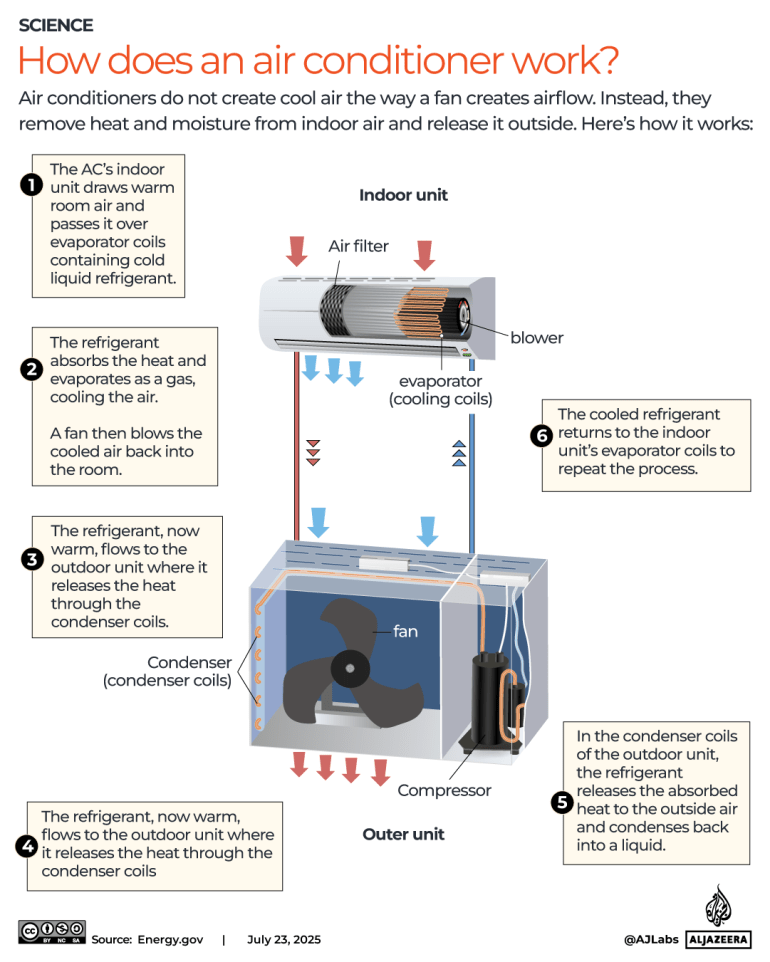
An air conditioner moves heat from inside your home to the outside. It uses a refrigerant that absorbs heat and cools the air.
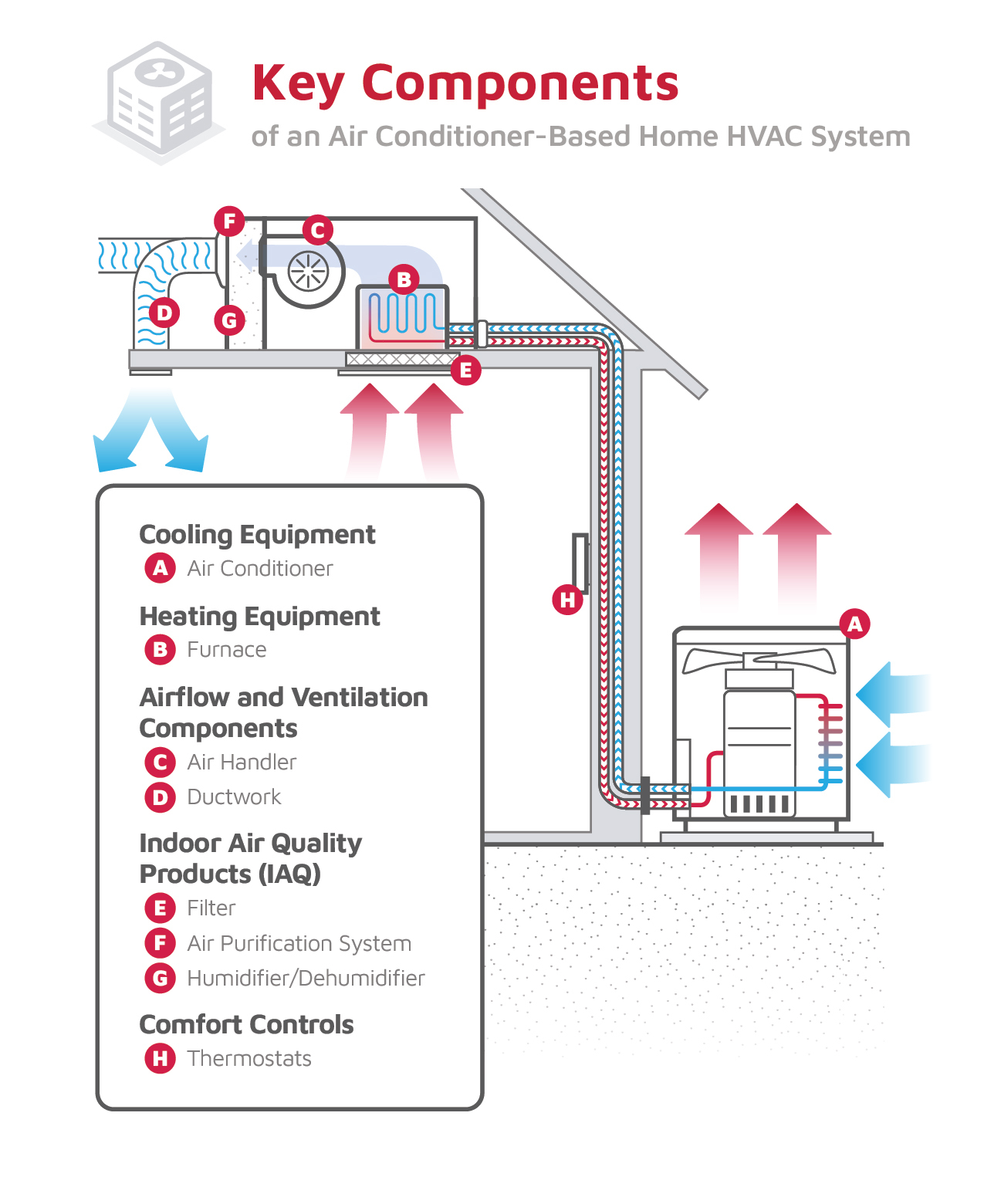
The main parts include the compressor, condenser, expansion valve, and evaporator coil. These parts work together to cycle the refrigerant.
- The compressor pumps refrigerant through the system.
- The condenser releases heat outside.
- The expansion valve controls refrigerant flow.
- The evaporator coil cools the indoor air.
Factors Affecting Cooling
Several factors change how cold an air conditioner can get your room. They affect cooling speed and temperature.
| Factor | Description |
| Room Size | Larger rooms need more cooling power. |
| Insulation | Good insulation keeps cool air inside. |
| Outdoor Temperature | Hotter outside air makes cooling harder. |
| Unit Size | Right size prevents over or under cooling. |
| Airflow | Clear vents help cool air circulate well. |
Types Of Air Conditioners
There are many types of air conditioners. Each works well for different spaces and needs.
- Window ACs are simple and fit in a window opening.
- Split ACs have separate indoor and outdoor units.
- Portable ACs can move from room to room.
- Central ACs cool whole buildings through ducts.
Credit: www.lennox.com
Temperature Range Of Ac Units
Air conditioners help cool our homes and make us comfortable. They work by removing heat from the air inside your house. Knowing the temperature range of an AC unit helps you set it for the best comfort.
Most AC units have a range they can cool to. Understanding this range helps you use your AC efficiently and save energy.
Typical Cooling Temperatures
Most air conditioners cool between 60°F and 78°F. This is the normal range for most homes. It helps keep rooms comfortable during hot days.
Setting your AC to around 72°F is common. This temperature feels cool without using too much energy.
Minimum And Maximum Settings
The minimum setting on most AC units is about 60°F. This is the coldest temperature they can reach. The maximum setting is usually around 78°F or higher.
Using extreme settings can strain your AC unit. It’s best to keep the temperature within the typical range.
- Minimum: 60°F
- Maximum: 78°F or higher
- Recommended: 72°F
Impact Of Outdoor Temperature
Outdoor temperature affects how well your AC cools. When it’s very hot outside, your AC works harder to cool your home. This can impact how cold your AC can get.
On cooler days, your AC might not need to work as hard. This helps it maintain a steady indoor temperature more easily.
- Hot days require more cooling power
- Cooler days ease the AC’s workload
- Adjust settings based on outside weather
Improving Ac Cooling Efficiency
Air conditioners help keep rooms cool during hot days. Knowing how cold an AC can get is useful. Improving its cooling efficiency saves energy and money.
Many factors affect AC performance. This guide covers tips for better cooling and lower bills.
Proper Installation Tips
Correct installation is key to good cooling. Place the AC where it gets good airflow. Avoid direct sunlight on the unit. Make sure the unit is level and sealed well.
- Install the outdoor unit in a shaded spot
- Keep indoor vents clear of furniture and curtains
- Seal gaps around pipes and wires
- Use proper size AC for the room space
- Check refrigerant levels after installation
Maintenance For Optimal Cooling
Regular maintenance keeps the AC working well. Clean or replace filters monthly. Dirty filters reduce airflow and cooling power.
| Maintenance Task | Frequency |
| Clean or Replace Air Filters | Every 1 month |
| Check Refrigerant Levels | Yearly |
| Clean Evaporator and Condenser Coils | Yearly |
| Clear Drain Lines | Every 6 months |
| Inspect Electrical Components | Yearly |
Using Thermostats Effectively
Thermostats control room temperature. Set the thermostat to a comfortable but efficient level. Avoid setting it too low. Use programmable thermostats to save energy.
- Set temperature between 75°F and 78°F (24°C to 26°C)
- Use timers to turn off AC when not needed
- Keep thermostat away from heat sources
- Use fan mode to circulate air without cooling
Common Cooling Issues
Air conditioners sometimes do not cool as well as expected. Many problems can cause this issue. Knowing common cooling issues helps fix the problem faster.
Below are common reasons why an air conditioner may not get cold enough. Understanding these can help you identify and solve the problem.
Why Ac Isn’t Cold Enough
An air conditioner may not cool properly if it has mechanical or electrical issues. Dirty filters or blocked vents reduce cooling power. Sometimes, the thermostat settings are wrong.
Regular maintenance and checking basic settings can improve your AC’s cooling performance. Ignoring small problems can make the AC less effective.
Signs Of Refrigerant Problems
Refrigerant is the substance that cools the air inside your home. Low refrigerant levels or leaks stop the AC from cooling well. You may notice warm air or longer cooling times.
Other signs include ice build-up on the coils and hissing sounds near the outdoor unit. These signs mean the refrigerant needs attention from a professional.
- Warm air blowing from vents
- Longer running times
- Ice on the evaporator coil
- Hissing or bubbling noises
Dealing With Airflow Blockages
Airflow blockages reduce the amount of cool air your AC can deliver. Dust, dirt, and debris can clog filters and vents. Closed or blocked registers also stop airflow.
Check and clean air filters regularly. Keep vents clear and open. Fix any ductwork damage to ensure air flows freely through the system.
- Replace or clean air filters monthly
- Remove objects blocking vents
- Keep doors and windows closed during cooling
- Inspect ducts for leaks or damage
Energy Considerations
Air conditioners cool your space by removing heat and lowering the air temperature. This process needs energy, so it is important to think about how much power your AC uses.
Using less energy saves money and helps the environment. Knowing how to balance comfort and energy use can help you get the best results from your air conditioner.
Balancing Comfort And Power Use
Setting your air conditioner too cold uses a lot of power. It can also make your home too chilly and dry. Finding the right temperature helps keep you comfortable without wasting energy.
Try to keep the temperature around 24 to 26 degrees Celsius (75 to 78 degrees Fahrenheit). This range cools the room well and saves energy.
Energy-saving Cooling Strategies
There are simple ways to help your air conditioner use less energy. These tips reduce power use while keeping your space cool.
- Use fans to circulate air and feel cooler
- Keep curtains closed during the hottest part of the day
- Seal windows and doors to stop cool air from escaping
- Turn off the AC when no one is home
- Regularly clean or replace air filters
Choosing Energy-efficient Models
Not all air conditioners use the same amount of energy. Look for models with high energy-efficiency ratings to save power and money.
Energy-efficient units cool well but use less electricity. They often have features like programmable timers and variable speeds.
- Check for Energy Star or similar energy labels
- Choose the right size for your room to avoid extra work
- Look for inverter technology for better efficiency
- Consider units with programmable thermostats
Advanced Cooling Technologies
Air conditioners use different technologies to cool rooms effectively. These technologies help control temperature and save energy.
Advanced cooling systems make air conditioners more efficient and eco-friendly. They also improve comfort by keeping the air just right.
Inverter Ac Systems
Inverter air conditioners adjust their compressor speed to cool the room faster. They do not just turn on or off like regular ACs.
This technology keeps the temperature steady and uses less electricity. It helps the AC get cold air quickly and maintain it without wasting power.
Smart Cooling Controls
Smart cooling controls use sensors to check the room temperature and humidity. They adjust the cooling automatically for comfort.
Users can control the AC with smartphones or voice commands. This lets people set the perfect temperature from anywhere.
- Automatic temperature adjustments
- Remote control via apps
- Energy-saving modes
Eco-friendly Refrigerants
Modern air conditioners use refrigerants that do less harm to the environment. These gases cool the air inside the AC unit.
Eco-friendly refrigerants reduce greenhouse gas effects and help fight climate change. They keep homes cool with less pollution.
- Lower global warming potential
- Safer for the ozone layer
- Efficient cooling performance

Credit: www.advantageairtech.com
Frequently Asked Questions
How Cold Can An Air Conditioner Get Indoors?
An air conditioner typically cools indoor air to around 60-70°F (15-21°C). Exact temperature depends on settings, room size, and insulation quality.
What Factors Affect An Ac’s Cooling Temperature?
Cooling depends on unit capacity, outdoor temperature, humidity, air flow, and thermostat settings. Proper maintenance also ensures efficient cooling.
Can An Air Conditioner Cool Below 60°f?
Most residential AC units struggle to cool below 60°F. Achieving lower temperatures requires specialized or commercial cooling systems.
How Does Room Size Impact Ac Cooling Efficiency?
Larger rooms need higher-capacity AC units to cool effectively. An undersized unit may not reach desired temperatures efficiently.
Conclusion
Air conditioners cool air by removing heat and moisture. The temperature they reach depends on settings and room size. Most units cool to around 60-70 degrees Fahrenheit. Proper maintenance helps keep them working well. Fans and insulation also affect how cold a room feels.
Knowing how cold an air conditioner can get helps you set realistic expectations. Stay comfortable by using your air conditioner wisely.