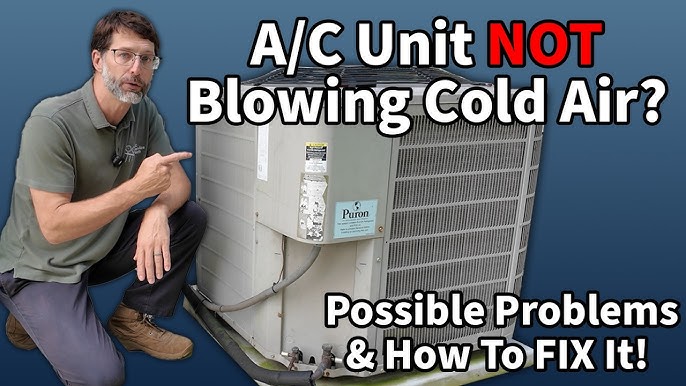
Is your air conditioner running but not cooling your space? That’s frustrating, especially when the heat feels unbearable.
You might be wondering what’s wrong and how to fix it quickly. Don’t worry—you’re not alone, and there are simple steps you can take right now. You’ll discover easy solutions to get your AC back to cooling efficiently. Keep reading, because the comfort you deserve is just a few fixes away.

Credit: thefurnaceoutlet.com
Check The Thermostat Settings
Your air conditioner may not cool if the thermostat settings are wrong.
Checking the thermostat is the first step to fix the cooling issue.
Ensure Proper Temperature Setting
Make sure the thermostat temperature is set below the current room temperature. This tells the AC to start cooling.
- Check if the temperature is set too high.
- Lower the temperature to a cooler setting.
- Wait a few minutes for the AC to respond.
Switch Between Cooling Modes
Thermostats often have different modes like Cool, Fan, and Auto.
| Mode | Function |
|---|---|
| Cool | Activates air conditioning to lower temperature. |
| Fan | Circulates air without cooling. |
| Auto | Automatically switches between cooling and fan. |
Switch to Cool mode if the AC is not cooling well.
Reset The Thermostat
Sometimes the thermostat needs a reset to work correctly.
- Turn off the thermostat.
- Remove batteries if it uses them.
- Wait one minute before replacing batteries or turning it on.
- Turn the thermostat back on.
- Set the desired temperature and mode again.

Credit: www.youtube.com
Inspect And Clean Air Filters
If your air conditioner is not cooling, the air filters might be dirty. Cleaning them can improve cooling efficiency.
Dirty filters can block airflow, causing your AC to work harder. Regular maintenance is key.
Locate The Air Filters
First, find where the air filters are in your air conditioner. They are usually behind a panel or grille.
You may need to check your user manual for the exact location. This ensures you do not damage any parts.
Remove And Clean Filters
Once located, gently remove the filters from the unit. Avoid using force to prevent any damage.
Clean the filters with water. Let them dry completely before placing them back. This prevents mold growth.
- Use a vacuum for light dirt
- Wash with mild soap and water for heavy dirt
- Dry in a shaded area
Replace If Necessary
If the filters are damaged, consider replacing them. New filters ensure better airflow and cooling.
Check your air conditioner’s model to buy the correct filter size. This will help maintain efficiency.
Examine The Outdoor Unit
The outdoor unit of your air conditioner plays a key role in cooling your home. It releases heat from inside the house to the outside air.
Checking the outdoor unit can help find problems if the air conditioner is not cooling well. Look closely at three important areas.
Clear Debris And Obstructions
Leaves, dirt, and plants can block the outdoor unit. This stops air from flowing properly and reduces cooling.
- Remove leaves and grass around the unit
- Cut back plants at least two feet away
- Clear dirt and dust from the unit’s surface
- Make sure no furniture or objects block the airflow
Check For Ice Build-up
Ice on the outdoor unit stops it from working well. It can appear in cold weather or if the unit has low refrigerant.
| Problem | Possible Cause | Action |
| Ice on coils | Low refrigerant or airflow | Call a technician |
| Frost on pipes | Dirty filters or blocked airflow | Clean filters and clear blockages |
Inspect Fan And Coils
The fan and coils help move air and release heat. Check for damage or dirt on these parts.
Look for these signs:
- Fan blades that are broken or bent
- Coils covered in dirt or debris
- Fan not spinning when the unit runs
If you see these, clean the coils gently with water and call a professional for fan repairs.
Check Air Vents And Ducts
If your air conditioner is not cooling well, the problem might be in the vents or ducts. These parts help move cool air through your home. It is important to check them regularly.
Blocked or closed vents and leaking ducts reduce the cooling power. Fixing these issues can improve your air conditioner’s performance.
Ensure Vents Are Open
Check that all air vents in your home are open. Closed vents block air flow and make some rooms warmer. Open vents let cool air spread evenly.
Sometimes furniture or curtains can block vents. Move objects away to keep air moving freely.
Look For Blockages
Air vents and ducts can get clogged with dust, dirt, or debris. These blockages stop cool air from flowing. Inspect vents for any visible dirt or items stuck inside.
Cleaning vents and ducts helps your air conditioner work better. Use a vacuum or a brush to remove dust and dirt safely.
Seal Leaks In Ductwork
Leaks in the ductwork let cool air escape before it reaches the rooms. This reduces the cooling power and wastes energy. Look for holes or loose connections in the ducts.
Use duct tape or mastic sealant to close any leaks. Sealing leaks keeps cool air inside and improves your air conditioner’s efficiency.
Assess Refrigerant Levels
The refrigerant in your air conditioner helps cool the air. If the AC is not cooling well, low refrigerant may be the cause.
Checking refrigerant levels is important to find out if your AC needs a refill or repair.
Signs Of Low Refrigerant
Low refrigerant causes the AC to lose its cooling power. You may notice some clear signs.
- The air feels warm or less cool than usual
- Ice forms on the AC coils or pipes
- The unit runs longer but cools less
- The fan sounds louder or runs constantly
- High energy bills without better cooling
These signs suggest the refrigerant is leaking or too low for the AC to work well.
When To Call A Professional
Only trained technicians should check and refill refrigerant. Handling it requires special tools and knowledge.
Call a professional if you see signs of low refrigerant or if your AC is not cooling properly.
- If ice builds up on coils or pipes
- If the AC runs but does not cool well
- If you hear unusual noises from the unit
- If the system cycles on and off frequently
Technicians find leaks and fix refrigerant levels safely. This keeps your AC running efficiently.
Credit: northnjhvac.com
Evaluate Electrical Components
If your air conditioner is not cooling, checking the electrical parts is important. Faulty electrical components can stop the system from working well.
Look at the circuit breakers, wiring, and capacitors. These parts help the air conditioner run smoothly. Fixing them might solve the cooling issue.
Reset Circuit Breakers
Circuit breakers protect your air conditioner from electrical problems. Sometimes they trip and cut power to the unit.
Find your home’s breaker box and check if any breaker is off. Turn it off and then on again to reset it. This can restore power to the AC.
Inspect Wiring And Connections
Loose or damaged wires can stop your air conditioner from working right. Look for wires that are frayed or disconnected.
Check all connections inside the unit. Make sure wires are tight and not burnt. Fix any loose or damaged wires carefully.
- Turn off power before inspecting wiring
- Use a flashlight to see inside the unit
- Look for signs of wear or damage
- Tighten loose wire connections
Look For Faulty Capacitors
Capacitors help start the air conditioner’s motor. A bad capacitor can stop the motor from running.
Check for bulging or leaking capacitors inside the unit. If you see damage, the capacitor needs to be replaced by a professional.
Perform A System Reset
If your air conditioner is not cooling properly, a system reset can help. This process refreshes the unit and clears minor errors.
Resetting the system is simple and often fixes the problem quickly. Follow these actions carefully to reset your AC.
Turn Off And On The Unit
Start by turning off the air conditioner completely. This stops the system and lets it cool down.
- Switch off the AC using the remote or the power button.
- Unplug the unit from the electrical outlet.
- Wait for about 5 minutes to allow the system to power down fully.
- Plug the AC back in and turn it on.
Use The Reset Button
Many air conditioners have a reset button. Pressing it helps to clear errors and restart the system.
| Action | Details |
| Locate Reset Button | Find the button on the control panel or near the power plug. |
| Press and Hold | Hold the button for 5 to 10 seconds until the system restarts. |
| Release Button | Let go and wait for the AC to reboot. |
| Check Cooling | Turn on the unit and test if it cools properly. |
Wait For The System To Reboot
After resetting, give the air conditioner time to reboot fully. This ensures the system works correctly.
- Do not turn off the unit during reboot.
- Wait at least 10 minutes for the system to restart.
- Observe if the cooling improves after reboot.
When To Contact A Technician
If your air conditioner is not cooling properly, some issues need professional help. Knowing when to call a technician can save you time and money.
Some problems are simple and can be fixed at home. Others require expert tools and knowledge. Read on to learn when to get a technician involved.
Persistent Cooling Issues
If your air conditioner keeps running but does not cool the room, it is a sign of a persistent problem. This can mean a refrigerant leak or a failing compressor.
- Unit runs but air is warm
- Cooling stops soon after starting
- Unusual noises continue
- Unit cycles on and off too often
Complex Repairs
Some repairs need special tools and parts. These include fixing electrical faults, replacing compressors, or repairing refrigerant lines.
| Repair Type | Signs You Need Help |
| Electrical issues | Breaker trips or no power |
| Compressor failure | Unit won’t cool or starts then stops |
| Refrigerant leaks | Hissing sounds and poor cooling |
Regular Maintenance Needs
Regular tune-ups keep your air conditioner working well. A technician can clean coils, check refrigerant levels, and inspect electrical parts.
Signs that you need professional maintenance:
- Airflow feels weaker than usual
- Energy bills rise without reason
- Unit runs longer than normal
- Strange smells or noises appear
Frequently Asked Questions
Why Is My Air Conditioner Not Cooling Properly?
Your air conditioner may not cool due to dirty filters, low refrigerant, or blocked vents. Check these first. Regular maintenance helps avoid such issues and keeps your AC running efficiently.
How Can I Fix An Air Conditioner That’s Not Cooling?
Start by cleaning or replacing air filters. Ensure vents are open and unobstructed. If issues persist, check refrigerant levels or call a professional technician for a detailed inspection.
Can A Dirty Air Filter Cause Ac Cooling Problems?
Yes, a dirty filter restricts airflow, reducing cooling efficiency. Replace or clean filters monthly during heavy use to maintain optimal AC performance and indoor air quality.
When Should I Call A Professional For Ac Cooling Issues?
Call a professional if cleaning filters and vents don’t help. Also, if your AC makes unusual noises or leaks water, expert diagnosis and repair are necessary.
Conclusion
A cool home feels good on hot days. Fixing an air conditioner that does not cool starts with checking simple things. Clean filters, clear vents, and correct thermostat settings help a lot. Sometimes, a professional’s help is needed for deeper problems.
Acting fast can save money and stress. Keep your AC in good shape with regular care. Stay comfortable and enjoy cool air all summer. Small steps make a big difference in cooling your space.