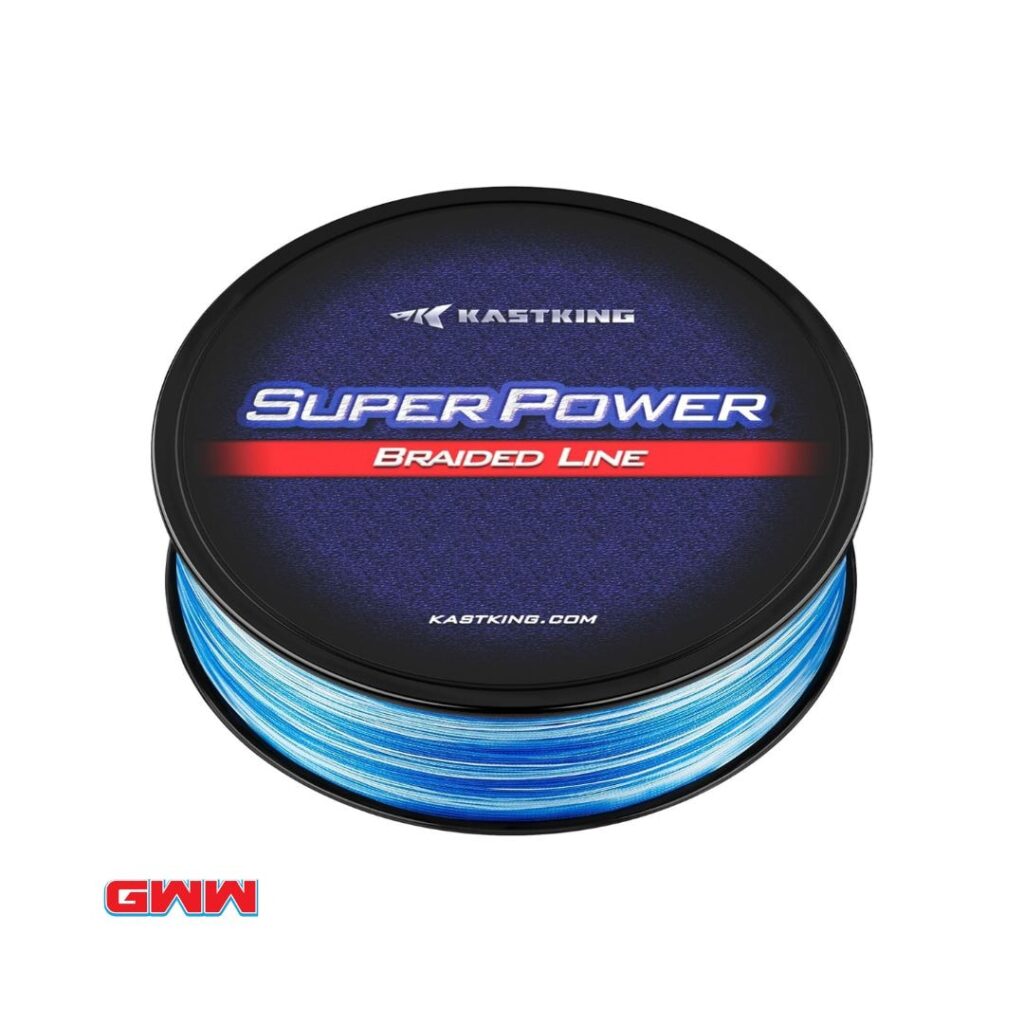
Are you wondering if braided fishing line is the right choice for your next fishing trip? You might have heard about it but aren’t quite sure what makes it stand out.
Understanding what braided fishing line is good for can change the way you fish, making your experience smoother and more successful. You’ll discover the key benefits and practical uses of braided line, helping you decide if it fits your fishing style and needs.
Keep reading, and you’ll learn how this line could become your secret weapon on the water.

Credit: reactiontackle.com
Benefits Of Braided Fishing Line
Braided fishing line offers many advantages for anglers. It is made from strong fibers woven tightly together.
These lines perform well in different fishing conditions. They help catch fish more easily.
High Strength-to-diameter Ratio
Braided lines are very strong compared to their size. Anglers get more strength with less line thickness.
- Use thinner line to hold heavier fish
- Cast farther because of less wind resistance
- Less line needed on the reel
Exceptional Sensitivity
Braided line transmits vibrations better than other lines. You can feel small bites quickly.
| Line Type | Sensitivity Level |
| Braided Line | High |
| Monofilament Line | Medium |
| Fluorocarbon Line | Medium-High |
Durability In Harsh Conditions
Braided line resists abrasion and damage well. It works in rough water and around rocks.
- Strong fiber weave resists cuts
- Does not stretch easily
- Handles sun and saltwater exposure

Credit: www.meltontackle.com
Ideal Fishing Techniques
Braided fishing line is popular for many fishing techniques. It offers strength and versatility for various fishing styles.
Learn how braided lines enhance your fishing experience. Explore techniques like casting, bottom fishing, and trolling.
Casting Accuracy And Distance
Braided line is thin and smooth, allowing for longer casts. It reduces wind resistance and enhances accuracy.
- Provides better control in windy conditions
- Maintains strength for long-distance casts
- Reduces friction on the rod guides
Bottom Fishing Advantages
Braided lines are ideal for bottom fishing. They have minimal stretch, which increases sensitivity to bites.
| Feature | Benefit |
| Low stretch | High sensitivity |
| Strength | Handles heavy weights |
| Durability | Resistant to abrasions |
Trolling With Braided Line
Trolling requires strong lines for pulling lures. Braided lines excel due to their strength and thin diameter.
Best Fish Species For Braided Line
Braided fishing line is very strong and thin. It works well for many fish species. Its strength helps catch big and powerful fish.
This line does not stretch much, so you feel every bite clearly. It is popular among anglers for both freshwater and saltwater fishing.
Targeting Heavy And Aggressive Fish
Braided line handles heavy fish that pull hard. It is good for aggressive fish because it resists breaking. Anglers use it to fight strong fighters.
Some heavy fish species for braided line include:
- Largemouth bass
- Catfish
- Musky
- Striped bass
- Pike
- Redfish
Freshwater Vs Saltwater Applications
Braided line works well in both freshwater and saltwater. It stays strong in saltwater and does not weaken easily. It also resists abrasion from rocks and coral.
Freshwater anglers use braided line for fish like bass and catfish. Saltwater anglers catch species such as:
- Snook
- Redfish
- Tarpon
- Snapper
- Grouper
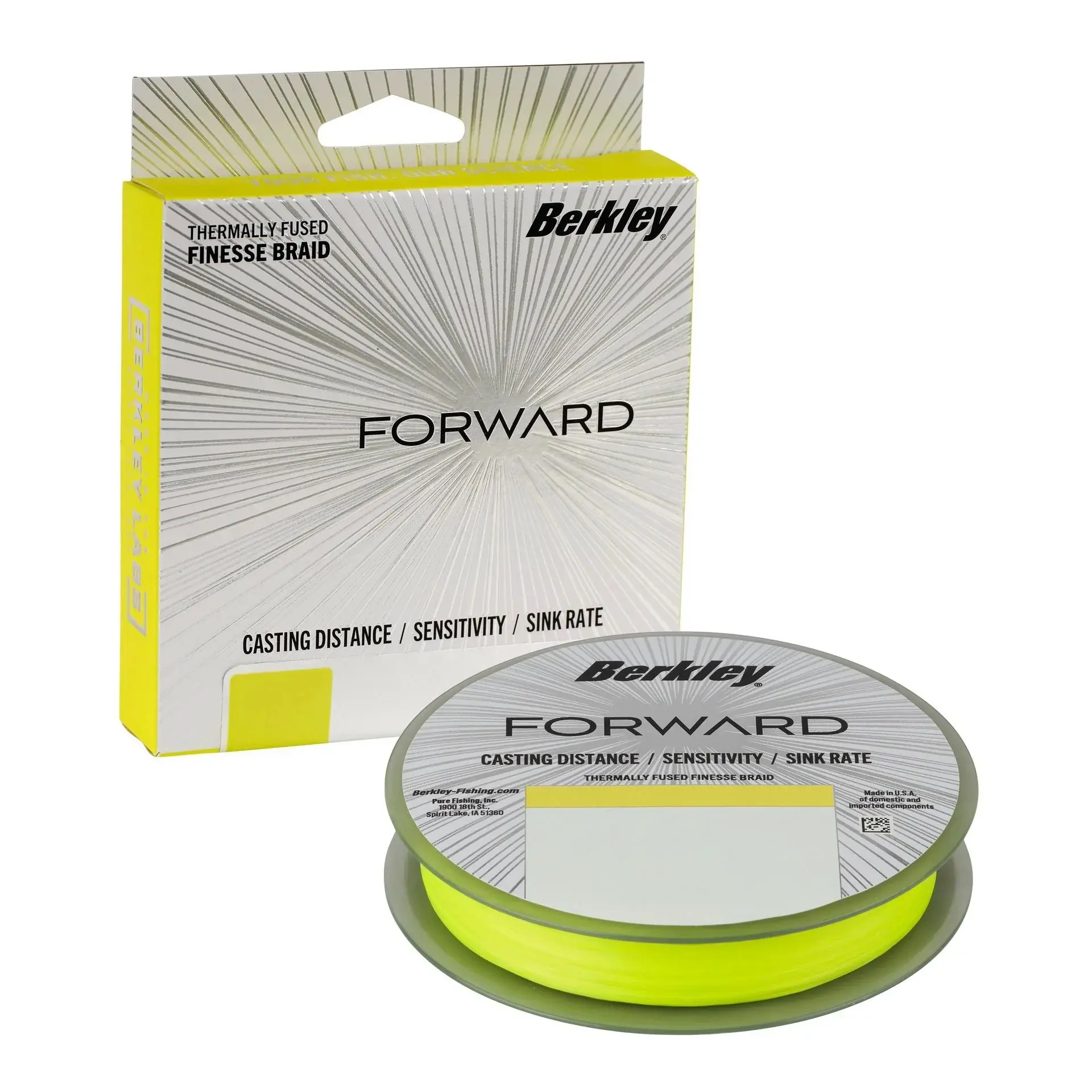
Credit: gearjunkie.com
Comparing Braided Line To Other Lines
Choosing the right fishing line is important for every angler. Braided line is popular but different from other types.
We will compare braided line with monofilament and fluorocarbon lines. This helps you understand their strengths and uses.
Braided Vs Monofilament
Braided line is made of many thin fibers woven together. It has little stretch and is very strong for its size.
Monofilament line is a single strand of nylon. It stretches more and feels softer in the water.
- Braided line has higher strength with thinner diameter.
- Monofilament stretches to absorb shock better.
- Monofilament is easier to knot for beginners.
- Braid is more sensitive to bites because it does not stretch.
- Monofilament floats better on water surface.
- Braid is more durable against abrasion and sharp objects.
Braided Vs Fluorocarbon
Fluorocarbon line is made from a special plastic that sinks faster. It is nearly invisible underwater.
Braided line does not sink as fast and is more visible in clear water. It is much stronger for the same thickness.
- Fluorocarbon is better for clear water and finicky fish.
- Braid provides better casting distance and strength.
- Fluorocarbon has some stretch, braid has almost none.
- Braid lasts longer and resists cuts better.
- Fluorocarbon is heavier and sinks quickly.
- Braid is good for heavy cover and deep water fishing.
Tips For Using Braided Line Effectively
Braided fishing line is strong and sensitive. It works well for many fishing styles. Using it correctly helps you catch more fish.
This guide covers three key tips: tying knots, caring for your line, and picking the right rod and reel.
Proper Knot Tying
Tying knots properly keeps your line secure. Braided line is slippery and needs special knots to hold tight.
- Use knots designed for braided line, like the Palomar knot or the Double Uni knot.
- Moisten the knot before tightening to reduce friction and damage.
- Pull the knot slowly and evenly to ensure it is tight and secure.
- Trim the tag end close but leave a small tail to prevent slipping.
Line Maintenance And Care
Taking care of your braided line extends its life and keeps it strong.
| Care Tip | Reason |
| Rinse line with fresh water | Removes salt and dirt that weaken fibers |
| Check for frays or cuts | Prevents line breakage during fishing |
| Store line away from sunlight | Protects line from UV damage |
| Replace line after heavy use | Maintains strength and performance |
Choosing The Right Rod And Reel
Select a rod and reel that match braided line’s properties. Braided line has no stretch and high sensitivity.
- Use rods with fast action to feel bites quickly.
- Pick reels with smooth drag systems to handle strong pulls.
- Choose reels designed for braided line spools to prevent slipping.
- Match line strength to rod power to balance performance.
Frequently Asked Questions
What Are The Main Benefits Of Braided Fishing Line?
Braided fishing line offers superior strength and durability. It has low stretch, increasing sensitivity. Its thin diameter allows longer casts and better lure action. It resists abrasion well, making it ideal for heavy cover fishing.
When Should I Choose Braided Fishing Line?
Choose braided line for deep water or heavy cover fishing. It works best for heavy fish species needing strong, durable line. Use it when sensitivity and longer casting distance are important for your fishing style.
How Does Braided Line Compare To Monofilament?
Braided line is stronger and thinner than monofilament. It has almost no stretch, improving bite detection. However, it can be more visible underwater and may require a leader to avoid spooking fish.
Can Braided Fishing Line Be Used In Saltwater?
Yes, braided fishing line performs well in saltwater. It resists abrasion from rocks and coral. Its strength and durability make it suitable for saltwater species and harsh marine conditions.
Conclusion
Braided fishing line offers strong and sensitive performance. It works well in rough waters and heavy cover. Anglers trust it for long casts and quick hook sets. Its thin diameter lets you spool more line. You can feel even small bites easily.
This line suits many fishing styles and conditions. Choosing braided line helps improve your fishing experience. Try it to see how it fits your needs. Simple, strong, and reliable—that’s braided fishing line.