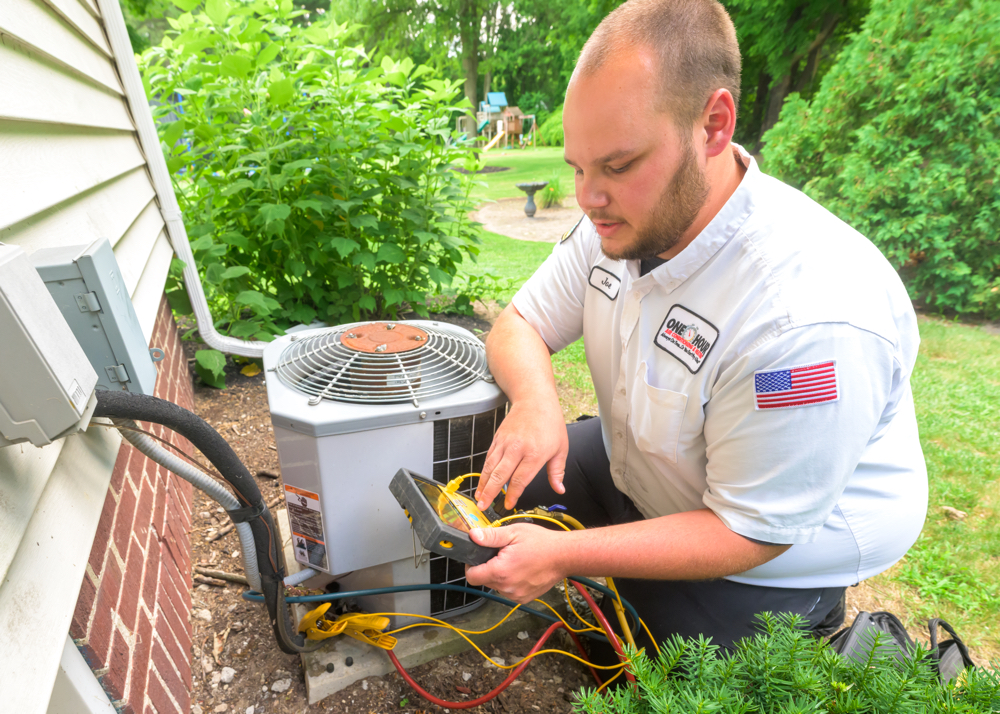
Is your air conditioner acting up, and you’re wondering if the condenser can be fixed instead of replaced? You’re not alone.
When your AC stops working properly, the first question on your mind is often: can it be repaired, or is a full replacement the only option? Understanding whether your air conditioner condenser can be repaired could save you time, money, and a lot of frustration.
You’ll discover the key signs to look for, what repairs are possible, and how to decide the best course of action for your cooling system. Keep reading to find out how you can get your AC back in shape without unnecessary expenses.
Credit: www.youtube.com
Signs Of A Faulty Condenser
The air conditioner condenser is a key part of your cooling system. It helps release heat from inside your home. If the condenser has problems, your AC might not work well.
Recognizing signs of a faulty condenser early can save you from bigger repairs. Watch for changes in noise, cooling, and leaks.
Unusual Noises
If your condenser makes strange sounds, it may be failing. Buzzing, rattling, or grinding noises are common signs. These noises can mean loose parts or motor problems.
Ignoring these noises can lead to more damage. It is best to check the condenser if you hear anything unusual.
Reduced Cooling Efficiency
A faulty condenser often causes your air conditioner to cool less. Your home may feel warmer even when the AC runs. This happens because the condenser cannot release heat properly.
Lower cooling means higher energy bills. If your AC takes longer to cool or does not cool enough, the condenser might need repair.
Frequent Cycling
Frequent cycling means the AC turns on and off more than usual. This can happen if the condenser has a problem. It may cause the system to overwork and wear out faster.
Watch for short cooling cycles or constant running without breaks. Both can show a condenser fault.
Leaks And Corrosion
Leaks around the condenser are a clear sign of trouble. Water or refrigerant leaks can damage parts. Corrosion on the condenser coils also reduces performance.
Look for rust or wet spots near the unit. These issues need quick attention to avoid costly repairs.
Common Condenser Issues
An air conditioner’s condenser is crucial for cooling. When it fails, your home can get hot. Understanding common issues helps in deciding if repairs are possible.
Many problems can affect the condenser. Some are easy fixes, while others need expert help.
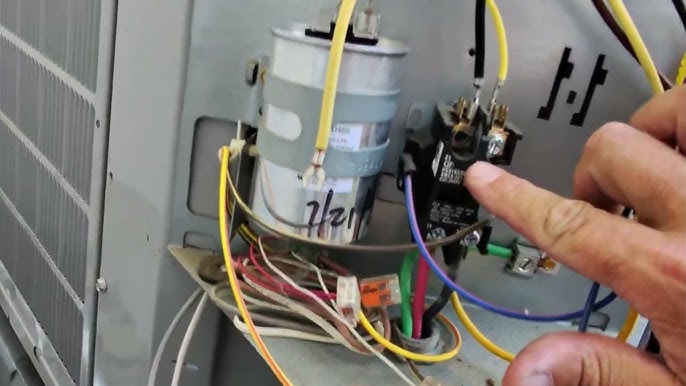
Electrical Failures
Electrical issues can stop the condenser from working. These problems can come from faulty wiring or blown fuses.
Checking connections and replacing fuses may solve the issue. Always ensure power is off before inspecting.
- Inspect for loose wires
- Replace blown fuses
- Check circuit breakers
Refrigerant Leaks
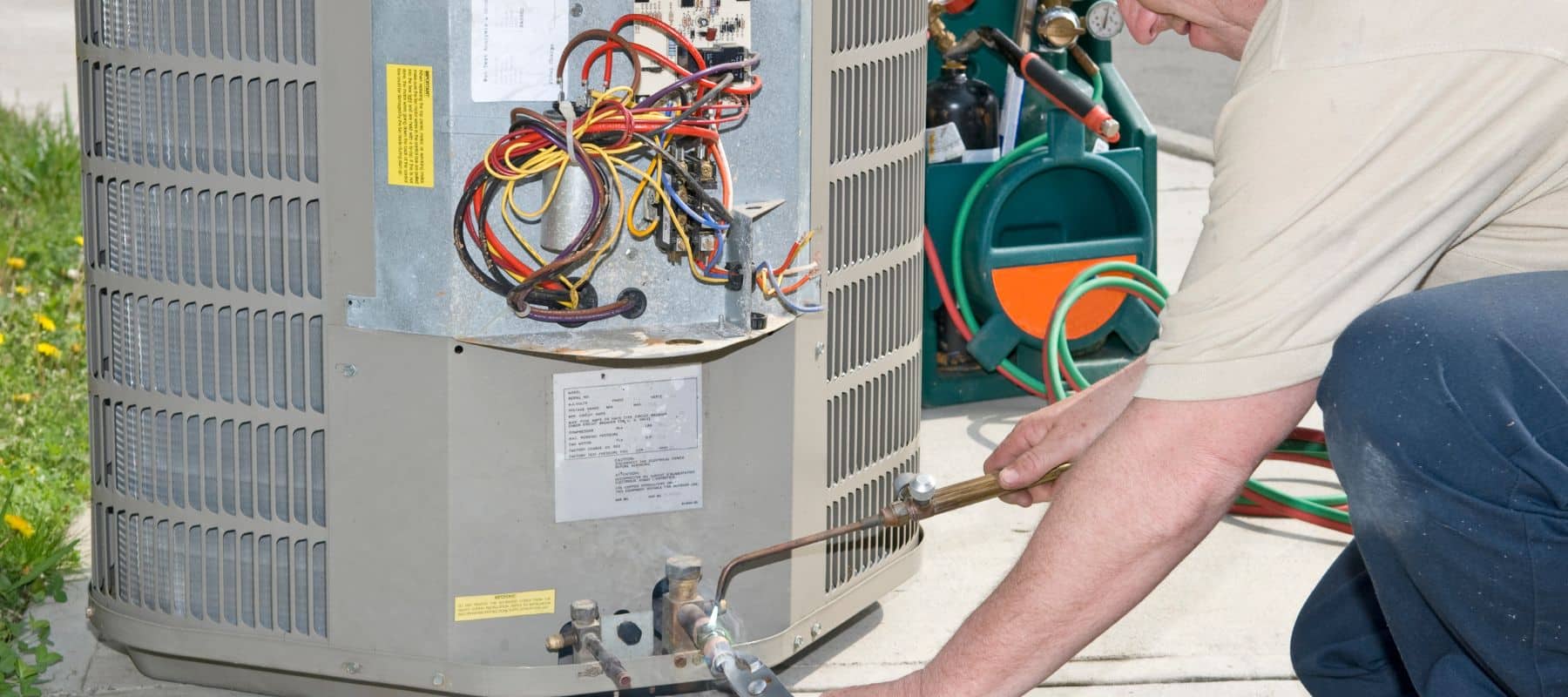
Refrigerant leaks are common and can make the air conditioner less effective. Leaks often occur due to worn seals or cracks.
Fixing leaks usually requires a technician. They will seal leaks and refill refrigerant to the correct level.
Fan And Motor Problems
The fan and motor help cool the condenser. If they fail, the system may overheat. Dust and debris can cause these problems.
Cleaning the fan blades and motor can help. Replacing broken parts may be necessary to restore function.
- Clean fan blades
- Check for debris
- Replace faulty motor
Coil Damage
Coil damage can occur from corrosion or physical impact. Damaged coils reduce efficiency and can cause leaks.
Repairing coils is complex. It might involve patching small holes or replacing the entire coil.
When To Repair Vs Replace
Deciding whether to repair or replace your air conditioner condenser depends on many factors. Understanding these factors can save you money and improve your home’s comfort.
Knowing when to fix a problem or buy a new unit helps you make the best choice for your needs and budget.
Cost Considerations
Repairing an air conditioner condenser often costs less than replacing it. Small fixes can be affordable and quick to do.
But if the repair cost is close to the price of a new unit, replacement might be smarter.
- Minor repairs usually cost less than $500
- Major repairs can exceed $1,000
- New units cost between $3,000 and $7,000
Age Of The Unit
Older air conditioners are less efficient and break down more often. If your unit is over 10-15 years old, replacement is often better.
Newer models use less energy and come with better warranties. Repairing very old units might only delay the need for replacement.
- Units under 10 years: Repair usually makes sense
- Units 10-15 years: Consider replacement if repairs are costly
- Units over 15 years: Replacement is often best
Severity Of Damage
Simple problems like a fan motor or capacitor failure can be repaired easily. Severe damage like a cracked condenser coil may need full replacement.
If the damage affects many parts or the compressor, replacement is usually more reliable and cost-effective.
- Minor issues: Repair to save money
- Moderate issues: Repair if costs are low
- Severe damage: Replace the unit
Energy Efficiency Impact
Older condensers use more electricity and raise your utility bills. Repairing an old, inefficient unit may not reduce energy costs much.
Replacing with a new, energy-efficient model can lower bills and help the environment over time.
- Repair keeps current efficiency level
- Replace to upgrade to higher efficiency
- New models save energy and reduce costs
Credit: www.topahill.com
Diy Repair Tips
Air conditioner condensers can sometimes be repaired at home. Simple fixes may save you money and time. This guide helps you handle basic repairs safely.
Try small repairs before calling a technician. Follow these tips to keep your condenser running well.
Safety Precautions
Always put safety first when working on an air conditioner condenser. Electric parts can cause shocks or injury.
Make sure to turn off the power before starting any repair work. Use gloves and safety glasses to protect yourself.
- Turn off the main power switch
- Wear insulated gloves
- Use safety glasses
- Do not touch electrical parts with wet hands
- Keep children and pets away
Basic Troubleshooting Steps
Check if your condenser is working properly by following simple tests. Look for obvious signs of damage or wear.
Test the thermostat and fuses. Listen for unusual noises and check the fan operation.
- Inspect the power supply and circuit breakers
- Check if the condenser fan is spinning freely
- Look for dirt or debris blocking airflow
- Test the thermostat settings
- Examine fuses and replace if blown
Cleaning And Maintenance
Cleaning the condenser helps it work better and last longer. Remove dirt and leaves around the unit.
Clean the coils carefully using a soft brush or hose. Avoid damaging the fins while cleaning.
- Turn off power before cleaning
- Remove debris from around the unit
- Use a soft brush for coils
- Rinse coils gently with water
- Keep fins straight to allow airflow
Replacing Small Components
Sometimes small parts like capacitors or fan motors need replacement. These parts can be bought online or at hardware stores.
Make sure to get the exact replacement part. Follow the instructions to remove the old part and install the new one safely.
- Identify the faulty part carefully
- Buy the exact model number replacement
- Disconnect power before replacing parts
- Use proper tools for removal and installation
- Test the unit after replacement
Hiring A Professional
Repairing an air conditioner condenser requires skill and knowledge. A professional technician can ensure the job is done safely and correctly.
Choosing the right expert helps you avoid further damage and costly mistakes. It is important to understand what to look for and what to expect.
Finding Qualified Technicians
Look for technicians with proper licenses and certifications. Experienced professionals will have good reviews and recommendations.
- Check if they are certified by recognized HVAC organizations.
- Ask for references from past clients.
- Verify their experience with condenser repairs.
- Confirm they have insurance coverage.
What To Expect During Service
A technician will inspect the condenser and diagnose the problem. They may clean components or replace damaged parts.
Good communication is important. The technician should explain the repair process and costs before starting work.
- Initial inspection and diagnosis.
- Explanation of issues and repair options.
- Approval of repair plan and costs.
- Performing the repair or replacement.
- Testing the air conditioner for proper function.
Warranty And Service Agreements
Many repairs come with warranties. These protect you if the same problem happens again within a set time.
| Type | Coverage | Typical Length |
| Parts Warranty | Replacement of faulty parts | 6 to 12 months |
| Labor Warranty | Workmanship on the repair | 30 to 90 days |
| Service Agreement | Regular maintenance visits | 1 year or more |
Ask the technician about their warranties and service agreements. Read the terms carefully before you agree.
Preventing Future Condenser Problems
Keeping your air conditioner condenser in good shape helps it work longer. Taking simple steps can stop many problems before they start.
Follow a routine and pay attention to how the system runs. This saves money and avoids big repairs.
Regular Maintenance Schedule
Check and clean the condenser regularly. Dirt and debris reduce its efficiency and cause breakdowns.
- Clean the coils every few months
- Clear leaves and grass around the unit
- Inspect electrical connections
- Replace filters on time
- Schedule yearly professional checkups
Proper Installation Practices
Correct installation prevents many condenser problems. A poor setup can cause leaks and reduce performance.
| Installation Factor | Recommended Practice |
| Location | Place in shaded, open area |
| Leveling | Ensure unit is level for proper drainage |
| Clearance | Keep at least 2 feet around condenser |
| Connections | Use proper fittings and sealants |
| Electrical Setup | Follow local codes and manufacturer rules |
Monitoring System Performance
Watch how the air conditioner works. Early signs of trouble help fix problems fast.
Signs to watch for:
- Unusual noises from the condenser
- Higher energy bills without extra use
- Less cooling or uneven air flow
- Frequent cycling on and off
- Water pooling near the unit

Credit: www.hdaccondenser.com
Frequently Asked Questions
Can An Air Conditioner Condenser Be Repaired?
Yes, many condenser issues like leaks or fan problems can be repaired. However, severe damage or corrosion may require replacement for efficiency.
How Much Does It Cost To Repair A Condenser?
Repair costs vary but typically range from $150 to $600. The price depends on the damage type and parts needed.
How Long Does Condenser Repair Usually Take?
Most condenser repairs can be completed within 1 to 3 hours. Complex issues might require more time or professional assessment.
When Should I Replace The Ac Condenser Instead?
Replace the condenser if it’s old, severely damaged, or inefficient. Frequent repairs and higher energy bills are key signs.
Conclusion
An air conditioner condenser can often be repaired. Small issues like leaks or dirt buildup are fixable. Sometimes, parts need replacement to restore function. Repair saves money compared to full replacement. A professional technician can diagnose the problem. Timely repairs help your AC run smoothly.
Regular maintenance prevents major damage later. Think about repair before deciding to buy new. Keep your home cool without unnecessary expense. Simple fixes can extend your air conditioner’s life.