Are you curious about how geothermal heat pump systems work and why they’re becoming so popular? If you want to master the basics quickly, a Geothermal Heat Pump System Quizlet can be your secret weapon.
This simple tool helps you learn key terms and concepts fast, making complex information easy to understand. Keep reading to discover how you can boost your knowledge and make smarter choices about energy-efficient heating and cooling for your home or business.

Credit: www.rscheatingandair.com
Basics Of Geothermal Heat Pumps
Geothermal heat pumps use the earth’s temperature to heat and cool buildings. They save energy by using the ground’s steady heat.
This system is quiet and lasts a long time. It works well in many climates.
How Geothermal Systems Work
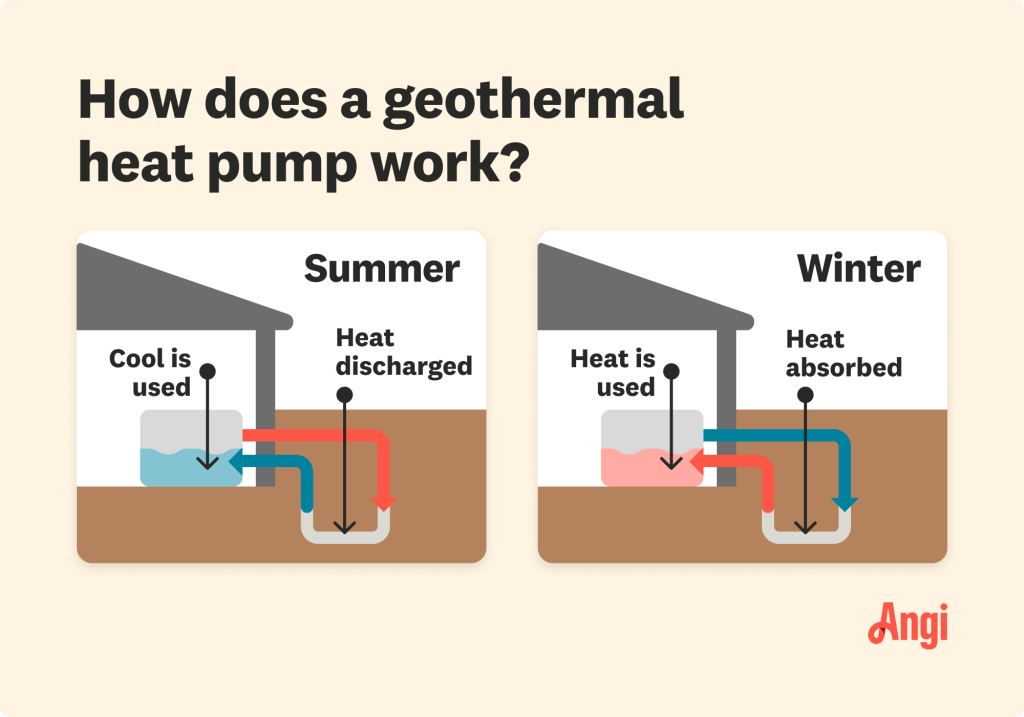
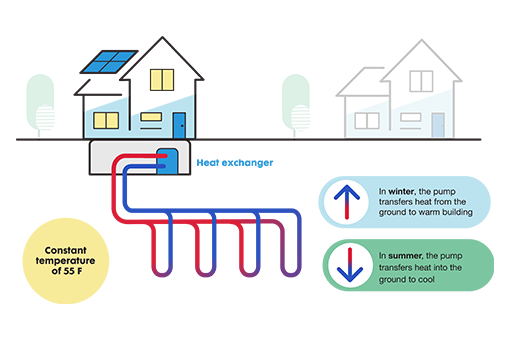
Geothermal systems move heat between the ground and a building. They use pipes buried underground called loops.
In winter, the system pulls heat from the ground to warm the building. In summer, it moves heat from the building into the ground to cool it.
- Ground temperature stays steady all year
- Heat exchange happens through a liquid in the loops
- System uses less electricity than traditional heating
Types Of Geothermal Heat Pumps
There are three main types of geothermal heat pump systems. Each type uses a different loop design underground.
- Closed-Loop Systems:Pipes loop underground and reuse the same liquid.
- Open-Loop Systems:Use groundwater from a well and return it after use.
- Pond/Lake Systems:Pipes sit in a nearby water body to exchange heat.
Closed-loop systems work well almost anywhere. Open-loop needs a good water source. Pond systems need a big water area.
Key Components Explained
Several parts make a geothermal heat pump system work. Each has a special job to keep the building comfortable.
- Ground Loop:Buried pipes that carry liquid to exchange heat.
- Heat Pump Unit:Moves heat between the building and the ground loop.
- Air Delivery System:Sends warm or cool air inside the building.
- Thermostat:Controls the system to keep the temperature steady.
These parts work together to use the earth’s heat. This lowers energy use and keeps homes cozy.

Credit: en.wikipedia.org
Benefits Of Geothermal Heat Pumps
Geothermal heat pumps use the earth’s constant temperature to heat and cool homes. This system is both efficient and eco-friendly.
Let’s explore the benefits, including energy efficiency, environmental impact, and cost savings over time.
Energy Efficiency
Geothermal heat pumps are highly energy efficient. They use less electricity than traditional systems.
This efficiency reduces energy bills and decreases reliance on fossil fuels.
- Uses 25% to 50% less electricity
- Reduces peak demand on power grids
Environmental Impact
Geothermal systems have a low environmental impact. They do not burn fossil fuels.
These systems reduce greenhouse gas emissions significantly.
- Lowers carbon footprint
- Reduces air pollution
Cost Savings Over Time
Initial costs of geothermal systems can be high. However, they save money over time.
Long-term savings come from lower energy bills and less maintenance.
| Lower Monthly Bills | Yes |
| Less Maintenance | Yes |
Installation Insights
Geothermal heat pump systems use the earth’s constant temperature to heat and cool buildings. Installing these systems requires careful planning and skilled work.
Understanding the key steps in installation helps ensure efficiency and long-term performance.
Site Assessment And Requirements
Before installation, experts evaluate the site to determine suitability. Soil type, land space, and local climate all affect the system design.
- Check soil conductivity and moisture levels
- Measure available land for ground loops
- Assess local regulations and permits
- Determine building heating and cooling needs
Installation Process
The installation involves digging trenches or drilling boreholes for the ground loop. Then, the heat pump unit is connected inside the building.
- Excavate the area for ground loop placement
- Lay the piping system underground
- Connect pipes to the heat pump unit
- Test the system for leaks and proper flow
- Calibrate controls and start the system
Common Challenges
| Challenge | Description |
|---|---|
| Soil Conditions | Rocky or dry soil can slow installation and reduce efficiency. |
| Space Limits | Small land area restricts ground loop size and placement. |
| Permitting Delays | Local rules may require long approval times before work begins. |
| System Integration | Connecting to existing HVAC systems can be complex. |
Credit: sustainablewestchester.org
Maintenance And Troubleshooting
A geothermal heat pump system needs regular care to work well. Simple maintenance helps save money and avoid big problems.
This guide covers basic maintenance tips, signs of system issues, and when to call a professional for help.
Routine Maintenance Tips
Check your geothermal heat pump system regularly to keep it running smoothly. Clean parts and change filters as needed.
Keep the area around the system free from dirt and debris. Inspect pipes and connections for leaks or damage.
- Change or clean air filters every 1-3 months
- Inspect the heat pump for dirt and clean coils gently
- Check refrigerant levels and pressure
- Keep outdoor area clear of leaves and debris
- Look for signs of water leaks near pipes
- Test the thermostat settings each season
Signs Of System Issues
Watch for unusual noises or smells coming from the system. These can mean parts are worn or broken.
Reduced heating or cooling performance may show the system needs service. High energy bills can also be a sign.
- Strange noises like banging or squealing
- Unusual odors or burning smells
- System stops heating or cooling properly
- Increased energy bills without higher use
- Water pooling near the heat pump
- Thermostat not responding correctly
When To Call A Professional
Some problems need expert help to fix. Call a technician if the system shows serious issues or if you are unsure.
Do not try to repair electrical or refrigerant parts yourself. Safety is important when working with these systems.
- Persistent noises or smells after cleaning
- System fails to start or stops often
- Leaks that you cannot fix
- Thermostat or controls not working
- Signs of electrical problems like tripped breakers
- Regular yearly inspection and tune-up
Comparing Geothermal With Other Systems
Geothermal heat pump systems offer a unique way to heat and cool buildings. They use the earth’s stable temperature to save energy. Many people want to know how geothermal compares to other common systems.
This guide looks at geothermal versus traditional HVAC and air source heat pumps. Each system works differently and has its own benefits and drawbacks.
Geothermal Vs Traditional Hvac
Traditional HVAC systems use air to heat or cool a home. They burn fuel or use electricity to change the air temperature. Geothermal systems use the ground’s constant temperature instead. This often leads to better efficiency and lower energy costs.
- Geothermal systems last longer, often over 25 years.
- Traditional HVAC units usually last 10 to 15 years.
- Geothermal requires less maintenance than traditional systems.
- Traditional HVAC can have higher energy bills due to less efficiency.
- Geothermal systems work quietly underground.
Geothermal Vs Air Source Heat Pumps
Air source heat pumps take heat from outside air. They work well in mild climates. Geothermal heat pumps pull heat from the ground, which stays more stable year-round. This makes geothermal more reliable in cold weather.
| Feature | Geothermal Heat Pump | Air Source Heat Pump |
| Energy Efficiency | High, stable performance | Variable, drops in cold weather |
| Installation Cost | Higher due to ground loops | Lower, simpler setup |
| Maintenance | Low, fewer moving parts | Moderate, exposed to weather |
| Climate Suitability | Good for all climates | Best for mild climates |
Financial Considerations
Choosing a geothermal heat pump system involves thinking about money. You need to know the costs and savings before deciding.
This guide covers the main financial points: initial costs, incentives, and long-term savings.
Upfront Costs
Installing a geothermal heat pump system costs more at the start than other heating systems. You pay for drilling, equipment, and labor.
| Cost Type | Estimated Range |
| Drilling and Ground Loop | $10,000 – $25,000 |
| Heat Pump Equipment | $5,000 – $10,000 |
| Installation Labor | $3,000 – $8,000 |
| Total Upfront Cost | $18,000 – $43,000 |
Incentives And Rebates
Many places offer financial help to lower your upfront cost. These include government and utility rebates or tax credits.
- Federal tax credits for renewable energy
- State or local rebates for energy-efficient systems
- Utility company discounts or incentives
- Special financing options with low interest
Long-term Savings
Geothermal systems use less energy, so you save money on bills. They also need less maintenance over time.
- Lower monthly heating and cooling costs
- Long lifespan reduces replacement expenses
- Stable energy prices protect against fuel cost rises
- Possible increase in home value
Future Trends In Geothermal Technology
Geothermal heat pump systems are changing fast. New ideas help these systems work better and reach more places.
This article looks at what is coming next in geothermal technology and how it will be used in the future.
Innovations On The Horizon
Scientists and engineers are working on new ways to make geothermal heat pumps more efficient. They want to lower costs and use less energy.
- Using better materials for pipes to last longer.
- Developing smart controls that adjust heat automatically.
- Creating smaller systems for homes and big buildings.
- Improving drilling methods to reduce installation time.
Expanding Applications
Geothermal heat pumps are no longer just for heating homes. New uses are growing in many fields.
| Application | Description | Benefits |
| Agriculture | Heating greenhouses and soil. | Better crop growth and longer seasons. |
| Commercial Buildings | Heating and cooling large offices. | Lower energy bills and less pollution. |
| District Heating | Supplying heat to multiple homes. | Cost savings and efficient energy use. |
| Industrial Use | Process heating and cooling. | Reduces fossil fuel use and emissions. |
Frequently Asked Questions
What Is A Geothermal Heat Pump System?
A geothermal heat pump system uses the earth’s stable temperature to heat and cool buildings efficiently. It transfers heat between the ground and indoor spaces, reducing energy consumption and costs.
How Does A Geothermal Heat Pump Work?
It circulates a fluid through underground pipes to absorb or release heat. This process warms your home in winter and cools it in summer sustainably.
What Are The Benefits Of Geothermal Heat Pumps?
They provide energy-efficient heating and cooling, lower utility bills, reduce carbon footprints, and offer long-lasting, low-maintenance performance compared to traditional HVAC systems.
Are Geothermal Heat Pumps Cost-effective?
Yes, despite higher upfront costs, geothermal systems save money over time through reduced energy bills and possible tax incentives or rebates.
Conclusion
Understanding geothermal heat pump systems helps you save energy and money. These systems use the earth’s natural heat for warming and cooling. They work quietly and last for many years. Knowing key terms and functions improves your confidence with the technology.
This knowledge supports better decisions for home comfort and efficiency. Keep exploring to learn how these systems fit your needs. Small steps lead to big savings and a greener home.