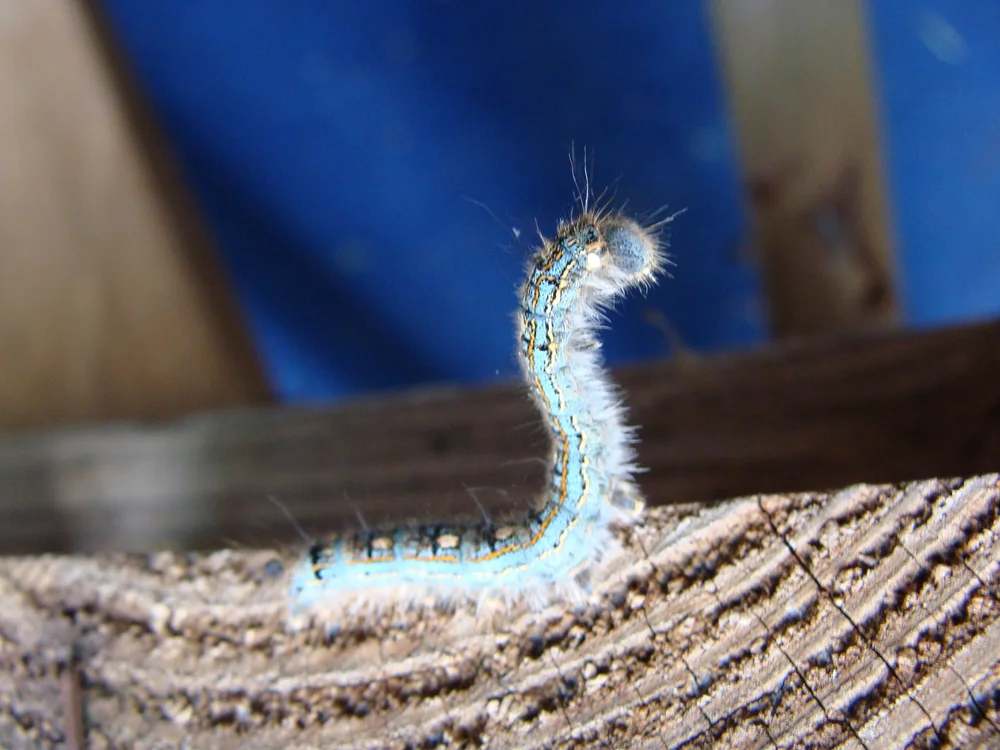
Have you ever spotted tiny, fuzzy caterpillars crawling on trees and wondered, “What do forest tent caterpillars eat?” Understanding their diet can help you protect your garden or simply satisfy your curiosity about nature.
These little creatures might look harmless, but what they choose to munch on can have a big impact on the trees around you. Keep reading to discover exactly what fuels these forest visitors and how their eating habits might affect your outdoor space.

Credit: www.pubs.ext.vt.edu
Forest Tent Caterpillar Diet
Forest tent caterpillars are insects that eat leaves. They live mostly in forests and woodlands. Their diet plays a big role in their growth and survival.
These caterpillars feed on many types of trees. Their food choices can change with the seasons and tree availability.
Primary Food Sources
Forest tent caterpillars mainly eat the leaves of deciduous trees. These leaves provide the nutrients they need to grow. The caterpillars feed mostly during spring and early summer.
- Oak leaves
- Maple leaves
- Aspen leaves
- Birch leaves
- Sweetgum leaves
Seasonal Variations In Feeding
Forest tent caterpillars eat more in spring when leaves are fresh. They avoid older leaves that are tougher. In summer, they slow their feeding as leaves harden and dry.
When food is scarce, they may eat less preferred leaves. This helps them survive until new leaves grow again next year.
Preference For Tree Species
These caterpillars prefer certain trees over others. They choose trees with soft, nutritious leaves. Oak trees are often their favorite food source.
They also feed on maple and aspen trees. Trees with tough or bitter leaves are less attractive to them.
- Prefer oak for its soft leaves
- Like maple and aspen leaves
- Avoid trees with bitter leaves
- Choose young leaves over old ones
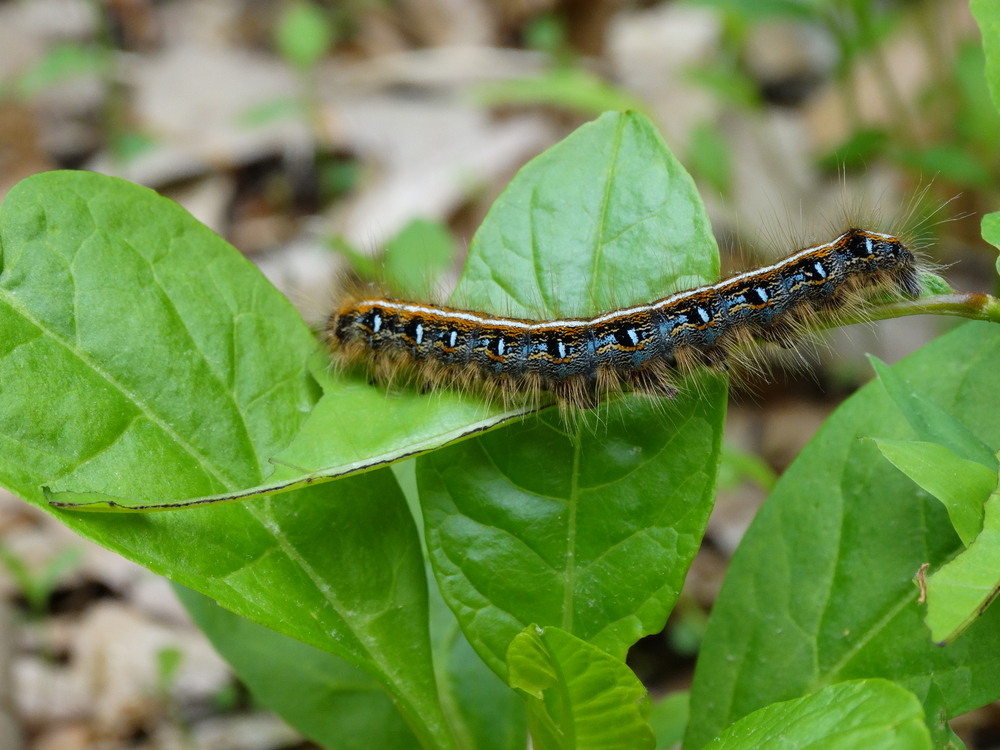
Credit: www.brodybrotherspestcontrol.com
Feeding Behavior And Patterns
Forest tent caterpillars are known for their unique eating habits. They primarily consume leaves from a variety of trees.
Understanding their feeding behavior helps in managing their impact on forests.
Day Vs. Night Feeding
Forest tent caterpillars are most active during the day. They usually feed in groups, making their activity more noticeable.
- Caterpillars rest at night.
- They resume feeding with the first light.
- Feeding peaks during early morning hours.
Group Feeding Dynamics
Caterpillars feed in groups to protect themselves from predators. This behavior also maximizes their eating efficiency.
The group feeding creates a visible effect on foliage, leading to a significant leaf loss on trees.
Impact On Host Trees
The feeding habits of forest tent caterpillars can severely affect trees. They strip leaves, which weakens the tree’s growth.
| Tree Type | Impact Level |
| Oak | High |
| Aspen | Moderate |
| Maple | Low |
Surprising Food Items
Forest tent caterpillars eat many kinds of leaves. They like common trees like oak and maple. But they also eat some surprising foods.
These caterpillars can choose unusual plants and even non-plant items. Let’s explore what else they eat besides normal leaves.
Unusual Plant Choices
Forest tent caterpillars do not only eat typical tree leaves. They also feed on less common plants. Some of these plants seem strange for caterpillars.
They sometimes eat shrubs and even wildflowers. These plants help caterpillars survive when usual trees have few leaves.
- Willow leaves
- Birch leaves
- Wild cherry leaves
- Black cherry leaves
- Flowering dogwood leaves
Feeding On Non-plant Materials
Besides plants, forest tent caterpillars sometimes eat non-plant items. This behavior is rare but interesting. They may eat lichens and fungi on tree bark.
These materials offer extra nutrients. Eating non-plant items helps caterpillars during food shortages in late summer.
- Lichens growing on tree trunks
- Fungi found on decaying wood
- Moss in shaded forest areas
Nutritional Needs
Forest tent caterpillars need specific nutrients to grow and survive. Their diet mainly comes from the leaves they eat. These nutrients help them build strong bodies and gain energy.
Understanding what they eat helps us learn how they develop and why their food quality matters. Let’s look at the key nutrients and how diet affects their growth.
Essential Nutrients
Forest tent caterpillars get most nutrients from tree leaves. These nutrients support their energy and body functions. The main nutrients they need are:
- Proteins for body growth and repair
- Carbohydrates for energy
- Fats for cell development
- Vitamins for metabolism and health
- Minerals for strong exoskeletons
How Diet Affects Growth
The quality of leaves affects caterpillar growth. Better food gives more energy and nutrients. Poor diet can slow their development and make them weaker.
| Diet Quality | Effect on Growth | Survival Rate |
| High Nutrient Leaves | Fast growth, strong bodies | High |
| Low Nutrient Leaves | Slow growth, weak bodies | Low |
| Mixed Diet | Moderate growth and health | Medium |
Effects On Ecosystem
Forest tent caterpillars eat leaves in large numbers. This feeding affects trees and the whole forest. Their actions change the forest’s health and the animals living there.
Studying these caterpillars helps us understand how forests grow and change. Their role is important for many forest species.
Role In Forest Health
Forest tent caterpillars feed mainly on tree leaves. When many caterpillars eat together, trees lose leaves quickly. This can weaken trees for a short time. But trees often grow new leaves after.
- Leaf loss can reduce tree growth temporarily.
- Weakened trees may be more open to disease.
- New leaf growth helps trees recover.
- Large outbreaks can change forest light and temperature.
Interactions With Other Species
Many animals eat forest tent caterpillars. Birds and small mammals rely on them for food. These caterpillars also affect other insects and plants.
| Species | Interaction Type | Effect |
| Woodpeckers | Predator | Feed on caterpillars to gain energy |
| Parasitic Wasps | Parasite | Lay eggs inside caterpillars, controlling population |
| Other Insects | Competition | Compete for food and space on leaves |
| Trees | Host | Provide food but may suffer leaf loss |

Credit: extension.colostate.edu
Frequently Asked Questions
What Do Forest Tent Caterpillars Primarily Eat?
Forest tent caterpillars mainly feed on the leaves of hardwood trees. They prefer oak, maple, and aspen leaves. These caterpillars consume large amounts of foliage during their growth stage. Their feeding can cause noticeable defoliation on host trees.
Do Forest Tent Caterpillars Eat Only Specific Tree Species?
Yes, forest tent caterpillars prefer certain hardwood trees. Oak, maple, and ash are their top choices. They occasionally feed on other deciduous trees but avoid conifers. Their diet helps determine their habitat and population spread.
How Much Foliage Can Forest Tent Caterpillars Consume?
A large group of forest tent caterpillars can defoliate entire trees. They eat hundreds of leaves during their larval stage. This heavy feeding can stress trees and affect forest health. The impact varies depending on caterpillar population density.
Are Forest Tent Caterpillars Harmful To Forests?
Yes, heavy infestations can weaken trees by defoliation. Repeated defoliation may reduce tree growth and increase vulnerability to disease. However, most healthy trees recover after one defoliation event. Forest ecosystems usually balance caterpillar populations naturally.
Conclusion
Forest tent caterpillars mainly eat leaves from many trees. They prefer oak, aspen, and maple leaves most. These caterpillars can eat a lot in a short time. Their eating helps nature recycle leaves and grow new plants. Watching them eat shows how important insects are in forests.
Understanding their diet helps protect trees and forests better. Keep an eye on trees if caterpillars appear nearby. This way, you can help keep forests healthy and strong.