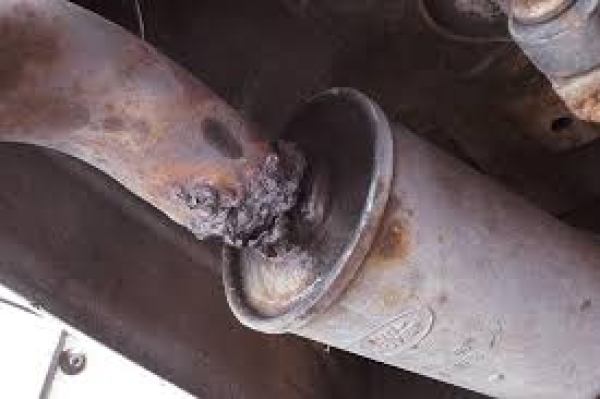
Have you ever thought about what happens if your car’s exhaust system gets damaged? It might seem like a small problem, but it can quickly turn into a serious danger for you and your vehicle.
Your exhaust system does more than just guide fumes away—it protects you from harmful gases and keeps your car running smoothly. Ignoring damage here could put your health, safety, and wallet at risk. Keep reading to find out why a damaged exhaust system is something you should never overlook.
Exhaust System Basics
The exhaust system removes gases from the engine. It directs harmful fumes away from the car.
Damage to this system can cause dangerous problems. It affects the car’s safety and performance.
Key Components
The exhaust system has many parts that work together. Each part plays a key role in handling gases.
- Exhaust Manifold:Collects gases from the engine cylinders.
- Catalytic Converter:Changes harmful gases into less dangerous ones.
- Muffler:Reduces noise from the engine’s exhaust.
- Tailpipe:Releases gases into the air safely away from the car.
Primary Functions
| Function | Purpose |
| Gas Removal | Take toxic gases out of the engine quickly. |
| Pollution Control | Reduce harmful emissions to protect the environment. |
| Noise Reduction | Lower engine noise for a quieter ride. |
| Engine Performance | Help the engine run smoothly and efficiently. |
Credit: www.holtsauto.com
Common Types Of Damage
Damage to the exhaust system can cause serious problems. It affects the vehicle’s performance and safety.
Understanding common types of damage is important. It helps in identifying issues early and fixing them.
Corrosion And Rust
Corrosion and rust are common in exhaust systems. These occur due to exposure to water and road salt.
Rust weakens the metal parts. This can lead to holes and leaks in the exhaust system.
- Inspect for rust regularly
- Use rust-resistant coatings
- Wash vehicle after driving on salted roads
Cracks And Holes
Cracks and holes can form in the exhaust system. They are often caused by physical damage or corrosion.
These can cause exhaust leaks. Leaks lead to increased noise and harmful emissions.
- Check for unusual noises
- Seal small holes promptly
- Replace damaged parts
Loose Connections
Loose connections occur when parts of the exhaust system are not tightly secured. Vibrations and wear can cause this.
These loose parts can create rattling noises. They may also lead to exhaust leaks.
- Regularly tighten connections
- Use quality clamps and fasteners
- Inspect the system after rough roads
Health Hazards
Damage to the exhaust system can cause serious health risks. The exhaust system removes harmful gases from the engine.
If it is broken, dangerous gases can enter the vehicle or surrounding air. These gases can harm your health.
Carbon Monoxide Exposure
Carbon monoxide is a colorless, odorless gas that comes from car exhaust. It is very dangerous if inhaled in large amounts.
Damage to the exhaust system can cause carbon monoxide to leak inside the car. This can lead to carbon monoxide poisoning.
- Headaches and dizziness
- Nausea and vomiting
- Confusion and weakness
- Loss of consciousness or death in severe cases
Toxic Fumes Inhalation
Exhaust gases contain toxic fumes like nitrogen oxides and hydrocarbons. These fumes can irritate your lungs and eyes.
When the exhaust system is damaged, these harmful fumes can leak and pollute the air you breathe. This can cause breathing problems.
- Coughing and wheezing
- Shortness of breath
- Increased risk of asthma
- Long-term lung damage

Credit: urbsgarage.com
Performance Issues
Damage to the exhaust system can hurt your car’s performance. It affects how well your engine runs and how much fuel you use.
Fixing exhaust problems helps keep your vehicle working smoothly and saves money on fuel.
Reduced Fuel Efficiency
A damaged exhaust system can cause your car to use more fuel. Leaks or blockages make the engine work harder.
When the exhaust flows poorly, fuel burns less completely. This wastes fuel and lowers miles per gallon.
- Exhaust leaks let harmful gases escape early
- Blockages increase back pressure on the engine
- Both problems reduce fuel economy
Engine Power Loss
Damage to the exhaust system can cause your engine to lose power. The engine struggles to push out exhaust gases.
This makes acceleration slower and reduces overall engine performance. Your car may feel weak and less responsive.
- Blocked exhaust limits gas flow
- Excess back pressure strains the engine
- Engine cannot reach full power output
Environmental Impact
Damage to the exhaust system harms the environment. It affects air quality and natural habitats.
Fixing exhaust problems helps reduce pollution and protect the planet.
Increased Emissions
A damaged exhaust system lets harmful gases escape into the air. These gases include carbon monoxide and nitrogen oxides.
These emissions cause air pollution and can worsen climate change.
- Carbon monoxide is toxic to humans and animals
- Nitrogen oxides contribute to smog and acid rain
- Unfiltered gases increase greenhouse effects
Noise Pollution
A broken exhaust system can make loud noises. This adds to noise pollution in neighborhoods and cities.
High noise levels can disturb wildlife and harm people’s health.
- Animals may lose their natural habitats
- Noise can cause stress and sleep problems in humans
- Continuous loud sounds reduce quality of life
Warning Signs To Watch
Damage to the exhaust system can cause serious dangers. It affects your car’s safety and performance. Watch for warning signs to protect yourself and others.
Recognizing these signs early helps you fix problems before they get worse. Below are key warning signs to look for in your vehicle.
Unusual Noises
One common sign of exhaust damage is strange noises from the car. These sounds can tell you where the problem lies. Pay attention to:
- Loud rumbling or roaring sounds
- Hissing noises near the engine or under the car
- Knocking or tapping sounds when accelerating
- Rattling noises indicating loose parts
Smells Inside Vehicle
Smelling exhaust fumes inside the car is very dangerous. It shows leaks or cracks in the exhaust system. Watch for these signs:
| Smell Type | Possible Cause |
| Strong exhaust or gas smell | Exhaust leak near the cabin |
| Burning or chemical odor | Damaged catalytic converter |
| Unusual fumes when idling | Cracks in exhaust pipe |
Decreased Fuel Economy
If your car uses more fuel than usual, the exhaust system might be damaged. Problems in this system reduce engine efficiency. Check for these changes:
- Noticeable drop in miles per gallon
- More frequent visits to the gas station
- Engine running rough or stalling
- Warning lights on the dashboard
Repair And Maintenance Tips
Damage to the exhaust system can cause serious problems. It can make your car unsafe and harm the environment.
Proper care and fixing issues early keeps your car running well. Here are some tips to help maintain your exhaust system.
Regular Inspections
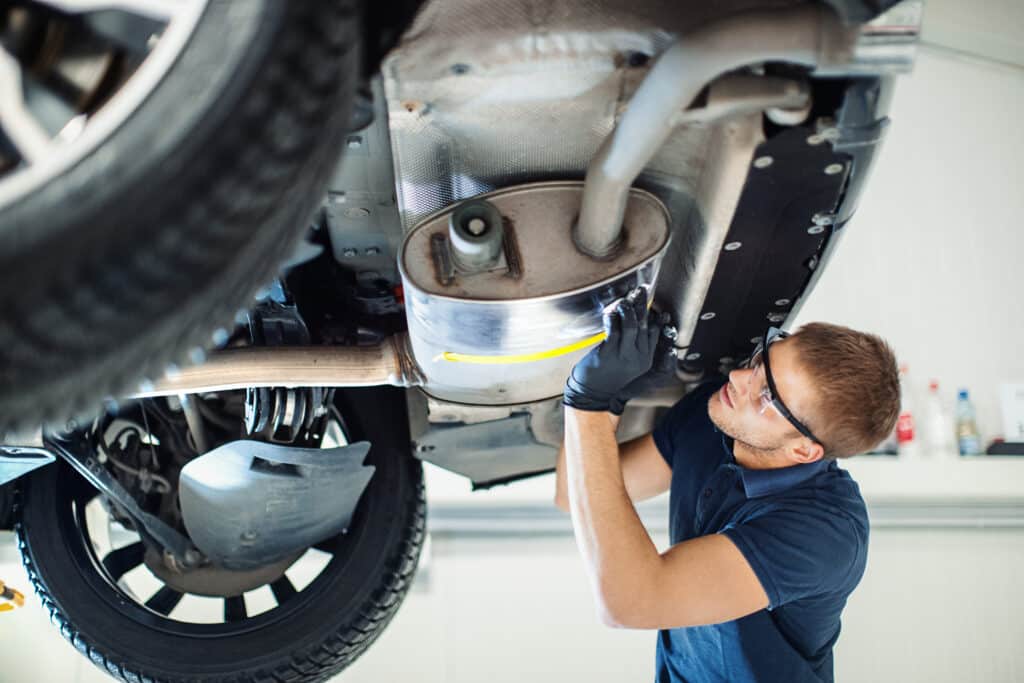
Check the exhaust system often to find problems early. Look for holes, rust, or loose parts.
Listen for strange noises like loud rumbling or hissing sounds. These can show leaks or damage.
- Inspect pipes and muffler for cracks or holes
- Check hangers and clamps for tightness
- Notice any unusual smells inside the car
- Watch for warning lights on your dashboard
Professional Repairs
Some exhaust damage needs expert work. Professionals have tools and skills to fix issues safely.
Take your car to a mechanic if you see big holes or hear loud noises. They can replace or repair parts correctly.
- Use certified mechanics for exhaust repairs
- Ask for a full system check
- Get a written estimate before work starts
- Follow advice on part replacements
Preventive Measures
Prevent damage by avoiding road debris and rough terrain. Keep your car clean and dry to stop rust.
Drive carefully and avoid short trips that can cause moisture buildup in the exhaust.
- Park in a garage to protect from weather
- Wash the undercarriage to remove salt and dirt
- Avoid hitting curbs or speed bumps hard
- Take longer drives to dry out the system

Credit: urbsgarage.com
Frequently Asked Questions
What Are The Risks Of A Damaged Exhaust System?
A damaged exhaust system can release toxic gases like carbon monoxide. This can cause health hazards and reduce vehicle safety. It also affects engine performance and fuel efficiency, leading to costly repairs.
How Does Exhaust Damage Affect Car Performance?
Damage to the exhaust system disrupts gas flow, reducing engine power. It increases fuel consumption and causes unusual noises. This leads to poor driving experience and potential engine damage.
Can Exhaust Leaks Cause Carbon Monoxide Poisoning?
Yes, exhaust leaks allow carbon monoxide to enter the vehicle cabin. Carbon monoxide is odorless and deadly in high concentrations. It poses a serious health risk to drivers and passengers.
Why Is Exhaust System Maintenance Important?
Regular maintenance prevents corrosion, leaks, and blockages in the exhaust system. It ensures optimal engine function, reduces harmful emissions, and prolongs vehicle lifespan. Timely checks save money and improve safety.
Conclusion
Damage to the exhaust system can cause serious problems. It can make your car unsafe to drive. Harmful gases may leak inside the vehicle. This puts your health at risk. Also, a broken exhaust lowers fuel efficiency. Repairs can become very costly if ignored.
Regular checks help catch damage early. Keep your car safe and running well. Don’t wait until small issues become big troubles. Taking care of the exhaust protects you and others on the road. Simple maintenance saves money and lives.