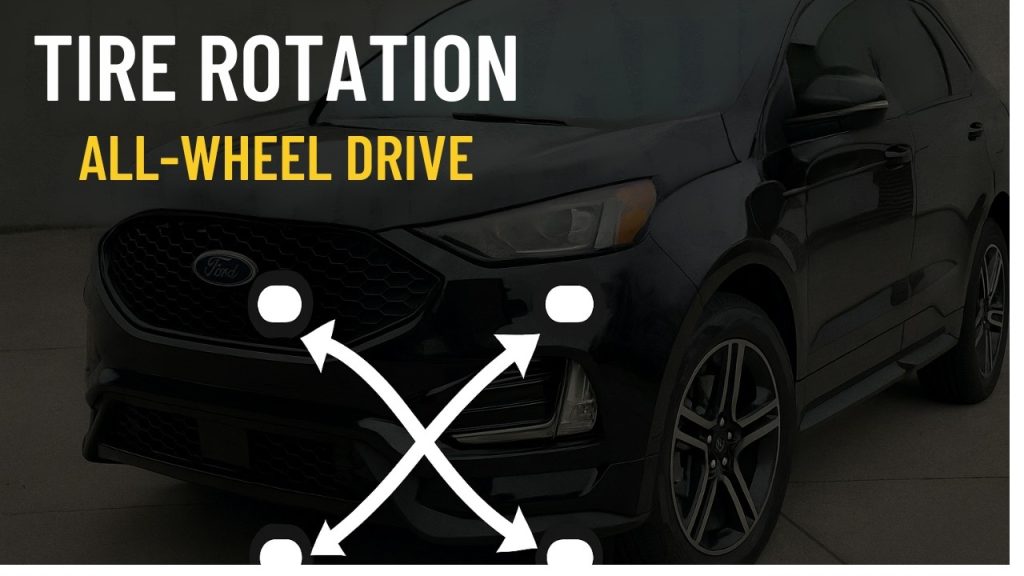
If you drive an AWD car, you might be wondering: do you really need to rotate your tires? It’s a simple question, but the answer can save you money and keep your car running smoothly.
Tire rotation isn’t just a routine chore—it affects your safety, your car’s performance, and how long your tires last. Keep reading, because understanding this could help you avoid costly repairs and get the most out of your vehicle. Let’s dive into what tire rotation means for your AWD car and why it matters to you.

Credit: www.reddit.com
Awd And Tire Rotation Basics
All-wheel drive (AWD) cars send power to all four wheels. This helps with better traction and control on roads.
Tire rotation means moving tires from one position to another. This helps tires wear evenly and last longer.
How Awd Affects Tire Wear
AWD cars put power on all tires at the same time. This causes tires to wear in different ways than front-wheel or rear-wheel drive cars.
If tires wear unevenly, it can strain the AWD system. This might cause damage or reduce performance.
- AWD needs tires with similar tread depth
- Uneven wear can affect handling and safety
- Tire rotation helps keep wear balanced
Importance Of Even Tire Wear
Even tire wear helps your car drive smoothly and safely. It also helps tires last longer, saving money.
Rotating tires regularly spreads out wear. This keeps all tires at similar tread levels, which is important for AWD cars.
- Prevents uneven tire tread
- Maintains good traction on all wheels
- Protects the AWD system from damage
- Improves fuel efficiency and ride quality

Credit: www.daleearnhardtjrbuickgmc.com
Rotation Frequency For Awd Vehicles
All-Wheel Drive (AWD) cars distribute power to all tires. This helps with traction and control. But, it also causes tire wear. Regular rotation is key to even out the wear.
Rotating tires keeps the car running smoothly. It extends the life of the tires. Let’s explore how often you should rotate them.
Recommended Rotation Intervals
Experts suggest rotating your AWD tires every 5,000 to 7,500 miles. This helps ensure even wear across all tires.
- Rotate with every oil change for convenience.
- Follow the car manufacturer’s guidelines.
- Check your tire warranty for specific advice.
Signs You Need A Rotation
Sometimes, tires show signs they need rotation sooner. Watch for these warning signs.
| Sign | Description |
| Uneven Tread Wear | One tire looks more worn than others. |
| Vibration | The car shakes while driving at high speeds. |
| Poor Traction | Slipping during wet conditions. |
Rotation Patterns For Awd Cars
All-wheel drive (AWD) cars need regular tire rotation to keep tires wearing evenly. This helps the tires last longer and keeps the car safe to drive.
Choosing the right rotation pattern for AWD cars is important. AWD vehicles have power going to all four wheels, so tire wear can be different than other cars.
Common Rotation Methods
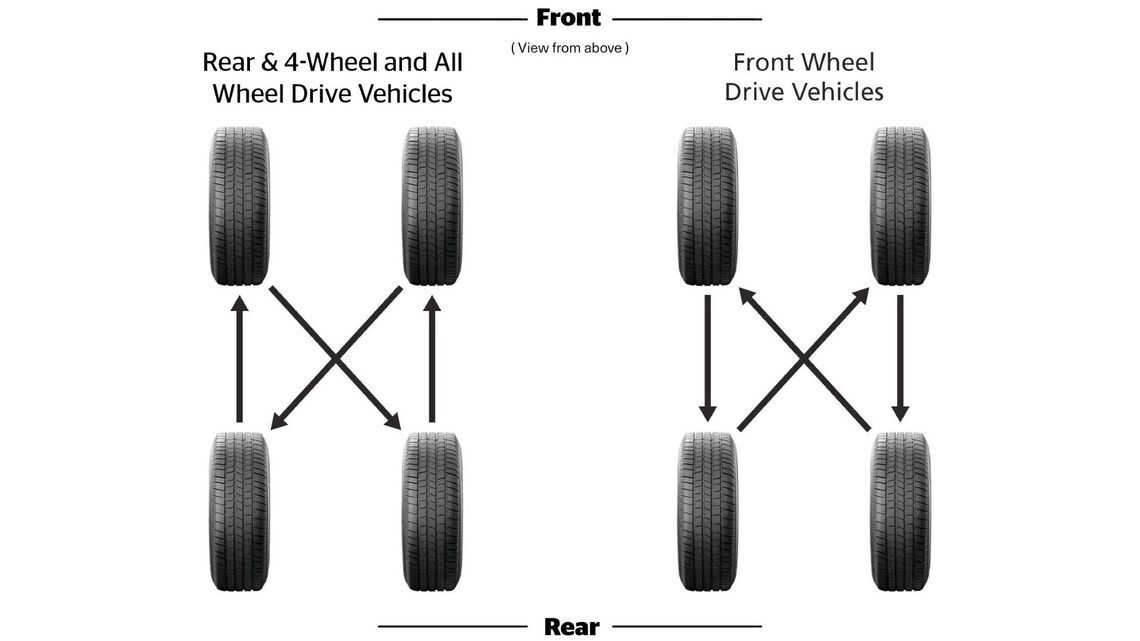
The most common ways to rotate tires on AWD cars are the X-pattern and the Forward Cross pattern. These patterns help spread tire wear evenly.
- X-Pattern:Swap front tires to opposite rear positions and rear tires to opposite front positions.
- Forward Cross:Move front tires straight back and cross the rear tires to the front.
Some AWD cars with different tire sizes on front and rear need a more specific pattern. This may involve swapping only side to side on the same axle.
Choosing The Right Pattern
Check your car’s manual for the recommended tire rotation pattern. Different AWD models can have different needs.
If the tires are all the same size, using the X-pattern or Forward Cross is usually safe. If your car has different sizes, use the side-to-side pattern.
- Use X-pattern or Forward Cross for same-size tires.
- Use side-to-side rotation for different front and rear tire sizes.
- Follow manufacturer advice for best results.
Credit: www.bfgoodrichtires.com
Benefits Of Regular Tire Rotation
Tire rotation means moving tires from one position to another. This helps wear tires evenly. All-wheel drive (AWD) cars can benefit from this process. Regular tire rotation keeps tires working well for longer.
Rotating tires on AWD cars helps keep the car balanced. It also improves how the car drives. This practice is important for safety and saving money.
Enhancing Tire Lifespan
Rotating tires spreads wear across all tires. This stops one tire from wearing out too fast. Even tire wear means tires last longer. It saves money on buying new tires.
AWD cars use all four tires equally. Without rotation, some tires may wear unevenly. Rotating tires fixes this issue and extends tire life.
Improving Vehicle Performance
Good tire condition helps your AWD car drive smoothly. Rotated tires keep grip strong on all wheels. This improves handling and control on the road.
When tires wear evenly, the car moves in a balanced way. This reduces stress on the drivetrain and suspension parts. The car performs better and lasts longer.
Maintaining Safety On The Road
Safe tires stop the car well in wet or slippery conditions. Rotating tires ensures all tires have good tread. This helps prevent skidding or losing control.
- Even tire wear improves braking power
- Balanced tires reduce chances of blowouts
- Maintains AWD system stability for better safety
Additional Tire Care Tips
Tires need regular care to keep your AWD car safe and efficient. Proper maintenance extends tire life.
Here are important tips to help you take good care of your tires beyond rotation.
Checking Tire Pressure
Check tire pressure at least once a month. Proper pressure improves fuel efficiency and tire wear.
- Use a reliable tire pressure gauge
- Check pressure when tires are cold
- Compare with the recommended PSI in your owner’s manual
- Adjust pressure as needed
Balancing And Alignment
Balanced tires and correct alignment prevent uneven wear. They improve handling and ride comfort.
| Service | Why It Matters | How Often |
| Tire Balancing | Reduces vibrations and wear | Every 5,000 to 6,000 miles |
| Wheel Alignment | Prevents uneven tire wear | Once a year or after hitting obstacles |
Inspecting Tread Depth
Check tread depth to ensure good traction and safety. Worn treads reduce grip on wet or icy roads.
To check tread depth, you can use a simple penny test:
- Insert a penny into the tire tread with Lincoln’s head upside down.
- If you see the top of Lincoln’s head, the tread is too low.
- Replace tires if tread is below 2/32 inch.
Frequently Asked Questions
Do Awd Cars Require Regular Tire Rotation?
Yes, AWD cars need regular tire rotation to ensure even tire wear. This helps maintain proper traction and prolongs tire life.
How Often Should Awd Tires Be Rotated?
AWD tires should be rotated every 5,000 to 7,500 miles. Follow your vehicle’s manual for specific recommendations.
What Happens If Awd Tires Aren’t Rotated?
Uneven tire wear can cause handling issues and damage the AWD system. Rotating tires prevents costly repairs.
Can I Rotate Awd Tires Myself?
Yes, you can rotate AWD tires if you have the right tools and knowledge. Otherwise, consult a professional.
Conclusion
Tire rotation helps AWD cars wear tires evenly and last longer. It keeps your car safe and improves handling on the road. Regular rotation saves money by preventing early tire replacement. Check your owner’s manual for the best rotation schedule.
Don’t skip this simple step if you want smooth driving. Remember, good tire care means a better ride every day.