Your air conditioner works hard to keep you cool, but when was the last time you truly sanitized it? If your AC is dirty, it could be spreading dust, bacteria, and allergens right into your home.
That’s not just uncomfortable—it can affect your health. You might think cleaning is complicated or time-consuming, but it doesn’t have to be. In this guide, you’ll learn simple, effective steps to sanitize your air conditioner and breathe cleaner, fresher air every day.
Keep reading to discover how easy it is to protect your home and your well-being with a clean AC.
Why Sanitize Your Ac
Sanitizing your air conditioner keeps the air inside your home clean and safe. It removes dirt and germs that can build up over time.
Regular cleaning helps your AC work better and last longer. Here are some key reasons to sanitize your air conditioner.
Health Benefits
Sanitizing your AC helps reduce bacteria and viruses in the air. This lowers the risk of illness for you and your family.
It also reduces dust and other particles that can cause allergies or breathing problems.
Improved Efficiency
Cleaning your AC removes dust and dirt from the filters and coils. This lets the unit cool your home faster and use less energy.
- Less dust means better airflow.
- Clean parts reduce energy use.
- AC works without strain, lowering repair needs.
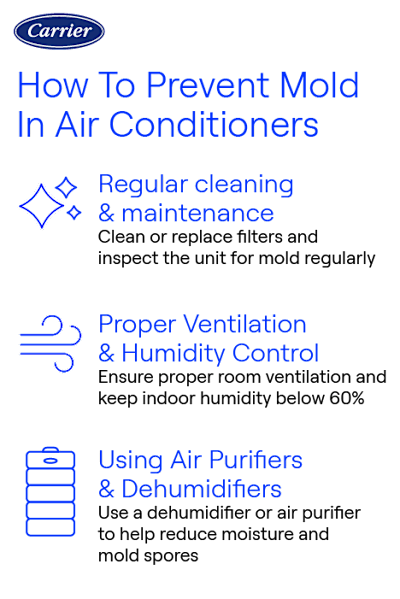
Preventing Mold And Allergens
Mold grows in moist AC parts and spreads spores in the air. Sanitizing stops this growth and keeps allergens away.
| Risk | Effect |
|---|---|
| Mold | Causes allergies and respiratory issues |
| Dust mites | Triggers asthma and sneezing |
| Bacteria | Leads to infections and bad odors |
Credit: www.carrier.com
Tools And Materials Needed
Sanitizing your air conditioner is important for clean air. You’ll need specific tools and materials. This guide will help you gather everything necessary.
Having the right supplies makes the cleaning process easier. Let’s look at what you need.
Cleaning Supplies
Cleaning supplies are essential for removing dust and grime. They help maintain your air conditioner’s efficiency.
- Soft cloths for wiping surfaces
- Mild detergent for cleaning parts
- Warm water for rinsing
- Vacuum with a brush attachment
Protective Gear
Protective gear keeps you safe from dust and chemicals. Wearing it helps prevent skin and eye irritation.
- Gloves to protect your hands
- Safety goggles for eye protection
- Mask to avoid inhaling dust
Specialized Sanitizers
Specialized sanitizers kill germs and bacteria in your air conditioner. They ensure the air you breathe is clean.
- AC coil cleaner for deep cleaning
- Disinfectant spray for killing germs
- Anti-fungal solution to prevent mold
Preparing The Air Conditioner
Cleaning your air conditioner is important to keep it working well. Before you start, you must prepare the unit carefully. This helps you clean safely and correctly.
Preparation includes turning off the power, removing filters, and opening the unit to reach inside parts. These steps make the cleaning process easier and safer.
Turning Off Power
Always turn off the power before cleaning your air conditioner. This prevents electric shocks and damage to the unit. Find the power switch or unplug the device.
If your air conditioner is connected to a circuit breaker, switch it off. Wait a few minutes to ensure the unit is fully powered down before you continue.
Removing Filters
Filters trap dust and dirt from the air. Removing them allows you to clean or replace them. This improves air quality and unit performance.
Open the front panel of the air conditioner. Gently slide or lift out the filters. Handle them with care to avoid damage.
- Locate the front panel or cover
- Open the panel carefully
- Remove filters by sliding or lifting
- Check filters for dirt and damage
Accessing Internal Components
Cleaning inside the unit requires access to coils and fans. Remove screws or clips that hold the outer cover. Keep all parts safe to reassemble later.
Use a flashlight to see inside clearly. Be careful not to touch electrical parts directly. This helps keep the unit safe and clean.
Cleaning The Filters
Cleaning the air conditioner filters is key to keeping the air fresh. Dirty filters reduce airflow and increase energy use.
Regular filter cleaning helps your AC work better and last longer. It also prevents dust and allergens from spreading.
Washing Techniques
Remove the filters carefully before washing. Use mild soap and warm water to clean them gently. Avoid harsh chemicals that can damage the filters.
- Rinse filters under running water to remove dust.
- Soak filters in soapy water for 10 minutes.
- Use a soft brush to scrub away stubborn dirt.
- Rinse thoroughly with clean water.
Drying Tips
Dry filters fully before placing them back. Wet filters can cause mold and damage the air conditioner.
Here are some ways to dry your filters:
- Pat dry with a clean towel.
- Leave the filters in a shaded area to air dry.
- Do not use direct sunlight or heat sources.
When To Replace Filters
| Filter Condition | Action Needed |
| Visible tears or holes | Replace immediately |
| Filters still dirty after cleaning | Replace filters |
| Used for over 3 months | Consider replacement |
Sanitizing The Coils And Fins
Sanitizing your air conditioner’s coils and fins keeps it running well. Clean parts help the system cool your home better.
Regular cleaning stops dust and dirt build-up. This also prevents mold and bacteria growth on the coils and fins.
Cleaning Methods
Turn off the air conditioner before cleaning. Use a soft brush or cloth to remove loose dirt from the coils and fins.
Rinse the area gently with water. Avoid using strong water pressure, as it can bend the fins.
Using Coil Cleaner
Choose a coil cleaner made for air conditioners. Spray the cleaner on the coils and let it sit for a few minutes.
Rinse the coils with water after the cleaner has worked. This removes dirt and kills germs on the surface.
- Use a foaming coil cleaner for better reach
- Wear gloves to protect your hands
- Follow the instructions on the cleaner label
Avoiding Damage
Be gentle when cleaning the fins. Bent fins reduce airflow and lower cooling efficiency.
Do not use sharp tools or hard brushes. These can damage the delicate fins and coils.
- Use a fin comb to straighten bent fins if needed
- Do not spray water directly with high pressure
- Always turn off power before cleaning

Credit: fixthateasy.com
Cleaning The Drain Pan And Lines
Keeping your air conditioner’s drain pan and lines clean is important. It helps stop water damage and keeps the AC working well.
Regular cleaning prevents mold and blockages. This guide shows simple ways to clean these parts safely.
Removing Debris
Start by turning off the AC unit. Remove the drain pan and clear out leaves, dirt, and mold. Use a cloth or paper towel to wipe the pan clean.
- Wear gloves to protect your hands.
- Use a soft brush to scrub stuck debris.
- Check for cracks or damage in the pan.
- Replace the pan if it is cracked or rusted.
Flushing Drain Lines
Drain lines carry water away from the AC. Flush them to remove buildup. Use a garden hose or a wet-dry vacuum to clear clogs.
- Find the drain line access point.
- Insert a hose or vacuum to push out blockages.
- Flush the line with water to rinse it clean.
- Repeat if water drains slowly.
Preventing Clogs
Prevent clogs by keeping the drain pan and lines free from dirt and mold. Regular checks help avoid water damage.
| Prevention Tip | How to Do It |
| Use a drain pan cleaner | Add cleaner monthly to break down buildup |
| Keep area around drain clear | Remove leaves and dust near the drain |
| Inspect drain lines | Look for leaks or cracks every season |
| Schedule regular maintenance | Check and clean every 3-6 months |
Applying Sanitizer
Sanitizing your air conditioner helps keep the air clean and fresh. It also prevents mold and bacteria buildup inside the unit.
Using the right sanitizer and applying it correctly ensures the air conditioner works well and stays safe to use.
Choosing Safe Products
Pick sanitizers made for air conditioners. Avoid harsh chemicals that can damage parts or harm your health.
- Look for EPA-approved products
- Choose water-based sanitizers
- Avoid bleach or ammonia
- Check product labels for safety instructions
Proper Application
Follow these steps to apply sanitizer safely and effectively.
- Turn off and unplug the air conditioner.
- Remove the filter and clean it first.
- Spray the sanitizer evenly on the coils and interior parts.
- Let the sanitizer sit for the recommended time.
- Wipe excess liquid if needed and replace the filter.
- Plug in and turn on the unit after drying.
Frequency Of Sanitizing
Sanitize your air conditioner regularly for best results. The schedule depends on usage and environment.
| Usage Level | Sanitizing Frequency |
| Light (few hours daily) | Every 3 months |
| Moderate (6-8 hours daily) | Every 2 months |
| Heavy (all day use) | Monthly |
Maintaining Your Ac For Cleaner Air
Keeping your air conditioner clean helps improve the air quality in your home. Regular care removes dust and germs from the system.
Sanitizing your AC prevents bad smells and reduces allergies. It also helps the unit work better and last longer.
Regular Cleaning Schedule
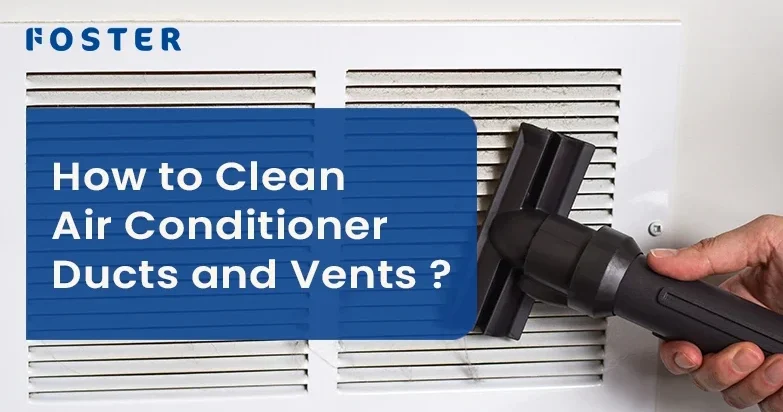
Clean your AC filters every month. Dirty filters block airflow and spread dust. Wipe the vents and outer parts weekly to stop dust buildup.
- Remove and wash filters with mild soap
- Dry filters fully before putting them back
- Wipe vents with a damp cloth
- Check for mold or mildew inside the unit
Professional Servicing
Hire a technician for deep cleaning at least once a year. Experts clean hard-to-reach parts and check for damage. This keeps the AC safe and efficient.
Professionals use special tools to sanitize coils and ducts. They also refill refrigerant if needed. Regular servicing lowers energy costs and extends the AC’s life.
Using Air Purifiers
Air purifiers help clean the air that your AC circulates. They remove pollen, dust, and bacteria. Using a purifier improves indoor air quality.
Place an air purifier near your AC or in the room. Choose one with a HEPA filter for best results. This adds extra protection against allergens and germs.

Credit: www.fosterintl.com
Frequently Asked Questions
How Often Should I Sanitize My Air Conditioner?
You should sanitize your air conditioner every 3 to 6 months. Regular cleaning prevents bacteria and mold buildup, improving air quality and efficiency.
What Materials Are Needed To Sanitize An Air Conditioner?
Common materials include disinfectant spray, soft cloth, brush, vacuum cleaner, and mild detergent. These help clean filters, coils, and vents effectively.
Can I Sanitize My Air Conditioner Myself?
Yes, with proper tools and safety, you can sanitize your air conditioner. Follow manufacturer guidelines and ensure the unit is turned off before cleaning.
Why Is Air Conditioner Sanitization Important?
Sanitizing removes dust, mold, and bacteria, improving indoor air quality. It also enhances cooling efficiency and extends the lifespan of the unit.
Conclusion
Sanitizing your air conditioner keeps the air fresh and healthy. It helps remove dust, mold, and bacteria. Clean filters improve airflow and save energy. Regular cleaning reduces bad odors and repairs costs. A clean AC works better and lasts longer.
Take simple steps to sanitize often. Your home will feel cooler and cleaner. Healthy air means better breathing and comfort. Keep your AC clean for a safer environment. Small efforts make a big difference every day.