You might wonder, “What temperature should I set before turning on my air conditioner?” It’s a question that can save you money, keep your home comfortable, and even extend the life of your AC unit. Choosing the right moment to start cooling is more than just about feeling hot—it’s about smart energy use and staying cool without wasting power.
You’ll discover the perfect temperature to switch on your air conditioner and simple tips to make your home a refreshing oasis all summer long. Keep reading to find out how you can stay comfortable and save!
Credit: www.tomsguide.com
Ideal Temperature Settings
Setting the right temperature for your air conditioner helps keep your home comfortable. It also saves energy and lowers electricity bills.
Choosing the ideal temperature depends on your comfort needs and the weather outside. Let’s look at how to balance both.
Balancing Comfort And Efficiency
Finding a balance between comfort and energy use is important. A very low temperature cools quickly but uses more power. A higher temperature saves energy but may feel warm.
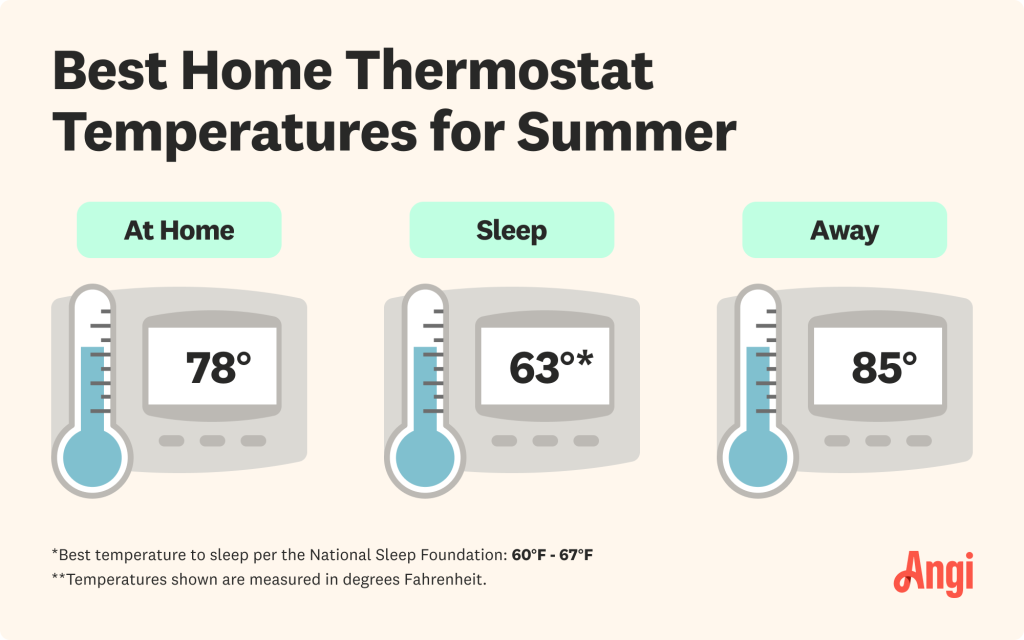
- Set the thermostat to 78°F (25.5°C) when you are home and awake.
- Raise the temperature by 7-10 degrees when away or sleeping.
- Use fans to help air circulate and feel cooler at higher temperatures.
- Keep blinds closed during hot afternoons to reduce heat inside.
Recommended Temperatures For Different Seasons
| Season | Daytime Temperature | Nighttime Temperature |
| Summer | 78°F (25.5°C) | 85°F (29.5°C) |
| Spring | 75°F (23.9°C) | 82°F (27.8°C) |
| Fall | 75°F (23.9°C) | 82°F (27.8°C) |
| Winter | 72°F (22.2°C) | 78°F (25.5°C) |
Factors Influencing Ac Temperature
Choosing the right temperature for your air conditioner depends on many things. These factors help you save energy and stay comfortable.
Understanding these factors can help you decide when to turn on your AC and what temperature to set.
Outdoor Climate Impact
The outside weather affects how hard your AC works. Hotter days need cooler AC settings to keep your home comfortable.
Humidity and sunshine also change how warm your house feels. High humidity can make the air feel hotter.
- Hot, sunny days increase indoor temperature
- High humidity makes air feel warmer
- Cool evenings may allow higher AC settings
Home Insulation And Ventilation
Good insulation keeps your home cool by blocking outside heat. Poor insulation lets heat in, making your AC work harder.
Proper ventilation helps air flow and removes hot air from inside. It supports your AC in keeping the temperature steady.
- Well-insulated homes stay cooler longer
- Gaps and cracks let heat enter easily
- Ventilation removes warm indoor air
Personal Comfort Preferences
Everyone feels temperature differently. Some like cooler air, others prefer it warmer. Set your AC to match what feels best.
Adjust your thermostat based on activities and time of day for better comfort.
- Some prefer cooler air for sleeping
- Warmer settings save energy but may reduce comfort
- Adjust temperature for different rooms or times
Energy-saving Strategies
Saving energy while using an air conditioner helps lower bills. It also reduces strain on the environment. Knowing the right temperature to set is key for comfort and savings.
This guide shares tips on thermostat use, fan help, and maintenance. These ideas keep your AC efficient and your home cool.
Optimal Thermostat Use
Set your thermostat at 78°F (26°C) when you are home. This temperature balances comfort and energy use. When you are away, raise it to 85°F (29°C) to save more power.
- Keep the thermostat steady to avoid extra energy use.
- Use a programmable thermostat to change temperatures automatically.
- Close blinds or curtains to block heat during sunny hours.
- Avoid setting the thermostat too low; it wastes energy.
Using Fans To Complement Ac
Fans help spread cool air and reduce AC workload. Ceiling fans should run counterclockwise in summer to push air down.
| Fan Type | Best Use | Energy Effect |
| Ceiling Fan | Run counterclockwise | Improves AC efficiency |
| Portable Fan | Use in occupied rooms | Low energy use, cools skin |
| Exhaust Fan | Remove hot air from kitchen | Reduces indoor heat |
Regular Maintenance Tips
Keep your AC clean and checked to save energy. Dirty filters and coils make the system work harder.
Maintenance tasks include:
- Change or clean air filters every 1-3 months
- Check and clean AC coils yearly
- Clear debris around outdoor units
- Schedule professional service annually
Credit: heatable.co.uk
Smart Technology Benefits
Smart technology makes controlling your air conditioner easy. It helps you save energy and money.
With smart tools, you can set the perfect temperature. They offer many features to keep your home comfortable.
Programmable Thermostats
Programmable thermostats let you set schedules. They adjust the temperature when you are not home.
- Set different temperatures for day and night
- Use vacation mode when away
- Reduce energy use automatically
Smart Ac Controllers
Smart AC controllers connect to your smartphone. You can change the settings from anywhere.
Use your phone to:
- Turn the AC on or off remotely
- Adjust the temperature from another room
- Receive alerts when maintenance is needed
Energy Monitoring Tools
Energy monitoring tools show you how much energy your AC uses. They help you find ways to save more.
| Feature | Benefit |
| Real-time tracking | See current energy use |
| Usage reports | Understand past usage |
| Cost estimation | Plan your budget better |
Common Mistakes To Avoid
Knowing the right time to turn on your air conditioner saves energy and money. Many people make errors that reduce comfort and increase costs.
Learning about common mistakes helps you use your AC smartly and keep your home cool.
Setting Too Low Temperatures
Setting your AC too low wastes energy and makes your system work harder. It can raise your electricity bills.
Try to keep your thermostat at a comfortable but reasonable temperature, like 24-26°C (75-78°F).
- Very low settings cause extra energy use
- Keep thermostat steady to avoid frequent changes
- Use fans to help spread cool air
Ignoring System Maintenance
Skipping regular AC maintenance can cause poor cooling and higher energy use. Dirty filters block airflow and strain the system.
Check and clean filters every month during heavy use. Schedule yearly professional checks for best performance.
- Clean or replace air filters often
- Clear debris around outdoor units
- Check for leaks or unusual noises
Overusing Ac During Mild Weather
Running your air conditioner when the weather is cool wastes power. It is better to use natural ventilation or fans.
Use the AC only when the temperature is high enough to need cooling. This saves energy and extends your AC’s life.
- Open windows when outside is cool
- Use ceiling or portable fans
- Turn off AC during mild days

Credit: www.reddit.com
Frequently Asked Questions
When Is The Best Temperature To Turn On The Ac?
The ideal temperature to turn on your AC is around 78°F (25. 5°C). This balances comfort and energy efficiency, keeping your home cool without high electricity costs.
Should I Turn On The Ac Before It Gets Hot?
Yes, turning on the AC before extreme heat helps maintain consistent indoor comfort. It prevents the system from overworking during peak heat periods.
How Does Temperature Setting Affect Ac Energy Use?
Setting your AC too low increases energy consumption and costs. Keeping it at 78°F or higher reduces power use while maintaining comfort.
Can I Save Money By Adjusting Ac Temperature?
Yes, raising your thermostat by 2-3°F can lower energy bills by up to 10%. Small adjustments make a big difference in savings.
Conclusion
Choosing the right temperature for your air conditioner saves energy and money. Set it around 78°F when you are home. Raise it a bit when you leave the house. This way, your home stays comfortable without wasting power. Small changes in temperature make a big difference.
Remember, staying cool does not mean turning the AC too low. Find the balance that works for you and your family. This simple step helps keep your bills low and the air fresh. Stay smart, stay comfortable.