Are you curious about how much power a 3 ton air conditioner uses and what that means for your energy bills? Understanding the energy consumption of your AC can help you save money and make smarter choices for your home.
You’ll discover clear answers and practical tips to manage your cooling costs without sacrificing comfort. Keep reading to find out exactly how your 3 ton air conditioner impacts your power usage and what you can do to control it.
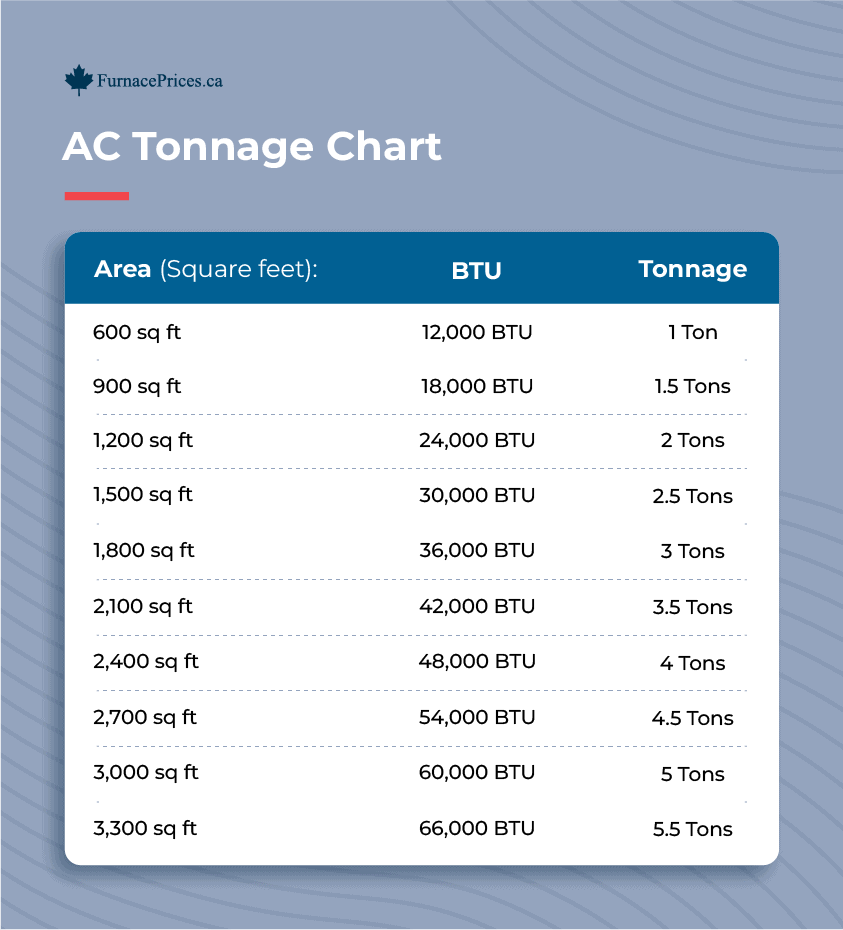
Credit: www.furnaceprices.ca
3 Ton Ac Basics
A 3 ton air conditioner is a common size for cooling many homes and spaces. Understanding how it works helps you manage energy use.
This guide explains what “3 ton” means and how cooling capacity affects power use.
What Does 3 Ton Mean
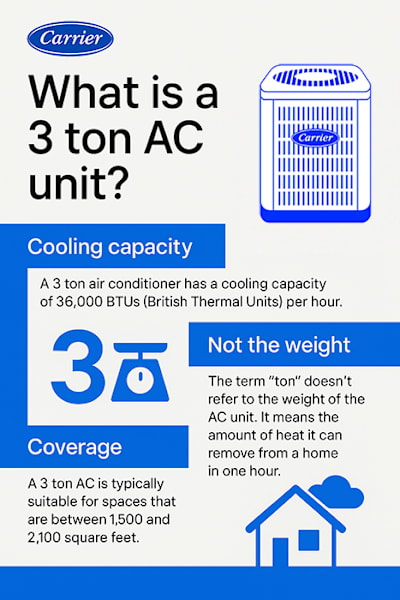
The term “3 ton” in air conditioning refers to the unit’s cooling power. It does not mean the weight of the AC.
- One ton equals the ability to melt one ton of ice in 24 hours.
- A 3 ton AC can cool as much as melting three tons of ice daily.
- This translates to about 36,000 British Thermal Units (BTUs) per hour.
- BTU measures heat removal from the air inside your home.
Cooling Capacity Explained
Cooling capacity shows how much heat the AC can remove from your space. It affects energy consumption and comfort.
| Capacity | BTUs per Hour | Typical Room Size |
| 1 Ton | 12,000 | 600 – 1,000 sq ft |
| 2 Ton | 24,000 | 1,000 – 1,500 sq ft |
| 3 Ton | 36,000 | 1,500 – 2,000 sq ft |
Power Consumption Factors
A 3 ton air conditioner uses electricity based on several factors. These factors affect how much power the unit needs to cool your space.
Understanding these can help you estimate the energy use and manage your cooling costs better.
Energy Efficiency Ratio (eer)
EER measures how efficiently an air conditioner uses power. It is the ratio of cooling output to power input.
A higher EER means the unit uses less electricity to cool the same area. This reduces your power consumption.
- EER is calculated at a constant temperature.
- Units with EER above 10 are more efficient.
- Lower EER means higher electricity use.
Seasonal Energy Efficiency Ratio (seer)
SEER shows how efficient an air conditioner is over a whole cooling season. It accounts for changing temperatures.
SEER ratings help compare units for real-world energy use across months.
- Higher SEER means better seasonal efficiency.
- Typical SEER ratings range from 13 to 21.
- More efficient models save energy year-round.
Usage Patterns And Settings
How you use your air conditioner affects its power use. Longer run times increase electricity consumption.
Settings like temperature and fan speed also change power needs.
- Setting temperature lower uses more energy.
- Using energy saver mode can reduce power use.
- Turning off the AC when not needed saves electricity.
- Frequent on/off cycles can increase energy use.
Typical Power Usage
A 3 ton air conditioner uses a significant amount of electricity. Understanding its power usage helps manage energy bills. This guide explains typical power consumption for a 3 ton AC unit.
We will look at average wattage draw and estimate daily and monthly energy use. This information helps you plan your electricity needs better.
Average Wattage Draw
A 3 ton air conditioner usually draws between 3000 and 4000 watts when running. The exact wattage depends on the model and efficiency rating.
- Cooling capacity: 36,000 BTU per hour
- Power consumption range: 3000 to 4000 watts
- Energy efficiency ratio (EER) affects actual wattage
- Higher EER means lower power use for the same cooling
Daily And Monthly Energy Use
Energy use depends on how many hours the air conditioner runs each day. You can estimate daily and monthly electricity consumption using wattage and usage hours.
| Usage Time | Power Draw (Watts) | Daily kWh | Monthly kWh (30 days) |
| 4 hours | 3500 | 14 | 420 |
| 8 hours | 3500 | 28 | 840 |
| 12 hours | 3500 | 42 | 1260 |
Cost Implications
Understanding the power use of a 3 ton air conditioner helps you see its cost impact. Running this unit affects your monthly electricity bill.
Knowing how to calculate these costs and the influence of local energy rates can help you budget better.
Calculating Electricity Bills
A 3 ton air conditioner typically uses about 3.5 to 4.5 kilowatts per hour. To find daily or monthly costs, multiply this by your usage hours and your local electricity rate.
- Find the air conditioner’s power consumption in kilowatts (kW).
- Estimate hours of daily use.
- Multiply power consumption by hours to get daily kWh.
- Multiply daily kWh by electricity cost per kWh.
- Multiply by days in the month for monthly cost.
Impact Of Local Energy Rates
Electricity rates vary by location. This change affects how much you pay to run your air conditioner.
| City | Average Rate (per kWh) | Estimated Monthly Cost |
| New York | $0.18 | $75 – $90 |
| Los Angeles | $0.20 | $83 – $100 |
| Houston | $0.12 | $50 – $60 |
| Chicago | $0.15 | $62 – $75 |
Ways To Reduce Power Use
Reducing the power use of a 3 ton air conditioner is important. It saves money and helps the environment.
There are simple ways to lower energy consumption. Follow these tips to keep your home cool and efficient.
Regular Maintenance Tips
Regular maintenance keeps your air conditioner running smoothly. Clean or replace filters every month.
Check for leaks in the ducts. Leaks can cause your unit to work harder, using more power.
- Clean the outdoor unit regularly
- Ensure proper airflow around the unit
- Schedule professional check-ups annually
Smart Thermostat Benefits
Smart thermostats help you save energy. They learn your schedule and adjust the temperature automatically.
With a smart thermostat, you can control the temperature from your phone. This means you can make changes even when you are not home.
- Set different temperatures for different times of day
- Receive energy usage reports
- Get reminders to change filters
Energy-saving Settings
Use energy-saving settings on your air conditioner. Set the temperature higher when you are not home.
Use fans to circulate air. This allows you to set the thermostat a bit higher without feeling warmer.
- Keep blinds closed during the day
- Use ceiling fans to spread cool air
- Turn off the AC when windows are open

Credit: calfohomeservices.com
Comparing Ac Sizes
Air conditioners come in many sizes. The size affects how much power they use. A 3 ton air conditioner is common for many homes.
Understanding power use helps you pick the right AC. Smaller and larger units use different amounts of electricity.
Power Use Of Smaller Units
Smaller AC units, like 1 to 2 tons, use less power. They are good for small rooms or apartments. These units usually use between 1,000 and 2,400 watts.
Because they use less power, smaller units cost less to run. They cool smaller spaces efficiently without wasting electricity.
- 1 ton AC uses about 1,200 watts
- 1.5 ton AC uses about 1,800 watts
- 2 ton AC uses about 2,400 watts
Power Use Of Larger Units
Larger AC units, such as 3 to 5 tons, use more power. They are made for big homes or offices. A 3 ton unit typically uses around 3,500 watts.
These units cool large areas fast but use more electricity. It is important to size the unit correctly to avoid high energy bills.
- 3 ton AC uses about 3,500 watts
- 4 ton AC uses about 4,700 watts
- 5 ton AC uses about 5,900 watts
Environmental Impact
A 3 ton air conditioner uses a lot of electricity to cool a space. This energy use affects the environment in many ways. It is important to understand these effects to reduce harm.
Electricity for air conditioners often comes from burning fossil fuels. This process releases greenhouse gases that warm the planet. Knowing the impact helps people make better choices.
Carbon Footprint Of Ac Use
A 3 ton AC unit can use about 3,500 to 4,000 watts per hour. This means it consumes a lot of power daily. The more power used, the higher the carbon footprint.
Carbon footprint means the total greenhouse gases produced. These gases come from electricity generation and refrigerants in AC units. Both contribute to climate change.
- Electricity use creates carbon dioxide (CO2) emissions
- Older AC units may leak harmful refrigerants
- Higher usage increases overall greenhouse gases
Eco-friendly Alternatives
Choosing eco-friendly cooling options helps lower environmental harm. Using energy-efficient ACs or alternative cooling methods reduces power use and emissions.
Simple habits also help. Setting higher thermostat temperatures and using fans can cut energy use. Solar-powered systems are another green option.
- Use energy star certified air conditioners
- Install ceiling fans to improve air flow
- Set thermostats to 78°F (26°C) or higher
- Try evaporative coolers in dry climates
- Consider solar panels to power your AC

Credit: www.acdirect.com
Frequently Asked Questions
How Much Electricity Does A 3 Ton Ac Consume?
A 3 ton air conditioner typically consumes 3,500 to 4,000 watts per hour. Usage varies by model and efficiency. Energy-saving models consume less power, reducing electricity bills significantly.
What Factors Affect A 3 Ton Ac’s Power Usage?
Power usage depends on the AC’s EER rating, usage duration, and room size. Poor insulation and high outdoor temperatures increase consumption. Regular maintenance also helps optimize power efficiency.
How To Calculate The Cost Of Running A 3 Ton Ac?
Multiply the AC’s wattage by hours used, then convert to kilowatt-hours. Multiply kWh by your electricity rate to get cost. This method estimates daily or monthly running expenses accurately.
Is A 3 Ton Ac Energy Efficient?
Energy efficiency depends on the AC’s SEER or EER rating. Higher ratings mean lower power consumption for the same cooling. Choose models with ENERGY STAR certification for best efficiency.
Conclusion
A 3 ton air conditioner uses about 3,500 to 4,000 watts per hour. This can vary based on model and usage. Knowing power use helps manage electricity bills. Choosing energy-efficient units saves money and energy. Regular maintenance keeps the air conditioner running well.
Small changes in use can reduce power waste. Understanding your AC’s power needs is smart. It helps keep your home cool without surprises. Stay mindful of energy use for comfort and savings.