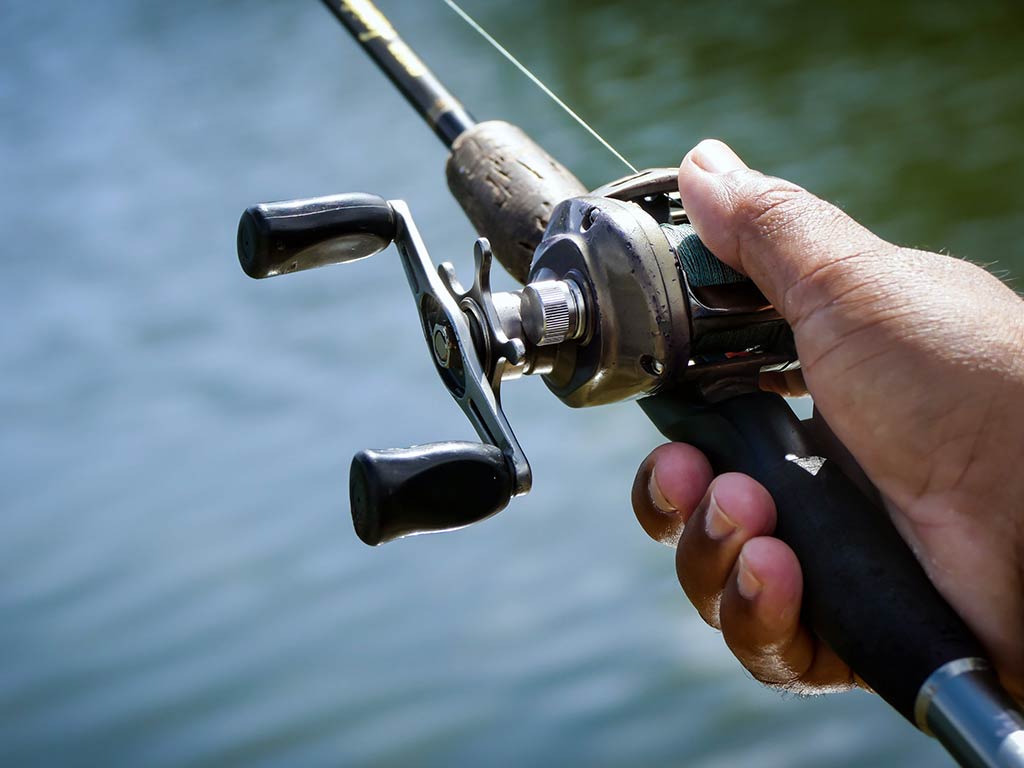
Are you ready to catch your next big fish but unsure how to hold your fishing rod properly? Holding your fishing rod the right way makes a huge difference—not just in comfort, but in how well you cast and reel in your catch.
Whether you’re a beginner or just want to improve your technique, this guide will show you simple steps to grip your rod with confidence. Keep reading, and you’ll discover easy tips that can boost your fishing success and make every trip more enjoyable.
Choosing The Right Rod
Choosing the right fishing rod is important for a good fishing experience. The rod affects your control and comfort while fishing.
Picking a rod that fits your needs helps you catch fish easier and enjoy the sport more.
Types Of Fishing Rods
There are several types of fishing rods made for different fishing styles. Each rod has unique features for certain water and fish.
- Spinning rods are good for light lures and small fish.
- Baitcasting rods offer more control for heavier lures.
- Fly rods are designed for fly fishing with special casting techniques.
- Surf rods are long and strong for fishing from the shore.
Matching Rod To Fish Species
Different fish need different rod strength and action. Choose a rod that matches the fish you want to catch.
Small fish need lighter rods, while big fish require stronger rods to handle the fight.
- Light rods for trout, panfish, and small bass.
- Medium rods for larger bass, walleye, and catfish.
- Heavy rods for big fish like pike, muskie, and saltwater species.
Considering Rod Length And Power
Rod length affects casting distance and control. Longer rods cast farther, shorter rods give better accuracy.
Rod power means how strong the rod is. It should match the size of fish and fishing style.
| Rod Length | Best Use |
|---|---|
| 5 to 6 feet | Close-range fishing, small streams, and ponds |
| 6 to 7 feet | General freshwater fishing |
| 7 to 9 feet | Long casts and larger waters |
- Light power rods work well for small fish and light lures.
- Medium power rods suit most freshwater fishing.
- Heavy power rods handle big fish and strong fights.
Basic Grip Techniques
Learning to hold a fishing rod is important for beginners. A good grip helps you control your cast and catch more fish.
Different grip techniques suit different fishing styles. Here are some basic ways to hold your rod.
Overhand Grip
The overhand grip is common for casting. It gives you strong control over the rod.
Hold the rod above the reel with your fingers wrapped around it. Your thumb should rest on top of the rod.
- Good for long casts
- Provides stability
- Helps with heavy lures
Underhand Grip
The underhand grip is useful for short, accurate casts. It is also easy for kids to learn.
Hold the rod below the reel. Your fingers should wrap around the handle, with your thumb resting underneath.
- Perfect for small streams
- Offers precision
- Great for light tackle
Thumb-on-top Grip
The thumb-on-top grip is versatile. It works well for different fishing styles and is easy to master.
Place your thumb on top of the rod handle. Wrap your fingers around the rod for a firm hold.
- Provides comfort
- Ideal for beginners
- Adaptable to various techniques
Advanced Grip Styles
Holding a fishing rod properly improves control and accuracy. Advanced grip styles help anglers cast better and fish more effectively.
Each grip suits different fishing techniques and conditions. Learning these grips will enhance your fishing experience.
Pitching And Flipping Grip
This grip is perfect for short, precise casts in tight spaces. Hold the rod with your dominant hand near the reel seat. Use your thumb to control the line release.
- Keep your index finger on the rod for better control.
- Use a gentle squeeze, not a tight hold.
- Keep your wrist firm but flexible.
Two-handed Grip
Use both hands for longer casts and heavy lures. Place your dominant hand above the reel and the other hand near the rod butt. This grip gives more power and balance.
- Grip the rod firmly but not too tight.
- Align your hands to keep the rod steady.
- Use your arms and body to cast smoothly.
Adjusting Grip For Different Reels
Different reels need different grips for best performance. Spinning reels require a looser grip. Baitcasting reels need a firmer hold for control.
| Reel Type | Grip Style | Key Tip |
|---|---|---|
| Spinning Reel | Hold rod lightly with fingers | Keep wrist relaxed |
| Baitcasting Reel | Firm grip near reel seat | Use thumb to control spool |
| Spincast Reel | Comfortable, medium grip | Balance between control and flexibility |

Credit: www.youtube.com
Hand Positioning Tips
Knowing how to hold a fishing rod improves your fishing experience. Proper hand positioning gives better control and less fatigue.
This guide shares simple tips to help you hold your fishing rod correctly. Focus on finger alignment, a relaxed grip, and avoiding mistakes.
Aligning Fingers For Control
Place your fingers around the rod to balance strength and sensitivity. Your index finger should rest along the rod for better control.
Wrap your other fingers firmly but not tightly. This helps you feel the line and rod movement clearly.
- Index finger points forward along the rod
- Thumb rests gently on top for pressure
- Other fingers wrap comfortably below
- Keep fingers close but relaxed
Maintaining A Relaxed Hold
Hold your fishing rod with a relaxed grip to avoid hand cramps. Tight grips make it hard to react quickly.
Let your hand rest naturally on the rod. Relax your wrist and forearm to keep your movements smooth.
- Keep your grip firm but loose
- Avoid squeezing too hard
- Relax your wrist and forearm muscles
- Take breaks to shake out your hand if needed
Avoiding Common Grip Mistakes
Many anglers hold the rod too tightly or with fingers spread too wide. These mistakes reduce control and increase fatigue.
Do not hold the rod too low or too high. Wrong positioning can cause poor casting and less accuracy.
- Do not squeeze the rod handle too tightly
- Avoid spreading fingers too far apart
- Keep the rod handle in the palm, not just fingers
- Hold the rod near the reel for better balance
Casting With The Perfect Grip
Holding your fishing rod correctly helps you cast better. A good grip improves control and comfort.
Learn how to time your cast, adjust your grip, and improve your accuracy and distance.
Timing Your Cast
Good timing lets you release the line smoothly. Watch the rod tip move forward before you let go.
Try to match the speed of your arm and the rod for a clean cast.
Grip Adjustments During Cast
Adjust your grip as you cast to keep control. Hold the rod firmly but not too tight.
- Start with your thumb on top of the rod handle.
- Move your index finger slightly forward for better control.
- Loosen your grip slightly as the rod moves forward.
- Firm up your hold before releasing the line.
Improving Accuracy And Distance
Accuracy and distance depend on how you hold and move the rod. Small changes make a big difference.
| Factor | Effect |
| Grip Strength | Too tight reduces distance, too loose lowers accuracy |
| Rod Angle | Higher angle helps longer casts, lower angle improves accuracy |
| Release Point | Release too early or late causes poor casting |
| Follow Through | Completing the cast adds power and precision |

Credit: fishingbooker.com
Handling Fish With Proper Grip
Holding a fishing rod correctly helps you control the fish better. It also protects the rod and your hands during the fight.
Using the right grip keeps you steady and safe. It makes catching fish easier and reduces hand strain.
Controlling The Rod During Fight
Hold the rod firmly but not too tight. Keep your dominant hand near the reel for quick control. Use your other hand to support the rod’s weight.
- Place your thumb on top of the rod handle for balance.
- Keep your wrist straight to avoid injury.
- Adjust grip pressure as the fish pulls.
- Use smooth movements to guide the fish.
Reducing Hand Fatigue
Long fishing sessions can tire your hands. Use a soft grip and change hand positions often. This helps blood flow and keeps muscles relaxed.
| Tip | How It Helps |
| Use padded gloves | Reduces pressure on fingers |
| Switch hands regularly | Prevents muscle strain |
| Take short breaks | Lets hands rest and recover |
Ensuring Safety For Angler And Fish
Hold the rod so you can quickly release the fish. Avoid squeezing the rod too hard to prevent slips. Use a proper grip to protect both you and the fish.
- Keep fingers away from the hook and line.
- Use wet hands or a cloth when holding the fish.
- Release the fish gently to avoid harm.
Practicing Grip For Success
Holding a fishing rod with the right grip helps you catch fish better. A strong, steady grip gives control and reduces hand fatigue.
Practice different ways to hold your rod. This helps you feel comfortable and ready for any fishing situation.
Drills To Improve Grip Strength
Grip strength is key to holding the fishing rod firmly. Try these simple drills to build your hand and wrist muscles.
- Squeeze a stress ball for 30 seconds, rest, repeat 5 times.
- Use a hand gripper tool to close and open slowly.
- Hold a lightweight dumbbell and rotate your wrist clockwise and counterclockwise.
- Practice pinching clothespins between your fingers for 1 minute.
Simulating Different Fishing Scenarios
Practice your grip in situations like casting, reeling, and holding the rod steady. This prepares your hands for real fishing moments.
| Scenario | Grip Technique | Focus Area |
| Casting | Firm but relaxed hold near reel | Wrist flexibility |
| Reeling | Steady grip with thumb support | Finger strength |
| Holding Steady | Light grip with balanced fingers | Endurance |
Tracking Progress And Adjustments
Watch how your grip improves over time. Make changes if you feel pain or discomfort. Small fixes help keep your hands strong.
- Note how long you can hold the rod without tiredness.
- Record the ease of casting and reeling.
- Check if your hand feels sore after practice.
- Adjust finger positions for better comfort.

Credit: blackfinrods.com
Frequently Asked Questions
How Do I Properly Grip A Fishing Rod?
Hold the rod with a relaxed but firm grip. Place your dominant hand around the handle, with your thumb on top. Avoid squeezing too tightly to maintain control and reduce fatigue during fishing.
Where Should I Place My Hands On The Fishing Rod?
Place your dominant hand near the reel seat and your other hand further down the rod handle. This balance helps with casting accuracy and control while fighting fish.
How To Position My Wrist For Better Casting?
Keep your wrist firm but flexible. Use your forearm and wrist together for smooth, controlled casts. Avoid stiff or exaggerated wrist movements to prevent strain.
Should I Adjust My Grip When Reeling In A Fish?
Yes, shift your grip slightly for better control. Hold the rod more firmly with your dominant hand while reeling. This improves leverage and helps manage the fish’s resistance.
Conclusion
Holding a fishing rod the right way helps you fish with ease. It keeps your hands steady and your catch secure. Practice often to feel comfortable and confident. Small changes can make a big difference in your fishing success. Remember, patience and focus matter just as much as the hold.
Enjoy each moment by the water and keep learning. Fishing is fun when you hold your rod well.