Have you ever wondered who pays your medical bills if you get hurt in a car accident? Dealing with injuries is hard enough without worrying about how the costs will add up.
Knowing who is responsible for these bills can save you stress and help you focus on healing. You’ll discover the key players involved in covering medical expenses after a crash. Keep reading to find out what steps you should take to protect yourself and your finances.

Credit: amadoresq.com
Parties Responsible For Medical Bills
Medical bills after a car accident can be costly. Knowing who pays these bills is important.
Different parties may share the responsibility for these costs. This depends on the accident details.
At-fault Driver Liability
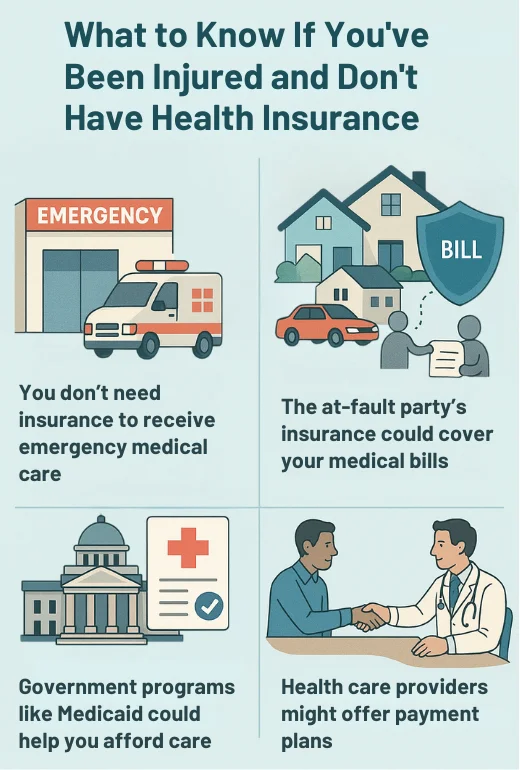
The driver who caused the accident usually has to pay medical bills. This happens through their liability insurance.
If the at-fault driver admits fault, their insurance company will cover your medical costs up to policy limits.
Your Health Insurance Role
Your health insurance can help pay medical bills right after the accident. It often pays first before other sources.
- Health insurance covers emergency care and hospital stays.
- It may require you to pay co-pays or deductibles.
- Health insurers may seek reimbursement from the at-fault driver’s insurance later.
Auto Insurance Coverage Types
| Coverage Type | What It Pays | Who It Helps |
| Liability Insurance | Medical bills of others you injure | Other drivers and passengers |
| Personal Injury Protection (PIP) | Your medical bills and lost wages | You and your passengers |
| Medical Payments Coverage (MedPay) | Your medical bills regardless of fault | You and your passengers |
How Fault Impacts Medical Bill Coverage
Understanding who pays for medical bills in a car accident is important. It often depends on who is at fault.
Different states have different rules. Knowing these can help you prepare for any situation.
No-fault States And Pip Coverage
In no-fault states, your insurance pays for your medical bills. This happens regardless of who caused the accident.
- PIP stands for Personal Injury Protection.
- It covers medical expenses and sometimes lost wages.
- Each state sets its own rules for PIP coverage.
Comparative Fault And Shared Responsibility
Comparative fault means you may share responsibility for the accident. In this case, each party pays for their share of the damages.
If you are 30% at fault, you might pay 30% of your medical bills.
Uninsured Or Underinsured Motorist Claims
Sometimes the other driver has no insurance or not enough. In this situation, your uninsured motorist coverage can help.
| Scenario | Coverage Option |
| Other driver uninsured | Uninsured Motorist Coverage |
| Other driver underinsured | Underinsured Motorist Coverage |
Using Health Insurance After A Car Accident
Car accidents can cause injuries needing medical care. Health insurance helps cover these medical bills. Knowing how health insurance works after a crash is important.
This guide explains when health insurance pays first. It also covers how auto and health insurance work together. Finally, it shows possible out-of-pocket costs.
When Health Insurance Pays First
Health insurance sometimes pays before auto insurance. This happens if the car insurance delays or denies the claim. It also applies if the accident fault is unclear.
- Health insurance covers emergency care quickly.
- It pays for hospital stays and surgeries.
- It helps if you need ongoing treatment.
- Auto insurance may reimburse health insurance later.
Coordination Between Auto And Health Insurance
Both auto and health insurance can pay for some bills. They must work together to avoid double payments. This is called coordination of benefits.
| Insurance Type | What It Covers | Payment Order |
| Health Insurance | Medical bills, hospital stays, treatments | First or after auto insurance denies |
| Auto Insurance | Accident-related injuries, property damage | Usually pays first if claim accepted |
Potential Out-of-pocket Costs
Even with insurance, you may pay some costs. These include deductibles, co-pays, and non-covered treatments. Knowing possible expenses helps you plan better.
- Deductibles: The amount you pay before insurance pays.
- Co-pays: Fixed fees for doctor visits or prescriptions.
- Non-covered services: Treatments not included in your plan.
- Costs if auto insurance delays or denies payment.
Role Of Personal Injury Protection (pip)
Personal Injury Protection (PIP) is a type of car insurance. It helps cover medical bills after a car accident. PIP pays for injuries regardless of who caused the crash.
This coverage can provide quick access to medical care. It reduces the financial burden on accident victims and their families.
What Pip Covers
PIP covers various medical and related expenses. It helps pay for hospital visits, doctor care, and sometimes lost wages. It also covers rehabilitation and funeral costs if needed.
- Medical treatment costs
- Hospital and emergency services
- Rehabilitation and therapy
- Lost wages due to injury
- Funeral expenses in fatal accidents
- Essential services like childcare or house cleaning
Limits And Restrictions
PIP has limits on how much it will pay. These limits vary by state and policy. Some expenses might not be covered. For example, injuries from reckless behavior might be excluded.
| Limit Type | Description |
| Monetary Cap | Maximum dollar amount PIP will pay |
| Time Limit | Period to claim benefits after accident |
| Covered Services | Specific medical services included |
| Exclusions | Situations or injuries not covered |
Filing A Pip Claim
To file a PIP claim, notify your insurance company quickly. Provide all accident and medical information. Keep copies of bills and medical records.
- Report the accident to your insurer within the time limit.
- Submit medical bills and proof of treatment.
- Fill out any required claim forms honestly and completely.
- Follow up regularly with your insurance adjuster.
- Appeal if your claim is denied or underpaid.
Filing Claims And Legal Options
Car accidents can cause serious injuries and high medical bills. Knowing who pays these bills is important. Filing insurance claims and understanding legal options helps cover costs.
This guide explains how to file medical bill claims after a car accident. It also covers when to hire a personal injury lawyer. You will learn about settlement and court verdicts too.
Steps To File A Medical Bill Claim
Start by collecting all medical bills and records from your treatment. These documents show the costs you need to cover. Next, contact your insurance company to report the accident.
Provide your insurer with all the medical documents and accident details. They will guide you on the claim process. Keep copies of everything for your records.
- Gather all medical bills and reports
- Notify your insurance company quickly
- Submit your medical documents and claim forms
- Follow up on the claim status regularly
- Keep detailed records of all communications
When To Hire A Personal Injury Lawyer
Hire a personal injury lawyer if your claim is denied or delayed. If the other driver caused the accident and their insurance won’t pay, a lawyer can help. They work to get fair compensation for your medical bills.
Also, if your injuries are severe or you face long-term care costs, legal help is wise. A lawyer knows the laws and can negotiate with insurance companies. They represent your interests in court if needed.
- Claim denied or delayed by insurance
- Other driver is at fault and refuses to pay
- Injuries are serious or long-lasting
- Insurance offers very low settlement
- You want legal advice on your rights
Settlement Vs. Court Verdicts
Most car accident cases end in a settlement. This means both sides agree on payment without going to court. Settlements are faster and less costly than trials.
If a settlement fails, the case may go to court. A judge or jury decides the amount to pay. Court verdicts can be higher but take more time and money.
- Settlement:Faster, less expensive, agreed by both sides
- Court Verdict:Decided by judge or jury, can be longer and costly
- Settlements avoid public trials and reduce stress
- Court verdicts offer legal finality and possible higher awards

Credit: insureaustin.com
Special Cases Affecting Medical Bill Responsibility
Car accidents can create confusion about who pays medical bills. Some cases have special rules that change who is responsible. These rules depend on the accident’s details.
Understanding these special cases helps you know your options. This guide covers three key situations that affect medical bill payment.
Accidents Involving Multiple Vehicles
When more than two vehicles crash, figuring out who pays medical bills is tricky. Each driver’s insurance may cover part of the costs. Fault might be shared among drivers.
- Each driver’s insurance may pay a share based on fault.
- Some costs might come from your own insurance, like personal injury protection.
- Liability can be split, meaning multiple parties pay portions of the bills.
- Legal help may be needed to sort out who pays what.
Hit-and-run Scenarios
Hit-and-run accidents occur when the other driver leaves the scene. This makes it hard to get medical bills paid by the at-fault driver’s insurance.
| Who Pays | Details |
|---|---|
| Your Auto Insurance | If you have uninsured motorist coverage, it may pay your medical bills. |
| Health Insurance | This may cover your medical costs if auto insurance does not. |
| Government Programs | Some states offer funds to help victims of hit-and-run accidents. |
Injuries Without Clear Fault
Sometimes, it is unclear who caused the injury in a car accident. This can delay medical bill payments. Both sides may deny fault, leaving bills unpaid for a time.
Here are common options for handling medical bills when fault is unclear:
- Use your own personal injury protection (PIP) insurance.
- File claims with your health insurance provider.
- Wait for investigation results before bills get paid.
- Consider legal advice to protect your rights.
Tips To Manage Medical Bills After An Accident
After a car accident, medical bills can quickly add up. Managing these bills carefully can reduce stress and avoid financial problems.
Knowing who pays and how to handle the costs helps you focus on recovery. Use these tips to keep your medical bills under control.
Keep Detailed Records
Write down all medical treatments and expenses related to the accident. Keep copies of bills, receipts, and insurance forms.
Detailed records help you track costs and prove your expenses to insurance or legal parties.
- Save all medical bills and receipts
- Note dates and types of treatments
- Keep communication with doctors and hospitals
- Record any payments made
Communicate With Insurers Promptly
Contact your insurance company soon after the accident. Provide all needed information and documents quickly.
Stay in touch to check the status of your claim. Ask questions if you do not understand anything.
- Report the accident immediately
- Send copies of medical bills and reports
- Keep notes of phone calls and emails
- Follow up regularly on your claim
Explore Payment Plans And Assistance
Ask your medical providers if they offer payment plans. This option can spread out costs over time.
Look for local or state programs that help with medical bills after accidents. These may reduce your financial burden.
- Request payment plans from hospitals or clinics
- Check if your state offers accident assistance programs
- Seek help from non-profit organizations
- Consider negotiating bills if costs are too high

Credit: alphainjurylaw.com
Frequently Asked Questions
Who Is Responsible For Paying Medical Bills After A Car Accident?
Typically, the at-fault driver’s insurance covers medical bills. If liability is unclear, your insurance or personal injury protection may pay first. Medical bills can also be recovered through a personal injury claim against the responsible party.
Does Health Insurance Cover Car Accident Medical Expenses?
Health insurance often covers medical costs from car accidents but may exclude some expenses. It usually pays after auto insurance limits are reached. Coordination between health and auto insurance is essential for full coverage.
Can I Claim Medical Bills Without Proving Fault?
Yes, through no-fault insurance or personal injury protection (PIP), you can claim medical bills regardless of fault. PIP covers medical expenses up to policy limits, helping you receive prompt care without waiting for fault determination.
What Happens If The At-fault Driver Lacks Insurance?
If the at-fault driver is uninsured, your uninsured motorist coverage or health insurance may pay medical bills. Some states offer victim compensation funds to cover expenses when responsible parties cannot pay.
Conclusion
Medical bills after a car accident can be confusing. Often, insurance companies play a big role in payment. Sometimes, the at-fault driver must cover costs. Personal injury protection (PIP) or health insurance may help too. Knowing who pays helps reduce stress.
Always keep good records and seek advice if needed. Understanding your options protects your finances and health. Stay informed to handle bills with confidence.