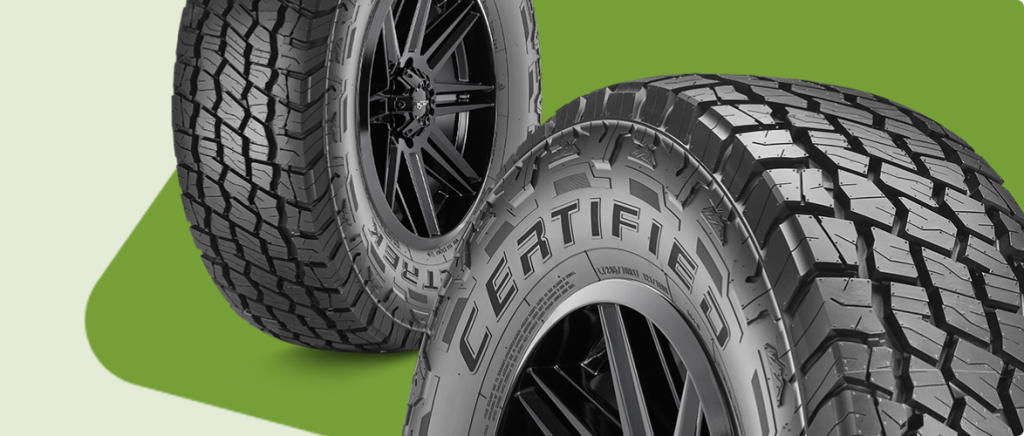
When it comes to your vehicle, tires and wheels are more than just parts—they are the foundation of your safety and performance. You might not think about them often, but the right set can change how your car feels, handles, and even how safe you are on the road.
Are you confident your tires and wheels are doing their best for you? You’ll discover what makes a perfect match, how to choose wisely, and why small details can make a big difference in your driving experience. Keep reading to unlock the secrets that could save you money and keep you safer every time you drive.

Credit: www.zracing.ca
Choosing The Right Tires
Choosing the right tires is important for safety and performance. Tires affect how your vehicle handles on the road. Picking the correct tires can improve fuel efficiency and comfort.
There are many types of tires to consider. Knowing about tread patterns, seasonal options, and sizing helps you make a good choice. This guide explains these key points clearly.
Types Of Tires
Tires come in several types based on driving needs. Common types include all-season, summer, winter, and performance tires. Each type suits different road and weather conditions.
- All-Season Tires:Good for year-round use in mild climates.
- Summer Tires:Provide better grip on dry and wet roads in warm weather.
- Winter Tires:Designed for snow, ice, and cold temperatures.
- Performance Tires:Made for high-speed and sporty driving.
Tread Patterns And Their Impact
Tread patterns affect traction, noise, and water evacuation. Common patterns include symmetrical, asymmetrical, and directional. Each pattern suits different driving styles and conditions.
| Tread Pattern | Best Use | Benefits |
| Symmetrical | Everyday driving | Long tread life, quiet ride |
| Asymmetrical | All-around performance | Good grip on wet and dry roads |
| Directional | Wet conditions | Excellent water evacuation |
Seasonal Tire Options
Using the right tires for the season improves safety. Winter tires have softer rubber for cold weather. Summer tires stay firm and provide better control when hot. All-season tires offer moderate performance in both cold and warm seasons.
- Winter tires improve grip on ice and snow.
- Summer tires perform best on dry and wet pavement in warm weather.
- All-season tires work well in mild climates year-round.
Sizing And Fitment
Correct tire size is important for safety and comfort. Tires have numbers showing width, aspect ratio, and diameter. Using the wrong size can cause handling problems or damage your vehicle.
| Size Marking | Meaning |
|---|---|
| 225 | Width in millimeters |
| 50 | Aspect ratio (height to width) |
| R17 | Radial construction and wheel diameter in inches |
Selecting Wheels For Style
Choosing the right wheels can enhance your vehicle’s look. It’s important to consider both style and function when selecting wheels.
Wheels come in various materials and designs. Each choice affects durability and appearance.
Wheel Materials And Durability
Wheels are made from different materials. Common options include alloy, steel, and carbon fiber.
Alloy wheels are light and stylish. Steel wheels are strong and affordable. Carbon fiber wheels are very light and durable.
- Alloy: Lightweight and stylish
- Steel: Durable and budget-friendly
- Carbon Fiber: Lightweight and very strong
Designs And Finishes
Wheels come in many designs. Some have simple spokes, others are intricate.
Finishes affect the wheel’s look. Options include polished, painted, and chrome.
- Spoke design: Simple or complex
- Finishes: Polished, painted, chrome
- Customization: Add personal touches
Size And Offset Considerations
Wheel size affects the vehicle’s stance. Offset determines how wheels fit in the wheel well.
Choosing the correct size and offset is key. It ensures your wheels fit properly.
| Size | Impact on stance |
| Offset | Fitment in wheel well |
Matching Wheels With Vehicle Type
Different vehicles need different wheels. Sports cars, trucks, and SUVs all have unique requirements.
Consider your vehicle type when choosing wheels. Ensure they enhance both style and performance.
- Sports Cars: Lightweight, stylish designs
- Trucks: Durable, rugged wheels
- SUVs: Strong, versatile wheels
Performance Enhancements
Upgrading tires and wheels can improve your vehicle’s performance. Small changes make a big difference in how your car drives.
This guide covers how tires affect handling, wheel upgrades, balancing, alignment, and tire pressure tips.
How Tires Affect Handling
Tires are the only parts that touch the road. Their grip and design affect your car’s control and safety. Good tires improve cornering and braking.
Wheel Upgrades For Better Performance
Upgrading wheels can reduce weight and increase strength. Lighter wheels help your car accelerate faster and handle better.
- Choose wheels made from lightweight materials like aluminum.
- Select the right size for your car’s suspension.
- Ensure wheels fit your tires properly.
- Look for designs that improve brake cooling.
Balancing And Alignment Tips
Proper balancing and alignment keep your car stable. They also prevent uneven tire wear and improve fuel economy.
| Service | Benefit |
| Wheel Balancing | Reduces vibrations and tire wear |
| Wheel Alignment | Improves handling and tire life |
Tire Pressure And Fuel Efficiency
Correct tire pressure saves fuel. Low pressure increases rolling resistance and burns more gas.
Tips to maintain tire pressure:
- Check pressure monthly
- Use a reliable gauge
- Inflate tires to manufacturer’s recommended level
- Adjust pressure for heavy loads
Maintenance For Longevity
Proper care of your tires and wheels helps them last longer. Regular maintenance keeps your vehicle safe and smooth on the road.
Simple habits like checking tire condition and cleaning wheels improve performance. Learn how to maintain your tires and wheels below.
Regular Inspection Techniques
Check your tires often for damage and wear. Look for cracks, cuts, or objects stuck in the tread.
- Measure tire tread depth to ensure safety.
- Inspect sidewalls for bulges or cracks.
- Check tire pressure monthly using a gauge.
- Look for uneven wear patterns that may need alignment.
Tire Rotation And Balancing
Rotate tires to even out wear. Balanced tires reduce vibration and improve handling.
- Rotate tires every 5,000 to 7,000 miles.
- Balance tires during rotation or when vibration occurs.
- Follow your vehicle’s manual for rotation patterns.
- Use professional help for balancing to avoid damage.
Cleaning And Protecting Wheels
Clean wheels regularly to remove dirt and brake dust. Protect them to prevent corrosion and damage.
| Cleaning Step | Purpose | Tip |
|---|---|---|
| Rinse with water | Remove loose dirt | Use a hose or bucket |
| Use wheel cleaner | Break down brake dust | Choose pH-balanced cleaner |
| Scrub with brush | Clean hard-to-reach areas | Use soft-bristle brush |
| Rinse and dry | Prevent water spots | Use microfiber cloth |
| Apply wheel protectant | Protect finish and shine | Follow product instructions |
When To Replace Tires And Wheels
Replace tires and wheels to keep your vehicle safe and efficient. Watch for signs that show it is time to change them.
- Tire tread depth below 2/32 inch
- Visible cracks, bulges, or sidewall damage
- Frequent air pressure loss
- Wheels bent or cracked from impacts
- Vibration or pulling while driving
Customizing For Personal Style
Tires and wheels are important parts of your vehicle. They can show your personality and style. Customizing them changes how your car looks and feels.
Many people change tires and wheels to make their cars unique. You can choose colors, finishes, and accessories to fit your taste.
Color And Finish Options
Colors and finishes help your wheels stand out. You can pick from many shades and styles to match your car or personal style.
- Matte black for a sleek look
- Glossy chrome for shine and brightness
- Custom colors like red, blue, or gold
- Two-tone finishes mixing colors
- Powder coating for durable color
Aftermarket Accessories
Aftermarket accessories let you add more style and function. These parts fit on your wheels and tires to improve appearance and performance.
- Wheel center caps with logos or designs
- Valve stem caps in different shapes and colors
- Custom lug nuts for added color or security
- Wheel spacers to change stance and fit
- Tire letters to add text or brand names
Trends In Tire And Wheel Customization
Current trends show many drivers want their wheels to look unique. Big wheels and low-profile tires are popular. Colored rims and matching tires are also common.
- Large alloy wheels for a bold look
- Matte and satin finishes over shiny ones
- Colored tire sidewalls for extra style
- Retro designs with modern materials
- Lightweight wheels for better performance
Legal And Safety Considerations
Customizing tires and wheels must follow laws. Some changes can affect safety or cause legal problems. Check rules before you buy or install parts.
- Make sure tire size fits your vehicle specs
- Use wheels that support your car’s weight
- Check local laws on tire tread and markings
- Avoid modifications that block brake or sensor function
- Keep proper tire pressure and balance for safety

Credit: www.amazon.ca
Budgeting And Buying Tips
Buying new tires and wheels can be costly. Planning your budget helps avoid overspending.
Knowing what to look for makes your purchase smarter and safer on the road.
Cost Vs. Quality
Cheaper tires may save money but wear out faster. High-quality tires last longer and perform better.
Think about how often you drive and road conditions before choosing. Good tires can improve safety.
- Low-cost tires: affordable but less durable
- Mid-range tires: balance price and quality
- Premium tires: best performance and lifespan
Where To Buy Tires And Wheels
You can buy tires and wheels online, at auto shops, or from dealerships. Each option has pros and cons.
Online stores offer variety and often better prices. Local shops provide hands-on advice and quick service.
- Online stores: wide selection, read reviews carefully
- Auto shops: expert help and installation
- Dealerships: original parts, usually more expensive
Warranty And Return Policies
Check the warranty before buying. It protects you if tires or wheels fail early.
Understand return rules to avoid extra costs. Some stores offer free returns, others do not.
- Look for mileage and defect coverage
- Read terms about road hazard protection
- Know the time limits for returns or exchanges
Diy Installation Vs. Professional Service
Installing tires and wheels yourself can save money but needs the right tools and skills.
Professional service ensures proper fit and safety. It may cost more but reduces risks.
- DIY: requires jack, wrench, and knowledge
- Professional: expert fit and balancing
- Consider time, safety, and tools before deciding

Credit: frameco.ca
Frequently Asked Questions
What Are The Main Types Of Tires And Wheels?
Tires include all-season, winter, and performance types. Wheels vary by size, material, and design. Choosing the right match improves safety and performance.
How Do Tire Sizes Affect Vehicle Performance?
Tire size impacts handling, fuel efficiency, and comfort. Larger tires may enhance grip but reduce mileage. Always use recommended sizes for best results.
When Should Tires Be Replaced For Safety?
Replace tires when tread depth is below 2/32 inch or if there’s visible damage. Regular checks prevent accidents and improve driving safety.
How Can I Maintain My Wheels And Tires Properly?
Regularly check tire pressure, rotate tires every 5,000 miles, and balance wheels. Clean wheels to avoid corrosion and extend lifespan.
Conclusion
Choosing the right tires and wheels improves your car’s safety and performance. Good tires help with grip and control on the road. Wheels add style and support to your vehicle. Regular checks keep them in top condition. Remember to match tires and wheels to your driving needs.
Proper care saves money and extends their life. Stay safe and enjoy a smooth ride every time. Tires and wheels matter more than you might think. Keep them balanced, aligned, and well-maintained for best results. Your car will thank you.