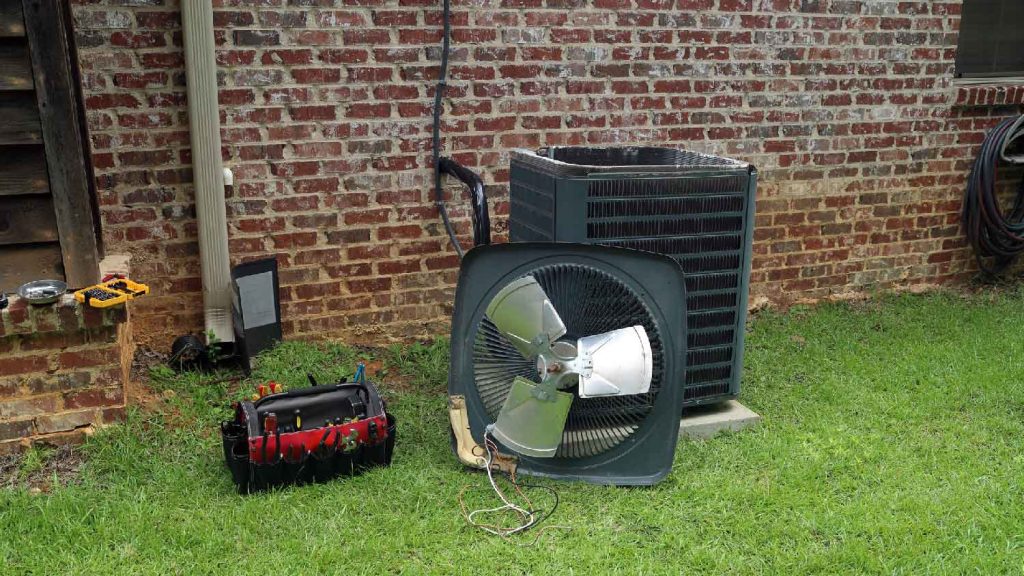
Have you ever wondered how long your air conditioner coils can keep your home cool and comfortable? Understanding the lifespan of these vital parts can save you from unexpected breakdowns and costly repairs.
If you want to know when it’s time to replace your coils and how to make them last longer, you’re in the right place. Keep reading to discover everything you need to know about air conditioner coil longevity—and how to protect your investment.
Air Conditioner Coil Types
Air conditioners have different types of coils that help cool your home. These coils work together to remove heat from the air. Knowing about these coil types can help you understand how your AC works.
There are two main types of coils in an air conditioner: evaporator coils and condenser coils. The materials used for these coils also affect their lifespan and performance.
Evaporator Coils
Evaporator coils are inside your home. They absorb heat from the indoor air. The refrigerant inside the coil changes from liquid to gas as it absorbs heat. This process cools the air before it flows back into your rooms.
Condenser Coils
Condenser coils are outside the house. They release heat from the refrigerant to the outdoor air. The refrigerant changes back from gas to liquid here. This keeps the cooling cycle going.
Material Differences
| Coil Material | Advantages | Disadvantages | Typical Lifespan |
|---|---|---|---|
| Copper | Good heat transfer, durable, easy to repair | More expensive | 10 to 15 years |
| Aluminum | Less costly, lightweight, resistant to corrosion | More fragile, harder to repair | 7 to 10 years |
Average Lifespan Of Coils
Air conditioner coils play a key role in cooling. They transfer heat and keep the air cool. Knowing their lifespan helps in maintenance.
Coils in air conditioners usually last several years. Their longevity depends on factors like usage and care.
Typical Duration
On average, air conditioner coils last around 10 to 15 years. This is under normal conditions and with regular maintenance.
- Proper installation extends lifespan.
- Frequent cleaning prevents damage.
- Regular servicing maintains efficiency.
Factors Affecting Longevity
Several elements can impact how long coils last. Understanding these helps in taking better care of the unit.
| Factor | Impact on Coils |
| Maintenance | Improves lifespan |
| Environment | Harsh conditions reduce lifespan |
| Usage | Heavy use can shorten life |
Common Causes Of Coil Damage
Air conditioner coils are important for cooling your home. They need care to last long. Damage to coils can make your AC work harder.
Many things can cause coil damage. Knowing these helps you keep your AC running well.
Corrosion Issues
Coils often face moisture and air. This can cause rust or corrosion. Corrosion makes coils weak and less efficient.
Salt and chemicals in the air can speed up corrosion. Coastal areas have more corrosion problems.
Refrigerant Leaks
Refrigerant leaks harm the coils and cooling process. Leaks lower system pressure and reduce performance.
- Refrigerant leaks cause ice build-up on coils.
- Low refrigerant leads to coil overheating.
- Leaks can cause damage to the compressor.
Physical Wear And Tear
Coils get damaged from daily use and outside forces. Dirt, dust, and debris build up over time.
| Type of Wear | Cause | Effect on Coils |
|---|---|---|
| Dust and Dirt | Airborne particles | Blocks airflow and reduces cooling |
| Physical Damage | Impact or bending | Leaks and loss of refrigerant |
| Vibration | Machine operation | Loosens connections and cracks coils |
Maintenance Tips To Extend Coil Life
Air conditioner coils are important parts of your cooling system. Keeping them in good shape helps your AC work well for many years. Simple care steps can stop damage and save money on repairs.
Regular maintenance can make your coils last longer. It improves air flow and cooling power. Use these tips to keep your coils clean and healthy.
Regular Cleaning
Dirt and dust build up on coils over time. This makes the AC work harder and can cause damage. Clean the coils often to keep them clear and efficient.
You can gently wash the coils using water and a soft brush. Avoid using strong chemicals that can harm the metal. Cleaning should happen at least once a year.
- Turn off power before cleaning
- Use a soft brush or coil cleaner
- Rinse with water carefully
- Let coils dry before turning AC back on
Proper Refrigerant Levels
Refrigerant helps cool the air by moving heat. Low refrigerant can make coils freeze or overheat. Check refrigerant levels regularly to avoid coil damage.
If the levels are low, call a technician to refill the refrigerant. Do not try to add refrigerant yourself. Proper levels keep the coils working at their best.
- Check refrigerant yearly
- Watch for ice on coils
- Listen for unusual noises
- Call a pro for refilling and leaks
Timely Repairs
Small problems can cause coil damage if ignored. Fix leaks, dents, and corrosion as soon as you see them. Timely repairs stop minor issues from getting worse.
Check your AC system often. Look for signs like warm air, strange sounds, or water leaks. Early repair helps keep the coils in good shape for many years.
- Inspect coils every season
- Repair leaks quickly
- Replace damaged parts
- Schedule professional checkups
Signs It’s Time To Replace Coils
Air conditioner coils do not last forever. Over time, they wear out and affect your AC’s performance. Knowing when to replace coils helps keep your home cool.
Worn-out coils cause problems that are easy to spot. Watch for these signs to decide if it is time to replace the coils.
Reduced Cooling Efficiency
Old or damaged coils lose their ability to cool air properly. Your AC may take longer to lower the temperature. Rooms might not feel as cool as before.
If you notice your AC runs more but cools less, the coils could be the problem. This means the coils are not transferring heat well.
Frequent Breakdowns
Coils in bad shape cause your air conditioner to break down often. The system may stop working suddenly or need many repairs.
Frequent breakdowns raise your repair bills. Replacing the coils can reduce these problems and save money over time.
Visible Damage
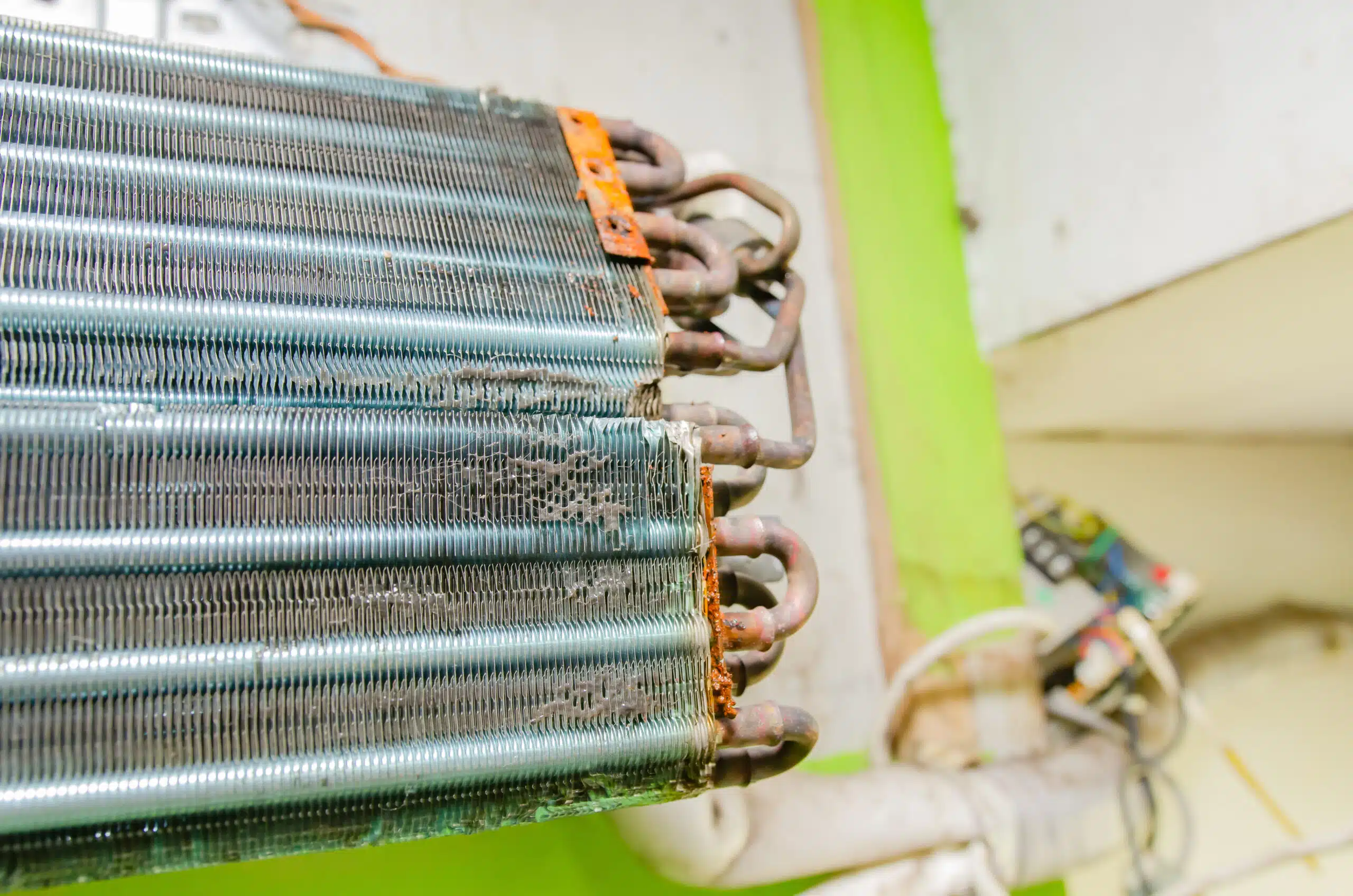
You can sometimes see damage on the coils. Look for cracks, rust, or leaks. These signs show the coils are weak or broken.
- Rust spots on the coil surface
- Cracks or holes in the coils
- Oil or refrigerant leaking nearby
Visible damage means the coils cannot work well. Replace them to avoid bigger problems with your AC.
Credit: icebergcooling.com
Cost Considerations For Coil Replacement
Air conditioner coils wear out over time and may need replacement. Understanding the cost helps you plan repairs or replacements better.
Knowing when to repair or replace coils can save money and prevent bigger issues later.
Replacement Vs Repair
Deciding between replacing or repairing coils depends on the damage and cost. Repairs are usually cheaper but may not last long.
- Repair costs less but may need frequent fixes.
- Replacement costs more but offers longer service.
- Old coils often cost more to fix than replace.
- New coils improve efficiency and lower energy bills.
Budgeting For New Coils
Planning your budget for new coils helps avoid surprise expenses. Prices vary based on coil type and AC model.
| Cost Factor | Details | Estimated Price Range |
|---|---|---|
| Coil Type | Evaporator or condenser coils | $150 – $600 |
| Labor | Installation and removal fees | $100 – $400 |
| Additional Parts | Seals, refrigerant, and fittings | $50 – $200 |
| Location | Costs vary by region and service provider | Varies |
Improving Coil Durability
Air conditioner coils are vital for cooling performance. Keeping them durable helps your unit work longer and better.
Simple steps can protect coils from damage and corrosion. This lowers repair costs and extends coil life.
Protective Coatings
Coils face moisture, dirt, and chemicals that cause rust and wear. Protective coatings shield coils from these threats.
- Apply epoxy or enamel coatings to prevent rust
- Use anti-corrosion sprays after cleaning coils
- Choose coatings that resist UV damage and chemicals
- Reapply coatings regularly for best results
Upgrading To High-quality Materials
Using better materials improves coil strength and resistance. This helps coils last longer under tough conditions.
| Material Type | Benefits | Common Use |
| Aluminum | Lightweight, good heat transfer | Standard coils |
| Copper | High durability, corrosion resistant | Premium coils |
| Coated Copper | Extra corrosion protection | Harsh environments |

Credit: www.achrnews.com
Credit: wheatandsons.com
Frequently Asked Questions
How Long Do Air Conditioner Coils Typically Last?
Air conditioner coils usually last 10 to 15 years with proper maintenance. Regular cleaning and timely repairs extend their lifespan effectively.
What Factors Affect The Lifespan Of Ac Coils?
Factors like usage frequency, maintenance, refrigerant quality, and environmental conditions impact AC coil longevity. Proper care helps prevent premature wear.
How Can I Tell If My Ac Coils Need Replacement?
Signs include reduced cooling, ice buildup, leaks, or unusual noises. If these occur, inspect coils and consider professional evaluation.
Does Regular Cleaning Improve Ac Coil Lifespan?
Yes, cleaning prevents dirt buildup, ensuring efficient heat exchange. Clean coils reduce wear and extend the system’s operational life.
Conclusion
Air conditioner coils usually last between 10 to 15 years. Regular cleaning and maintenance help them work well longer. Dirt and corrosion can cause damage early. Watch for signs like leaks or poor cooling. Replacing coils on time saves money and energy.
Good care keeps your AC running smoothly. Remember, a healthy coil means a cooler home. Take simple steps to protect this important part. Your comfort depends on it.