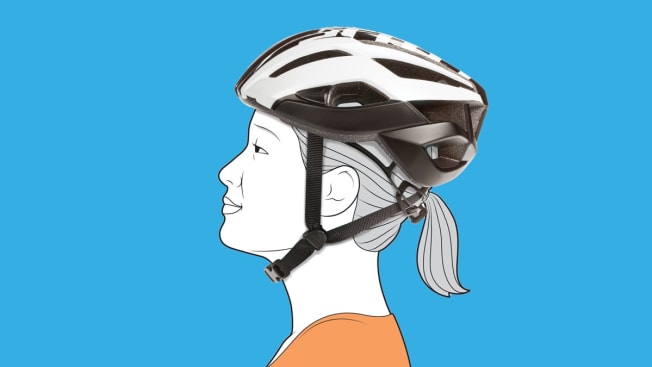
Your bike helmet is your best protection on every ride. But if it doesn’t fit right, it won’t keep you safe.
Have you ever wondered how your helmet should fit to truly protect you? Getting this simple detail wrong can put you at risk, even if you’re wearing one. You’ll discover the easy steps to make sure your helmet fits perfectly—so you can ride with confidence and peace of mind.
Keep reading, because your safety depends on it.
Choosing The Right Size
Wearing a bike helmet that fits well keeps you safe. The right size stops the helmet from moving or falling off.
Finding the right helmet size means measuring your head and checking size charts. Trying the helmet on helps confirm the fit.
Measuring Your Head
Use a soft tape measure to find your head size. Wrap it around your head just above your eyebrows.
Make sure the tape is level all around and not too tight. Note the measurement in centimeters or inches.
- Place tape 1 inch above eyebrows
- Keep tape level around your head
- Do not pull tape too tight
- Write down the measurement
Helmet Size Charts
Helmet brands use size charts to match head measurements with helmet sizes. These charts vary by brand and model.
Check the chart before buying to pick the correct size. If your measurement is between sizes, choose the smaller one for a snug fit.
| Helmet Size | Head Circumference (cm) | Head Circumference (inches) |
|---|---|---|
| Small | 52 – 56 | 20.5 – 22 |
| Medium | 56 – 58 | 22 – 22.8 |
| Large | 58 – 61 | 22.8 – 24 |
| Extra Large | 61 – 64 | 24 – 25.2 |
Trying On Helmets
Put the helmet on your head and fasten the chin strap. The helmet should feel snug but not tight.
Move your head side to side and up and down. The helmet should stay in place and not slide.
- Helmet should sit level on your head
- Straps should form a “V” under each ear
- Chin strap should be snug with one finger space
- Helmet should not rock or move
Positioning The Helmet
A properly fitted bike helmet is crucial for safety. Understanding how to position it correctly will ensure maximum protection. Let’s explore how to place your helmet right.
Helmet Placement On Head
Your helmet should sit level on your head. It should cover most of your forehead without tilting back.
- Make sure the front edge is about two finger-widths above your eyebrows.
- Adjust the side straps to form a “V” shape under your ears.
- Ensure the chin strap is snug but comfortable.
Checking Forehead Coverage
Forehead coverage is important for protection. Ensure your helmet covers the top part of your forehead.
| Feature | Ideal Position |
| Front Edge | Two finger-widths above eyebrows |
| Side Straps | Form “V” under ears |
| Chin Strap | Snug and comfortable |
Ensuring Level Fit
A level fit is essential for helmet effectiveness. Double-check to make sure your helmet is not tilted forward or backward.
Remember, a well-fitted helmet can make a difference in safety. Take time to adjust it before every ride.
Adjusting Straps And Buckles
A bike helmet must fit well to keep you safe. Adjusting the straps and buckles is key. Proper fit stops the helmet from moving during a ride.
Focus on tightening straps, placing the chin strap correctly, and setting side straps for comfort and security.
Strap Tightness
Straps should hold the helmet firmly but not cause pain. Too loose straps let the helmet shift. Too tight straps feel uncomfortable.
- Pull the straps until they feel snug around your head.
- Make sure you can fit one or two fingers under the straps.
- Check that the helmet does not move side to side or front to back.
- Adjust the buckle to lock the straps in place securely.
Chin Strap Position
Place the chin strap low on your chin. It should rest comfortably without rubbing the skin. The buckle should be centered under your chin.
| Chin Strap Tip | Description |
| Position | Low on the chin, touching the skin gently |
| Tightness | Snug enough to keep the helmet still, but comfortable |
| Buckle | Centered and fastened securely under the chin |
Side Strap Configuration
Side straps form a “V” shape under your ears. The point of the “V” should sit just below the earlobes. Adjust the sliders to achieve this.
Follow these tips for side strap adjustment:
- Slide the straps to form a neat “V” under each ear.
- The “V” point should be near the bottom of your ear.
- Make sure straps are even on both sides.
- Lock the sliders to keep straps from moving.

Credit: riiroo.com
Testing The Fit
Checking a bike helmet’s fit is important for safety. You need to test it before every ride.
There are simple ways to make sure your helmet fits well and protects you properly.
Shake Test
Put on your helmet and fasten the straps. Shake your head side to side and up and down. The helmet should stay snug and not move much.
If it slides or shifts, adjust the straps or try a smaller size. A loose helmet will not protect you in a crash.
Comfort Checks
- Make sure no spots feel too tight or painful.
- Check that the helmet sits level on your head, not tilted.
- Look for padding that feels soft and even around your head.
- Wear the helmet for 10 to 15 minutes to test comfort during use.
Comfort is key because you will wear the helmet for long periods. An uncomfortable helmet is less likely to be worn properly.
Vision And Hearing
| Check | What to Look For |
| Vision | Helmet should not block your view. Look straight and to the sides easily. |
| Hearing | You should hear traffic and sounds clearly while wearing the helmet. |
If your helmet blocks your vision or muffles sound, try another model or adjust the fit.
Common Fit Mistakes
Wearing a bike helmet that fits poorly can reduce its protection. Many riders make simple errors when fitting their helmets. Fixing these mistakes helps keep you safe on the road.
Below are common fit problems to watch out for. Each one affects how well your helmet protects your head.
Too Loose Or Tight
A helmet that is too loose may slip off in a crash. One that is too tight causes discomfort and headaches. The right fit feels snug but not painful.
- Try adjusting the internal straps or sizing pads.
- The helmet should not move more than one inch side to side.
- Wear the helmet low on your forehead for best protection.
Incorrect Strap Adjustment
Straps hold the helmet in place during a fall. If loose or twisted, they reduce safety. Adjust straps so they form a “V” under each ear and fasten securely under the chin.
| Strap Position | How It Should Fit |
|---|---|
| Side Straps | Form a “V” just below your ears |
| Chin Strap | Snug under chin with one finger space |
| Strap Length | Even and not twisted |
Wearing Old Or Damaged Helmets
Helmets lose their protective power after impact or over time. Cracks, dents, or faded foam show damage. Old helmets may not meet current safety standards.
Check your helmet’s age and condition:
- Replace helmets every 5 years or after a crash.
- Inspect for cracks, dents, or crushed foam.
- Do not use helmets with missing parts.

Credit: ibikesafe.org
Helmet Maintenance Tips
Keeping your bike helmet clean and in good shape helps it protect you better. Regular care extends its life and keeps it safe.
Follow simple steps to clean, store, and know when to replace your helmet. These tips make sure your helmet fits well and works properly.
Cleaning Guidelines
Clean your helmet regularly to remove dirt, sweat, and oils. Use gentle cleaners and avoid harsh chemicals.
- Use mild soap and warm water for cleaning
- Wipe the inside padding with a soft cloth
- Do not use bleach or strong detergents
- Let the helmet air dry naturally
- Remove any detachable parts before cleaning
Storage Advice
Store your helmet carefully to keep its shape and strength. Avoid places with heat or moisture.
| Do | Don’t |
|---|---|
| Keep helmet in a cool, dry place | Leave helmet in direct sunlight |
| Hang helmet on a hook or shelf | Store helmet near chemicals or solvents |
| Use a helmet bag for transport | Put heavy items on top of helmet |
When To Replace Your Helmet
Helmets wear out over time or after a crash. Replace yours to keep safe.
- Replace helmet after any crash or impact
- Change helmet every 3 to 5 years
- Check for cracks, dents, or damaged straps
- Do not use a helmet with worn padding
- Follow manufacturer guidelines for replacement
Safety Standards To Look For
Choosing the right bike helmet is key for safety. The helmet must fit well and meet safety rules.
Look for helmets that pass strict tests. These rules help protect your head during a crash.
Certification Labels
Certification labels show a helmet meets safety rules. Different countries have different labels.
Common labels include CPSC, ASTM, and EN1078. These labels mean the helmet passed impact tests.
- CPSC:Required in the USA for bike helmets.
- ASTM:Standards for many sports helmets.
- EN1078:European helmet safety standard.
Impact Protection Features
Good helmets have materials that absorb shocks. This reduces force on your head during a fall.
Look for helmets with thick foam liners and strong outer shells. These parts work together to protect you.
- Expanded Polystyrene (EPS) foam absorbs energy.
- Hard outer shell spreads impact force.
- Ventilation holes keep you cool without losing safety.
Additional Safety Technologies
Some helmets include extra safety features. These help reduce head injuries even more.
Technologies like MIPS or WaveCel help reduce rotational forces during crashes. They add a layer of protection.
- MIPS:A low-friction layer inside the helmet.
- WaveCel:A collapsible cellular structure for shock absorption.
- Reflective strips improve visibility in low light.

Credit: www.safetyandhealthmagazine.com
Frequently Asked Questions
How Tight Should A Bike Helmet Fit?
A bike helmet should fit snugly without causing discomfort. It must stay secure when you shake your head. Avoid helmets that move easily, as loose fit reduces protection during crashes.
Where Should A Bike Helmet Sit On My Head?
Place the helmet level on your head, covering the forehead. It should sit about one to two finger-widths above your eyebrows. This position ensures maximum protection for your forehead and skull.
How To Adjust Bike Helmet Straps Correctly?
Straps should form a “V” just under your ears. Buckle the chin strap tightly, allowing one or two fingers between the strap and chin. Proper adjustment keeps the helmet stable and safe during rides.
When Should I Replace My Bike Helmet?
Replace your helmet after any crash, even if damage isn’t visible. Helmets also expire after 3-5 years due to material degradation. Regular replacement ensures optimal safety and protection.
Conclusion
A bike helmet must fit snugly to protect your head well. It should sit level and not tilt back or forward. Straps need to be tight but comfortable around your chin. Check for gaps between the helmet and your head.
A proper fit helps reduce injuries during falls or crashes. Always try the helmet on before buying. Remember, a well-fitted helmet makes riding safer and more enjoyable. Stay safe and ride smart every time you go out.