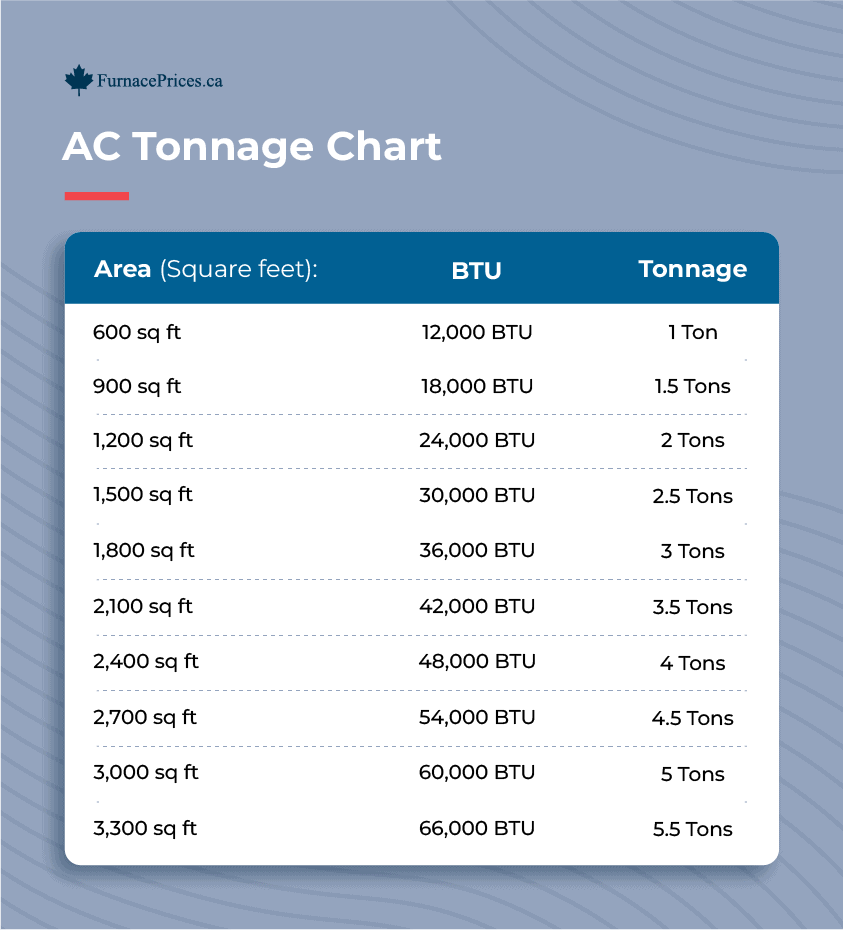
Are you wondering how to choose the right air conditioner for your space without wasting money or energy? Understanding how many square feet each BTU (British Thermal Unit) can cool is the key to making a smart decision.
If your air conditioner is too small, your room won’t get cool enough. If it’s too big, you’ll waste energy and pay higher bills. This guide will help you find the perfect balance, so your home stays comfortable and your wallet stays happy.
Keep reading to discover exactly how to match your air conditioner’s BTU to your room size with ease.
Btu And Cooling Basics
Choosing the right air conditioner depends on understanding BTU. BTU measures the energy needed to cool a space.
This guide explains what BTU means and how it relates to cooling your home or office.
What Is Btu
BTU stands for British Thermal Unit. It is a unit of heat energy. One BTU is the amount of heat to raise one pound of water by one degree Fahrenheit.
In cooling, BTU shows how much heat an air conditioner can remove from a room per hour.
How Btu Relates To Cooling
A higher BTU means more cooling power. You need the right BTU for your room size. Too low BTU means the room stays warm. Too high BTU wastes energy.
- Small rooms need fewer BTUs
- Large rooms need more BTUs
- BTU rating helps pick the right air conditioner size
Factors Affecting Cooling Needs
Many things change how many BTUs your room needs. These factors help calculate the right air conditioner size.
| Factor | Effect on BTU Needs |
| Room Size | Larger rooms need more BTUs |
| Sunlight | Rooms with more sun need extra cooling |
| Number of People | More people add heat, increasing BTU needs |
| Appliances | Devices give off heat, raising cooling needs |
| Ceiling Height | Taller ceilings require more BTUs |
Credit: www.bestbuy.com
Calculating Square Feet Per Btu
Understanding how many square feet per BTU your air conditioner can cool is essential. This helps you choose the right unit for your space.
BTU, or British Thermal Unit, measures the cooling capacity. Let’s explore how to calculate square feet per BTU.
General Square Footage Guidelines
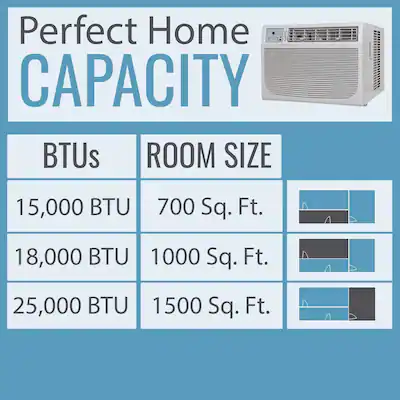
Generally, an air conditioner needs about 20 BTU per square foot. This provides a basic guideline for cooling efficiency.
- 150 square feet needs 3,000 BTU
- 350 square feet needs 7,000 BTU
- 500 square feet needs 10,000 BTU
- 750 square feet needs 15,000 BTU
Adjusting For Ceiling Height
Ceiling height affects cooling needs. Taller ceilings require more BTU to maintain comfort.
Considering Room Insulation
Insulation plays a big role in cooling efficiency. Poor insulation means more BTU needed.
| Insulation Quality | Adjustment Factor |
| Poor | +15% |
| Average | +10% |
| Good | No Adjustment |
Room-specific Cooling Requirements
Choosing the right air conditioner size depends on the room you want to cool. Different rooms need different cooling power. This guide helps you find out how many square feet per BTU your air conditioner should cover.
Knowing room-specific needs makes your cooling more efficient. It saves energy and keeps your space comfortable all year.
Bedrooms And Living Rooms
Bedrooms and living rooms usually need moderate cooling. These rooms often have normal insulation and fewer heat sources. You should plan for about 20 BTUs per square foot in these areas.
Kitchens And High-heat Areas
Kitchens and rooms with many appliances produce extra heat. These rooms need more cooling power to stay comfortable. Add about 4,000 BTUs to your base calculation for these spaces.
- Use 25 BTUs per square foot in kitchens
- Account for extra heat from ovens and stoves
- Consider ventilation when sizing the air conditioner
Basements And Sunrooms
Basements tend to stay cool, so they need less cooling power. Sunrooms get more sunlight and heat, so they need more. Use this table to compare BTU needs for these rooms.
| Room Type | BTUs per Square Foot | Notes |
|---|---|---|
| Basement | 15 | Usually cooler, less cooling needed |
| Sunroom | 30 | High sunlight, more cooling required |
Impact Of Climate And Location
The size of an air conditioner needed depends on the climate and where you live. Different places have different cooling demands. This affects how many square feet one BTU can cool.
Understanding the climate helps you choose the right air conditioner size. This saves energy and keeps your home comfortable.
Cooling Needs In Hot Climates
Hot climates need more cooling power. The air conditioner must work harder to keep rooms cool. This means fewer square feet per BTU.
Homes in hot areas often require larger BTU units. This helps maintain a steady temperature during very warm days.
- High outdoor temperatures increase cooling demand
- More BTUs needed for the same square footage
- Sunlight exposure can raise indoor heat
Adjustments For Humidity
Humidity affects how cool you feel inside. High humidity makes the air feel warmer. Air conditioners must remove moisture as well as heat.
In humid areas, you need more BTUs to handle the extra moisture. This lowers the square feet per BTU ratio.
- More BTUs are needed to remove moisture
- Homes in humid zones require bigger units
- Dehumidification helps improve comfort
Urban Vs. Rural Cooling
Urban areas often have higher temperatures due to heat from buildings and roads. This is called the urban heat island effect. It increases cooling needs.
Rural areas usually stay cooler and need less air conditioning power. This means one BTU can cover more square feet in rural homes.
- Urban heat islands raise outdoor temperatures
- More BTUs needed per square foot in cities
- Rural homes may use smaller AC units
Choosing The Right Air Conditioner
Choosing the right air conditioner depends on many factors. The size of your room and energy use are important. Picking the right unit helps keep your space cool and saves money.
This guide explains types of air conditioners, energy ratings, and sizing tips. You will learn how many square feet each BTU can cool.
Types Of Air Conditioners
There are several types of air conditioners. Each type fits different room sizes and uses energy differently.
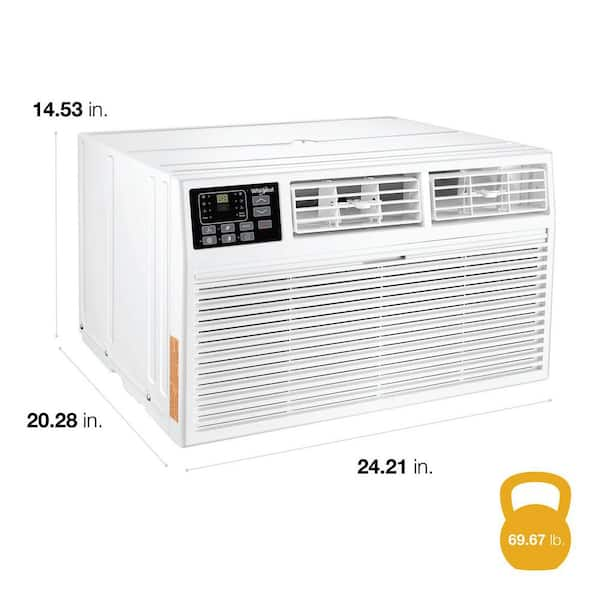
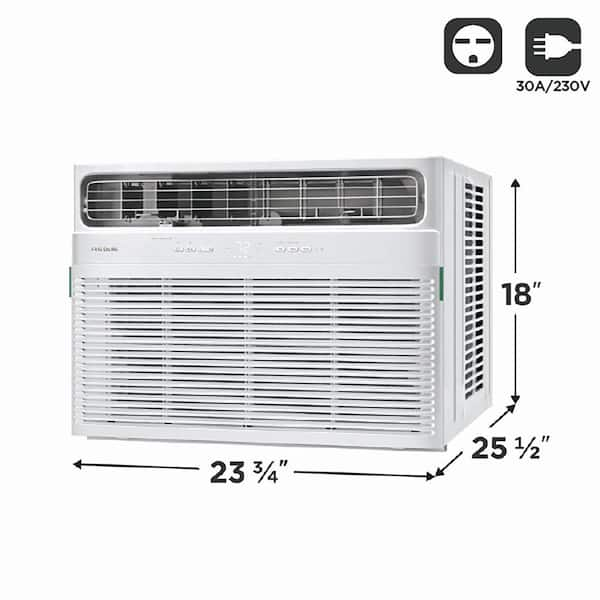
- Window Units:Small and easy to install in a window. Good for single rooms.
- Split Systems:Consist of indoor and outdoor units. Quiet and efficient for larger spaces.
- Portable Units:Moveable and useful for cooling small areas temporarily.
- Central Air:Cools the whole house through ducts. Best for large homes.
Energy Efficiency Ratings
Energy efficiency helps reduce power bills. Look for the SEER or EER rating on the air conditioner. Higher ratings mean better efficiency.
| Rating Type | Meaning | Typical Range |
| SEER | Seasonal Energy Efficiency Ratio | 13 – 21 |
| EER | Energy Efficiency Ratio | 8 – 12 |
| Energy Star | Certified High Efficiency | Varies by model |
Sizing Tips For Optimal Performance
Choosing the right size is key. Too small won’t cool well. Too large wastes energy and causes humidity issues.
- Measure the room size in square feet.
- Use the general rule: 20 BTU per square foot.
- Adjust for sun exposure or ceiling height.
- Check the air conditioner’s BTU rating to match your needs.
- Consider professional help for exact sizing.
Credit: www.homedepot.com
Common Sizing Mistakes To Avoid
Choosing the right air conditioner size is important for comfort and energy use. Many people make errors that cause poor cooling or high bills.
Understanding common sizing mistakes helps you pick the best unit for your space. This guide explains key errors to avoid.
Overestimating Cooling Capacity
Some buyers choose air conditioners with too much cooling power. Bigger units cost more and waste energy.
Oversized units cool quickly but turn on and off often. This short cycling wears out the system and hurts efficiency.
Ignoring Room Layout
Room shape and furniture placement affect how air moves. Ignoring layout can cause uneven cooling.
Rooms with many windows or high ceilings need more cooling power. It is important to consider these features.
- Large windows increase heat from sunlight
- High ceilings mean more air volume to cool
- Furniture blocking vents reduces airflow
Neglecting Maintenance Impact
Dirty filters and coils reduce cooling efficiency. Neglecting maintenance can make a properly sized AC feel too weak.
Regular cleaning helps the unit run at full capacity. Skipping maintenance may lead to poor performance and higher energy use.
Enhancing Cooling Efficiency
Knowing how many square feet one BTU can cool helps you pick the right air conditioner. This choice affects your room’s comfort and energy use.
Using the right size unit is just the start. You can also boost cooling by improving airflow and keeping your system well maintained.
Proper Airflow And Ventilation
Good airflow moves cool air throughout the room evenly. It stops hot spots and helps your air conditioner work less.
Make sure vents are not blocked by furniture or curtains. Use doors and windows to let fresh air in if possible.
Using Fans And Shades
Fans help spread cool air faster. Ceiling fans or portable fans push air around and make the room feel cooler.
Shades or curtains block sunlight and heat from entering your room. This keeps the room cooler and lowers the load on your air conditioner.
- Use light-colored curtains to reflect heat
- Close shades during hottest parts of the day
- Run fans with your air conditioner for better airflow
Regular Maintenance Practices
Clean filters help your air conditioner cool better. Dirty filters block airflow and lower efficiency.
Check and clean coils and vents often. Fix leaks or damage to keep the system working well.
- Replace or wash air filters monthly
- Clear debris around outdoor units
- Schedule yearly professional checkups
Credit: www.homedepot.com
Frequently Asked Questions
How Many Square Feet Does 1 Btu Cool?
One BTU cools approximately 0. 1 to 0. 14 square feet. This depends on factors like insulation and climate. Typically, 20 BTUs are needed per square foot for adequate cooling.
What Btu Rating Suits A 500 Sq Ft Room?
A 500 sq ft room requires about 10,000 BTUs. This ensures efficient cooling without overworking the air conditioner. Always consider room conditions for precise sizing.
How To Calculate Btu For My Room Size?
Multiply your room’s square footage by 20 BTUs per square foot. Adjust this if the room has high ceilings or poor insulation. This method gives a reliable BTU estimate for cooling needs.
Does Insulation Affect Btu Requirements?
Yes, poor insulation increases BTU needs. Well-insulated rooms retain cool air better, reducing BTU demand. Always factor insulation quality when sizing your air conditioner.
Conclusion
Choosing the right air conditioner size matters a lot. It affects comfort and energy use. Knowing how many square feet one BTU covers helps you pick well. Too small or too big units cause problems. Use the simple BTU per square foot rule to guide you.
This keeps your space cool without wasting power. Keep these tips in mind when buying your next air conditioner. Your home will stay comfortable all year round.