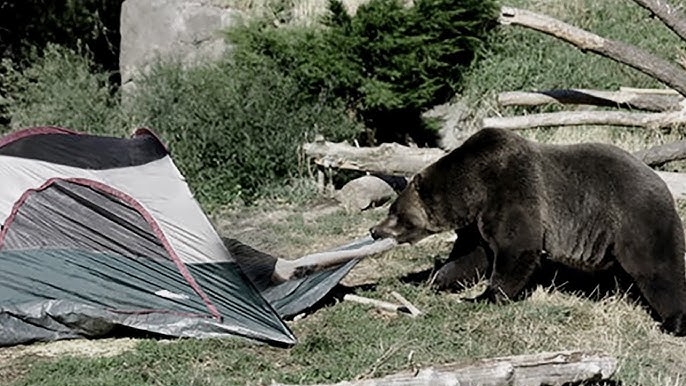
Have you ever wondered if bears really attack tents? If you’re planning a camping trip, this question might be on your mind—and for good reason.
Knowing the truth about bear behavior can keep you and your gear safe in the wild. You’ll discover what makes bears curious or aggressive, how likely an attack really is, and simple steps you can take to protect yourself. Keep reading, because your safety could depend on understanding these facts.

Credit: www.reddit.com
Bear Behavior Near Campsites
Bears often visit campsites searching for food. Understanding their behavior helps keep campers safe.
Bears use their strong sense of smell to find tents with food inside. They may approach quietly and inspect the area.
What Attracts Bears To Tents
Bears are attracted to tents mainly because of smells from food and trash. Even small food bits can lure them close.
- Food stored inside or near tents
- Unsealed trash bags or containers
- Cooking equipment with food residue
- Strong scented items like toothpaste or soap
- Pet food left unattended
Common Bear Species In Camping Areas
Different bear species live in camping regions. Each behaves differently but all can be curious about tents.
| Bear Species | Typical Habitat | Behavior Near Campsites |
| American Black Bear | Forests, mountains | Often attracted to food smells, usually shy |
| Grizzly Bear | Mountainous regions, forests | More aggressive, may investigate tents if food is present |
| Polar Bear | Arctic areas | Rare near campsites, attracted to meat scents |

Credit: www.youtube.com
Real Risks Of Tent Attacks
Camping in bear country can be exciting, yet risky. Bears are curious and might explore campsites.
Understanding the risks can help campers stay safe. Being informed is key to preventing tent attacks.
Frequency Of Bear Encounters
Bear encounters in campsites are rare. Most bears avoid humans and prefer to stay in the wild.
When bears do approach, it’s often due to food smells. Keeping campsites clean reduces this risk.
- Store food in bear-proof containers
- Dispose of trash properly
- Cook away from sleeping areas
Factors Increasing Attack Chances
Certain factors can increase the chance of a bear attack. Leaving food out is the biggest risk.
Other factors include camping in known bear areas. Ignoring bear warnings can lead to dangerous situations.
| Factor | Impact |
| Food left out | Attracts bears |
| Ignoring warnings | Increases risk |
| Camping near water | Bears may visit for fish |
How Bears Interact With Tents
Bears sometimes come close to tents while exploring campsites. They use their strong sense of smell to find food. This can cause them to be curious about tents.
Understanding how bears behave near tents helps campers stay safe. Bears usually do not attack tents unless they smell food inside.
Signs Of Bear Curiosity
Bears show curiosity in different ways. Campers can watch for these signs to know if a bear is near.
- Sniffing around the tent area
- Scratching nearby trees or the tent fabric
- Looking inside the tent from outside
- Making low grunting sounds
- Walking slowly around the campsite
Typical Bear Reactions To Tents
Bears react to tents based on what they find inside. They usually want to get food or are just exploring.
| Bear Behavior | What It Means |
| Sniffing and pawing at the tent | Bear is curious and searching for food |
| Ripping or tearing the tent fabric | Bear tries to get to food inside |
| Walking away calmly | Bear is not interested or scared off |
| Making loud noises near the tent | Bear feels threatened or defensive |
Preventing Bear Attacks
Bears can be dangerous if they get too close to your tent. Keeping bears away helps keep you safe.
Proper food storage and safe camp setup are key to avoiding bear attacks while camping.
Proper Food Storage Techniques
Store food so bears cannot smell or reach it. This lowers the chance of a bear coming close.
- Use bear-proof containers or lockers when available.
- Hang food in a bag at least 10 feet off the ground and 4 feet from a tree trunk.
- Keep cooking and eating areas far from your sleeping tent.
- Do not keep food or scented items like toothpaste inside your tent.
- Dispose of trash in bear-proof bins or pack it out with you.
Setting Up Camp Safely
Choose your campsite carefully to reduce bear encounters. Avoid areas with signs of bears.
| Camp Setup Tip | Reason |
| Pick open areas | Bears avoid open spaces and crowded places |
| Keep tents away from berry bushes | Bears eat berries and may visit |
| Clear brush around tent | Improves visibility for spotting bears |
| Store gear and food separately | Prevents attracting bears near your tent |
What To Do If A Bear Approaches
Bears can be curious or feel threatened near tents. Staying calm is key to staying safe. Knowing what to do helps prevent harm.
This guide explains actions to take if a bear comes close. It also covers using bear spray and other tools to keep bears away.
Immediate Actions To Take
Do not run or scream. Running may make the bear chase you. Instead, stand still and talk softly to the bear.
Slowly raise your arms to appear bigger. Avoid direct eye contact but watch the bear’s movements. Back away slowly without turning your back.
- Stay calm and do not panic
- Speak in a calm, low voice
- Make yourself look bigger
- Back away slowly without turning around
- Do not run or make sudden moves
Using Bear Spray And Other Deterrents
Bear spray is a strong deterrent. Use it only if the bear is close and acting aggressively. Aim for the bear’s face to stop its advance.
Other tools like noise makers or air horns can scare bears away. Always carry these items when camping in bear areas. Know how to use them quickly.
- Keep bear spray within reach at all times
- Use bear spray only if the bear charges
- Make loud noises to scare bears early
- Store food away from your tent to avoid attracting bears
Myths Vs. Facts About Bears And Tents
Bears often appear in stories about camping dangers. Many people worry about bears attacking tents. These fears come from myths, not facts.
It is important to learn what is true and what is false. This helps campers stay safe and enjoy nature.
Common Misconceptions
Many believe bears attack tents often. Some think bears are drawn to tents by food smells. Others say a bear will destroy a tent to get inside.
- Bears attack tents just because they see people.
- Bears always want to eat campers or their supplies.
- Keeping food inside the tent is safe if sealed well.
- Noise alone stops bears from coming near.
Evidence-based Insights
Bears usually avoid humans and tents. Most bear attacks happen because bears find food or feel threatened. Proper food storage and calm behavior reduce risks.
| Myth | Fact |
| Bears attack tents unprovoked | Bears avoid tents unless food is inside or nearby |
| Food smells attract bears into tents | Bears are attracted to food, but proper storage keeps them away |
| Noise scares bears away always | Noise may help but does not guarantee safety |
| Keeping food in tents is safe if sealed | Food should be stored in bear-proof containers away from tents |

Credit: www.youtube.com
Frequently Asked Questions
Do Bears Often Attack Tents In The Wild?
Bears rarely attack tents unless provoked or attracted by food. Proper food storage and camping practices minimize risks. Most bear encounters involve curiosity, not aggression.
What Attracts Bears To Tents During Camping?
Food smells, garbage, and scented items attract bears to tents. Avoid cooking or storing food inside tents to prevent bear visits. Use bear-proof containers for safety.
How Can Campers Prevent Bear Attacks On Tents?
Store food away from tents using bear lockers or hang bags high. Keep tents clean and avoid scented products. Make noise while hiking to alert bears.
Are Certain Tent Types More Bear-resistant?
No tent is bear-proof, but sturdy, odor-resistant tents help. Combining strong tents with proper food storage reduces bear encounters. Always follow local bear safety guidelines.
Conclusion
Bears rarely attack tents without reason. Most attacks happen when food is near. Keep food away from your sleeping area. Use bear-proof containers to stay safe. Make noise to avoid surprising bears. Stay calm if you see a bear close.
Respect wildlife and follow park rules. Camping safely means understanding bear behavior. Enjoy nature but stay prepared and alert. Peace of mind comes with good habits.