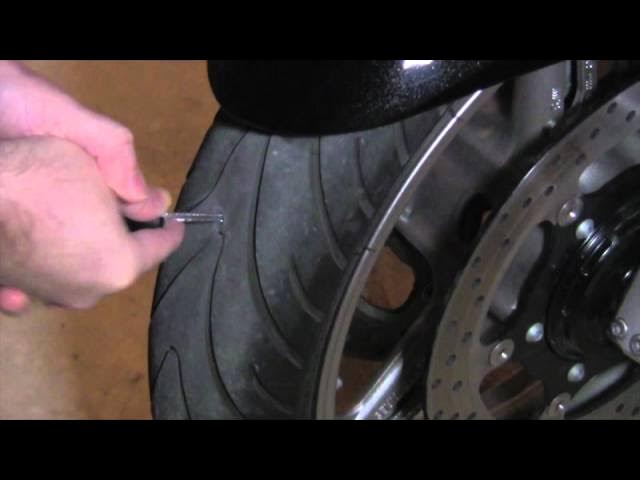
Have you ever faced a flat tire while riding your motorcycle and wondered if plugging it is a safe fix? You might be asking yourself, “Should I plug my motorcycle tire or not?” Making the right choice can save you time, money, and even keep you safe on the road.
You’ll discover when plugging a tire makes sense, when it might put you at risk, and what steps you should take to keep your ride smooth and secure. Keep reading to make sure you’re fully prepared the next time your tire gives you trouble.
When To Consider Plugging A Tire
Plugging a motorcycle tire can be a quick fix for small punctures. It helps avoid the need for a full tire replacement.
Knowing when to plug a tire is important for your safety and the tire’s lifespan. Not all punctures are suitable for plugs.
Types Of Punctures Suitable For Plugs
Plugs work best on simple punctures in the tread area. These are usually caused by small nails or screws.
- Small holes less than 1/4 inch in diameter
- Punctures located on the tread, not the sidewall
- Objects that can be removed without enlarging the hole
- Fresh punctures noticed soon after they happen
Assessing Tire Damage Severity
Check the tire carefully before plugging. Some damage needs professional repair or replacement.
| Damage Type | Plug Suitable? | Notes |
| Small tread puncture | Yes | Safe to plug if under size limit |
| Sidewall puncture | No | Sidewalls cannot be plugged safely |
| Large or irregular hole | No | Needs tire replacement |
| Multiple punctures | No | May compromise tire integrity |
Risks Of Ignoring Small Punctures
Small punctures can cause bigger problems if left untreated. Air loss can lead to tire failure.
- Loss of tire pressure while riding
- Increased wear on the tire and rim damage
- Reduced traction and control
- Risk of sudden blowouts causing accidents

Credit: www.bikesales.com.au
How To Plug A Motorcycle Tire Safely
Plugging a motorcycle tire can be a handy skill to have. It helps you get back on the road quickly without professional help.
Understanding the right way to plug a tire ensures safety and durability. Let’s explore the process step by step.
Tools Needed For Tire Plugging
Before you start, gather all necessary tools. Having the right tools makes the plugging process easier and more efficient.
- Tire plug kit
- Air compressor or pump
- Rasp tool
- Rubber cement
- Pliers
Step-by-step Plugging Process
Follow these steps carefully to plug your tire. This will help maintain the integrity of the tire for safe rides.
- Locate the puncture in the tire.
- Use pliers to remove any debris.
- Insert the rasp tool to clean the hole.
- Apply rubber cement to the plug.
- Push the plug into the hole with the plug tool.
- Trim excess plug material sticking out.
- Inflate the tire to the recommended pressure.
Tips For Proper Seal And Inflation
Ensuring a proper seal and correct inflation is crucial. It keeps the tire safe and functional for longer periods.
| Tip | Explanation |
| Check the Seal | After plugging, check for leaks by spraying soapy water on the plug. |
| Proper Inflation | Always inflate the tire to the manufacturer’s recommended pressure. |
| Monitor Pressure | Regularly check tire pressure to avoid under-inflation. |
Limitations Of Tire Plugs
Tire plugs can fix small holes in motorcycle tires. They are easy to use and save time. But tire plugs have limits. They are not always safe or effective.
Knowing when to use plugs is important. Using them incorrectly can cause tire damage or accidents. This guide explains the limits of tire plugs for motorcycles.
When Plugs Are Not A Safe Option
Tire plugs should not fix all types of tire damage. Large holes or cuts need professional repair or tire replacement. Plugs cannot fix sidewall damage or deep punctures.
Riding with unsafe repairs can cause tire failure. Avoid plugs if the hole is bigger than a quarter inch. Also, do not use plugs if air leaks quickly or tire pressure drops fast.
- Holes larger than 1/4 inch
- Sidewall or shoulder damage
- Deep cuts or tears
- Rapid air loss
- Multiple punctures close together
Differences Between Plugs And Patches
Tire plugs fill holes from the outside of the tire. They plug the hole like a cork. Plugs are quick and can be done without removing the tire.
Patches are glued inside the tire. They cover the hole and create a seal. Patches need the tire to be removed for proper repair. They are stronger and last longer than plugs.
- Plugs:Inserted from outside, quick, no tire removal
- Patches:Applied inside, stronger, tire removal needed
Impact On Tire Performance And Longevity
Using plugs may affect tire performance. Plugs can cause small air leaks over time. They may reduce the tire’s strength in the damaged area.
Patches provide a better seal and keep the tire safer longer. Poor repairs can cause uneven wear or sudden air loss. Proper repairs help the tire last longer and keep you safe.
- Plugs may cause slow leaks
- Patches provide stronger, lasting repairs
- Unsafe repairs reduce tire life
- Proper repair keeps tire performance stable
Credit: www.gl1800riders.com
Professional Repair Vs Diy Plugging
Deciding whether to plug a motorcycle tire yourself or seek professional help is important. Both choices have pros and cons to consider. Understanding these differences can keep you safe on the road.
This article compares professional tire repairs and DIY plugging. It covers benefits, common mistakes, and costs to help you choose the right option.
Benefits Of Professional Tire Repairs
Professional repairs use special tools and materials designed for motorcycles. Experts inspect the tire fully to find damage you might miss. A good repair restores strength and safety.
- Proper assessment of tire damage
- Use of high-quality plugs and patches
- Ensures airtight and long-lasting repair
- Maintains tire balance and performance
- Warranty or guarantee on the repair
Common Mistakes In Diy Plugging
DIY plugging can save money but has risks. Many riders make errors that weaken the tire or cause leaks. Knowing common mistakes helps avoid unsafe repairs.
- Plugging without removing the tire from the rim
- Using the wrong type of plug or patch
- Failing to clean the hole before plugging
- Ignoring damage size or location limits
- Not checking tire pressure after repair
Cost Considerations
| Repair Type | Average Cost | Time Required | Risk Level |
|---|---|---|---|
| Professional Repair | $25 – $50 | 30 – 60 minutes | Low |
| DIY Plugging | $5 – $15 | 15 – 30 minutes | Medium to High |
Safety Precautions For Riding On A Plugged Tire
Riding a motorcycle with a plugged tire needs extra care. A plugged tire can be safe for short rides, but it requires close attention. Following safety steps helps avoid accidents and tire damage.
Check your tire often and adjust your riding habits. Knowing when to replace the tire is key to staying safe on the road.
Monitoring Tire Pressure Regularly
Keeping the right tire pressure is very important for a plugged tire. Low pressure can cause the plug to fail and lead to sudden tire problems.
- Check tire pressure before every ride.
- Use a reliable tire pressure gauge.
- Inflate the tire to the manufacturer’s recommended pressure.
- Look for slow leaks around the plugged area.
- Inspect the plug regularly for signs of wear or damage.
Adjusting Riding Style
Riding on a plugged tire means you need to be gentle with your bike. Avoid hard braking and fast cornering. These actions can stress the tire and the plug.
- Ride at moderate speeds.
- Take corners slowly and smoothly.
- Avoid heavy loads and sudden stops.
- Stay alert for any unusual bike handling.
When To Replace The Tire
A plugged tire is a temporary fix. Replace it as soon as possible to stay safe. Watch for signs that mean it is time for a new tire.
| Sign | Description |
| Repeated Air Loss | Tire loses pressure often even after plugging. |
| Plug Damage | Plug looks loose, cracked, or worn out. |
| Sidewall Damage | Damage near or on the tire’s sidewall. |
| Visible Tire Wear | Tread is worn down or uneven. |
| Unstable Handling | Bike feels shaky or hard to control. |

Credit: www.reddit.com
Frequently Asked Questions
Can You Safely Plug A Motorcycle Tire?
Yes, you can plug a motorcycle tire for small punctures. It is a temporary fix. For larger damage or sidewall punctures, replace the tire immediately to ensure safety.
When Should You Avoid Plugging A Motorcycle Tire?
Avoid plugging if the damage is on the tire’s sidewall or too large. Sidewall damage weakens the tire structure, making plugs unsafe and unreliable. In these cases, tire replacement is necessary.
How Long Does A Motorcycle Tire Plug Last?
A properly installed plug can last several weeks to months. However, it’s a temporary repair. Always inspect the tire regularly and consider a full tire replacement for long-term safety.
Is Plugging A Motorcycle Tire Better Than Patching?
Plugging is quicker and easier but less reliable than patching. Patching from inside the tire provides a stronger, more permanent repair. For the best safety, professional patching is recommended.
Conclusion
Plugging a motorcycle tire can be a quick fix for small punctures. It saves time and money but only works in certain cases. Always check the tire’s condition before deciding to plug it. Bigger holes or sidewall damage need professional help.
Safety matters most when riding. Regular tire inspections keep your ride smooth and safe. Choose the best option for your situation. Keep your bike ready and enjoy the road with confidence.