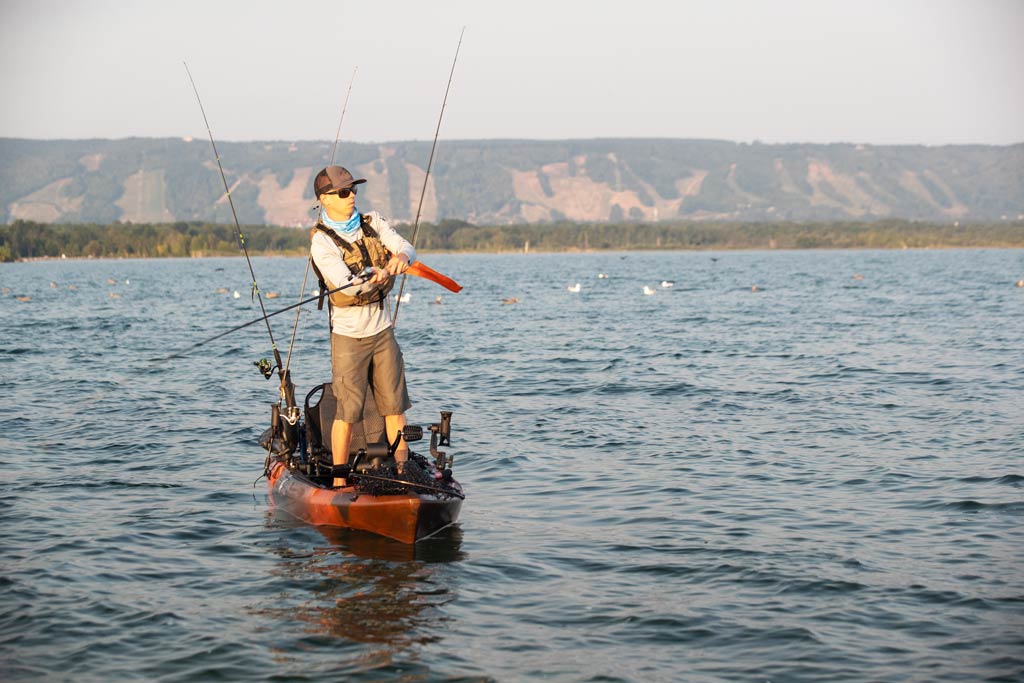
Choosing the right fishing rod size can make a huge difference in your fishing experience. You might be wondering, “What size fishing rod should I get?”
Whether you’re a beginner or have some experience, picking the perfect rod length and strength is key to catching more fish and enjoying your time on the water. You’ll discover simple tips that will help you find the ideal rod that fits your style and the type of fishing you love.
Keep reading, and soon you’ll feel confident making the best choice for your next fishing adventure.

Credit: www.reddit.com
Choosing Rod Length
Picking the right fishing rod length is key for a good fishing trip. The rod length affects how you cast and control the line.
This guide helps you understand short and long rods, casting distance, and the fishing environment.
Short Vs Long Rods
Short rods usually measure 5 to 7 feet. They offer better control and are easier to handle in tight spaces. Long rods range from 8 to 12 feet or more. They help cast farther and keep the line higher over obstacles.
- Short rods are good for small streams and close-range fishing.
- Long rods suit open water and long casts.
- Choose short rods for accuracy and long rods for distance.
- Consider your comfort and the type of fish you want to catch.
Casting Distance Impact
Rod length changes how far you can cast. Longer rods let you cast farther but need more space to swing. Short rods cast shorter distances but are easier to use in crowded areas.
| Rod Length | Casting Distance | Best Use |
| 5-7 feet | Short | Small streams, ponds |
| 8-10 feet | Medium | Lakes, rivers |
| 11+ feet | Long | Open water, surf fishing |
Fishing Environment
Your fishing spot affects rod choice. In tight areas with trees or bushes, a short rod works best. Wide open spaces allow for longer rods. Water type matters too: rivers, lakes, or ocean all call for different rod lengths.
Tips for choosing rod length by environment:
- Small streams: use 5-7 feet rods for control.
- Rivers: 7-9 feet rods balance control and distance.
- Lakes: 8-10 feet rods help cast over open water.
- Ocean or surf: 10+ feet rods reach long distances.
Selecting Rod Power
Choosing the right fishing rod power is important for success. Different powers suit different fish and techniques.
Rod power relates to the strength of the rod. It determines how much weight it can handle. Let’s explore which power suits your needs.
Light Power
Light power rods are great for small fish. They work well in calm waters like ponds or small lakes.
- Bluegill
- Crappie
- Small Trout
Medium Power
Medium power rods are versatile. They handle a variety of fish sizes and are suitable for most fishing environments.
| Fish Type | Rod Power |
| Bass | Medium |
| Walleye | Medium |
| Pike | Medium |
Heavy Power
Heavy power rods are strong. They are made for big fish and tough conditions like deep sea fishing.
Matching Rod Power To Fish Size
Selecting the correct power is about matching rod strength to fish size. This ensures you have the control needed during a catch.
Handling Different Fishing Techniques
Different fishing methods may require different rod powers. Consider what technique you’ll use most often.
- Light power is ideal for finesse fishing.
- Medium power suits jigging and spinning.
- Heavy power is best for trolling and deep-sea fishing.
Rod Action And Sensitivity
Choosing the right fishing rod depends on how it reacts to pressure and how well you can feel the fish bite. Rod action means how fast the rod bends and returns to normal. Sensitivity is how well you can sense fish movements through the rod.
Both action and sensitivity affect your fishing experience. They help you control the fish and know when to set the hook. Understanding these can guide you to pick the right rod size and type.
Fast Action
Fast action rods bend mostly near the tip. They are very sensitive and respond quickly. This action helps you feel light bites and set the hook fast.
Fast action rods are best for fishing with lures that need quick hook sets. They also give good control when fighting strong fish.
Medium Action
Medium action rods bend more toward the middle of the rod. They offer a balance between sensitivity and power. These rods are versatile for many fishing styles.
Medium action rods work well for fish that fight moderately. They give good control and allow smooth hook sets.
Slow Action
Slow action rods bend from the middle to the bottom. They are less sensitive but provide strong power to absorb fish runs. These rods flex more during a fight.
Slow action rods are good for bigger fish that pull hard. They help prevent the line from breaking by absorbing shocks.
How Action Affects Performance
Rod action changes how you feel the fish and how you fight it. Fast action rods give quick, sharp responses. Medium rods balance feeling and power. Slow action rods give more bend and shock absorption.
Sensitivity lets you detect light bites early. Power helps you control the fish and avoid line breaks. Choose a rod action that fits your fishing style and target fish.
Best Action For Various Fish Species
| Fish Species | Recommended Rod Action | Reason |
|---|---|---|
| Trout | Fast | High sensitivity for light bites |
| Bass | Medium | Good balance of power and feel |
| Catfish | Slow | Strong power to handle big runs |
| Walleye | Fast | Quick hook sets and sensitivity |
| Salmon | Medium | Control and strength during fight |
| Carp | Slow | Shock absorption for heavy fish |
Material And Build Quality
Choosing the right fishing rod depends on its material and build quality. These factors affect how the rod performs and lasts.
Different materials offer various strengths and weights. Knowing these helps you pick a rod that fits your fishing needs.
Graphite Vs Fiberglass Rods
Graphite rods are light and sensitive. They let you feel small bites better.
Fiberglass rods are heavier but stronger. They bend more without breaking.
- Graphite rods weigh less and react faster
- Fiberglass rods are tougher and more flexible
- Graphite rods cost more but offer better feel
- Fiberglass rods are good for heavy fish and rough use
Durability And Weight Considerations
Durability is key for lasting fishing rods. Fiberglass rods resist impact well.
Graphite rods are lighter, which reduces arm fatigue. They need careful handling to avoid damage.
- Fiberglass rods handle rough conditions better
- Graphite rods are easier to carry for long trips
- Heavier rods can be tiring to use
- Light rods help with quick, precise casting
Impact On Rod Sensitivity
Sensitivity helps detect fish bites quickly. Graphite rods offer higher sensitivity.
Fiberglass rods feel less vibration. They are better for strong pulls than light taps.
- Graphite rods show subtle fish movements
- Fiberglass rods are better for big, strong fish
- More sensitive rods improve catch chances
- Sensitivity depends on rod material and build
Matching Rod To Reel And Line
Choosing the right fishing rod depends on matching it well with your reel and line. This balance helps you cast better and catch more fish.
Each type of rod works best with certain reels and line weights. Knowing these details makes fishing easier and more fun.
Spinning Vs Baitcasting Rods
Spinning rods fit spinning reels, which sit under the rod. They are easier for beginners and work well with light lines.
Baitcasting rods pair with baitcasting reels on top. They give more control and power for heavier lines and bigger fish.
- Spinning rods have larger guides to reduce line friction.
- Baitcasting rods have smaller guides for better accuracy.
- Choose spinning rods for light lures and lines.
- Use baitcasting rods for heavy lures and strong lines.
Line Weight Compatibility
Rod line weight shows the best line strength range. Matching line weight helps the rod perform well.
| Rod Line Weight | Suitable Line Test (lbs) | Common Use |
| Light | 2-6 | Small fish, panfish |
| Medium | 6-12 | Bass, trout |
| Medium-Heavy | 12-20 | Larger bass, catfish |
| Heavy | 20+ | Big game fish, saltwater |
Reel Seat And Handle Types
The reel seat holds the reel firmly on the rod. It must fit the reel size and type for comfort.
Handles come in different shapes and materials. They affect how you hold and control the rod.
- Cork handles are light and comfortable for long use.
- EVA foam handles resist water and are easy to clean.
- Split grips reduce rod weight for better sensitivity.
- Full grips offer more control and strength for big fish.

Credit: fishingbooker.com
Fishing Style And Target Species
Choosing the right fishing rod depends on how you fish and the fish you want to catch. Different styles and species need different rods.
Knowing your fishing style and target species helps pick a rod that fits your needs. This guide covers important points to consider.
Freshwater Vs Saltwater Rods
Freshwater rods are lighter and made for smaller fish like bass and trout. Saltwater rods are stronger and resist salt damage.
Saltwater rods often use tougher materials to handle big fish and harsh conditions. Freshwater rods focus on sensitivity and finesse.
- Freshwater rods: light, flexible, sensitive
- Saltwater rods: strong, corrosion-resistant, durable
- Saltwater rods usually longer for casting distance
Specific Rods For Bass, Trout, And More
Bass rods are medium power and length, good for casting lures and handling strong fish. Trout rods are lighter and shorter for delicate bites.
Other fish like catfish or pike need rods with more power and length. Match rod size to the fish’s size and fight style.
- Bass: 6-7 foot medium power rods
- Trout: 5-6 foot light power rods
- Catfish: 7-8 foot heavy power rods
- Pike: 7-9 foot medium-heavy rods
Adjusting Rod Choice By Fishing Technique
Spinning rods work well for light lures and finesse fishing. Casting rods suit heavier baits and more control.
Fly fishing needs flexible, lightweight rods to cast flies accurately. Ice fishing rods are short and very sensitive.
- Spinning rods: 6-7 feet, light to medium action
- Casting rods: 6-8 feet, medium to heavy action
- Fly rods: 7-9 feet, very flexible
- Ice rods: 24-36 inches, sensitive tips
Budget And Brand Considerations
Choosing the right fishing rod size depends on your budget and preferred brand. Your budget sets limits on what you can buy. Brands offer different features and quality levels.
It is important to balance cost with the rod’s performance. Knowing popular brands helps you find good options in your price range.
Affordable Vs Premium Rods
Affordable rods are good for beginners and casual fishers. They cost less but may have fewer features. Premium rods offer better materials and durability.
Premium rods often feel lighter and stronger. They last longer with proper care. Affordable rods work fine for light use and simple fishing.
- Affordable rods: lower price, basic features, good for beginners
- Premium rods: higher price, advanced features, better quality
- Choose based on how often you fish and what you target
Popular Brands And Models
Some brands are known for quality and reliability. They offer rods in many sizes and prices. Popular brands include Shimano, Ugly Stik, and St. Croix.
Each brand has models for different budgets. You can find basic rods and high-end rods from these brands. Check reviews to see what fits your needs.
- Shimano: known for smooth action and durability
- Ugly Stik: affordable and tough rods for beginners
- St. Croix: premium rods with strong materials
Balancing Cost And Performance
Balance means finding a rod that fits your budget and works well. Don’t buy the cheapest rod if it breaks easily. Avoid expensive rods if you just fish once in a while.
Think about how you will use the rod. Match the rod size and power to your fishing style. This helps you get the best value for your money.
- Set a budget before shopping
- Look for rods with good reviews in your price range
- Choose rod size based on fish type and fishing location
- Test rods if possible to feel their balance and weight

Credit: fishanything.com
Testing And Maintenance Tips
Choosing the right size fishing rod is important for a good experience. Testing and caring for your rod helps it last longer.
Regular checks keep your rod working well. Learn how to test its flexibility and maintain it properly.
How To Test Rod Flexibility
Check your rod’s flexibility by bending it gently. The rod should bend smoothly without cracking or feeling stiff.
- Hold the rod firmly near the handle.
- Slowly bend the tip downward.
- Watch for smooth bending along the rod.
- Listen for any unusual sounds like cracks.
- Release and see if the rod returns to its shape.
Proper Rod Care And Storage
Clean your rod after every use to remove dirt and salt. Dry it well before storage to avoid damage.
- Wipe the rod with a soft cloth.
- Use fresh water to rinse saltwater rods.
- Store the rod in a cool, dry place.
- Keep it away from direct sunlight.
- Use rod holders or racks to avoid bending.
Signs You Need A New Rod
| Sign | What It Means |
| Cracks or Splits | Rod may break during use |
| Loss of Flexibility | Rod feels stiff or brittle |
| Corrosion or Rust | Metal parts are damaged |
| Loose Guides | Line may get caught or damaged |
| Handle Damage | Grip is uncomfortable or unstable |
Frequently Asked Questions
What Fishing Rod Length Suits Beginners Best?
A 6 to 7-foot rod is ideal for beginners. It offers good control and versatility for various fishing styles. This length helps improve casting accuracy and handling, making it easier to learn fishing basics effectively.
How Does Rod Length Affect Casting Distance?
Longer rods generally cast farther due to increased leverage and line speed. Shorter rods provide more control but shorter casts. Choose rod length based on your fishing environment and target species for optimal performance.
Which Rod Size Is Best For Freshwater Fishing?
A 6 to 7-foot medium-action rod works well for most freshwater fish. It balances sensitivity and strength, suitable for bass, trout, and panfish. This size offers versatility for different lures and fishing techniques.
What Rod Size Should I Use For Saltwater Fishing?
Saltwater fishing often requires longer, stronger rods, usually 7 to 9 feet. These rods handle larger fish and tougher conditions. Consider the species and location to select the right rod size.
Conclusion
Choosing the right fishing rod size makes fishing more fun and easy. Think about the fish you want to catch and where you will fish. Short rods work well in tight spots. Longer rods help you cast far in open water.
Balance your rod size with your skill level. Remember, the best rod fits your needs and feels comfortable. Try different sizes before you buy. This helps you find the perfect match for your fishing trips. Enjoy your time by the water with the right rod in hand.