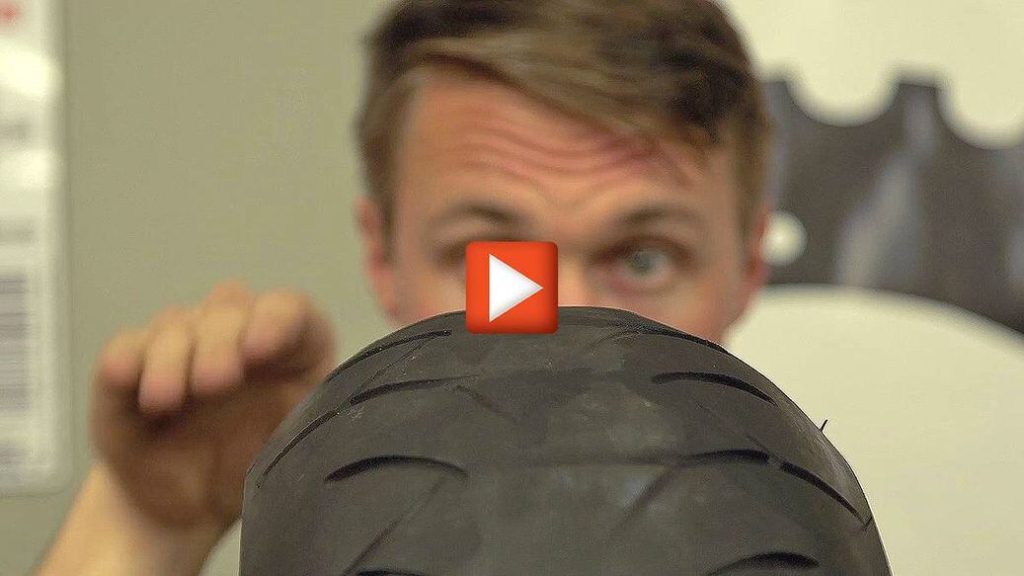
Your motorcycle tires are the only part of your bike that touch the road. That means they play a huge role in your safety and riding experience.
But how often should you replace them? If you’re unsure, you’re not alone. Using worn-out tires can lead to poor grip, longer stopping distances, or even dangerous blowouts. On the other hand, changing them too soon can cost you extra money.
You’ll discover clear signs and simple tips to know exactly when it’s time to get new tires. Keep reading to protect yourself and get the most from every ride.
Signs Of Tire Wear
Motorcycle tires wear out over time and use. Knowing the signs helps keep you safe on the road.
Check your tires often. Look for clear signs that show when to replace them.
Tread Depth Indicators
Tread depth shows how much life your tire has left. Most tires have built-in indicators.
- These indicators are small bars inside the tread grooves.
- If the tread is level with the bars, the tire is worn out.
- Replace tires when tread depth reaches 2/32 of an inch or less.
Cracks And Dry Rot
Cracks on the tire surface can mean dry rot. This happens when the rubber ages or dries out.
Dry rot weakens tires and can cause sudden failure. Check sidewalls and tread for small cracks.
Uneven Wear Patterns
Uneven wear may show on parts of the tire more than others. This can cause handling problems.
| Wear Pattern | Possible Cause |
| Center wear | Over-inflation |
| Edge wear | Under-inflation |
| One side wear | Misalignment or suspension issues |
| Patchy wear | Imbalanced tires or bent rims |
Factors Affecting Tire Lifespan
Motorcycle tires need regular checks and replacement. Their lifespan depends on various factors.
Knowing these factors helps ensure safety and performance while riding.
Riding Habits
How you ride affects how long your tires last. Aggressive riding wears tires quickly.
Regular high-speed rides can also lead to faster wear and tear.
- Frequent braking shortens tire life
- Cornering at high speeds causes more wear
- Sudden acceleration impacts tire health
Road Conditions
The type of roads you ride on matters. Rough roads damage tires more than smooth ones.
Gravel and potholes can cause tire punctures and uneven wear.
- Riding on wet roads can lead to slippage
- Hot pavement increases tire temperature
- Debris on roads poses risks to tire integrity
Tire Quality
High-quality tires tend to last longer. They are designed to withstand different conditions.
Cheaper tires might wear out quicker and need frequent replacement.
- Premium tires offer better grip
- Quality affects resistance to punctures
- Durable tires save money over time
Recommended Replacement Intervals
Motorcycle tires wear out over time and need regular checks. Replacing them at the right time keeps you safe on the road.
Different factors affect when you should change your tires. These include manufacturer advice, how far you ride, and the tire’s age.
Manufacturer Guidelines
Tire makers provide replacement advice for each model. They base this on tire design and materials used.
Follow the instructions in your tire manual or on the tire sidewall. This helps ensure proper performance and safety.
Mileage Recommendations
Most motorcycle tires last between 3,000 and 15,000 miles. The exact mileage depends on tire type and riding style.
Check your tires after every ride and replace them if the tread is low or damaged.
- Sport tires: around 3,000 to 5,000 miles
- Touring tires: about 8,000 to 15,000 miles
- Dual-sport tires: 5,000 to 10,000 miles
Time-based Replacement
Even if you ride less, tires age and lose their grip. Manufacturers often recommend changing tires every 5 years.
Check for cracks, hardening, or dry rot. These signs mean the tire is unsafe, no matter the mileage.
- Inspect tires yearly for signs of aging
- Replace tires after 5 years regardless of use
- Store tires properly to extend their life
Checking Tire Condition Regularly
Checking your motorcycle tires often is very important. It helps keep you safe on the road.
Regular checks help find problems early. This lets you fix or replace tires on time.
Visual Inspections
Look closely at your tires for cracks, cuts, or bulges. These signs can mean the tire is unsafe.
Check the sidewalls and tread for any damage. Also, look for any objects stuck in the tire.
- Cracks or cuts on tire surface
- Bulges or bumps on the sidewall
- Embedded nails or glass pieces
- Uneven wear or bald spots
Pressure Checks
Check tire pressure before every ride. Proper pressure keeps your bike stable and safe.
Use a tire pressure gauge to get an exact reading. Inflate tires to the pressure recommended by the manufacturer.
- Check pressure when tires are cold
- Use a reliable pressure gauge
- Match pressure to bike manual specs
- Adjust pressure for load and conditions
Tread Depth Measurement
Measure the tread depth to see how worn your tires are. Tires with low tread lose grip and are unsafe.
Use a tread depth gauge or a simple coin test. Replace tires if tread is below the safe limit.
- Safe tread depth is usually above 2mm
- Use a gauge to measure accurately
- Check tread evenly across the tire
- Replace tires if tread is too low
Risks Of Worn Motorcycle Tires
Worn motorcycle tires can cause serious safety problems. They lose their grip and do not perform well on the road.
Knowing the risks of old tires helps you decide when to replace them. This keeps you safe while riding.
Reduced Traction
Tires with worn tread have less grip on the road. This can make it hard to stop quickly or turn safely.
Reduced traction increases the chance of slipping, especially on wet or slippery surfaces.
Increased Blowout Risk
Old tires become thinner and weaker. This makes them more likely to burst while riding.
A blowout can cause you to lose control and crash, which is very dangerous.
Compromised Handling
Worn tires affect how your motorcycle responds to steering. It may feel loose or hard to control.
Good handling is important for safe riding and avoiding accidents on the road.

Credit: www.reddit.com
Tips For Extending Tire Life
Motorcycle tires wear out over time and need replacement. Proper care can help your tires last longer. Following simple tips keeps you safe and saves money.
Check your tires regularly. Small actions can prevent early tire damage. Learn how to take care of your tires for better performance.
Proper Inflation
Keeping tires at the right pressure helps them wear evenly. Too low or too high pressure causes faster tire damage. Check pressure before each ride.
Use a reliable gauge to measure tire pressure. Follow the motorcycle manual for the correct values. Adjust pressure when tires are cold.
- Underinflated tires can overheat and wear out quickly
- Overinflated tires reduce grip and cause uneven wear
- Proper pressure improves fuel efficiency and safety
Balanced Loads
Carrying balanced weight prevents extra stress on one tire. Uneven loads cause one tire to wear faster than the other. Distribute weight evenly on the bike.
Check your bike’s load capacity. Avoid carrying heavy items that exceed this limit. Balance passengers and cargo to reduce tire strain.
- Uneven weight leads to quicker tire wear
- Balanced loads improve handling and control
- Proper loading increases tire life and rider safety
Avoiding Harsh Riding
Harsh riding wears tires faster. Sudden braking, sharp turns, and rapid acceleration cause extra tire damage. Ride smoothly to extend tire life.
Slow down before corners and avoid quick stops. Gentle acceleration reduces stress on tires. This keeps the tread intact and tires lasting longer.
- Avoid aggressive braking to prevent tire wear
- Take turns smoothly to protect tire edges
- Gradual acceleration lowers tire heat and wear
Choosing The Right Replacement Tires
Choosing new tires is important for motorcycle safety and performance.
Pick tires that fit your riding style and the conditions you face.
Matching Tire Type To Riding Style
Different tires suit different types of riding. Sport tires offer better grip on smooth roads. Cruiser tires last longer and provide comfort on long rides. Off-road tires have deep treads for dirt and mud.
- Sport tires: for fast, smooth road riding
- Cruiser tires: for comfort and longer wear
- Touring tires: for long-distance travel
- Off-road tires: for trails and rough terrain
Considering Weather Conditions
Weather affects tire choice. Wet or cold conditions need tires with good water drainage and grip. Dry, warm weather allows for softer tires that hold well on pavement.
| Weather | Recommended Tire Type |
| Wet or rainy | Tires with deep grooves for water channeling |
| Cold or icy | Special tires with softer rubber for grip |
| Dry and warm | Softer tires for better road contact |
Consulting Professional Advice
Experts can help pick the best tires for your bike and use. Mechanics and tire shops know which brands and models work well. They can suggest options based on your budget and needs.
Tips from professionals:
- Ask about tire lifespan and warranties
- Get advice on tire pressure for your riding
- Request help with proper tire installation

Credit: www.youtube.com

Credit: www.motorcyclistonline.com
Frequently Asked Questions
How Often Should I Replace Motorcycle Tires?
Motorcycle tires should typically be replaced every 3,000 to 15,000 miles. Check tread depth and tire condition regularly to ensure safety. Replace tires sooner if you notice cracks, uneven wear, or loss of grip.
What Are Signs That Motorcycle Tires Need Replacement?
Look for tread wear indicators, cracks, bulges, or flat spots on tires. Reduced traction or vibrations while riding also signal tire replacement. Regular inspections help prevent accidents caused by worn tires.
Can Old Motorcycle Tires Be Unsafe Even If Tread Looks Good?
Yes, tires degrade over time due to rubber hardening and weather exposure. Most manufacturers recommend replacing tires every 5 to 6 years, regardless of tread condition, to maintain optimal safety and performance.
Does Riding Style Affect Motorcycle Tire Lifespan?
Aggressive riding, frequent cornering, and hard braking can wear tires faster. Smooth riding and proper tire maintenance extend tire life. Adjust your riding habits to maximize tire durability.
Conclusion
Regularly check your motorcycle tires for wear and damage. Replace tires every 3 to 5 years or sooner if needed. Worn tires reduce grip and increase accident risk. Proper tire care helps you ride safely and confidently. Keep an eye on tread depth and sidewall cracks.
Riding on good tires makes a big difference. Stay safe by not delaying tire replacement. Your bike performs best with fresh, reliable tires. Simple steps keep your rides smooth and secure.