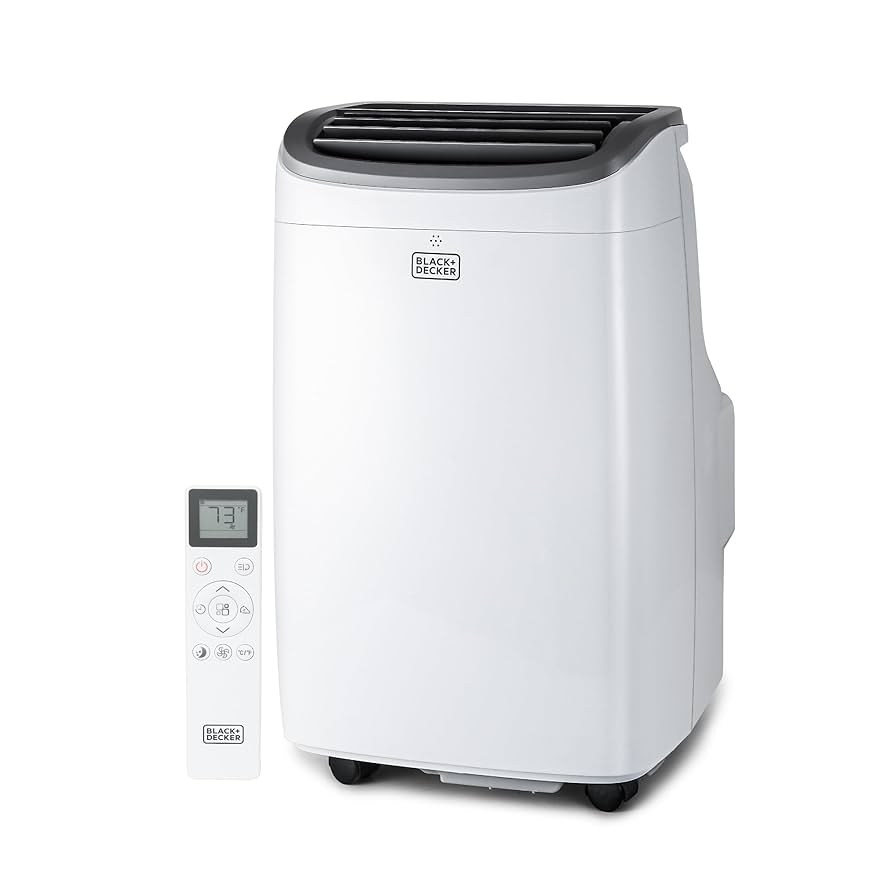
Are you wondering how many watts a portable air conditioner uses? Knowing this can help you save money on your energy bills and choose the right unit for your space.
You might be surprised at how much power these devices need and how it affects your electricity consumption. Keep reading to discover the facts about portable air conditioner wattage and learn how to make the best decision for your comfort and budget.

Credit: hvac-temecula-murrieta.com
What Determines Portable Ac Wattage
Portable air conditioners use different amounts of power. The wattage depends on several key factors. Understanding these helps you choose the right unit.
Wattage affects how much electricity the unit uses. It also links to the cooling power and features of the AC.
Cooling Capacity And Btus
Cooling capacity shows how much heat the AC can remove. It is measured in BTUs (British Thermal Units). Higher BTUs mean the unit cools larger spaces.
- Small rooms need 5,000 to 8,000 BTUs
- Medium rooms need 8,000 to 12,000 BTUs
- Large rooms need 12,000 to 14,000 BTUs or more
More BTUs require more wattage. This means bigger portable ACs use more electricity.
Energy Efficiency Ratings
Energy efficiency shows how well an AC uses electricity to cool. This rating helps compare models. Look for the EER (Energy Efficiency Ratio) or CEER (Combined Energy Efficiency Ratio).
| Rating | Meaning | Effect on Wattage |
|---|---|---|
| High EER/CEER | More efficient | Uses less wattage for same cooling |
| Low EER/CEER | Less efficient | Uses more wattage |
Additional Features Impact
Extra features can increase wattage. These include:
- Dehumidifiers that remove moisture
- Fan speed options for better airflow
- Heaters for warming rooms in cold weather
- Smart controls and timers for convenience
Each feature adds to the total power use. More features mean higher wattage.
Typical Wattage Ranges
Portable air conditioners use different amounts of power. The wattage depends on the size and cooling capacity.
Understanding typical wattage helps you pick the right unit and manage energy costs.
Small Portable Ac Units
Small units usually cool small rooms or personal spaces. They need less power to run.
- Wattage range: 500 to 900 watts
- Suitable for rooms up to 250 square feet
- Easy to move and use in tight spaces
Medium Capacity Models
Medium models cool average-sized rooms. They balance power use and cooling ability.
| Model | Cooling Area (sq ft) | Wattage (Watts) |
| Model A | 250-400 | 1000-1400 |
| Model B | 300-450 | 1200-1500 |
| Model C | 350-500 | 1300-1600 |
High-powered Options
High-powered units cool large rooms or small apartments. They use more electricity but cool faster.
Typical wattage range for high-powered options:
- 1500 watts to 2000+ watts
- Best for rooms over 500 square feet
- Includes some dual-hose models
Calculating Power Consumption
Understanding the power consumption of a portable air conditioner is important. It helps you manage energy use and costs.
Knowing how many watts your unit uses can guide you in making smart choices. This includes estimating energy bills and reducing electricity use.
Watts Vs. Amps
Watts and amps are both measures of electricity. Watts measure power, while amps measure current.
To find watts, multiply the voltage by the amps. Most portable air conditioners use between 800 and 1,500 watts.
- 1 amp = 120 watts at 120 volts
- More amps mean more power use
- Check your unit’s label for details
Estimating Monthly Energy Use
To estimate monthly energy use, multiply the watts by hours used per day. Then multiply by 30 days.
Divide the total by 1,000 to convert to kilowatt-hours. This is what your electric bill uses.
| Daily Hours | Monthly kWh |
| 5 hours | 60-90 kWh |
| 8 hours | 96-144 kWh |
Factors Affecting Power Draw
Several factors affect how much power your air conditioner uses. Room size, temperature setting, and insulation matter.
The efficiency of the unit also plays a role. Newer models often use less power for the same cooling effect.
- Larger rooms need more power
- Lower temperature settings increase usage
- Good insulation reduces power need
Comparing Portable Ac To Other Cooling Devices
Portable air conditioners use electricity to cool small spaces. They offer flexibility by moving from room to room. It is useful to compare them with other common cooling devices.
Understanding how much power each device uses helps in choosing the right cooling option for your needs and budget.
Window Air Conditioners
Window air conditioners are fixed units installed in a window space. They cool rooms by removing warm air and blowing cool air inside. These units generally use between 500 and 1500 watts.
- Use more power than portable ACs on average.
- Often more efficient for cooling single rooms.
- Require permanent installation.
Central Air Systems
Central air systems cool entire buildings through ducts. They use a compressor and blower to move cool air inside. Their power use is much higher than portable units.
| Cooling Device | Average Power Use (Watts) | Coverage Area |
|---|---|---|
| Portable Air Conditioner | 800 – 1500 | Small to medium rooms |
| Window Air Conditioner | 500 – 1500 | Single rooms |
| Central Air System | 3000 – 5000+ | Whole house or building |
Evaporative Coolers
Evaporative coolers use water evaporation to lower air temperature. They work best in dry climates and use less electricity than portable ACs.
- Consume about 100 to 300 watts.
- Use no refrigerants.
- Cool air by adding moisture.
- Less effective in humid places.
Energy Saving Tips For Portable Acs
Portable air conditioners use different watts depending on their size. Saving energy helps reduce power bills and protects the environment.
Simple habits and smart use of your portable AC can lower energy use without losing comfort.
Proper Placement And Insulation
Place your portable AC near a window or vent to release hot air outside. Avoid direct sunlight on the unit.
- Use curtains or blinds to block sunlight
- Seal gaps around windows and doors
- Insulate the room to keep cool air inside
- Keep doors closed to prevent warm air from entering
Using Timers And Thermostats
Timers help you run the AC only when needed. Thermostats keep the room at a set temperature.
| Feature | Benefit |
| Timer | Turns AC off automatically |
| Thermostat | Prevents overcooling |
| Both | Save energy and money |
Regular Maintenance Practices
Keep your portable AC clean and well-maintained. Dirty filters and coils make it work harder.
- Clean or replace air filters every month
- Check and clean the coils regularly
- Ensure the exhaust hose is not blocked
- Store the unit properly when not in use

Credit: www.homedepot.com
Choosing The Right Wattage For Your Space
Picking the right wattage for your portable air conditioner is important. It helps keep your room cool and saves energy.
Too little power means the room stays warm. Too much power wastes electricity and costs more.
Room Size Considerations
Room size is the main factor for choosing wattage. Bigger rooms need more cooling power.
Measure your room in square feet. Use this guide to pick the right wattage:
- Up to 250 sq ft: 500 to 800 watts
- 250 to 400 sq ft: 800 to 1,200 watts
- 400 to 600 sq ft: 1,200 to 1,800 watts
- Over 600 sq ft: 1,800 watts or more
Climate And Usage Patterns
Hotter climates need air conditioners with higher wattage. This helps cool the space faster.
How often you use the unit also matters. Long daily use may need a unit with better efficiency.
- Humid or very hot areas need extra power
- Short or occasional use can use lower wattage
- Continuous use benefits from energy-saving models
Budget And Energy Costs
Higher wattage units cost more to buy and run. Choose a unit that fits your budget and energy costs.
Look at the energy efficiency rating. A better rating saves money over time.
- Lower wattage lowers electricity bills
- Energy-efficient units reduce long-term costs
- Balance upfront price with running expenses

Credit: www.popularmechanics.com
Frequently Asked Questions
How Many Watts Does A Portable Air Conditioner Use?
Portable air conditioners typically use between 800 to 1500 watts per hour. The exact wattage depends on the unit’s size and cooling capacity. Smaller models consume less power, while larger units require more energy to cool bigger spaces efficiently.
What Affects The Wattage Of Portable Air Conditioners?
Wattage depends on the BTU rating, unit size, and energy efficiency. Higher BTU means more cooling power but higher wattage. Energy-efficient models use less electricity while maintaining performance. Room size and insulation also impact overall energy consumption.
Can I Run A Portable Ac On A 1000-watt Generator?
Running a portable AC on a 1000-watt generator is possible if the AC uses less than 1000 watts. Many portable ACs require around 800-1500 watts, so check your unit’s wattage before using a generator to avoid overload.
How To Calculate The Electricity Cost Of A Portable Ac?
Multiply the unit’s wattage by hours used daily, then divide by 1000 to get kWh. Multiply kWh by your local electricity rate for daily cost. This helps estimate monthly expenses and manage your energy budget effectively.
Conclusion
Choosing the right wattage for a portable air conditioner matters a lot. It affects your energy use and cooling comfort. Smaller rooms need fewer watts, while bigger spaces require more power. Check the unit’s watt rating before buying to save money.
Remember, efficient cooling means lower bills and happier days. Keep these points in mind for smart, cool living.