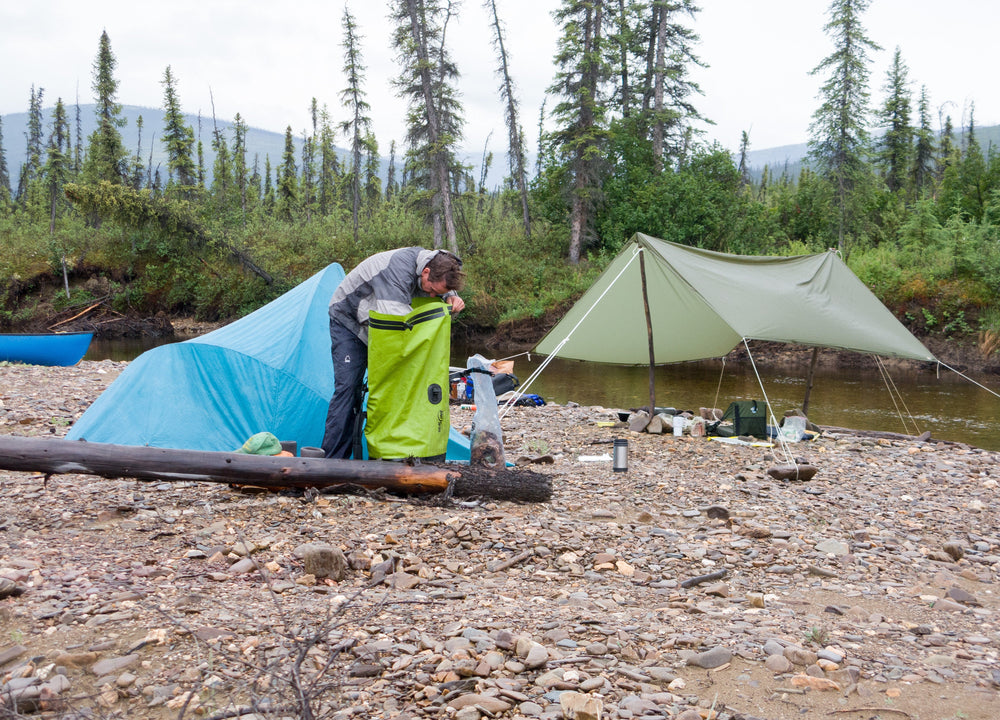
You’ve just finished an amazing camping trip, but now comes the tricky part—drying your tent. Leaving your tent wet can cause mold, bad smells, and even damage the fabric.
You want your gear to last and be ready for your next adventure, right? You’ll discover simple, effective ways to dry your tent quickly and safely. Keep reading to protect your tent and make your camping experience better every time.
Choosing The Right Spot
Drying a tent properly keeps it fresh and ready for the next trip. The right spot helps the tent dry faster and avoids damage.
Picking a good place to dry your tent makes a big difference. Look for areas that help remove moisture quickly.
Avoiding Damp Areas
Stay away from low ground where water collects. Wet grass and shaded spots hold moisture longer. These areas slow drying and may cause mold.
- Choose high ground or flat surfaces
- Avoid areas near ponds or streams
- Look for dry soil or rocky patches
- Check under trees for dew or wet leaves
Maximizing Sun Exposure
The sun’s heat dries tents quickly and kills bacteria. Place your tent where sunlight shines directly for several hours.
| Time of Day | Sunlight Strength |
| Morning | Moderate |
| Midday | Strong |
| Afternoon | Moderate |
| Evening | Low |
Using Wind To Your Advantage
Wind helps move moisture away from your tent. A breezy spot speeds drying and stops musty smells. Face the tent opening toward the wind.
- Set up in open areas with good airflow
- Use tent poles to keep fabric taut
- Open all windows and doors for air circulation
- Avoid sheltered spots blocked by hills or trees

Credit: fivestarcampers.com
Setting Up For Drying
Drying a tent properly extends its life. A dry tent prevents mold and bad odors. Learn how to set up your tent for drying.
Follow these steps to ensure your tent dries well. Position it correctly, remove accessories, and unzip it fully.
Proper Tent Positioning
Place your tent in a sunny area. Sunlight helps the tent dry faster. Avoid shady spots.
Ensure the ground is clean and dry. A wet surface can slow down the drying process.
- Flat ground prevents puddles
- Secure tent with stakes to keep it stable
- Use a clothesline if space is limited
Removing Tent Accessories
Take out all tent accessories. Remove poles, stakes, and any extra gear. This allows air to circulate better.
Store accessories separately to prevent damage. Wet poles or stakes can rust if not dried properly.
- Lay accessories out in the sun
- Wipe down with a dry cloth if needed
- Keep them organized for easy packing
Unzipping And Spreading Out
Unzip all tent doors and windows. This allows air to flow through the tent. It helps moisture escape.
Spread the tent out as much as possible. Make sure there are no folds. This prevents damp spots.
| Open all vents | Improves air circulation |
| Check for pooling water | Wipe it off immediately |
Drying Techniques
Drying your tent properly helps keep it clean and lasting longer. Wet tents can get moldy or smell bad if not dried well.
Use the right drying techniques to make sure your tent is dry inside and out. This guide explains simple ways to dry your tent.
Air Drying Methods
Air drying is the easiest way to dry a tent. Find a shady, open area with good airflow. Avoid direct sunlight to protect fabric.
Hang the tent on a clothesline or spread it flat on a clean surface. Turn it occasionally to dry all parts evenly. This may take several hours.
- Choose a shaded spot to prevent fabric damage
- Hang or lay the tent flat for better air flow
- Turn or flip the tent to dry all sides
- Keep the tent away from dirt and dust
Using Towels And Cloths
Towels and cloths help remove extra water from your tent faster. Use clean, dry towels to soak up wet areas before air drying.
Press the towel on wet spots gently. Avoid rubbing hard to keep the fabric safe. Microfiber towels work well because they absorb water quickly.
- Use soft, clean towels to blot water
- Press, don’t rub, to avoid fabric damage
- Microfiber towels absorb water fast
- Change towels when they get too wet
Portable Tent Dryers
Portable tent dryers are small devices that blow warm air to dry tents quickly. They help if you need to dry your tent inside or in bad weather.
Set up the dryer near the tent and run it for a few hours. Make sure the air is not too hot to avoid damaging the tent’s fabric or seams.
- Use warm, not hot, air to dry the tent
- Keep dryer at a safe distance from fabric
- Best for indoor drying or rainy days
- Check the tent often while drying
Preventing Mold And Mildew
Keeping your tent dry is key to stopping mold and mildew. Mold grows fast in damp places. This can damage the fabric and smell bad.
Follow these tips to keep your tent clean and dry. This will help it last longer and stay fresh for your next trip.
Cleaning After Use
Always clean your tent after camping. Remove dirt, leaves, and bugs. Use a soft brush or cloth for cleaning.
Wash your tent with mild soap and water. Avoid strong detergents or bleach. Rinse well to remove soap.
- Set up the tent outside or in a large tub
- Use a sponge or soft brush with soap
- Rinse thoroughly with clean water
- Let the tent air dry completely
Applying Mold-resistant Treatments
Use mold-resistant sprays or treatments on your tent fabric. These products help stop mold and mildew from growing.
Apply treatments only after cleaning and drying your tent. Follow the product instructions for best results.
- Choose a spray made for outdoor fabrics
- Spray evenly on all tent surfaces
- Allow the tent to dry in fresh air
- Reapply treatments before each camping season
Storing Tent Properly
Store your tent in a dry, cool place. Avoid damp basements or garages. Keep it away from direct sunlight.
Do not store your tent in a tight bag for a long time. Use a breathable storage bag or hang it to keep air flowing.
- Make sure the tent is fully dry before storing
- Use a large cotton or mesh storage bag
- Keep storage area clean and free of moisture
- Check your tent regularly for signs of mold
Quick-dry Tips For Rainy Conditions
Drying a tent quickly during rainy weather can be tough. Wet tents stay heavy and can get moldy. Using smart drying methods helps keep your tent fresh and ready.
This guide shares easy tips to dry your tent fast. You will learn indoor drying ideas, safe heat use, and quick emergency hacks.
Indoor Drying Solutions
Dry your tent indoors to avoid more rain. Find a large, dry space with good air flow. Hang the tent or spread it flat on clean surfaces.
Open windows and use fans to speed up drying. Keep the tent away from damp floors or walls. Change the tent position for even drying.
- Choose a dry room with space
- Hang tent parts on clotheslines or rods
- Use fans to move air around
- Spread the tent flat if hanging is not possible
- Check and flip the tent often
Utilizing Heat Sources Safely
Heat helps dry tents faster but use it carefully. Keep heat sources at a safe distance to avoid fire risks. Do not place the tent directly on heaters.
Use electric heaters or heat lamps in well-ventilated areas. Keep the tent fabric dry and check often. Never leave heat devices unattended near the tent.
- Keep heaters 3 feet away from the tent
- Use low or medium heat settings
- Place heaters on stable surfaces
- Do not block air flow around heaters
- Supervise heating at all times
Emergency Drying Hacks
If you need your tent dry fast, try these quick tricks. They work well when you have limited space or time.
Use absorbent materials and sunlight to dry parts quickly. Small heat sources like hairdryers can help but use them carefully.
- Wrap tent parts in towels to soak water
- Use a hairdryer on cool or low heat
- Set tent near a sunny window
- Shake off water before drying
- Use a drying rack or hang inside a shower rod

Credit: www.popularmechanics.com
Maintaining Tent Longevity
Keeping your tent in good shape helps it last many camping trips. Drying your tent properly is a key part of this care. Wet tents can develop mold, damage fabric, and lose waterproofing.
Follow simple steps like inspecting, repairing, and deep cleaning. These actions protect your tent and keep it ready for outdoor adventures.
Regular Inspection
Look over your tent carefully after every use. Check the fabric, seams, zippers, and poles for signs of wear or dirt. Catching small problems early stops bigger damage later.
- Examine the tent floor for holes or tears
- Test zippers to ensure smooth operation
- Check seams for loose stitching or gaps
- Inspect poles for cracks or bends
- Look for dirt or debris inside and outside the tent
Repairing Damage Promptly
Fix small issues right away to keep your tent strong. Use patch kits for holes and seam sealers to stop leaks. Replace broken poles or zipper parts as soon as possible.
| Damage Type | Repair Method | Materials Needed |
| Small holes or tears | Apply patch or tape | Repair patch kit, adhesive tape |
| Leaking seams | Use seam sealer | Seam sealer liquid or tape |
| Broken poles | Replace or splint pole | Replacement pole, splint kit |
| Zipper problems | Lubricate or replace zipper | Zipper lubricant, zipper repair kit |
Seasonal Deep Cleaning
Clean your tent thoroughly at the end of each camping season. Remove dirt, mud, and stains. This keeps fabric healthy and prevents mold growth.
- Set up the tent in a shaded area
- Use mild soap and warm water to wash fabric
- Scrub gently with a soft brush on dirty spots
- Rinse well with clean water
- Dry the tent fully before storing
- Store in a cool, dry place away from sunlight

Credit: haventents.com
Frequently Asked Questions
How Long Does It Take To Dry A Tent Completely?
Drying a tent usually takes 3 to 6 hours, depending on weather conditions. Sunlight and good air circulation speed up drying. Avoid packing a damp tent to prevent mold and odors.
Can I Dry A Tent Indoors Safely?
Yes, you can dry a tent indoors by hanging it in a well-ventilated room. Use fans to improve airflow and avoid direct heat sources, which can damage the fabric.
What’s The Best Way To Dry A Tent After Rain?
After rain, set up your tent in a shaded, breezy area. Open all windows and doors to maximize airflow. Avoid direct sunlight to protect waterproof coatings.
How Do I Prevent Mold While Drying A Tent?
To prevent mold, always dry your tent fully before storing it. Clean off dirt and debris, then air dry in a dry, ventilated space. Use moisture absorbers if needed.
Conclusion
Drying your tent well keeps it safe and ready for next use. Always air it out in a shady place to avoid sun damage. Wipe off any dirt or moisture to prevent mold and smells. Take your time; rushing can harm the fabric.
A dry tent lasts longer and works better. Remember, care today means fun camping tomorrow. Keep these steps in mind for your next trip. A little effort goes a long way.