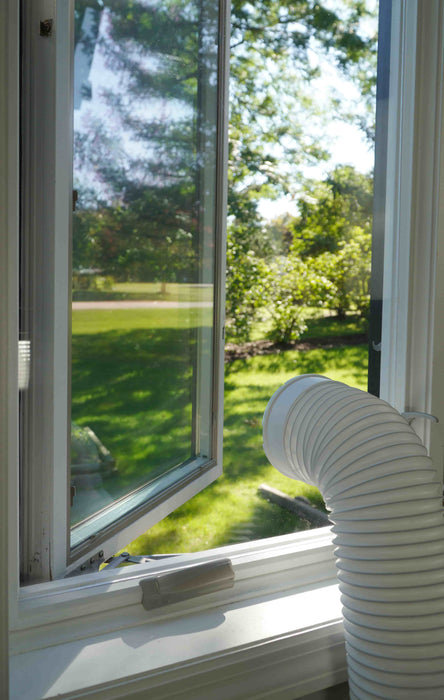
Are you struggling to keep your room cool without a bulky window air conditioner? A portable air conditioner might be just what you need.
But how do you install it in a push out window, which isn’t designed for standard window units? Don’t worry—this guide will walk you through every step to make the process simple and stress-free. By the end, you’ll know exactly how to set up your portable AC quickly and safely, so you can enjoy cool air all summer long.
Keep reading to discover the easy tricks that will save you time and frustration!
Choosing The Right Portable Ac
Installing a portable air conditioner in a push-out window needs careful planning. Choosing the right unit ensures good cooling and easy setup.
This guide helps you pick a portable AC that fits your window and power needs. It covers measuring, selecting, and checking power.
Measuring Window Dimensions
Start by measuring the window where you want to install the AC. Note the width and height of the push-out window.
Measure the depth of the window frame too. This helps find a unit that fits well without gaps.
- Measure width from left to right edge
- Measure height from top to bottom edge
- Measure depth inside the frame
- Write down all measurements
Selecting Suitable Ac Unit
Choose a portable AC that fits your window size. Check the unit’s dimensions before buying.
Consider the cooling power, or BTUs, based on your room size. Bigger rooms need higher BTUs.
- Match unit width and height to window measurements
- Pick BTUs suitable for room size
- Look for units designed for push-out windows
- Ensure the exhaust hose fits the window opening
Checking Power Requirements
Check the electrical power needed for the portable AC. Look at the voltage and wattage on the label.
Make sure your home outlet can handle the AC’s power. Use a dedicated outlet if possible to avoid overload.
- Find voltage and wattage on the AC unit
- Check your outlet’s voltage matches
- Use a dedicated circuit for best safety
- Avoid extension cords or power strips
Preparing The Window
Installing a portable air conditioner in a push-out window requires careful preparation. This ensures efficiency and safety during operation.
Follow these steps to prepare the window for your air conditioner unit. Proper preparation helps maintain the equipment and your home environment.
Cleaning The Window Frame
A clean window frame ensures a good seal for the air conditioner. Dust and debris can affect the installation process.
- Use a soft cloth to wipe the window frame.
- Remove dirt with mild soap and water.
- Ensure the frame is completely dry before proceeding.
Removing Obstacles
Clear any obstacles that may hinder the installation. This includes removing items from the window sill and surrounding areas.
Ensuring Proper Ventilation
Proper ventilation is crucial for the efficient operation of the air conditioner. It helps in cooling the room effectively.
| Area | Action |
| Window Interior | Keep clear for airflow |
| Window Exterior | Ensure no blockages |
| Room Corners | Remove clutter |
Installing The Window Kit
Installing the window kit is key to using a portable air conditioner in a push out window. The kit holds the exhaust hose and keeps the window sealed.
This guide covers assembling the kit, securing it in your window, and sealing gaps for best cooling.
Assembling The Kit Components
Start by gathering all kit parts. These usually include the window panel, exhaust adapter, and screws or clips.
- Unfold or slide the window panel to fit your window width.
- Attach the exhaust adapter to the panel opening securely.
- Ensure the adapter is tight to avoid air leaks.
- Keep the screws or clips ready for installation.
Securing The Panel In The Push Out Window
Place the assembled panel into the push out window frame. Push the window out gently to hold the panel in place.
| Action | Tip |
| Fit panel width | Adjust panel to match window size exactly |
| Push window | Push window fully out to lock panel securely |
| Use clips or screws | Fasten panel to window frame for stability |
Sealing Gaps For Efficiency
After securing the panel, check for any gaps around the edges. These gaps let warm air enter and reduce cooling.
Use weather stripping or foam tape to seal gaps. Follow these tips:
- Clean the window frame before applying sealant.
- Press weather stripping firmly along all edges.
- Check for holes around screws and fill with caulk.
- Test for drafts by feeling around edges.

Credit: www.klolab.com
Connecting The Exhaust Hose
Connecting the exhaust hose is an important step for your portable air conditioner. The hose removes hot air from the room through the window.
Follow these simple steps to attach the hose correctly to the AC unit and the window kit. This helps your air conditioner work well.
Attaching Hose To Ac Unit
First, locate the exhaust port on the back of your air conditioner. The exhaust hose will connect here to send hot air outside.
Push the hose firmly onto the exhaust port. Make sure it fits tightly to stop any air leaks.
- Align the hose with the exhaust port
- Push the hose until it clicks or fits snugly
- Check for any gaps or loose areas
Securing Hose To Window Kit
Next, attach the other end of the hose to the window kit. The window kit blocks the open window and holds the hose in place.
Use the provided connectors or clamps to secure the hose. This stops the hose from falling out or moving.
- Insert hose end into the window kit adapter
- Tighten clamps or connectors firmly
- Make sure the hose does not pull away easily
Avoiding Kinks And Obstructions
Keep the exhaust hose straight and free from bends. Kinks reduce airflow and make the AC less effective.
Check that no furniture or objects block the hose. Clear airflow helps your air conditioner cool the room faster.
- Place the hose in a smooth, straight line
- Avoid sharp bends or loops in the hose
- Keep the hose away from heavy objects or tight spaces
Testing And Adjustments
After installing your portable air conditioner in a push out window, testing it ensures it works properly. Adjusting the settings helps you get the best cooling comfort.
This guide covers powering on the unit, checking for air leaks, and adjusting settings for comfort.
Powering On The Unit
Plug in the air conditioner and press the power button. Wait a few minutes for it to start cooling. Listen for unusual noises or vibrations.
If the unit does not start, check the power source and the plug connection. Make sure the remote control has batteries if you use one.
Checking For Air Leaks
Air leaks reduce cooling efficiency. Check the window seals around the unit carefully. Look for gaps or spaces where air may escape.
- Use weather stripping or foam tape to seal small gaps.
- Adjust the window panels to fit tightly around the unit.
- Secure the exhaust hose firmly to the window kit.
- Test by feeling for cold or warm air around the edges.
Adjusting Settings For Comfort
| Setting | Purpose | Tips |
| Temperature | Set desired room temperature | Start around 72°F (22°C) |
| Fan Speed | Control airflow strength | Use low speed for quiet operation |
| Mode | Select cooling or fan only | Choose fan only for mild days |
| Timer | Schedule automatic on/off | Set timer to save energy |
Adjust these settings based on your comfort. Monitor how the room cools and change the fan speed or temperature if needed.

Credit: www.reddit.com
Maintenance Tips
Keeping your portable air conditioner clean and well-maintained extends its life. Proper care ensures it works efficiently. Follow these tips to maintain your unit in a push out window.
Regular checks and simple actions can prevent many problems. This guide covers cleaning filters, storing the unit, and fixing common issues.
Cleaning Filters Regularly
Clean filters improve air flow and cool your room better. Dirty filters make the unit work harder and waste energy. Clean the filters every two weeks during use.
- Turn off and unplug the air conditioner.
- Remove the filter from the back or side.
- Wash the filter with warm water and mild soap.
- Let the filter dry completely before reinstalling.
- Do not use harsh chemicals or brushes that damage the filter.
Storing During Off-season
Proper storage protects your air conditioner from damage during months you do not use it. Clean the unit before storing it away.
| Storage Step | Details |
| Clean the unit | Remove filters and clean inside and outside |
| Dry completely | Prevent mold by drying all parts fully |
| Cover the unit | Use a cloth or plastic cover to block dust |
| Store in a dry place | Avoid damp or freezing areas |
| Check before use | Inspect and clean again before next season |
Troubleshooting Common Issues
Some problems are easy to fix without a technician. Check these common issues if your unit is not cooling well or making noise.
- Unit not cooling:Check if the filter is clean and the window seal is tight.
- Water leaks:Make sure the drain plug is in place and the unit is on a flat surface.
- Strange noises:Remove any objects near the unit and check if the fan is blocked.
- Unit won’t turn on:Check the power cord and outlet for issues.

Credit: www.reddit.com
Frequently Asked Questions
How Do I Measure My Push Out Window For A Portable Ac?
Measure the width and height of the push out window frame. Ensure the portable AC window kit fits these dimensions. Accurate measurement prevents gaps and improves cooling efficiency.
What Materials Are Needed For Installation In Push Out Windows?
You need the portable AC unit, window installation kit, foam seal strips, screws, and a screwdriver. These materials ensure a secure and airtight fit.
Can I Install A Portable Ac Without Professional Help?
Yes, most portable ACs come with detailed instructions. With basic tools and patience, you can install it yourself safely and effectively.
How To Secure The Exhaust Hose In A Push Out Window?
Attach the exhaust hose to the AC unit and window kit. Use brackets or foam strips to seal gaps and prevent air leaks.
Conclusion
Installing a portable air conditioner in a push-out window is simple and quick. Follow the steps carefully to ensure a good fit and proper cooling. Make sure the window is secure and the vent hose is sealed tightly. Check for any gaps to avoid warm air entering your room.
With the right setup, your portable AC will keep your space cool and comfortable. Enjoy a cooler home without much hassle or expense.