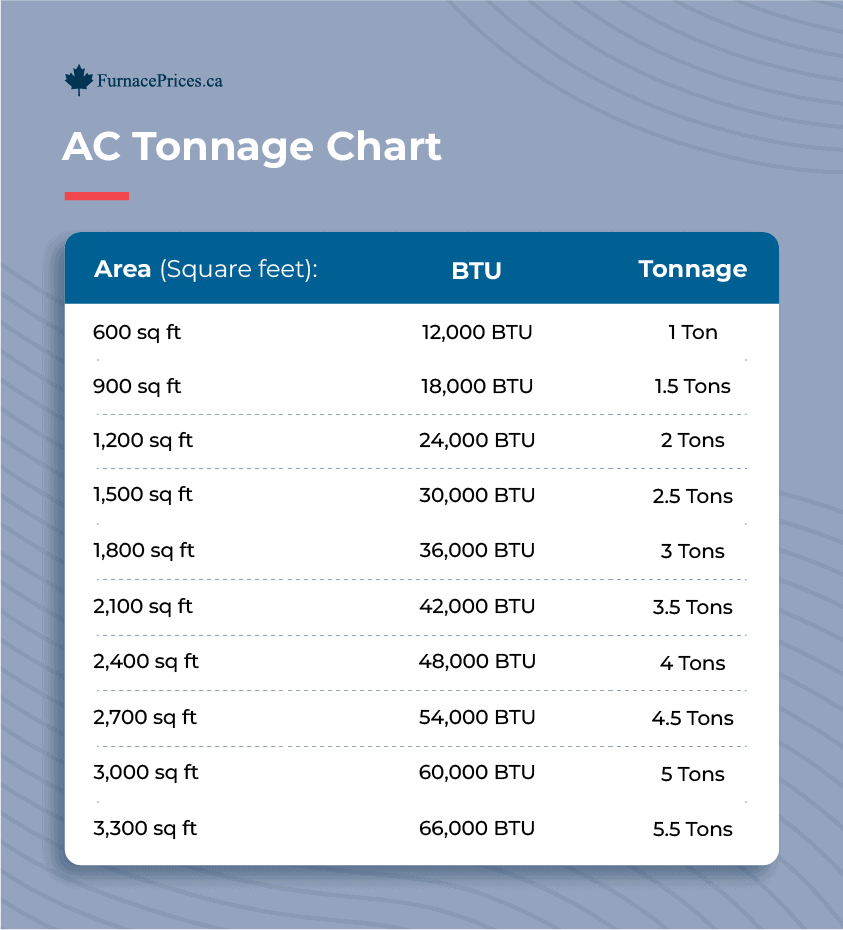
Choosing the right size air conditioner for your space isn’t just about comfort—it can save you money and energy too. If your AC is too small, it won’t cool your room properly.
If it’s too big, you’ll waste power and face higher bills. So, how do you know exactly what size air conditioner you need? Keep reading, and you’ll discover simple tips that make this decision easy and smart. By the end, you’ll be confident in picking the perfect unit for your home or office.
Credit: lynnswinnipeg.ca
Factors Affecting Ac Size
Choosing the right air conditioner size is important to keep your room comfortable. Many factors affect how big or small your AC should be.
Understanding these factors helps you avoid buying an AC that is too weak or too strong for your space.
Room Dimensions
The size of your room is a key factor. Larger rooms need more cooling power. Measure the length and width of the room to find its area.
| Room Size (sq ft) | Recommended AC Capacity (BTU) |
| 100 – 150 | 5,000 – 6,000 |
| 150 – 250 | 6,000 – 8,000 |
| 250 – 350 | 8,000 – 10,000 |
| 350 – 450 | 10,000 – 12,000 |
Ceiling Height
Taller ceilings mean more air volume to cool. Rooms with high ceilings need stronger air conditioners. Standard calculations assume eight-foot ceilings.
Adjust AC size for ceiling height:
- If ceiling is 9 feet, increase capacity by 10%
- If ceiling is 10 feet or more, increase capacity by 20%
Sunlight Exposure
Rooms that get a lot of sunlight heat up faster. South- and west-facing rooms usually need more cooling power. Window size and shading also matter.
- Rooms with heavy sun exposure need 10% to 20% more AC capacity
- Rooms with good shading need less cooling power
- Use curtains or blinds to reduce heat gain
Insulation Quality
Good insulation keeps cool air inside and hot air out. Poor insulation means your AC works harder. Walls, windows, and doors affect insulation.
- Well-insulated rooms need less cooling power
- Check for drafts around windows and doors
- Use weather stripping to improve insulation
Credit: www.carrier.com
Calculating Cooling Capacity
Choosing the right air conditioner size is important for comfort and energy efficiency. The key factor is understanding your cooling needs.
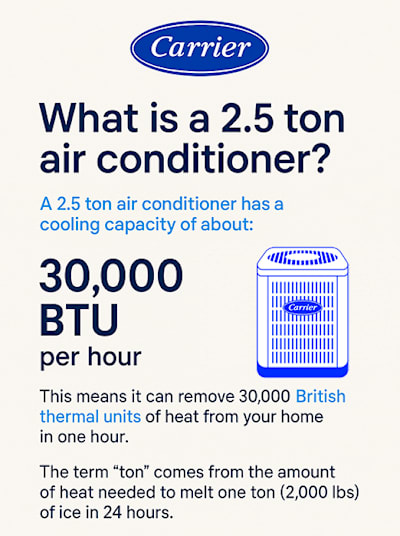
To determine the right size, you need to calculate the cooling capacity. This is usually measured in British Thermal Units (BTU).
Btu And Its Importance
BTU stands for British Thermal Unit. It measures energy and is used to describe the cooling power of air conditioners. Higher BTU means more cooling capacity.
| Room Size (sq ft) | BTU Needed |
| 100-150 | 5,000 |
| 150-250 | 6,000 |
| 250-300 | 7,000 |
| 300-350 | 8,000 |
Estimating Btu Requirements
To estimate BTU, consider the size of your room. You also need to account for factors like sunlight and number of occupants.
- Measure your room in square feet.
- Use the BTU chart to find your basic need.
- Adjust for room conditions such as sun exposure.
Using Online Calculators
Online calculators help simplify your BTU calculation. They consider all variables, including room size and additional heat sources.
Types Of Air Conditioners
Choosing the right size air conditioner depends on the type you pick. Each type cools spaces differently. Knowing the types helps you find the best fit for your needs.
This guide covers four main types: window units, split systems, portable ACs, and central air conditioning. Learn what makes each one unique.
Window Units
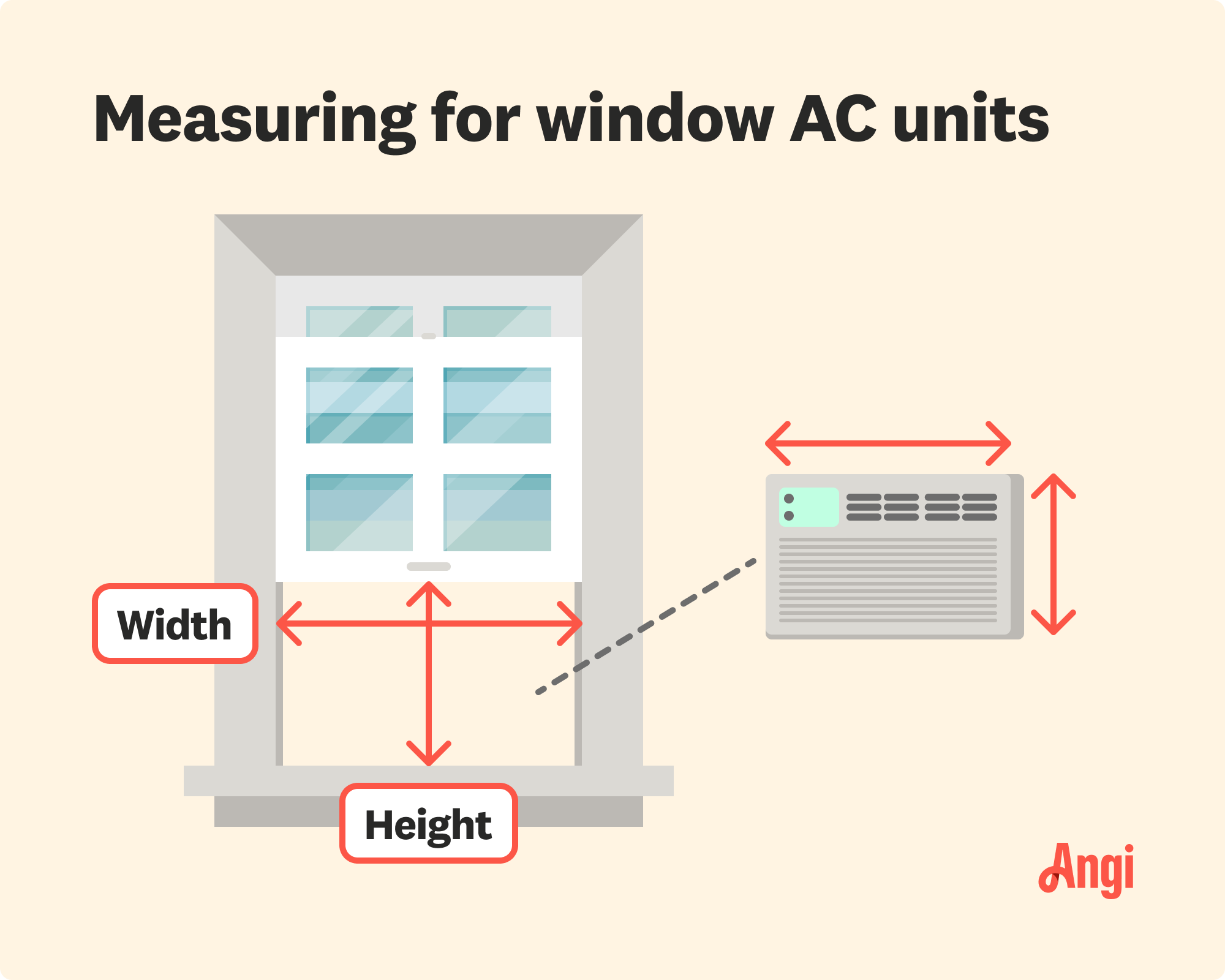
Window units fit into a window frame. They cool one room at a time. They are easy to install and affordable.
- Best for small rooms or single spaces
- Good for renters or temporary use
- Needs a window for installation
- Can be noisy compared to other types
Split Systems
Split systems have two parts: an indoor unit and an outdoor unit. They cool multiple rooms or larger spaces quietly and efficiently.
This type is popular for homes without window space or for better aesthetics.
Portable Acs
Portable air conditioners can be moved from room to room. They are easy to set up and do not need permanent installation.
| Feature | Portable ACs |
|---|---|
| Mobility | Can be moved easily |
| Installation | No permanent setup needed |
| Cooling Capacity | Usually smaller, good for single rooms |
| Noise Level | Can be louder than split systems |
Central Air Conditioning
Central air conditioning cools the whole building through ducts. It is the best choice for large homes or offices.
- Requires ductwork for air distribution
- Offers even cooling throughout the space
- Higher installation cost but efficient for big areas
- Works well with heating systems
Energy Efficiency Considerations
Choosing the right size air conditioner is not only about cooling power. Energy efficiency plays a big role in your comfort and costs. Understanding key factors helps you pick a unit that saves energy and money.
Pay attention to ratings and certifications. They show how well the air conditioner uses energy. Also, consider how energy use affects your monthly bills.
Seer Ratings
The Seasonal Energy Efficiency Ratio (SEER) measures how well an air conditioner cools using electricity. Higher SEER means better energy use and lower power bills.
- SEER ratings usually range from 13 to 21.
- A higher SEER rating costs more upfront but saves money over time.
- Check the SEER rating before buying your air conditioner.
Energy Star Certification
Energy Star is a label for products that meet strict energy efficiency rules. Air conditioners with this label use less energy than standard models.
Choosing an Energy Star certified air conditioner can reduce your energy use and help protect the environment.
Impact On Utility Bills
| Unit Size (BTU) | Average Monthly Cost | Energy Efficiency Impact |
|---|---|---|
| Small (5,000–8,000) | $30 – $50 | Uses less energy; good for small rooms |
| Medium (9,000–12,000) | $50 – $75 | Balanced for medium rooms; moderate energy use |
| Large (13,000–18,000) | $75 – $120 | Higher energy use; best for large spaces |
Common Sizing Mistakes
Choosing the right size air conditioner is key for comfort. Many people make errors that affect cooling efficiency.
This guide explains common sizing mistakes to avoid when picking an air conditioner.
Overestimating Capacity
Some people buy air conditioners that are too large for their space. This wastes energy and raises costs.
Too much cooling makes the room cold quickly but does not remove humidity well. The room feels damp.
- Higher upfront cost
- Short cycling reduces efficiency
- Less humidity control
Underestimating Cooling Needs
Buying an air conditioner that is too small leaves the room warm. The unit runs too long and wears out fast.
Small units cannot cool large rooms or spaces with many windows well. This causes discomfort.
- Longer running time
- Higher electricity bills
- Reduced unit lifespan
Ignoring Room Usage
Not thinking about how a room is used can cause poor air conditioner sizing. Different rooms have different cooling needs.
Rooms with many people or heat sources need more cooling. Rooms used less often may need less.
- Living rooms need more cooling than bedrooms
- Kitchens get hotter because of cooking
- South-facing rooms get more sun and heat
Professional Assessment Benefits
Choosing the right size air conditioner is key for comfort and savings. A professional assessment helps find the perfect fit for your space. Experts use tools and knowledge to guide you.
This guide covers how professionals calculate load, offer custom advice, and ensure proper installation for best results.
Load Calculation Techniques
Professionals measure how much cooling your home needs. They check room size, windows, insulation, and sun exposure. This process is called load calculation.
- Measure the area in square feet or meters
- Check number and size of windows
- Assess insulation quality in walls and attic
- Note direction and amount of sunlight
- Consider number of people and appliances
Customized Recommendations
After the load is known, experts suggest the best air conditioner size and type. They match the unit to your home’s needs and your budget.
| Home Size | Recommended BTU Range | Unit Type |
| Small (up to 600 sq ft) | 6,000 – 8,000 | Window or Portable |
| Medium (600 – 1,200 sq ft) | 9,000 – 14,000 | Split or Central |
| Large (1,200+ sq ft) | 15,000 – 25,000+ | Central or Multi-zone |
Ensuring Proper Installation
Correct installation is crucial. Professionals place the unit for best airflow and efficiency. They check electrical needs and seal ducts if needed.
- Install on a stable, level surface
- Keep outdoor unit clear of debris
- Use proper electrical connections
- Seal and insulate ductwork
- Test the system for leaks and performance
Credit: www.angi.com
Frequently Asked Questions
How Is Air Conditioner Size Measured?
Air conditioner size is measured in BTUs (British Thermal Units). It indicates the cooling capacity of the unit. Higher BTUs cool larger spaces effectively. Choosing the right BTU prevents energy waste and ensures comfort.
Why Is Proper Ac Sizing Important?
Proper AC sizing ensures efficient cooling and energy savings. An oversized unit cools too quickly, causing humidity issues. An undersized unit struggles to cool and runs longer. Correct sizing balances comfort, cost, and system longevity.
What Factors Affect Ac Size Requirements?
Room size, ceiling height, insulation, and sunlight exposure affect AC size. Number of occupants and heat-generating appliances also matter. These factors determine the cooling load for choosing the right air conditioner.
Can I Use An Online Ac Size Calculator?
Yes, online calculators estimate AC size based on room dimensions and conditions. They provide a quick sizing guideline but may not replace professional assessment. For best results, combine calculator data with expert advice.
Conclusion
Choosing the right air conditioner size matters a lot. Too big or too small wastes energy and money. Consider your room size and climate carefully. Check cooling power in BTUs for best fit. Proper size keeps your space cool and comfy.
Don’t guess—measure and calculate before buying. A good fit saves bills and lasts longer. Take time to find the perfect match. Your home will thank you with better comfort.