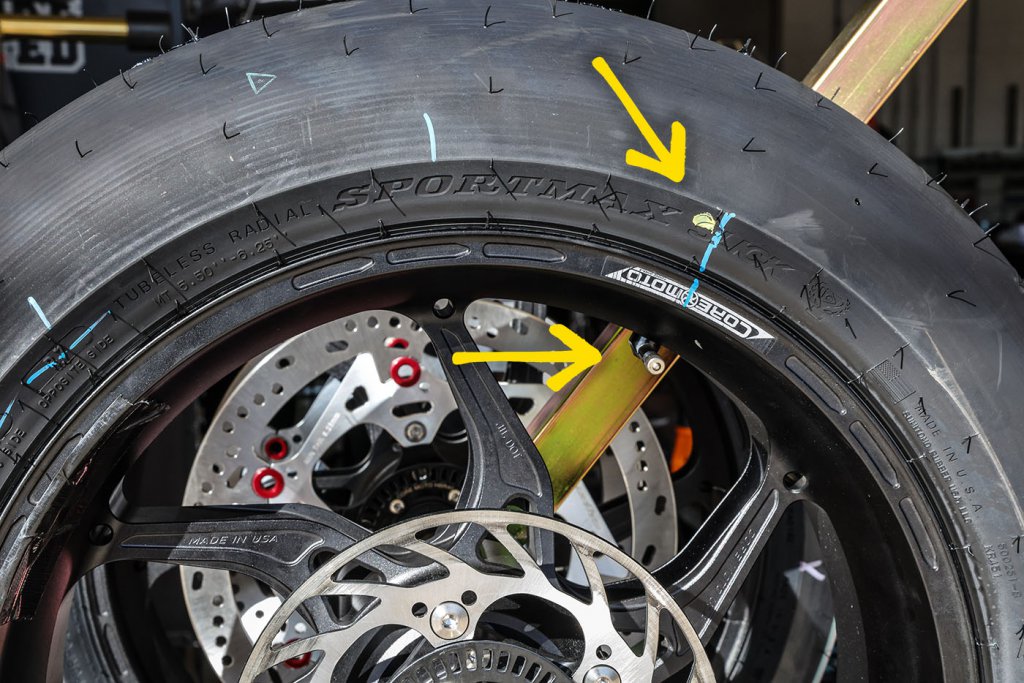
If you want a smoother ride and better control of your motorcycle, balancing your tires is key. Unbalanced tires can cause vibrations, uneven wear, and even affect your safety on the road.
But don’t worry—balancing your motorcycle tires is easier than you might think. You’ll learn simple steps to get your tires perfectly balanced, so you can enjoy every ride with confidence and comfort. Keep reading to discover how a small adjustment can make a big difference in your riding experience.

Credit: pane-de-oro.com
Signs Of Unbalanced Tires
Unbalanced motorcycle tires can cause safety and comfort problems. Recognizing the signs early helps prevent damage.
Check your tires regularly for unusual symptoms that indicate imbalance. This guide covers common signs to watch for.
Vibrations And Wobbling
One common sign of unbalanced tires is feeling vibrations or wobbling while riding. This usually happens at higher speeds.
- Handlebar shakes or vibrates
- Seat feels bouncy or unstable
- Front or rear wheel wobbles slightly
- Vibrations increase with speed
Uneven Tire Wear
Unbalanced tires wear unevenly. This reduces tire life and affects grip on the road.
| Wear Type | Cause | Effect |
| Flat spots | Imbalance causing tire to bounce | Rough ride and poor traction |
| One-sided wear | Unequal weight distribution | Need for early tire replacement |
| Patchy tread | Vibration and wobble | Reduced tire performance |
Handling Issues
Unbalanced tires affect how your motorcycle handles. You may notice changes in stability and control.
- Steering feels heavy or stiff
- Motorcycle pulls to one side
- Difficulty maintaining a straight line
- Braking feels uneven or shaky
Tools Needed For Balancing
Balancing motorcycle tires is important for a smooth ride. It also helps increase tire life. Here are the tools you’ll need to do it right.
Having the right tools makes the job easier and quicker. Let’s explore the essential tools for this task.
Balancing Stand
A balancing stand is used to hold the tire. It allows the tire to spin freely. This helps in identifying imbalances.
The stand must be sturdy and level. It ensures accurate readings. A wobbly stand can lead to errors.
- Check the stand is on a flat surface
- Ensure the wheel spins without obstruction
- Use a stand with adjustable arms for different sizes
Wheel Weights
Wheel weights are used to correct the balance. They come in different sizes. Choose the right size for your tire.
Stick-on weights are common and easy to use. Clip-on weights are another option. They are used on rims with lip edges.
- Use adhesive weights for alloy rims
- Use clip-on weights for steel rims
- Ensure weights are securely attached
Cleaning Supplies
Cleaning supplies are needed to prepare the tire. Clean tires ensure weights stick properly. Dirt can cause weights to fall off.
A simple rag and some cleaner are often enough. Make sure to clean the rim too. This ensures a smooth surface for the weights.
- Use a degreaser for stubborn grime
- Dry the surface completely before applying weights
- Check for any remaining dirt after cleaning
Step-by-step Balancing Process
Balancing motorcycle tires is essential for smooth rides and safety. It reduces vibrations and tire wear.
This guide shows you how to balance your motorcycle tire in four clear steps.
Removing The Wheel
First, place the motorcycle on a stable stand. Use tools to loosen and remove the axle nut. Take off the wheel carefully, making sure not to damage the brake disc or chain.
Cleaning The Rim And Tire
Clean the rim and tire thoroughly. Remove dirt, dust, and old weights. This helps the balancer give accurate readings.
- Use a brush to remove loose dirt
- Apply mild soap and water for cleaning
- Dry the wheel completely with a cloth
- Check the tire for any visible damage
Mounting On The Balancer
Place the wheel on the balancer shaft. Make sure it fits snugly and spins freely. Check that the balancer is on a flat surface to avoid false readings.
| Balancing Tool | Purpose |
|---|---|
| Static Balancer | Detects heavy spots by wheel stopping position |
| Dynamic Balancer | Measures imbalance while wheel spins |
Adding And Adjusting Weights
Spin the wheel slowly and watch where it stops. Add wheel weights opposite the heavy spot. Spin again and adjust weights until the wheel stays still in any position.
- Use adhesive or clip-on weights as needed
- Place weights evenly for dynamic balance
- Remove or shift weights if imbalance remains
- Test the wheel several times for accuracy
Types Of Motorcycle Tire Balancers
Balancing motorcycle tires is important for a smooth ride. It helps prevent vibrations and tire wear. Different types of balancers are used to balance tires effectively.
Two main types of motorcycle tire balancers are static balancers and dynamic balancers. Each works differently to find and fix tire imbalance.
Static Balancers
Static balancers check the tire balance without spinning it fast. They find heavy spots by letting the tire rest on a stand. The heavy part will settle at the bottom.
This type is simple and easy to use. It works well for small tires or quick checks. It shows where to add weights to balance the tire.
- Uses a low-speed or no-spin method
- Finds heavy spots by gravity
- Good for small or light motorcycle tires
- Simple and affordable
Dynamic Balancers
Dynamic balancers spin the tire at high speeds. They measure imbalance while the tire turns. This shows both static and dynamic imbalances.
This type gives a more accurate balance. It finds issues that static balancers might miss. Many professional shops use dynamic balancers for best results.
- Spins tire at high speed
- Detects static and dynamic imbalance
- More precise than static balancers
- Used in professional tire shops
Tips For Maintaining Balanced Tires
Balanced tires keep your motorcycle safe and smooth to ride. Proper care helps avoid uneven wear and vibrations.
Follow simple steps to keep your motorcycle tires balanced and in good shape.
Regular Inspections
Check your tires often for damage or wear. Look for cracks, punctures, or uneven spots. Inspect the wheel rims for dents or bends.
- Look for signs of tire wear or damage
- Check for loose or missing wheel weights
- Inspect rims for dents or cracks
- Listen for unusual vibrations while riding
Proper Tire Inflation
Keep your tires inflated to the correct pressure. Too low or too high pressure causes poor balance and uneven wear. Use a reliable pressure gauge to check regularly.
| Pressure Level | Effect on Tire Balance |
| Too Low | Tire flexes, causing wobble and wear |
| Correct | Maintains shape and balance |
| Too High | Less contact, uneven wear, less grip |
Avoiding Overloading
Do not carry more weight than your motorcycle allows. Overloading changes tire shape and balance. It increases tire wear and risks safety.
Here are tips to avoid overloading:
- Check the motorcycle’s load limit in the manual
- Distribute weight evenly on the bike
- Remove extra items not needed for the ride
- Use proper luggage racks and mounts
Credit: www.k-bikes.com
Common Mistakes To Avoid
Balancing motorcycle tires is key to a smooth ride and safety. Many riders make simple mistakes that cause problems later.
Knowing what to avoid helps keep your tires balanced and your bike stable on the road.
Ignoring Small Vibrations
Small vibrations may seem harmless but can signal unbalanced tires. Ignoring them leads to bigger issues.
- Do not delay checking vibrations after feeling them.
- Use proper balancing tools to find the cause.
- Fix small vibrations early to avoid tire wear.
Incorrect Weight Placement
Placing weights in the wrong spots can make balancing worse. Weight must go where the imbalance is.
| Common Weight Placement Errors | Effect |
| Weights too close to valve stem | Unstable balance, vibrations persist |
| Uneven weight distribution | Tire wear and wobbling |
| Using wrong weight size | Weights fall off or no balance |
Skipping Tire Maintenance
Skipping regular tire checks causes balance problems. Clean and inspect tires often.
Important tire maintenance tips:
- Check tire pressure monthly
- Clean tires before balancing
- Inspect for cuts or damage
- Replace worn tires promptly
Benefits Of Balanced Tires
Balancing motorcycle tires is very important. It helps your bike run better and safer.
Balanced tires make the ride smooth, last longer, and keep you safe on the road.
Smoother Ride
When tires are balanced, the bike moves evenly. This stops vibrations and shaking.
A smooth ride feels better and is easier to control. You can ride longer without feeling tired.
Extended Tire Life
Balanced tires wear out less quickly. Weight is spread evenly across the tire surface.
This helps tires keep their shape and grip for a longer time. You save money by changing tires less often.
Improved Safety
Balanced tires help the motorcycle stay steady at all speeds. This reduces the risk of accidents.
Good balance improves braking and handling. You can react faster to road dangers.

Credit: www.youtube.com
Frequently Asked Questions
How Do You Balance A Motorcycle Tire At Home?
Balancing a motorcycle tire at home involves using a wheel balancer. Mount the tire, spin it, and add weights to counterbalance heavy spots for smooth rides.
Why Is Balancing Motorcycle Tires Important?
Balancing motorcycle tires ensures even weight distribution. It prevents vibrations, enhances stability, and improves tire life for safer and more comfortable riding.
What Tools Are Needed To Balance Motorcycle Tires?
You need a wheel balancer, wheel weights, tire irons, and a valve core tool to properly balance motorcycle tires.
How Often Should Motorcycle Tires Be Balanced?
Motorcycle tires should be balanced during every tire replacement or if you experience vibrations while riding for optimal performance.
Conclusion
Balancing motorcycle tires keeps your ride smooth and safe. It stops vibrations that can cause discomfort or damage. Regularly check and balance your tires for better control. This simple step helps your tires last longer too. Remember, a balanced tire means a better riding experience.
Take time to maintain your bike well. Safe riding starts with good tire care.