Are you wondering if you really need to wear a helmet every time you hop on your bike? It’s a question many riders ask, especially when the weather is nice and the ride feels safe.
But what if that small choice could change everything in a split second? Understanding why a helmet matters might surprise you—and could keep you safer than you think. Keep reading to discover the truth about bike helmets and how they protect you in ways you might not expect.
Helmet Laws By Region
Wearing a helmet on a bike is important for safety. Different places have different rules about helmets. These laws help protect riders.
Knowing the helmet laws where you ride is key. Some countries require helmets for all riders. Others have no helmet rules at all.
Countries With Mandatory Helmet Laws
Many countries require all bike riders to wear helmets. These laws aim to reduce head injuries in accidents. Fines may apply if you do not wear one.
- Australia
- New Zealand
- United Kingdom
- Japan
- Chile
- South Africa
In these countries, helmets must meet safety standards. Wearing a helmet is often required for all ages.
Regions Without Helmet Requirements
Some regions do not have laws requiring helmets. Riders can choose whether to wear a helmet or not. This may affect safety in crashes.
- Most of the United States (except some states)
- Parts of Europe like the Netherlands and Denmark
- Some areas in Canada
Even if not required by law, wearing a helmet is still a smart choice. Many bike riders use helmets for protection.
Age-specific Helmet Rules
Some places require helmets only for certain ages. Usually, children and teens must wear helmets. Adults may not have a helmet law.
| Region | Helmet Rule |
|---|---|
| United States (varies by state) | Helmet required for under 18 years old |
| Canada (varies by province) | Helmet required for under 18 or 19 years old |
| United Kingdom | No law for adults; helmets recommended |
| Germany | No helmet law for any age |
Check local laws to know who must wear a helmet. Parents should ensure children follow these rules for safety.
Safety Benefits Of Wearing Helmets
Wearing a helmet while biking is very important for safety. Helmets protect your head in case of accidents.
Helmets can make a big difference in how safe you are on a bike. They are designed to reduce injury risks.
Protection Against Head Injuries
Helmets provide a strong shield for your head. They help absorb the impact if you fall or crash.
By wearing a helmet, you lower the chance of serious head injuries. This is crucial for all bike riders.
Impact On Accident Survival Rates
Helmets increase your chances of surviving an accident. They are proven to save lives in many cases.
Studies show that helmet use reduces fatal injury risk. This makes helmets essential for all cyclists.
Helmet Technology Advances
Modern helmets use advanced materials for better protection. They are lighter and more comfortable than before.
Innovations include better ventilation and fit systems. These features enhance safety and user experience.
Risks Of Riding Without A Helmet
Riding a bike without a helmet increases the chance of serious head injuries. Helmets protect your head in crashes and falls.
Understanding the risks helps you make safer choices every time you ride. This article explains common injuries, long-term effects, and safety data.
Common Head Injuries
Bikers without helmets often face these injuries:
- Concussions from sudden impacts
- Skull fractures that may need surgery
- Brain bruising that causes swelling
- Facial injuries from falls
- Severe cuts and lacerations on the scalp
Long-term Consequences
Head injuries can cause lasting problems:
- Memory loss and difficulty learning
- Chronic headaches and dizziness
- Changes in mood and behavior
- Permanent brain damage in severe cases
- Reduced ability to work or study
Statistics On Helmet Use And Injury
Research shows helmets lower injury risks. The table below compares injury rates between helmeted and non-helmeted riders.
| Rider Type | Head Injury Rate | Risk Reduction |
| Without Helmet | 35% | — |
| With Helmet | 12% | 66% lower |
Credit: billbonebikelaw.com
Choosing The Right Helmet
Wearing a helmet on a bike is important for safety. Picking the right helmet helps protect your head from injuries.
There are many types of helmets. You must also make sure the helmet fits well and meets safety standards.
Types Of Bike Helmets
Bike helmets come in different styles for different rides. Each type has its own features and levels of protection.
- Road Helmets: Light and well-ventilated for speed and comfort.
- Mountain Bike Helmets: Durable with extra coverage at the back of the head.
- Commuter Helmets: Designed for everyday use with visibility features.
- Full-face Helmets: Cover the entire head and face, used in downhill biking.
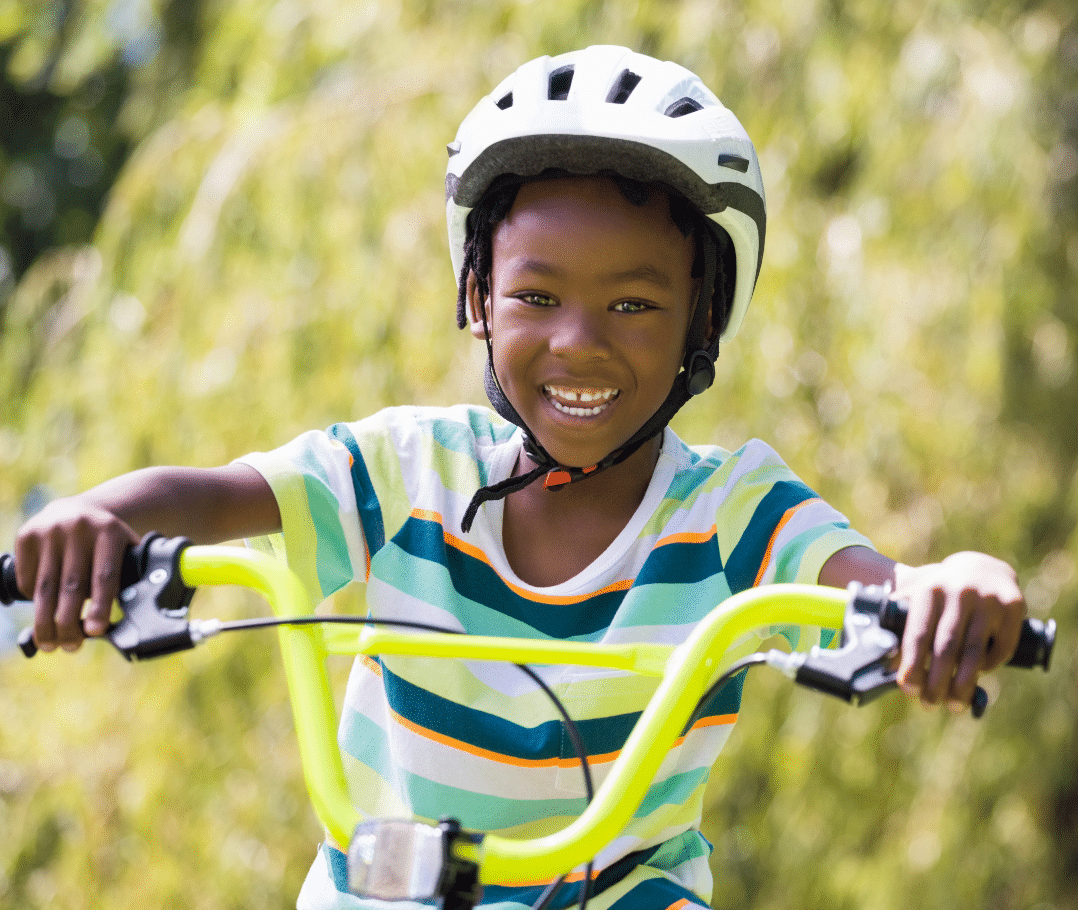
- Kids’ Helmets: Smaller sizes with bright colors and fun designs.
Proper Fit And Comfort
A helmet must fit snugly without causing pain. Comfort helps you wear it properly every time you ride.
| Fit Feature | Description |
| Size | Measure your head and choose the matching helmet size. |
| Straps | Adjust side and chin straps for a secure fit. |
| Padding | Look for soft pads that can be removed and washed. |
| Ventilation | Ensure air vents keep your head cool during rides. |
| Weight | Choose a lightweight helmet to avoid neck strain. |
Certification Standards To Look For
Helmets must pass safety tests. Look for certification labels to know your helmet is safe.
- CPSC: Required in the United States for bike helmets.
- ASTM: Covers additional safety tests for some helmets.
- Snell: A strict standard for high-impact protection.
- EN 1078: European safety standard for bike helmets.
Myths About Helmet Use
Many people have wrong ideas about wearing helmets on bikes. These myths can stop riders from using helmets.
This article explains common myths and gives facts about helmet use and safety.
Helmets And Reduced Visibility
Some say helmets block your view while riding. This is not true. Helmets are made to keep your vision wide and clear.
Modern helmets have open designs that do not cover your eyes or sides. You can see traffic and obstacles well.
Impact On Style And Comfort
People often think helmets look bad or feel uncomfortable. Many helmets are now stylish and fit well.
- Helmets come in many colors and shapes to match your style.
- They have padding and vents to keep you cool and comfy.
- Lightweight materials make helmets easy to wear for long rides.
Helmet Safety In Low-speed Rides
Some riders skip helmets for slow rides. This is risky. Even at low speeds, falls can cause head injuries.
| Speed | Risk of Head Injury |
| Under 10 mph | Moderate |
| 10 to 20 mph | High |
| Over 20 mph | Very High |

Credit: www.bike-sfl.at
Helmet Use And Cycling Culture
Wearing a helmet while riding a bike is a common safety practice. It helps protect riders from head injuries in crashes.
Many factors affect how helmets are used and accepted in cycling communities around the world.
Influence On Rider Behavior
Helmet use changes how people ride and feel on their bikes. Some riders feel safer and more confident when wearing a helmet.
- Wearing a helmet can encourage cautious riding.
- Some riders feel helmets limit their comfort or style.
- Peer influence affects whether people choose to wear helmets.
- Rules and laws impact helmet use in different areas.
Community And Advocacy Groups
Groups that support cycling often promote helmet use. They provide education and resources to riders of all ages.
| Group Name | Focus | Activities |
| Safe Riders Club | Helmet safety | Workshops, helmet giveaways |
| Bike for All | Inclusive cycling | Community rides, safety campaigns |
| Protect Your Head | Injury prevention | School programs, public talks |
Encouraging Helmet Adoption
Encouraging more people to wear helmets takes clear messages and easy access to helmets.
- Educate riders on helmet benefits and proper fit.
- Offer helmets at low or no cost in community centers.
- Create laws that require helmets for all or certain ages.
- Use role models and events to show helmet use as normal.
- Provide reminders and signage at popular bike spots.

Credit: www.safetyandhealthmagazine.com
Frequently Asked Questions
Do I Legally Have To Wear A Helmet On A Bike?
Helmet laws vary by location. Some areas require helmets for all riders, while others mandate them only for minors. Check your local laws to know if wearing a helmet is legally required when biking in your area.
How Does Wearing A Helmet Improve Bike Safety?
Helmets protect your head from serious injuries during accidents. They absorb impact forces and reduce the risk of traumatic brain injuries. Wearing a helmet significantly increases your chances of avoiding severe harm while cycling.
Are There Health Risks If I Don’t Wear A Bike Helmet?
Not wearing a helmet increases the risk of head injuries in crashes. Head trauma can lead to long-term disabilities or even death. Helmets are crucial for reducing injury severity and improving overall cycling safety.
Can Wearing A Helmet Affect My Cycling Performance?
Modern helmets are lightweight and aerodynamic, designed for comfort. They do not hinder your performance but enhance safety. Wearing a helmet allows you to focus on riding confidently without compromising speed or agility.
Conclusion
Wearing a helmet on a bike keeps your head safe. Accidents can happen anytime and anywhere. A helmet reduces the risk of serious injury. Many places have laws that require helmets. Choosing to wear one shows you care about safety.
It can save your life in a crash. Riding without a helmet is a risk you don’t need. Stay smart and protect yourself every time you ride. Safety should always come first on the road.