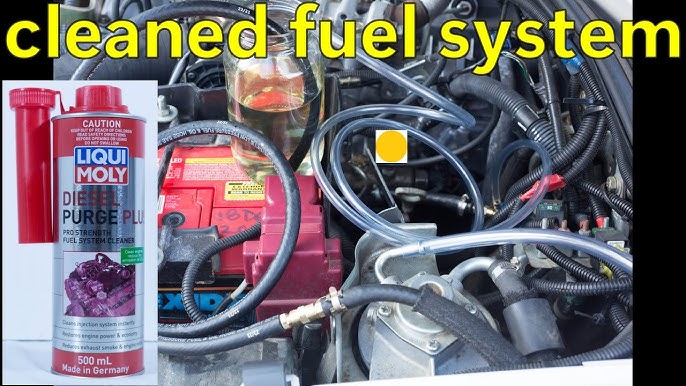
If your vehicle isn’t running as smoothly as it used to, the problem might be hidden deep inside your fuel system. Knowing how to clean the fuel system can save you money, boost your engine’s performance, and extend the life of your car.
You don’t need to be a mechanic or spend hours in the garage to get it done right. In this guide, you’ll discover simple, step-by-step tips to clean your fuel system effectively. Keep reading, and you’ll learn how a cleaner fuel system can make a noticeable difference every time you hit the road.
Signs Of A Dirty Fuel System
A dirty fuel system can cause many problems in your vehicle. It affects how the engine runs and wastes fuel. Knowing the signs helps you fix issues early.
Watch for changes in engine behavior, fuel use, and exhaust smoke. These signs point to a fuel system that needs cleaning.
Engine Performance Issues
A dirty fuel system can make the engine run rough or stall. You may notice hesitation or loss of power when you press the gas.
- Engine misfires during acceleration
- Hard starts or engine stalls
- Reduced engine power or sluggish response
- Rough idling or vibrations
Fuel Efficiency Drops
When the fuel system is dirty, the engine uses more fuel than usual. This causes you to fill up the tank more often.
| Cause | Effect on Fuel Efficiency |
|---|---|
| Clogged fuel injectors | Poor fuel spray reduces combustion |
| Dirty fuel filter | Limits fuel flow, causing engine to work harder |
| Contaminated fuel lines | Inconsistent fuel delivery wastes fuel |
Unusual Exhaust Smoke
Dirty fuel systems can cause the exhaust to change color. This signals incomplete fuel burning inside the engine.
- Black smoke:Too much fuel burns in the engine.
- White smoke:Coolant leaks into the combustion chamber.
- Blue smoke:Oil burns along with fuel.

Credit: www.youtube.com
Tools And Materials Needed
Cleaning your fuel system is important for your car’s health. You need the right tools and materials to do it properly.
This guide will help you understand what you need to clean the fuel system effectively.
Fuel System Cleaner Types
Fuel system cleaners help remove dirt and deposits. They keep the engine running smoothly.
- Injector Cleaners: Used for cleaning fuel injectors.
- Complete Fuel System Cleaners: These clean the entire system.
- Octane Boosters: Improve fuel combustion.
Basic Maintenance Tools
You need some basic tools to clean the fuel system. These tools help you work safely and efficiently.
- Wrenches: For loosening and tightening parts.
- Screwdrivers: Useful for removing small screws.
- Funnel: Helps pour cleaner into the tank without spilling.
Safety Gear
Safety gear is important when working on your car. It protects you from harmful substances.
- Gloves: Protect your hands from chemicals.
- Safety Glasses: Keep your eyes safe from splashes.
- Mask: Prevents inhalation of fumes.
Preparing Your Vehicle
Cleaning the fuel system helps your engine run better. Before you start, prepare your vehicle well. Proper preparation keeps you safe and makes the job easier.
Follow simple steps to get your vehicle ready. This guide explains what you need to do first.
Park And Cool Down
Park your vehicle on a flat surface in a safe place. Turn off the engine and let it cool down completely. A hot engine can cause burns or accidents.
Wait at least 30 minutes before working on the fuel system. This time lets the fuel and engine parts cool to a safe temperature.
Gather Necessary Supplies
Collect all the tools and materials you need before starting. This saves time and helps you avoid mistakes.
- Fuel system cleaner or additive
- Safety gloves and goggles
- Clean rags or cloths
- Basic hand tools (wrenches, screwdrivers)
- Container for fuel or spills
Make sure you have enough light to see the parts clearly. Keep a fire extinguisher nearby for safety.
Read Manufacturer Instructions
Check your vehicle’s manual for specific instructions. Each model may have different steps or warnings.
Read the fuel cleaner label carefully. Follow all safety guidelines and usage directions exactly as stated.

Credit: www.youtube.com
Cleaning Fuel Injectors
Fuel injectors deliver fuel into your engine. Over time, they get dirty. This dirt can reduce engine performance.
Cleaning fuel injectors helps your car run smoothly and saves fuel. There are simple and professional ways to clean them.
Using Fuel Injector Cleaner Additives
Fuel injector cleaner additives are liquids added to your gas tank. They help remove deposits inside the injectors. Using these cleaners is easy and cheap.
- Choose a cleaner that fits your vehicle type.
- Pour the recommended amount into the fuel tank before filling up.
- Drive normally to let the cleaner work inside the system.
- Use additives regularly for best results.
Professional Cleaning Options
Professional cleaning removes tough dirt from fuel injectors. Mechanics use special tools and solutions. This process is more thorough than additives.
| Method | Description | Cost Range | Time Needed |
| Ultrasonic Cleaning | Injectors are removed and cleaned with sound waves. | $$$ | 1-2 hours |
| On-Car Cleaning | Cleaning fluid is run through injectors without removal. | $$ | 30-60 minutes |
| Injector Replacement | Old injectors are replaced with new ones. | $$$$ | 2-3 hours |
Clearing The Fuel Lines And Filters
Cleaning the fuel system is important to keep your engine running well. Dirt and debris can block fuel lines and filters. This guide will help you clear these parts safely.
We will look at two main tasks: replacing fuel filters and flushing fuel lines. Each step helps remove buildup that slows fuel flow.
Replacing Fuel Filters
Fuel filters catch dirt and rust before fuel reaches the engine. Over time, filters get clogged and need replacing. A clean filter improves fuel flow and engine performance.
- Turn off the engine and allow it to cool.
- Locate the fuel filter by following the fuel line from the tank to the engine.
- Place a container under the filter to catch any fuel spills.
- Release the clamps or bolts holding the filter in place.
- Remove the old filter carefully.
- Install the new filter, making sure it faces the correct direction.
- Tighten clamps or bolts securely.
- Check for leaks before starting the engine.
Flushing Fuel Lines
Flushing fuel lines removes old fuel and dirt inside the pipes. This helps prevent clogs and keeps fuel flowing freely.
| Tool or Material | Purpose | Notes |
| Fuel line cleaner | Breaks down deposits | Use a cleaner suitable for your engine type |
| Fresh fuel | Flushes out old fuel and debris | Use clean, fresh gasoline or diesel |
| Container | Collects old fuel | Must be safe and leak-proof |
| Protective gloves | Keeps hands safe | Wear to avoid skin contact |
To flush the lines, disconnect the fuel line at the filter or fuel pump. Attach a container to catch old fuel. Pour fuel line cleaner through the line, then run fresh fuel to rinse. Reconnect the line and check for leaks.

Credit: www.liqui-moly.com
Cleaning The Carburetor
Cleaning the carburetor keeps your engine running smoothly. Dirt and debris can block fuel flow and cause poor performance.
This guide shows how to remove, clean, and test the carburetor for better fuel flow.
Removing And Disassembling
First, disconnect the fuel line and remove the carburetor from the engine. Be careful not to damage any parts.
- Turn off the fuel valve to stop fuel flow.
- Remove the air filter to access the carburetor.
- Disconnect the throttle and choke linkages.
- Unscrew mounting bolts and take off the carburetor.
- Carefully separate the float bowl and other parts.
Soaking And Scrubbing
Soak the carburetor parts in a cleaning solution to remove grime. Scrub gently to avoid damage.
Use this table to select a cleaner and scrubbing tool:
| Cleaning Solution | Scrubbing Tool |
|---|---|
| Carburetor cleaner spray | Soft brush |
| Soapy water | Toothbrush |
| Vinegar solution | Cotton swab |
Make sure to clean small jets and passages with a thin wire or needle.
Reassembling And Testing
After cleaning, put the carburetor parts back together carefully. Check all gaskets and seals before tightening screws.
- Reattach the float bowl and tighten bolts evenly.
- Reconnect throttle and choke linkages.
- Mount the carburetor back on the engine.
- Connect the fuel line and air filter.
- Start the engine and check for leaks or rough idling.
Tips For Maintaining A Clean Fuel System
A clean fuel system helps your engine run smoothly and saves fuel. Dirt and deposits can block parts and cause poor performance.
Regular care keeps your fuel system free from clogs and damage. Follow these tips to maintain it well.
Regular Use Of Fuel Additives
Fuel additives clean deposits inside the fuel system. They prevent buildup on injectors and valves. Use additives as a part of regular maintenance.
- Choose additives suitable for your vehicle type.
- Use additives every few thousand miles.
- Follow the product instructions carefully.
- Do not mix different additives at the same time.
Timely Replacement Of Filters
Fuel filters catch dirt and rust before they reach the engine. Replace filters on time to avoid clogs and damage.
| Filter Type | Replacement Interval |
| Fuel Filter | Every 20,000 to 30,000 miles |
| Air Filter | Every 15,000 to 30,000 miles |
| Oil Filter | At every oil change |
Using Quality Fuel
Quality fuel reduces deposits and protects engine parts. Avoid low-grade fuel that may contain impurities.
Tips for choosing quality fuel:
- Buy fuel from trusted stations.
- Look for fuels with detergents added.
- Avoid old or contaminated fuel.
- Check fuel octane rating for your vehicle.
When To Seek Professional Help
Cleaning the fuel system is important to keep your engine running well. Some problems need expert care. Knowing when to ask for help saves time and money.
Some fuel system issues are hard to fix without tools and experience. A mechanic can find and solve tough problems quickly and safely.
Persistent Engine Problems
If your engine keeps having problems after cleaning the fuel system, get professional help. Persistent issues may mean deeper problems.
Signs include rough idling, stalling, poor acceleration, or trouble starting. These symptoms can mean clogged injectors or fuel pump issues.
- Engine misfires or hesitation
- Frequent stalling or shutdowns
- Hard starting or no start at all
- Drop in fuel efficiency
Complex Fuel System Repairs
Some fuel system parts need special tools to repair. Complex repairs require a trained mechanic to avoid damage or safety risks.
Examples include fuel pump replacement, fuel injector cleaning, and fuel line repairs. These tasks need skill and the right equipment.
- Fuel pump failure or replacement
- Clogged or damaged fuel injectors
- Leaking or cracked fuel lines
- Fuel pressure regulator issues
Frequently Asked Questions
What Are The Signs Of A Dirty Fuel System?
A dirty fuel system causes poor engine performance, reduced fuel efficiency, and rough idling. You may also notice engine misfires, hesitation during acceleration, and increased emissions. Identifying these signs early helps maintain your vehicle’s health and avoid costly repairs.
How Often Should I Clean My Fuel System?
It’s recommended to clean the fuel system every 30,000 miles or as stated in your vehicle’s manual. Regular cleaning prevents clogging and improves engine performance. However, frequent short trips or poor fuel quality may require more frequent cleaning.
Can I Clean The Fuel System Myself?
Yes, you can clean the fuel system yourself using fuel system cleaners available in auto stores. Follow the instructions carefully and use products compatible with your vehicle. For severe issues, professional cleaning is advised to avoid damage.
What Tools Are Needed To Clean The Fuel System?
Basic tools include a fuel system cleaner, protective gloves, and safety glasses. For advanced cleaning, a fuel pressure gauge and specialized cleaning kits may be required. Always ensure safety and proper handling during the process.
Conclusion
Cleaning the fuel system keeps your engine running smoothly. It helps improve fuel efficiency and reduces emissions. Regular care prevents costly repairs and extends engine life. Simple steps make this task easy and effective. Stay consistent to enjoy better vehicle performance.
Clean fuel systems mean fewer problems on the road. Remember, small efforts bring big benefits in the long run. Keep your engine healthy by cleaning its fuel system often.