Have you ever felt your car start to shake while driving and wondered what’s causing it? One common culprit you might not think about is your tires.
Yes, bad tires can actually make your car shake, and ignoring this can lead to bigger problems down the road. If you want to keep your ride smooth and safe, it’s important to understand how worn or damaged tires affect your driving experience.
Keep reading to find out why your car shakes and what you can do to fix it before it gets worse.
How Tires Affect Car Stability
Tires are a key part of your car’s stability. They touch the road and help control the vehicle.
Bad tires can cause shaking and make driving unsafe. Understanding tire issues helps keep your car steady.
Tire Tread And Grip
The tire tread grips the road surface. Good tread helps your car stay balanced, especially on wet or slippery roads.
- Deep tread channels water away from the tire.
- Worn tread lowers grip and can cause slipping.
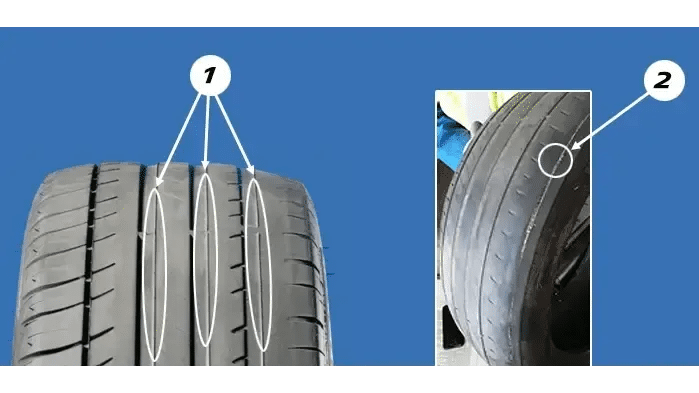
- Uneven tread wear leads to poor handling and shaking.
Impact Of Tire Wear
Tires wear down over time and lose their shape. This affects how smoothly your car drives.
| Wear Type | Cause | Effect on Stability |
| Center Wear | Overinflation | Less contact with road, poor grip |
| Edge Wear | Underinflation | Uneven road contact, car pulls to one side |
| Patchy Wear | Imbalance or alignment issues | Car vibrations and shaking |
Balancing And Alignment
Tire balancing and wheel alignment keep the car stable and smooth. If these are off, the car may shake or pull.
Signs of poor balancing and alignment:
- Steering wheel vibrates at certain speeds
- Car pulls to one side while driving
- Uneven tire wear
- Noise coming from tires
Common Tire Issues Causing Shaking
Shaking in a car can be unsettling for any driver. Often, the cause lies in tire problems. Understanding these issues helps ensure a smoother ride.
Let’s explore common tire issues that can make your car shake. Identifying these problems early can save you from bigger repairs down the road.
Uneven Tire Wear
Uneven tire wear happens when tires do not wear out evenly across the surface. This can lead to vibrations while driving.
Causes include misaligned wheels or improper tire inflation. Regular checks can prevent this issue.
Tire Bulges And Blisters
Tire bulges and blisters are bumps on the tire surface. These occur due to impact with potholes or curbs.
Bulges can cause the tire to shake and may lead to tire failure. Inspect tires regularly for any visible bumps.
Flat Spots On Tires
Flat spots develop when a car is parked for long periods. The tires lose their round shape.
Driving with flat spots can cause noticeable shaking. Moving the car regularly helps avoid this problem.
- Check tire pressure monthly
- Rotate tires every 5,000 miles
- Inspect tires for visible damage
Symptoms Of Tire-related Shaking
Bad tires can cause your car to shake in different ways. These shakes happen because the tires are not working properly.
Knowing the signs of tire problems helps you fix your car early. It keeps your driving safe and smooth.
Shaking At High Speeds
Your car may shake a lot when you drive fast. This happens if the tires are uneven or worn out.
High-speed shaking feels like a strong vibration through the car. It can make driving hard and unsafe.
- Uneven tire wear
- Unbalanced tires
- Damaged tire tread
Vibrations When Braking
If your car shakes when you brake, bad tires could be the cause. Worn or damaged tires lose grip and cause vibrations.
These vibrations may feel in the whole car or only in the front. They can make stopping less smooth.
- Flat spots on tires
- Uneven wear
- Low tire pressure
Steering Wheel Feedback
Your steering wheel can shake if your tires have problems. This often happens when tires are out of balance or damaged.
The shaking may grow stronger as you speed up. It can make steering feel rough or loose.
- Wheel imbalance
- Tire damage or wear
- Improper tire inflation

Credit: www.jiffylube.com
Diagnosing Tire Problems
Bad tires can cause your car to shake while driving. It is important to find out if the tires are the problem.
Checking tires regularly helps keep your car safe and smooth on the road. There are simple ways to spot tire issues.
Visual Inspection Tips
Look closely at your tires for signs of damage. Cracks, bulges, or uneven wear can make your car shake.
Check the tread depth to see if the tires are worn out. Tires with low tread need replacement to avoid shaking.
- Look for cracks or cuts on the tire surface
- Check for bulges or bubbles on the sidewalls
- Measure tread depth with a gauge or coin
- Look for uneven wear patterns on the tires
Using Tire Pressure Sensors
Tire pressure sensors help monitor the air inside your tires. Low or high pressure can cause shaking.
Check your car’s tire pressure sensor readings often. Proper pressure keeps tires balanced and smooth.
- Use the car’s dashboard sensor display
- Check tire pressure with a manual gauge
- Inflate tires to the recommended pressure
- Monitor pressure regularly for changes
Professional Tire Balancing
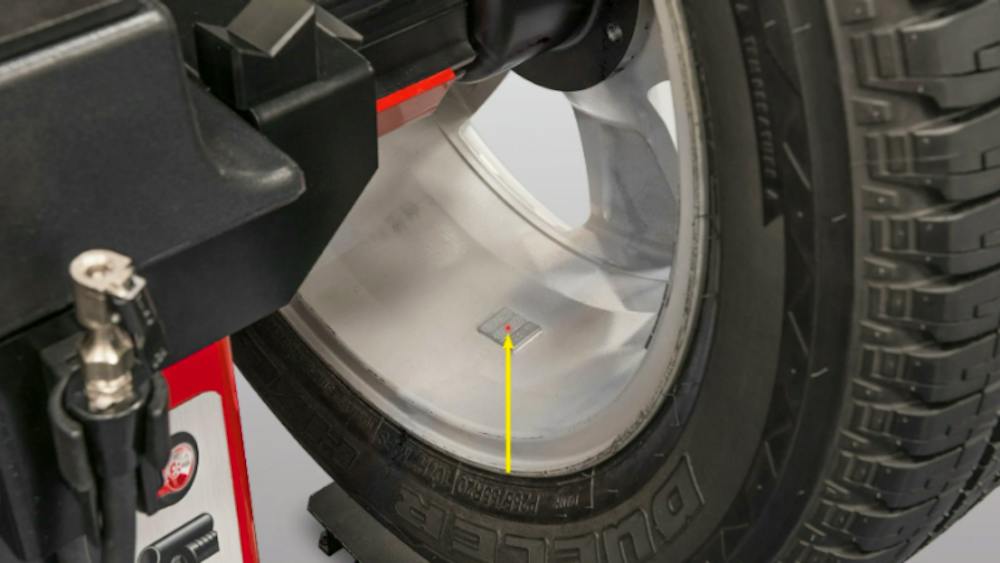
Tire balancing fixes weight problems in tires. Unbalanced tires can make the car shake at certain speeds.
Visit a tire shop for balancing if you feel shaking. Professionals use machines to fix tire balance quickly.
- Balancing adds small weights to tires
- It corrects uneven tire weight distribution
- Improves ride comfort and tire life
- Recommended after new tire installation
Fixing And Preventing Tire Shake
Tire shake can make driving uncomfortable and unsafe. It often happens when tires are worn or damaged.
Fixing tire shake helps your car run smoothly. Preventing it keeps your tires and car in good shape.
Proper Tire Maintenance
Check your tires regularly for wear and damage. Keep the tires clean and free from debris.
Maintain the right tire pressure to avoid uneven wear. Rotate your tires every 5,000 to 8,000 miles.
- Inspect tire tread depth often
- Keep tires inflated to recommended pressure
- Rotate tires to balance wear
- Clean tires to remove stones and dirt
Replacing Damaged Tires
Replace tires if they have deep cuts, bulges, or worn tread. Damaged tires cause imbalance and shaking.
Use new tires that match your car’s size and type. Check tire age and replace old tires even if they look fine.
- Look for cracks or bubbles on tires
- Replace tires with less than 2/32 inch tread depth
- Choose tires with proper load and speed rating
- Replace tires older than six years
Regular Wheel Alignment
Wheel alignment keeps your tires pointing straight. Misaligned wheels cause uneven tire wear and shaking.
Get your alignment checked after hitting a curb or pothole. Regular alignment improves tire life and ride quality.
- Have alignment checked every 12,000 miles
- Check alignment after suspension repairs
- Watch for steering pulling to one side
- Fix alignment to reduce tire shake
Credit: www.michelin.ca
When Tires Aren’t The Culprit
Car shaking can feel scary and confusing. Many drivers think bad tires cause all shaking problems. Tires are often the cause, but not always.
Other parts of your car can also make it shake. Checking these parts helps find the real problem.
Suspension And Steering Issues
Your car’s suspension and steering parts keep it smooth and stable. If these parts wear out or break, your car may shake.
Loose or damaged steering components cause vibrations. Worn suspension parts make the ride feel rough and shaky.
- Bad tie rods
- Worn ball joints
- Broken shocks or struts
- Loose steering rack
Brake System Problems
Brake issues can cause your car to shake, especially when you stop. Warped brake rotors or sticking brake parts create vibrations.
Shaking during braking often means the brake system needs repair or replacement.
- Warped brake rotors
- Stuck brake calipers
- Uneven brake pad wear
Engine And Transmission Causes
Engine and transmission problems sometimes cause shaking. Engine misfires or bad mounts can make the car vibrate.
Transmission issues like worn gears or fluid problems also cause shaking at different speeds.
- Engine misfires
- Broken engine mounts
- Worn transmission parts
- Low or dirty transmission fluid
Credit: www.cartalk.com
Frequently Asked Questions
Can Worn Tires Cause Car Shaking?
Yes, worn tires can cause car shaking. Uneven tread wear leads to imbalance, causing vibrations during driving. Replacing bad tires improves stability and smoothness.
How Do Tire Defects Affect Car Vibration?
Tire defects like bulges or flat spots disrupt wheel rotation. This imbalance causes noticeable shaking, especially at higher speeds. Timely tire inspection prevents this issue.
Can Bad Tires Cause Steering Wheel Vibration?
Bad tires often cause steering wheel vibration. Uneven tire wear or damage creates uneven contact with the road, leading to shaking felt in the steering wheel.
When Should I Replace Tires To Avoid Shaking?
Replace tires when tread depth is below 2/32 inch or visible damage appears. Timely replacement prevents shaking and ensures safe, smooth driving.
Conclusion
Bad tires often cause car shaking and affect driving safety. Worn or damaged tires lose balance and grip on the road. This can lead to vibrations felt in the steering wheel or seat. Checking tire condition regularly helps prevent shaking and improves control.
Replacing bad tires with good ones makes rides smoother and safer. Don’t ignore tire problems—they can cause bigger car issues later. Keep your tires in good shape for a comfortable drive. Safe tires mean a safe journey.