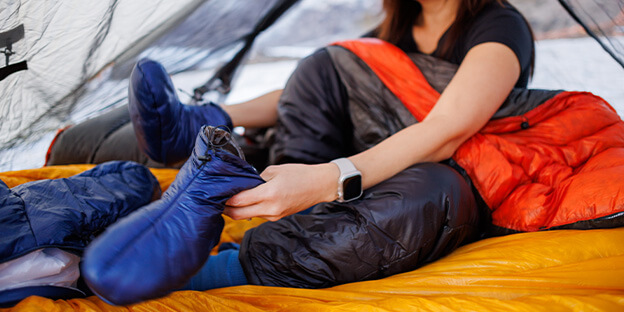
Imagine crawling into your sleeping bag after a long day outside, only to find yourself shivering through the night. It’s frustrating, uncomfortable, and can ruin your entire trip.
But what if you could stay warm and cozy, no matter how cold it gets? You’re about to discover simple, effective tips that will keep the chill away and help you enjoy a restful night’s sleep. Ready to learn how to stay warm in your sleeping bag and wake up refreshed?
Keep reading—your next great night under the stars starts here.

Credit: hilltoppacks.com
Choosing The Right Sleeping Bag
Picking a good sleeping bag helps you stay warm on cold nights. The right bag keeps your body heat inside and the cold air out. You should think about the temperature rating, shape, size, and insulation.
Understanding these factors helps you choose a sleeping bag that fits your needs. This guide will explain what to look for in each area.
Select Appropriate Temperature Rating
Temperature ratings show how cold the weather can be while you stay warm. Always pick a bag rated for colder than the lowest temperature you expect. This gives extra safety and comfort.
- Summer bags: for temperatures above 35°F (2°C)
- Three-season bags: for temperatures between 20°F and 35°F (-6°C to 2°C)
- Winter bags: for temperatures below 20°F (-6°C)
Consider Sleeping Bag Shape And Size
Sleeping bags come in different shapes and sizes. The shape affects warmth and comfort. The size matters for fitting your body well without extra space to lose heat.
| Shape | Description | Best For |
| Mummy | Tapered to fit closely | Warmth and weight saving |
| Rectangular | More roomy and flat | Comfort and movement |
| Semi-rectangular | Mix of mummy and rectangular | Balance of comfort and warmth |
Pick Suitable Insulation Material
Insulation keeps your body heat trapped. There are two main types: down and synthetic. Each has good and bad points for warmth and care.
- Down insulation:Very warm and lightweight but loses warmth if wet.
- Synthetic insulation:Less warm per weight but dries quickly and stays warm when wet.
Layering For Extra Warmth
Staying warm in a sleeping bag is easier with good layering. You can add layers to keep your body heat close.
Each layer plays a role in trapping heat and blocking cold air. Learn how to use layers well for a cozy night.
Wear Thermal Base Layers
Start with thermal base layers. These clothes fit close to your skin and keep you dry. Dry skin stays warm longer.
- Choose materials like wool or synthetic fabrics.
- Avoid cotton because it traps moisture.
- Wear long-sleeve tops and long pants.
- Make sure the fit is snug but not tight.
Use Insulating Clothing
Wear insulating clothing over your base layer. This traps warm air close to your body. Puffy jackets and fleece work well.
| Clothing Type | Material | Purpose |
| Jacket | Down or Synthetic Fill | Retain body heat |
| Fleece Pants | Polyester | Extra warmth for legs |
| Hat | Wool or Fleece | Keep head warm |
| Gloves | Insulated | Protect hands from cold |
Add A Sleeping Bag Liner
A sleeping bag liner adds warmth and keeps your bag clean. Liners come in many materials and thicknesses.
Common sleeping bag liner types:
- Silk: Lightweight and comfortable
- Fleece: Adds significant warmth
- Cotton: Good for warm weather
Prepare Your Sleeping Area
Staying warm in a sleeping bag starts with setting up your sleeping area. Proper preparation helps keep cold air away and traps your body heat.
Focus on three main things: insulating from the ground, choosing a good campsite, and blocking wind and moisture.
Use An Insulated Sleeping Pad
Sleeping pads stop cold from the ground reaching your body. An insulated pad adds extra warmth by trapping heat.
- Choose a pad with an R-value of 3 or higher for cold weather.
- Inflatable pads often provide better insulation than foam ones.
- Place the pad flat and make sure it covers the entire sleeping area.
Choose A Sheltered Campsite
Pick a camping spot that protects you from cold winds and rain. Look for natural barriers like trees or rocks.
- Avoid low spots where cold air collects.
- Find flat ground to keep your sleeping bag stable.
- Stay away from water edges to reduce moisture risks.
Block Wind And Moisture
Wind and moisture make it harder to stay warm. Use barriers and waterproof covers to keep your sleeping area dry and still.
| Method | Benefit |
| Set up a tarp or tent | Blocks wind and rain |
| Use windbreaks like logs or rocks | Stops cold air movement |
| Keep gear dry and off the ground | Prevents moisture buildup |
Optimize Sleeping Bag Use
Staying warm in a sleeping bag is important for a good night’s sleep outdoors. You can use your sleeping bag better by following simple tips.
These tips help keep your body heat inside and stop cold air from getting in.
Keep Your Sleeping Bag Dry
Wet sleeping bags lose their warmth quickly. Always keep your sleeping bag dry to stay warm.
Use a waterproof bag or cover, and avoid placing your sleeping bag on wet ground.
- Store your sleeping bag in a dry stuff sack
- Use a groundsheet or sleeping pad to block moisture
- Air out your sleeping bag during the day if it gets damp
Zip Up Completely
Make sure to zip your sleeping bag all the way up. This stops cold air from entering.
If your sleeping bag has two zippers, close both to seal in heat better.
- Check the zipper before sleeping
- Close any vents or openings
- Keep the zipper guard flat to avoid cold spots
Use A Hood And Drawstrings
Most sleeping bags have a hood with drawstrings. Use them to keep your head warm.
Tighten the drawstrings to block cold air around your neck and face.
- Pull the hood snugly over your head
- Use the drawstrings to close gaps
- Cover your face partly if very cold
Warm-up Techniques Before Bed
Staying warm in a sleeping bag starts before you get inside it. Warming your body helps you sleep better and feel cozy all night.
Try simple ways to raise your body heat before bed. These techniques make your sleeping bag more effective at keeping you warm.
Do Light Exercise
Light exercise increases blood flow and warms your body quickly. It also helps your muscles relax before sleep.
- Do jumping jacks for one minute
- Try gentle stretching or yoga poses
- Walk briskly around your campsite
- Do a few bodyweight squats or lunges
- Move your arms and legs to get blood moving
Use Hot Water Bottles
Hot water bottles provide steady warmth inside your sleeping bag. Use them safely to avoid burns and keep heat longer.
| Tip | Details |
| Fill with hot water | Use water that is warm but not boiling |
| Wrap the bottle | Cover with a cloth to protect your skin |
| Place inside bag | Put near your feet or core body area |
| Check for leaks | Inspect bottle before use to avoid spills |
| Empty before sleeping | Remove water if you want to avoid wetness overnight |
Consume Warm Drinks
Drinking warm liquids raises your internal temperature. This helps you feel cozy and prepares your body for rest.
Good warm drinks to try before bed:
- Herbal tea like chamomile or peppermint
- Warm milk with a little honey
- Hot water with lemon slices
- Decaffeinated broth or soup
Maintain Body Heat Overnight
Staying warm in a sleeping bag is important for a good night’s sleep. Keeping your body heat maintained can make your camping experience more enjoyable.
Here are some tips to help you stay warm and cozy throughout the night.
Stay Hydrated
Drinking water helps your body regulate temperature. It is important to stay hydrated even in cold weather.
- Drink warm liquids before bed
- Avoid caffeine and alcohol
- Keep a water bottle nearby
Avoid Tight Clothing
Tight clothing can restrict blood flow and make you colder. Wear loose and comfortable layers to trap heat efficiently.
Consider wearing thermal layers under a loose-fitting outer layer.
Keep Feet Warm
Cold feet can make your whole body feel chilly. Keeping your feet warm is key to staying comfortable in a sleeping bag.
| Method | Benefit |
| Wear wool socks | Insulates and wicks moisture |
| Use foot warmers | Provides additional heat |
| Wrap feet in a scarf | Extra layer of warmth |
Additional Tips For Extreme Cold
Staying warm in a sleeping bag is very important during extreme cold. The right techniques can help you keep heat inside.
Here are some extra tips to help you stay warm and comfortable in freezing weather.
Use Multiple Layers Of Sleeping Bags
Using more than one sleeping bag can add extra warmth. Place a smaller bag inside a larger one to trap heat better.
This layering method creates more insulation and reduces cold air from getting in.
- Start with a thin, warm sleeping bag inside
- Wrap it with a larger sleeping bag outside
- Close zippers tightly to keep heat inside
Employ Heat Packs
Heat packs give extra warmth inside your sleeping bag. Activate them before going to bed and place them near your feet or hands.
They provide steady heat and can last several hours to keep you warm all night.
- Use chemical heat packs for easy warmth
- Place heat packs in socks or gloves for safety
- Do not place heat packs directly on skin
Consider A Tent Heater
A small tent heater can warm the air inside your tent. It makes the environment much more comfortable in extreme cold.
Always use tent heaters safely and follow instructions to avoid fire or carbon monoxide risks.
- Choose heaters made for camping and tents
- Keep heaters away from sleeping bags and fabric
- Ensure proper ventilation in your tent

Credit: alpkit.com

Credit: www.peaxequipment.com
Frequently Asked Questions
How Can I Choose The Warmest Sleeping Bag?
Choose a sleeping bag rated for temperatures below your trip’s lowest forecast. Look for quality insulation like down or synthetic fill. A snug fit and draft collars also help retain heat efficiently.
What Clothing Is Best To Wear Inside A Sleeping Bag?
Wear moisture-wicking base layers to keep sweat away. Avoid cotton, as it traps moisture and cools you down. Thermal underwear or fleece layers provide extra warmth without bulk.
How Do I Keep My Sleeping Bag Dry And Warm?
Use a sleeping bag liner for added insulation and moisture protection. Avoid sweating inside the bag by regulating your clothing. Store your bag in a dry place and always keep it zipped up when not in use.
Can I Use Hot Water Bottles To Stay Warm?
Yes, placing a hot water bottle inside your sleeping bag warms the air around you. Use a secure, leak-proof bottle and wrap it in a cloth to prevent burns. It’s an effective and simple way to boost warmth.
Conclusion
Staying warm in a sleeping bag takes smart choices and simple steps. Choose the right bag for the weather and add extra layers if needed. Keep your body dry and avoid tight clothes inside the bag. Use a good sleeping pad to block cold from the ground.
Small tips, like wearing a hat or using a hot water bottle, help a lot. Warm nights make camping more fun and safe. Try these easy ideas next time you sleep outdoors. Stay cozy and enjoy your adventure!