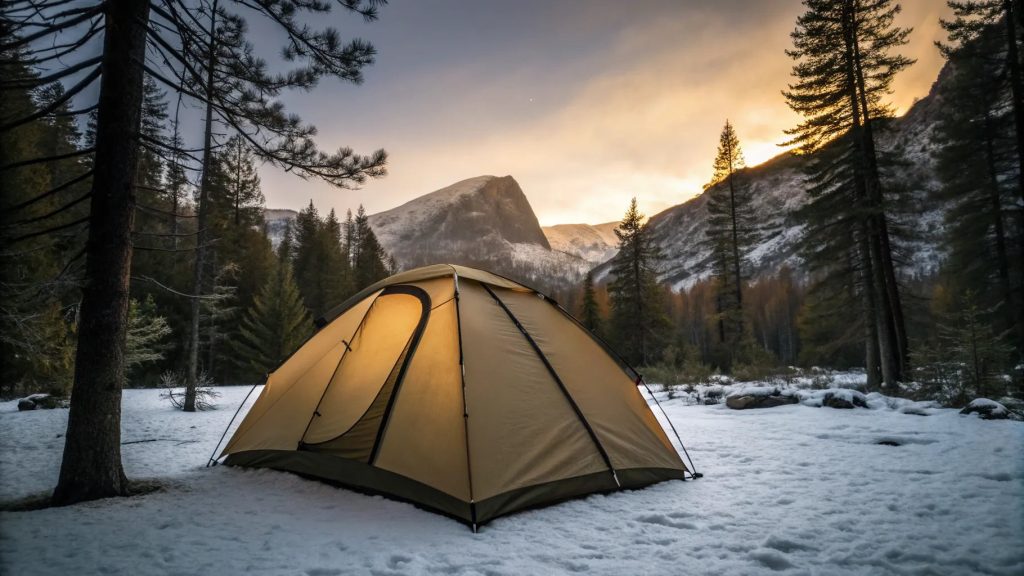
When winter hits, staying warm inside your tent can be a real challenge. You want to enjoy the outdoors without freezing all night.
The good news? You can easily keep your tent cozy and comfortable with the right insulation techniques. In this guide, you’ll discover simple, effective ways to insulate your tent so cold winds and icy temperatures won’t spoil your adventure. Ready to learn how to turn your chilly shelter into a warm retreat?
Keep reading—your next winter camping trip will thank you.
Choosing The Right Tent
Picking the right tent is key to staying warm in winter. Not all tents work well in cold weather.
You need a tent that keeps heat inside and blocks wind and snow. This guide helps you choose one.
Four-season Tents
Four-season tents are made for tough winter conditions. They handle snow, cold, and strong winds well.
These tents use stronger poles and thicker fabric. They keep you safe and warm during winter camping.
Materials That Retain Heat
Choose tents made from materials that hold heat. Look for fabrics that block wind and trap warmth.
Common materials include polyester and nylon with special coatings. These help keep cold air out.
- Polyester: Durable and water-resistant
- Nylon: Lightweight and strong
- Coated fabrics: Block wind and moisture
Tent Size And Shape
Smaller tents keep heat better than larger ones. Pick a size that fits your group but is not too big.
Shape matters too. Dome and geodesic tents handle snow well and reduce wind inside.
- Small tents reduce empty air space
- Dome shapes shed snow easily
- Geodesic tents offer strong wind resistance

Credit: www.reddit.com
Selecting Insulation Materials
Insulating your tent for winter is vital for staying warm and comfortable. Choosing the right materials can make a big difference in heat retention.
Here, we explore various insulation options to help you select the best for your needs.
Foam Pads And Mats
Foam pads and mats are great for insulating the ground in your tent. They provide a barrier against cold surfaces.
- Lightweight and easy to carry
- Available in various thicknesses
- Durable and water-resistant
Reflective Blankets
Reflective blankets can help retain body heat inside your tent. They are often used in emergency kits for their efficiency.
| Feature | Benefit |
| Reflective Surface | Maximizes heat retention |
| Compact Size | Easy to pack and store |
| Lightweight | Won’t add extra weight |
Thermal Liners
Thermal liners can be added to your tent walls for extra insulation. They trap warm air and prevent it from escaping.
Preparing The Tent Site
Preparing your tent site is important for staying warm in winter. A good site helps protect you from cold wind and snow.
Clear the area and set up barriers to keep the wind away. Use ground tarps to add extra insulation under your tent.
Clearing Snow And Debris
Remove snow and debris before setting up your tent. A flat, clean surface keeps the tent stable and dry.
Clear a space larger than your tent to make room for stakes and gear. Pack down snow if you cannot remove it all.
- Shovel away snow and ice
- Remove sticks, rocks, and leaves
- Flatten the ground as much as possible
- Pack down soft snow for a firm base
Setting Up Windbreaks
Windbreaks block cold wind and protect your tent. Use natural features or build barriers around your site.
Place windbreaks on the side where the wind blows the most. This lowers wind chill and keeps the tent warmer.
- Use snow walls by piling snow around the tent
- Set up tarps or fabric shields as barriers
- Use trees or rocks as natural windbreaks
- Keep windbreaks close but not touching the tent
Using Ground Tarps
Ground tarps add a layer between the cold ground and your tent floor. They help keep moisture out and improve insulation.
Choose a tarp that fits under your tent but does not extend past the edges. This prevents water from collecting under the tent.
- Use a thick, waterproof tarp
- Lay it flat and smooth before pitching the tent
- Make sure tarp edges do not stick out
- Secure tarp corners to avoid shifting
Installing Insulation Layers
Insulating a tent keeps you warm during cold winter nights. Adding insulation layers blocks cold air and traps heat inside.
Focus on the floor, walls, ceiling, and windows to make your tent cozy and warm.
Floor Insulation Techniques
The floor is the biggest source of cold in a tent. Use thick materials to create a warm barrier between you and the ground.
Foam pads, sleeping mats, and rugs help keep the cold from seeping in through the floor.
- Place closed-cell foam pads for strong insulation
- Add a thick sleeping mat on top for extra comfort
- Use rugs or blankets to block drafts under the tent floor
- Try reflective emergency blankets under mats to reflect heat
Wall And Ceiling Insulation
Insulating the walls and ceiling traps warm air inside the tent. Use soft, thick materials that fit the shape of your tent.
Hang blankets or foam panels inside the tent walls. Add insulation on the ceiling to reduce heat loss upwards.
- Attach thick blankets or quilts to tent walls
- Use foam board panels cut to fit the tent shape
- Hang a thermal reflective sheet on the ceiling
- Secure insulation materials well to avoid gaps
Covering Tent Windows
Tent windows let cold air in and warm air out. Cover them well to keep the tent warm and cozy.
Use thick fabric or plastic covers to block drafts and keep heat inside.
- Use thermal curtains or heavy blankets over windows
- Attach clear plastic sheets to block wind but keep light
- Seal edges with tape or Velcro to stop air leaks
- Open covers only when needed to keep warmth inside
Managing Ventilation And Moisture
Insulating a tent for winter means keeping warm and dry. Good ventilation stops moisture buildup inside the tent.
Moist air can cause condensation, which makes the tent cold and damp. Managing airflow helps prevent this problem.
Preventing Condensation
Condensation happens when warm air meets cold surfaces inside the tent. Water droplets form and make things wet.
To stop this, keep wet clothes and gear outside or in a separate area. Use a groundsheet to keep moisture from the floor.
- Dry clothes before entering the tent
- Keep wet items away from sleeping areas
- Use a waterproof groundsheet under the tent
- Open vents slightly to let moist air escape
Maintaining Airflow
Airflow moves moist air out and fresh air in. This keeps the tent dry and comfortable during cold weather.
Use the tent’s vents and doors to create a steady flow of air. Avoid sealing the tent completely tight.
- Open vents even in cold weather
- Use mesh panels to allow air without bugs
- Keep doors slightly open when safe
- Arrange sleeping bags to avoid blocking vents
Using Vent Covers
Vent covers let you control airflow and block wind. They help keep warm air inside while letting moisture out.
Choose vent covers that fit your tent vents well. Adjust them depending on weather and moisture levels.
- Install vent covers made for your tent model
- Close covers in strong wind but keep some airflow
- Open covers when moisture builds up inside
- Check vents regularly for blockages or ice
Credit: www.battlbox.com
Additional Heating Methods
Keeping warm inside a tent during winter is very important. Besides good insulation, extra heating helps stay comfortable. There are several safe ways to add heat to your tent.
This section covers portable heaters, hot water bottles, and the safe use of candles. Each method has tips to keep you warm and safe.
Portable Heaters
Portable heaters can quickly warm up a tent. Choose models designed for indoor or tent use to avoid dangers. Always check ventilation to prevent carbon monoxide buildup.
- Use propane or electric heaters made for tents.
- Keep the heater away from flammable materials.
- Never leave the heater running unattended.
- Ensure the tent has good airflow.
Hot Water Bottles
Hot water bottles provide gentle heat and are easy to use. They keep you warm inside your sleeping bag or near your body. Fill the bottle with hot water before bedtime.
| Tip | Description |
| Use warm water | Fill the bottle with water about 120°F (49°C) |
| Check for leaks | Make sure the bottle is sealed tightly |
| Wrap bottle | Cover with cloth to avoid burns |
| Place carefully | Keep it inside your sleeping bag or near your feet |
Safe Use Of Candles
Candles can add warmth and light but must be used with care. They create small heat sources but also pose fire risks. Always watch candles closely inside a tent.
- Place candles on a stable, heat-proof surface.
- Keep candles away from fabric and sleeping bags.
- Never leave a burning candle unattended.
- Have a way to extinguish the candle nearby.
- Use candle lanterns or holders designed for camping.
Clothing And Sleeping Gear Tips
Keeping warm inside a tent during winter is important. Your clothes and sleeping gear help keep heat close to your body.
Using the right layers and sleeping bags makes your camping trip safer and more comfortable.
Layering Clothes
Wear several layers of clothing to trap heat. Start with a thin, moisture-wicking base layer to keep sweat away.
Add an insulating middle layer like fleece or wool. Finish with a windproof and waterproof outer layer to block cold air and moisture.
- Base layer: synthetic or wool material
- Middle layer: fleece or wool for warmth
- Outer layer: shell jacket to block wind and rain
- Use hats, gloves, and warm socks
Choosing Winter Sleeping Bags
Pick a sleeping bag made for cold weather. Look for bags with a low temperature rating that matches your camping conditions.
Down sleeping bags are warm and light. Synthetic bags keep you warm even if wet. Choose the type that fits your needs and budget.
- Check temperature rating for cold weather
- Down bags are lightweight and warm
- Synthetic bags stay warm when wet
- Get a mummy shape to keep heat close
Using Sleeping Bag Liners
Sleeping bag liners add extra warmth. They are thin layers you put inside your sleeping bag. Liners trap more heat and keep your bag clean.
Choose liners made from fleece or silk. Fleece adds warmth, while silk is lightweight and smooth. Liners are easy to wash and dry.
- Fleece liners increase warmth by several degrees
- Silk liners are lightweight and comfortable
- Liners keep sleeping bags cleaner
- Easy to pack and wash
Credit: www.battlbox.com
Safety Precautions
Insulating a tent for winter helps keep you warm. Safety is very important to avoid accidents.
Follow safety rules to protect yourself from fire, carbon monoxide, and other dangers.
Fire Safety Inside Tents
Fires can start easily inside tents. Use only safe heat sources made for tents.
Keep flammable items away from heaters and open flames. Always have a fire extinguisher nearby.
- Do not use candles or open flames inside the tent.
- Use battery-powered lights instead of gas lanterns.
- Keep a small fire extinguisher or water bucket close by.
- Turn off heaters before sleeping or leaving the tent.
Carbon Monoxide Risks
Carbon monoxide is a gas you cannot see or smell. It can cause serious illness or death.
Never use fuel-burning heaters or stoves inside a closed tent. Always provide good ventilation.
- Use carbon monoxide detectors made for camping.
- Keep vents open to allow fresh air in.
- Do not sleep with heaters running inside the tent.
- Place stoves outside the tent when possible.
Emergency Preparedness
Prepare for emergencies before you start camping. This helps you stay safe in cold weather.
Have a plan for quick evacuation and keep emergency supplies within reach.
- Carry a first aid kit and know how to use it.
- Keep extra warm clothing and blankets ready.
- Have a fully charged phone or communication device.
- Tell someone your camping location and expected return time.
Frequently Asked Questions
How Can I Keep My Tent Warm In Winter?
Use insulated sleeping pads and thermal liners inside the tent. Seal all tent openings and add a windbreak outside. Use a tent heater safely and layer clothing. These steps reduce heat loss and keep your tent warm during cold winter nights.
What Materials Work Best For Tent Insulation?
Reflective foil blankets, foam mats, and thermal liners are effective for insulating tents. They trap heat and block cold air. Avoid materials that absorb moisture, as dampness lowers insulation efficiency. Choose lightweight, moisture-resistant insulation for better warmth and comfort.
Is It Safe To Use Heaters Inside A Tent?
Yes, if you use heaters designed for indoor tent use with safety features. Always ensure proper ventilation to avoid carbon monoxide buildup. Never leave heaters unattended and keep flammable materials away. Follow manufacturer guidelines strictly for safe winter camping.
How Do I Prevent Condensation Inside A Winter Tent?
Ventilate your tent by slightly opening vents or windows to allow moisture to escape. Use moisture-wicking fabrics and avoid cooking inside the tent. Proper insulation also helps by keeping surfaces warmer, reducing condensation buildup. Regularly wipe down damp areas to keep the tent dry.
Conclusion
Keeping your tent warm in winter is easier than you think. Use blankets, foam mats, and tarps to add layers. Seal gaps to stop cold air from entering. Remember, warmth means comfort and safety outdoors. Small steps make a big difference in cold weather.
Stay cozy and enjoy your winter camping trips.