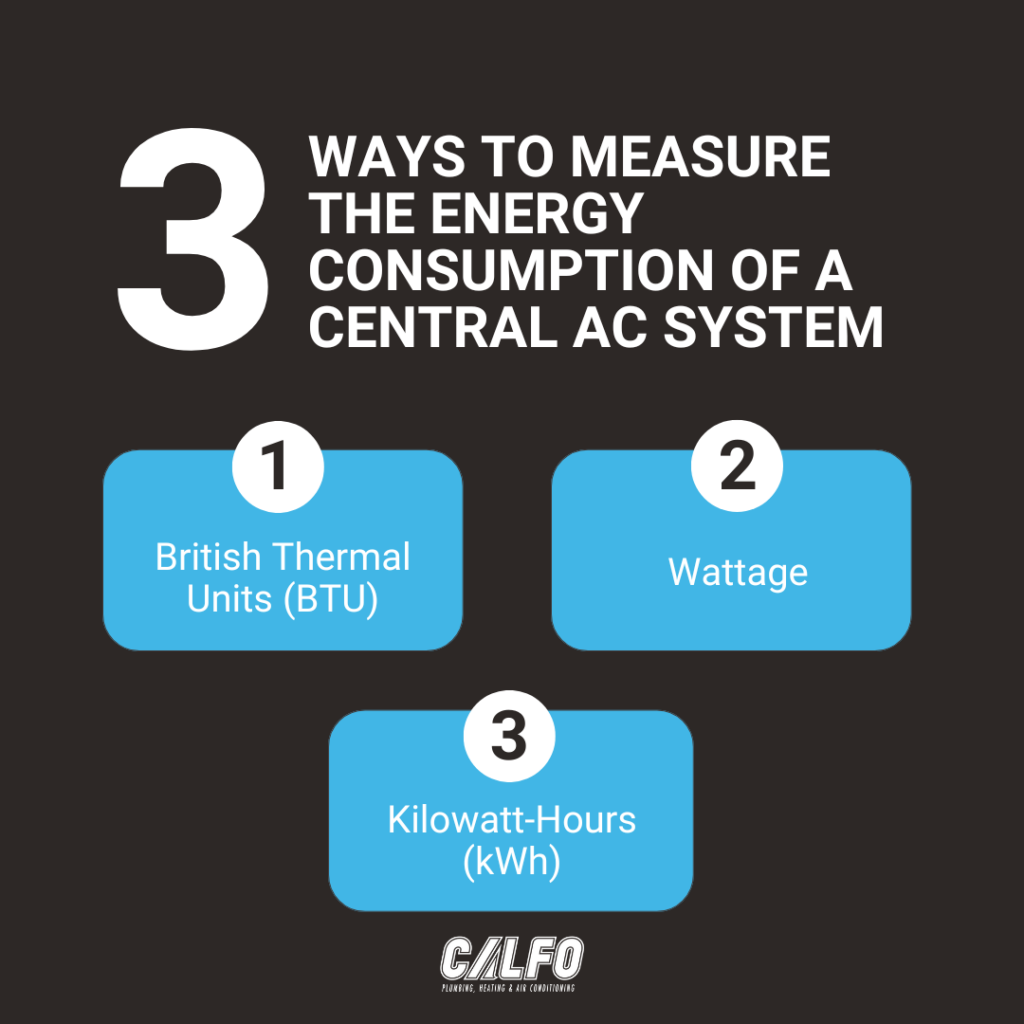
Have you ever wondered how much electricity your air conditioner actually uses? Knowing how many kilowatt-hours (kWh) your AC consumes can help you save money and avoid surprise bills.
Understanding this simple number puts you in control of your energy use. You’ll discover exactly what affects your AC’s power consumption and easy tips to keep it running efficiently. Keep reading to learn how to make your cooling cost less without sacrificing comfort.

Credit: www.aljazeera.com
Air Conditioner Power Basics
Understanding how much electricity an air conditioner uses is important. It helps you manage your energy bills and choose the right unit.
This guide explains key power terms and ratings related to air conditioners. You will learn what a kilowatt hour is and how AC power ratings work.
What Is Kilowatt Hour
A kilowatt hour (kWh) measures energy use. One kWh means using 1,000 watts for one hour.
- It shows how much electricity a device uses over time.
- Electric companies charge you based on kWh used.
- Lower kWh means less energy and lower bills.
- Higher kWh means more energy consumption.
Ac Power Ratings Explained
Air conditioners have power ratings that show how much electricity they use. These ratings help compare different models.
| Rating Type | Meaning | Example |
| Watt (W) | Instant power use | 1000 W means 1 kW used at a moment |
| Kilowatt (kW) | 1000 watts used at once | 2 kW AC uses 2000 watts |
| BTU/hr | Cooling capacity | 12000 BTU/hr cools a medium room |
| Energy Efficiency Ratio (EER) | How well AC uses power | Higher EER means less electricity for cooling |
Factors Influencing Ac Energy Use
Air conditioners use different amounts of energy. Many factors can influence how much electricity they consume.
Understanding these factors helps in making energy-efficient choices. This can lead to savings on electricity bills.
Unit Size And Efficiency
The size and efficiency of an air conditioner greatly affect energy use. Larger units often consume more power.
- Proper sizing is key to efficiency.
- Energy Star ratings indicate better efficiency.
- Older units may use more energy.
Usage Patterns
How often and when an air conditioner is used impacts its energy consumption. Frequent use raises electricity costs.
| Usage Time | Energy Use |
| Daytime | Higher |
| Nighttime | Lower |
| Continuous | Highest |
Climate Impact
The climate in an area influences how much energy an air conditioner uses. Hotter climates require more cooling.
Estimating Your Ac’s Energy Consumption
Knowing how much electricity your air conditioner uses helps you manage energy costs. You can estimate the energy use by understanding your AC’s power rating and usage time.
Energy consumption is usually measured in kilowatt-hours (kWh). This number shows how much energy your AC uses over time.
Calculating Kwh Per Hour
First, find the power rating of your air conditioner. It is often shown in watts (W) or kilowatts (kW) on the unit or in the manual.
To calculate kWh per hour, divide the power rating by 1,000. This converts watts to kilowatts, which is the standard unit for energy use.
- If your AC uses 1,500 watts, then 1,500 ÷ 1,000 = 1.5 kW per hour.
- This means the AC uses 1.5 kilowatt-hours if it runs for one hour.
Monthly And Annual Usage Estimates
To estimate monthly usage, multiply the kWh per hour by the number of hours your AC runs daily. Then multiply by the days in the month.
For annual use, multiply the daily energy use by 365 days. This helps you see how much energy your AC uses in a year.
| Example | Value |
|---|---|
| AC power rating | 1,500 W (1.5 kW) |
| Daily running time | 8 hours |
| Monthly kWh | 1.5 kW × 8 hours × 30 days = 360 kWh |
| Annual kWh | 1.5 kW × 8 hours × 365 days = 4,380 kWh |
Ways To Reduce Ac Energy Use
Air conditioners use a lot of electricity. Lowering their energy use saves money and helps the environment. Small changes can make a big difference in how much power your AC uses.
Here are some simple ways to reduce the energy your air conditioner consumes. These tips focus on temperature settings, maintenance, and smart controls.
Optimal Temperature Settings
Setting your AC to the right temperature helps cut energy use. Too cold settings make the AC work harder and use more power. Aim for a balance between comfort and efficiency.
- Set the thermostat to 24°C (75°F) when at home.
- Raise the temperature by 2-3 degrees when you are away.
- Use fans to help cool the room faster.
- Avoid setting the temperature lower than needed.
Regular Maintenance Tips
Keeping your AC clean and well-maintained improves efficiency. Dirty filters and parts make the unit use more electricity. Regular care ensures your AC runs smoothly.
| Maintenance Task | Frequency |
| Clean or replace air filters | Every 1-3 months |
| Check refrigerant levels | Yearly |
| Clean condenser coils | Yearly |
| Inspect ductwork for leaks | Yearly |
Using Smart Thermostats
Smart thermostats adjust your AC automatically. They learn your schedule and lower energy use by cooling only when needed. These devices save power and keep you comfortable.
- Program temperature changes for different times of day
- Control your AC remotely with a smartphone app
- Receive alerts for maintenance or unusual energy use
- Use sensors to avoid cooling empty rooms
Alternative Cooling Options
Air conditioners use a lot of electricity and can raise your energy bills. There are other ways to cool your home that use less power. These options may help you stay cool and save energy.
This article explores some common alternatives to air conditioning. You will learn about fans, evaporative coolers, and energy-efficient AC models.
Fans Vs. Air Conditioners
Fans use much less electricity than air conditioners. They do not cool the air but help sweat evaporate from your skin. This makes you feel cooler.
- Fans use about 10 to 100 watts of power.
- Air conditioners use between 500 and 3500 watts.
- Fans are cheaper to buy and run.
- Air conditioners lower the air temperature.
- Fans work best in dry heat.
Evaporative Coolers
Evaporative coolers, also called swamp coolers, cool air by adding moisture. They use less electricity than air conditioners but work best in dry climates.
| Feature | Evaporative Cooler | Air Conditioner |
|---|---|---|
| Electricity Use | Low (100-300 watts) | High (500-3500 watts) |
| Cooling Method | Evaporation of water | Refrigerant cycle |
| Best Climate | Dry and hot | All climates |
| Air Humidity | Increases humidity | Removes humidity |
Energy-efficient Ac Models
New air conditioners use less electricity than older models. Look for units with high SEER ratings. These models save energy and lower your electric bills.
Tips to choose energy-efficient AC:
- Check the SEER rating (higher is better).
- Choose the right size for your room.
- Use programmable thermostats.
- Maintain the unit regularly.
- Look for ENERGY STAR certified models.
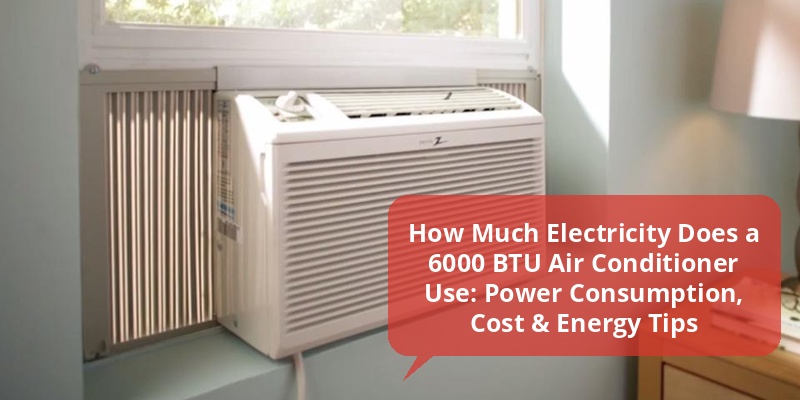
Credit: northnjhvac.com
Cost Savings From Lower Energy Use
Air conditioners use electricity to cool your home. Using less energy can save money. Understanding how much energy your air conditioner uses helps you reduce bills.
Choosing energy-efficient models and managing usage lowers power consumption. This leads to cost savings over time and benefits the environment.
Impact On Electricity Bills
Lower energy use means smaller electricity bills. Air conditioners can use between 0.5 kWh to 2 kWh per hour, depending on size and efficiency.
- Use energy-efficient air conditioners to reduce power consumption.
- Set the thermostat to a higher temperature to save energy.
- Run the AC only when needed to avoid waste.
- Maintain the unit regularly for best performance.
Long-term Financial Benefits
Energy savings add up over years. Using less electricity lowers your total expenses and reduces the need for costly repairs.
| Benefit | Details |
|---|---|
| Lower Monthly Bills | Save money every month by using less electricity. |
| Reduced Wear and Tear | Energy-efficient use extends the life of the AC unit. |
| Fewer Repairs | Less strain on the system means fewer breakdowns. |
| Increased Home Value | Energy-efficient homes can sell for more. |

Credit: www.tnebbillcalculator.com
Frequently Asked Questions
How Many Kwh Does A Typical Air Conditioner Use Daily?
A typical air conditioner uses between 1 to 2 kWh per hour. Daily usage depends on runtime, often totaling 8 to 16 kWh. Factors like size and efficiency affect this number. Monitoring usage helps manage energy bills effectively.
What Affects An Air Conditioner’s Kwh Consumption?
Factors include unit size, energy efficiency rating, thermostat settings, and usage duration. Higher SEER ratings mean lower kWh use. Room insulation and outdoor temperature also influence energy consumption. Efficient usage reduces overall kWh significantly.
How Can I Reduce My Air Conditioner’s Kwh Usage?
Use a programmable thermostat to limit runtime. Maintain filters and coils for efficiency. Seal windows and doors to prevent cool air loss. Opt for energy-efficient models with high SEER ratings. These steps lower energy use and costs.
Does Air Conditioner Size Impact Kwh Usage?
Yes, larger units consume more kWh per hour due to higher cooling capacity. Oversized units cycle on and off frequently, wasting energy. Proper sizing ensures optimal kWh use and better cooling performance.
Conclusion
Air conditioners use different amounts of electricity based on size and settings. Knowing the kWh helps control energy costs. Running your AC smartly saves money and power. Regular maintenance keeps it working well and uses less energy. Choose the right AC for your space to avoid waste.
Small changes make a big difference in energy use. Stay aware of your AC’s electricity use to stay comfortable and save money.