Is your air conditioner dripping water or leaving wet spots around your home? Condensation from your AC can cause damage, mold, and discomfort if left unchecked.
But don’t worry—you can stop this problem before it gets worse. You’ll discover simple and effective ways to prevent condensation from your air conditioner. By following these easy tips, you’ll keep your home dry and your AC working smoothly. Ready to fix that annoying drip?
Let’s dive in!
Credit: honorservices.com
Causes Of Ac Condensation
Air conditioners often produce condensation as they cool the air. This moisture can build up and cause problems if not managed well.
Understanding why condensation forms helps you prevent damage and keep your AC working properly.
Humidity And Temperature Effects
High humidity means there is more moisture in the air. When warm, humid air meets the cold AC coils, water forms.
If the temperature difference is large, more condensation will appear. This is normal but can cause issues if excessive.
- Warm, moist air cools on cold AC coils
- Water drops form on the coils and drip
- High humidity increases moisture buildup
Blocked Drainage Issues
Condensation water needs a clear path to drain away. Blocked or clogged drains trap water inside the unit.
This trapped water can overflow and cause leaks or damage to your AC and walls.
- Drain lines can get blocked by dirt and debris
- Water pools inside the AC unit
- Leaking water may damage nearby surfaces
Dirty Air Filters
Air filters stop dust from entering your AC. When filters get dirty, airflow reduces and the coils get colder.
Cold coils cause more condensation than usual. Dirty filters also make the AC work harder and use more energy.
- Blocked filters reduce airflow
- Colder coils create extra moisture
- Filters should be cleaned or replaced regularly
Low Refrigerant Levels
Refrigerant cools the air inside your AC. If the level is low, the coils get too cold and freeze over.
When the ice melts, it causes excess water and condensation problems. Low refrigerant also lowers AC performance.
- Low refrigerant cools coils too much
- Ice forms and then melts, causing leaks
- Check refrigerant levels with a professional

Credit: northnjhvac.com
Signs Of Excessive Condensation
Condensation in air conditioners is normal, but too much can cause problems. It is important to know the signs of excessive condensation to prevent damage.
These signs can include water leaks, strange sounds, and mold growth. Let’s explore each one in detail.
Water Leaks Around Unit
Water puddles near your air conditioner are a clear sign of trouble. This happens when condensation doesn’t drain properly.
- Check for leaks around the base
- Inspect the drainage system
- Ensure the unit is level
Unusual Dripping Sounds
If you hear dripping sounds, it might mean water is not draining well. These sounds usually come from inside the air conditioner.
- Listen for constant dripping
- Check for blockages in the drain
- Monitor the noise level
Mold Or Mildew Growth
Mold or mildew near your unit suggests too much moisture. This can lead to health problems and damage your air conditioner.
- Look for dark spots or stains
- Smell for musty odors
- Clean regularly to prevent growth
Reduced Cooling Efficiency
When an air conditioner struggles to cool, it may be due to excess condensation. This can make the system work harder.
- Check the airflow from the vents
- Ensure the filters are clean
- Monitor the room temperature
Simple Fixes To Reduce Condensation
Condensation on your air conditioner can cause damage and reduce efficiency. It is important to fix this problem quickly. Simple actions can help reduce the moisture buildup.
Below are easy steps you can take to stop condensation and keep your air conditioner working well.
Clean Or Replace Air Filters
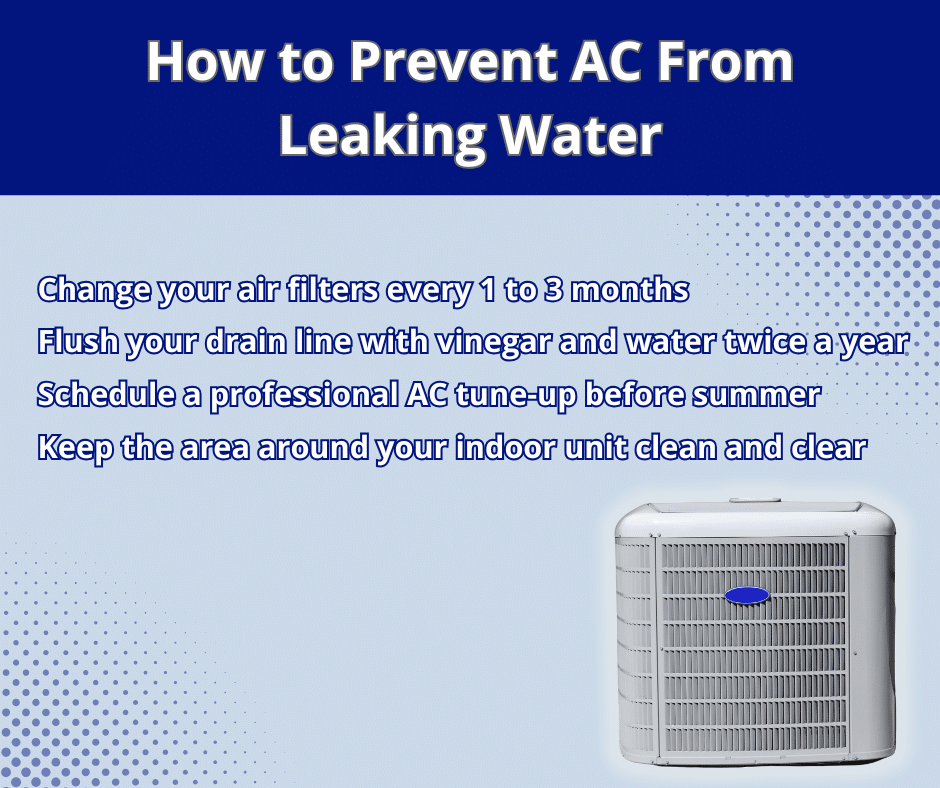
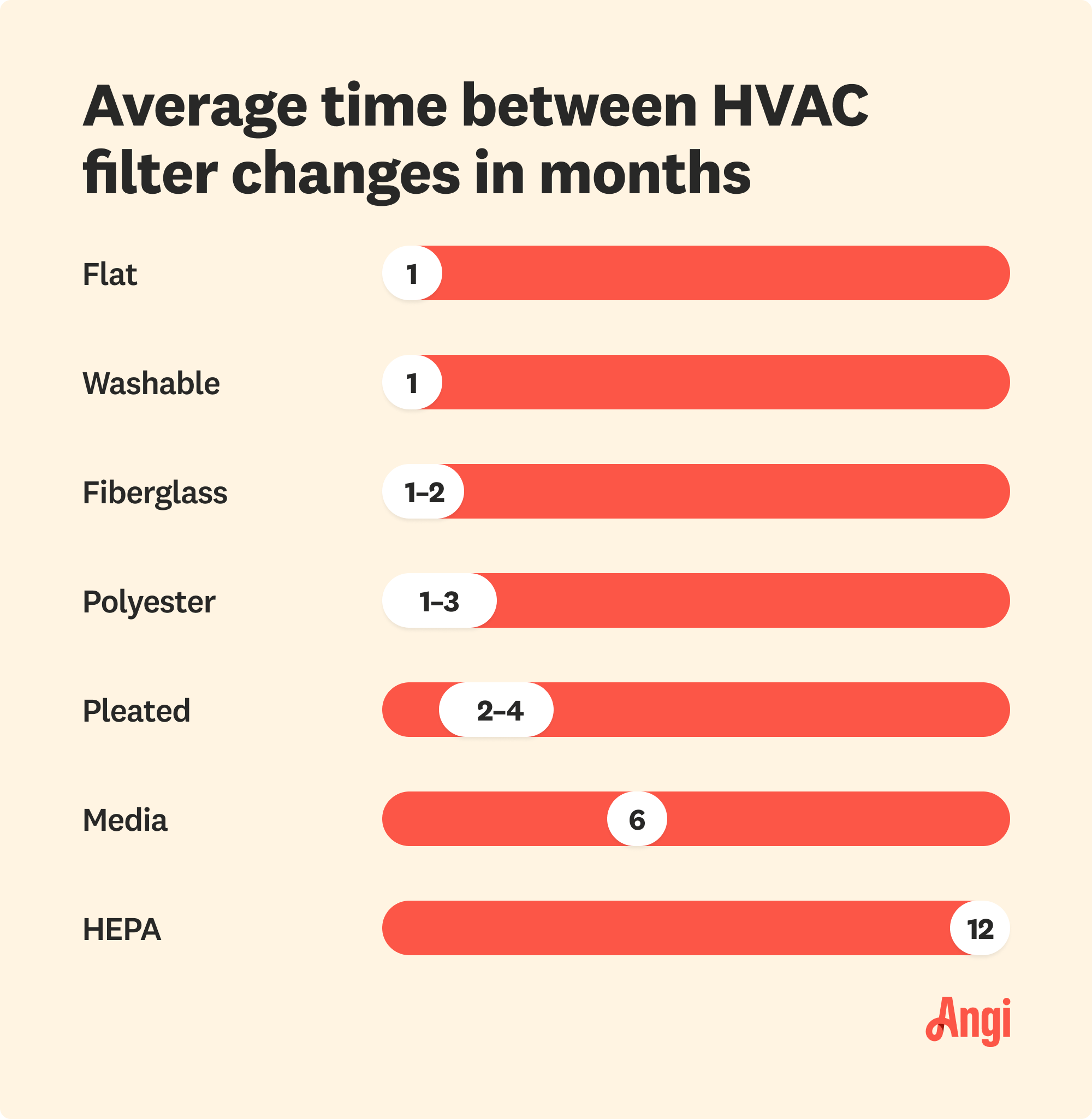
Dirty or clogged air filters reduce airflow and cause moisture to build up. Clean or replace your air filters every month or as needed. This helps the air conditioner run smoothly and reduces condensation.
Clear The Drain Line
The drain line removes water from the air conditioner. If it is blocked, water can collect and cause condensation. Check the drain line and clean it regularly to prevent clogs.
- Locate the drain line near the outdoor unit.
- Use a wet/dry vacuum to clear any blockages.
- Flush the drain with a mix of water and vinegar to remove buildup.
Check And Adjust Thermostat Settings
Incorrect thermostat settings can cause the air conditioner to run too cold. This leads to excess condensation. Set your thermostat to a comfortable temperature above 72°F (22°C) to reduce moisture.
| Thermostat Setting | Effect on Condensation |
| Below 72°F (22°C) | Higher chance of condensation |
| 72°F to 75°F (22°C to 24°C) | Optimal balance, less condensation |
| Above 75°F (24°C) | Less cooling, may reduce condensation but less comfort |
Improve Room Ventilation
Good ventilation helps remove moisture from the room. This lowers condensation on the air conditioner. Open windows or use fans to increase airflow. Keep doors open to let air move freely.
- Use exhaust fans in kitchens and bathrooms.
- Place a fan near the air conditioner to circulate air.
- Avoid blocking vents with furniture or curtains.
Credit: www.angi.com
Preventive Maintenance Tips
Condensation from air conditioners can cause damage and discomfort. Preventing it saves money and keeps your home dry.
Regular care helps your air conditioner run smoothly. Follow these tips to reduce condensation problems.
Regular Professional Inspections
Hire a professional to check your air conditioner often. They can spot problems early and fix them.
Inspections include cleaning parts and checking for leaks. This keeps the system working well and stops moisture build-up.
Maintaining Refrigerant Levels
Refrigerant cools the air and helps stop condensation. Low refrigerant makes the unit work harder and creates more moisture.
Check refrigerant levels regularly. If low, a technician should refill it to the right amount.
Sealing Air Ducts
Leaky air ducts let warm air in, causing condensation inside the system. Sealing ducts keeps air flowing well.
Use duct tape or mastic sealant to close gaps. This helps reduce moisture and improves cooling efficiency.
- Inspect ducts for holes and cracks
- Seal all leaks with proper materials
- Check ducts annually for new leaks
Using A Dehumidifier
A dehumidifier removes extra moisture from the air. This lowers condensation around your air conditioner.
Place a dehumidifier in humid rooms. It helps keep the air dry and protects walls and furniture from dampness.
When To Call A Professional
Condensation issues in air conditioners can cause damage and discomfort. Some problems need expert help to fix properly.
Knowing when to call a professional can save you time and prevent costly repairs. Watch for warning signs below.
Persistent Water Leakage
If your air conditioner leaks water constantly, it may signal a clogged drain or broken pump. This needs quick attention.
Ignoring leaks can cause water damage to walls and floors. Professionals can clean and repair the drainage system to stop leaks.
Frequent System Shutoffs
Your air conditioner should run smoothly without turning off often. Frequent shutoffs may mean a serious issue.
- Dirty filters blocking airflow
- Frozen coils due to poor maintenance
- Electrical problems inside the unit
- Incorrect thermostat settings
If you notice these shutoffs, a technician can check and fix the cause to avoid damage or high energy bills.
Visible Mold Growth
Mold near or inside the air conditioner shows moisture problems. Mold can harm health and spread quickly.
- Musty odors around vents
- Black or green spots on surfaces
- Increased allergy symptoms
Cleaning mold safely needs special tools and knowledge. Call a pro to remove mold and fix moisture issues.
Complex Mechanical Issues
Some condensation problems come from complex mechanical faults like compressor or fan failure.
| Issue | Possible Cause | Why Call a Professional |
| Compressor failure | Overheating or wear | Needs special tools for repair |
| Fan malfunction | Broken blades or motor | Requires expert diagnosis |
| Refrigerant leaks | Damaged coils or pipes | Handle chemicals safely |
These issues can worsen if not fixed by a trained technician. Professionals ensure safe and effective repairs.
Frequently Asked Questions
Why Does My Air Conditioner Cause Condensation?
Air conditioners cool warm air, causing moisture to condense on cold surfaces. High humidity levels increase this effect. Poor insulation or blocked drainage can worsen condensation issues.
How Can I Prevent Air Conditioner Condensation?
Regularly clean filters, check drainage pipes, and ensure proper insulation. Using a dehumidifier also helps reduce indoor moisture, minimizing condensation on your AC unit.
Does Insulation Reduce Air Conditioner Condensation?
Yes, insulating AC ducts and surrounding areas prevents warm air contact with cold surfaces. This reduces condensation and prevents water damage or mold growth.
Can A Clogged Drain Line Cause Condensation Problems?
Absolutely. A clogged drain line blocks water drainage, causing condensation buildup around your AC. Regularly clearing the drain line prevents leaks and water damage.
Conclusion
Stopping condensation from your air conditioner keeps your home dry and safe. Clean filters and proper drainage help a lot. Regular checks prevent water damage and mold growth. Simple steps save money on repairs later. Keep air flowing well inside your rooms.
A dry, cool home feels comfortable every day. Small actions make a big difference in air quality. Take care of your AC, and it will take care of you.