
Have you ever wondered if you can turn your air conditioner on its side without causing damage? Maybe you’re moving, trying to fit it into a tight space, or just curious about what’s safe.
The truth is, how you handle your air conditioner can make a big difference in how well it works and how long it lasts. Keep reading to discover what really happens when you tilt your AC, and learn the simple steps you should follow to protect your investment and keep your home cool.
Don’t risk costly repairs—find out the facts before you move or store your unit!
Risks Of Turning An Ac On Its Side
Turning an air conditioner on its side is not recommended. It can cause several problems that affect the unit’s performance.
Understanding the risks helps you avoid damage and costly repairs. Below are the main issues caused by tilting an AC.
Potential Damage To Compressor
The compressor works best when the AC is upright. Turning it on its side can cause internal parts to shift.
Misalignment inside the compressor may lead to breakdown or reduced lifespan. The compressor is costly to fix or replace.
Oil Leakage Issues
Air conditioners use oil to keep parts lubricated. When on its side, oil can flow out of the compressor.
Loss of oil causes poor lubrication. This leads to more friction and wear inside the machine over time.
- Oil may leak from seals or joints
- Improper oil distribution inside the AC
- Increased risk of mechanical failure
Impact On Cooling Efficiency
Tilting an AC can affect the flow of refrigerant inside the unit. This makes cooling less effective.
Improper refrigerant flow causes uneven cooling or longer run times. The AC uses more energy but cools less.

Credit: www.youtube.com
When Side Positioning Is Necessary
Sometimes, you may need to turn an air conditioner on its side. This is not ideal for regular use. It is only needed in special cases.
Knowing when to position your air conditioner this way helps avoid damage. You must handle the unit carefully during these times.
During Transportation
Air conditioners are often moved lying on their side during transport. This happens because of space limits in vehicles.
Manufacturers sometimes pack units sideways to fit better. But the air conditioner must be set upright soon after delivery.
- Helps fit the unit in tight spaces
- Prevents damage during loading
- Requires careful handling when unloading
Temporary Storage Situations
You might store an air conditioner on its side temporarily. This can happen when space is limited in storage areas.
Keep the unit on its side only for a short time. Before use, let it stand upright for several hours to protect its parts.
- Use side position if no upright space is free
- Limit storage time on its side to avoid oil issues
- Allow standing time before turning it on
Precautions Before Moving Ac On Its Side
Moving an air conditioner on its side can cause damage. It is important to take certain precautions first.
Proper steps help protect the unit and keep it working well after moving.
Draining Refrigerant And Oil
Before turning the air conditioner on its side, drain the refrigerant and oil. This prevents leaks and damage inside the unit.
- Turn off and unplug the AC unit.
- Locate the service valves to release refrigerant safely.
- Use a certified recovery machine to collect refrigerant.
- Drain the compressor oil into a clean container.
- Seal all openings to avoid contamination.
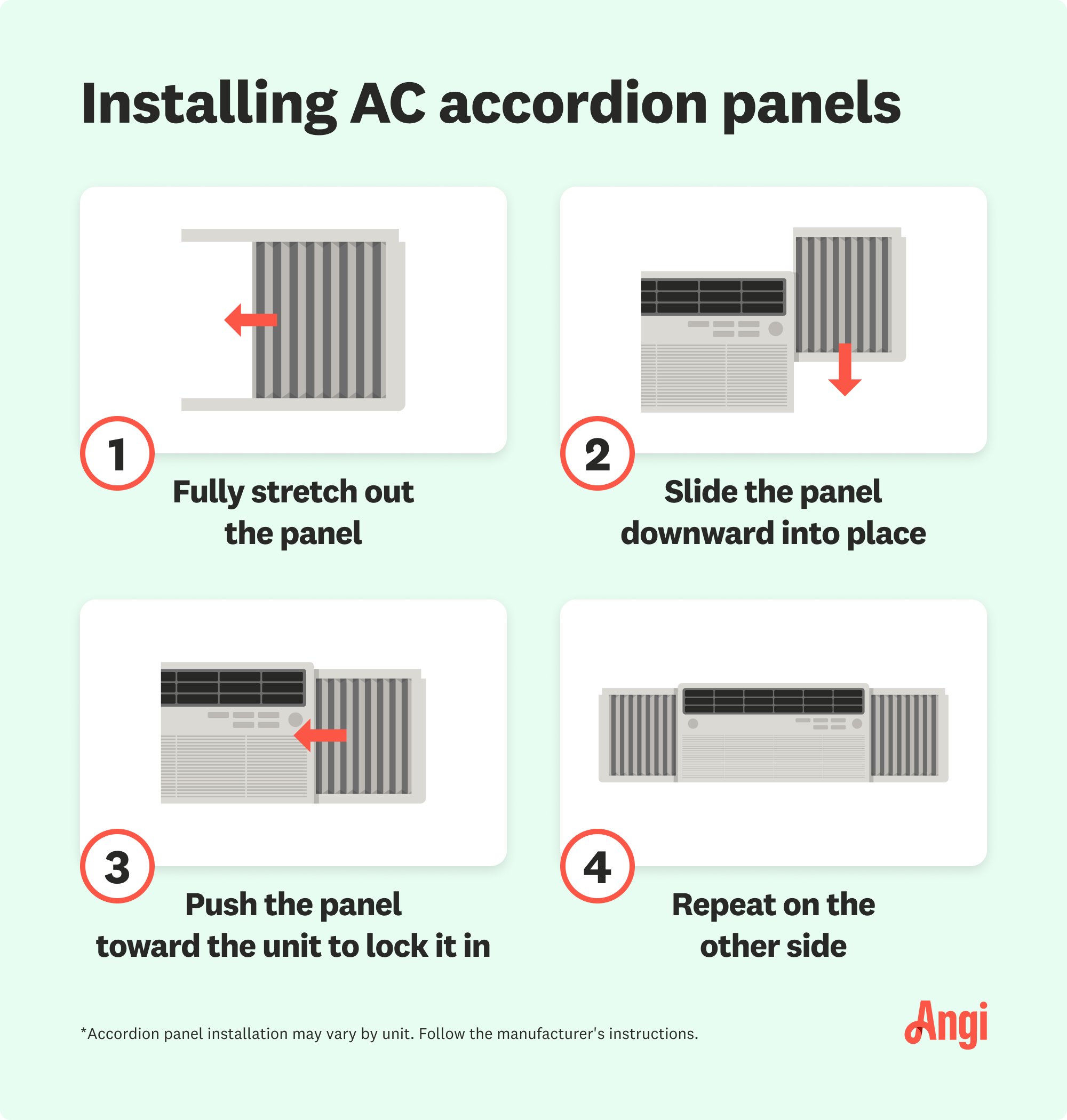
Securing Internal Components
Internal parts can shift or break when the AC is on its side. Secure them to protect the unit.
| Component | How to Secure |
|---|---|
| Fan Blades | Use foam padding or tape to hold blades in place. |
| Coils | Cover with soft cloth to prevent bending or damage. |
| Electrical Parts | Disconnect and secure wires to avoid pulling. |
Credit: www.angi.com
Steps To Follow After Positioning Ac On Its Side
Sometimes you need to move an air conditioner on its side for transport. This can affect the unit’s parts inside.
Follow these steps after placing your AC on its side to keep it safe and working well.
Allowing Proper Rest Time
After you set the AC on its side, let it rest before turning it on. This helps oil and fluids settle properly.
Wait at least 2 to 4 hours before using the AC again. This rest time reduces damage risk.
Checking For Oil Redistribution
Oil inside the compressor can move when the AC is on its side. Check if the oil has returned to its place.
If oil stays in the wrong spots, the compressor may get damaged when running the AC.
- Look for oil leaks around the compressor
- Listen for strange noises when starting the AC
- If unsure, have a professional check the unit
Testing Before Full Use
Before using the AC fully, run a short test to check its function. This helps spot any issues early.
Turn on the AC for about 10 minutes. Watch for unusual sounds or poor cooling.
- Check airflow from the vents
- Notice if the compressor runs smoothly
- Make sure no strange smells or leaks appear
Expert Tips For Safe Handling
Air conditioners are heavy and delicate. Handling them safely is important. Turning an air conditioner on its side can be risky. Follow these expert tips to ensure safe handling.
Learn how to move your air conditioner without causing damage. Use proper techniques and always refer to expert advice.
Using Proper Equipment
Always use the right equipment when moving an air conditioner. This helps prevent injury and keeps the unit safe.
- Use a dolly for easy transportation
- Secure the unit with straps
- Wear gloves to protect your hands
Avoiding Sudden Movements
Sudden movements can damage the internal parts of the air conditioner. Move slowly and carefully.
Ensure that the path is clear before moving. This will help you avoid accidents and keep the unit intact.
Consulting Manufacturer Guidelines
Always check the manufacturer’s guidelines before handling the air conditioner. These guidelines provide specific instructions for safe handling.
| Check for handling instructions |
| Look for weight limits |
| Follow recommended positioning |

Credit: www.abt.com
Frequently Asked Questions
Can You Turn An Air Conditioner On Its Side Safely?
No, turning an air conditioner on its side can damage the compressor. This may cause oil to leak and affect performance. Always keep AC units upright during transport and installation to ensure proper functioning and avoid costly repairs.
What Happens If You Tilt An Air Conditioner Sideways?
Tilting an air conditioner sideways can cause oil to move away from the compressor. This results in poor lubrication, leading to compressor failure and reduced cooling efficiency. It’s best to keep the unit upright to maintain internal balance and avoid damage.
How Should You Transport An Air Conditioner Properly?
Transport an air conditioner in an upright position only. Secure it firmly to prevent tipping or shaking during transit. Avoid laying it on its side or back to protect internal components and maintain optimal function after installation.
Can Turning An Ac On Its Side Cause Leaks?
Yes, turning an AC on its side can cause refrigerant and oil leaks. These leaks reduce cooling efficiency and may damage the compressor. Always keep the unit upright to prevent leaks and ensure long-lasting performance.
Conclusion
Turning an air conditioner on its side is not a good idea. It can damage the unit and stop it from working well. The oil inside the compressor can move and cause problems. Always keep the air conditioner upright during moving or installation.
This helps the machine last longer and cool your space better. Handle your air conditioner with care for best results. Proper use keeps your home comfortable and saves money.