Are you ready to catch more fish but unsure how to attach your hook securely? Knowing how to put a fishing hook on your line the right way can make all the difference between a successful catch and a lost opportunity.
In this guide, you’ll learn simple, step-by-step methods that anyone can master quickly. By the end, you’ll feel confident tying your hook like a pro and be one step closer to reeling in your next big fish. Let’s dive in and get your fishing line ready!
Choosing The Right Hook And Line
Choosing the right fishing hook and line is important for a good catch. The right match helps you fish better and avoid losing fish.
Different hooks and lines work best for different fish and fishing styles. Learn how to pick the right ones.
Types Of Fishing Hooks
Fishing hooks come in many shapes and sizes. Each type fits certain fish and fishing methods.
- J-Hooks: Classic shape, good for most fishing types.
- Circle Hooks: Reduce fish injury, good for catch and release.
- Treble Hooks: Three points, often used on lures.
- Siwash Hooks: Long shank, ideal for artificial baits.
- Octopus Hooks: Short shank, good for live bait.
Selecting Suitable Fishing Line
Fishing lines vary in strength, stretch, and visibility. Pick a line that suits your fishing style and fish type.
- Monofilament: Stretchy and easy to handle, good for beginners.
- Fluorocarbon: Less visible underwater, good for clear water.
- Braid: Very strong and thin, good for heavy cover fishing.
Matching Hook And Line Sizes
Match the hook size with the line strength. Using the right sizes helps catch fish without breaking the line.
| Hook Size | Recommended Line Strength (lbs) |
|---|---|
| Small (size 10-14) | 2 to 6 lbs |
| Medium (size 4-8) | 6 to 12 lbs |
| Large (size 1/0 – 4/0) | 12 to 20 lbs |
| Extra Large (size 5/0 and up) | 20+ lbs |
Preparing The Line And Hook
Fishing is a fun activity that needs the right setup. Knowing how to put a fishing hook on the line is key. This guide will help you prepare your line and hook for a great fishing experience.
We’ll discuss how to cut the line, moisten it, and hold the hook properly. Each step is important for a strong and secure connection.
Cutting The Line To Length
First, you need to cut the fishing line to the right length. This depends on the type of fish you want to catch and where you are fishing.
Use sharp scissors to make a clean cut. A clean cut helps prevent fraying and ensures a strong knot.
- Measure the length you need
- Use sharp scissors for a clean cut
- Avoid cutting the line too short
Moistening The Line
Moistening the line is an important step. It helps the knot hold better and reduces friction.
Before tying the hook, wet the line with water or saliva. This makes the knot tighter and more secure.
- Wet the line before tying
- Use water or saliva
- Ensures a strong knot
Holding The Hook Properly
Holding the hook properly is crucial for safety and ease. Make sure your fingers are away from the sharp end.
Use your thumb and forefinger to hold the hook by the shank. This gives you better control when tying the knot.
- Hold by the shank
- Keep fingers away from the point
- Ensure a secure grip
Basic Knot Techniques
Tying a fishing hook to your line is important for a strong hold. Good knots keep the hook from slipping off.
There are simple knots that work well for most fishing lines. These knots are easy to learn and reliable.
Improved Clinch Knot
The Improved Clinch Knot is popular for tying hooks to fishing lines. It works well with monofilament and fluorocarbon lines.
To tie it, pass the line through the hook eye and wrap it around the line five times. Then, pass the end through the loop near the eye and pull tight.
- Pass line through hook eye
- Wrap line around itself five times
- Pass line end through first loop
- Pull tight and trim excess
Palomar Knot
The Palomar Knot is strong and easy to tie. It works well with braided and monofilament lines.
Double the line and pass it through the hook eye. Tie a loose overhand knot, then pass the hook through the loop. Pull tight to secure.
- Double the line and pass through hook eye
- Tie an overhand knot without tightening
- Pass hook through the loop
- Pull line tight and trim excess
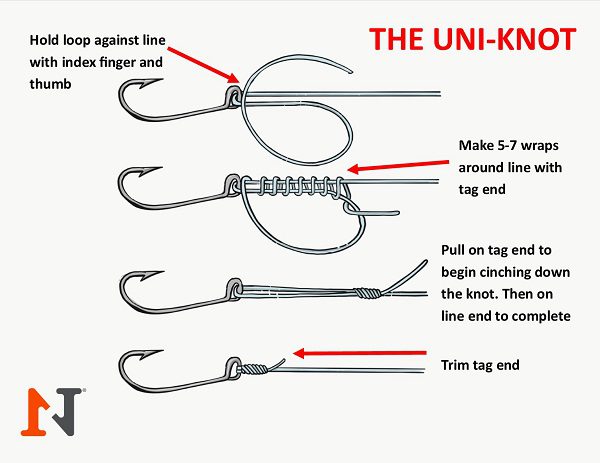
Uni Knot
The Uni Knot is versatile and easy to learn. It works well with many line types and is good for hooks and lures.
Pass the line through the hook eye and double back. Make six turns around the doubled line, then pull the tag end to tighten the knot.
- Pass line through hook eye
- Double back and make six wraps
- Pull tag end to tighten
- Slide knot to hook eye and trim excess

Credit: www.reddit.com
Step-by-step Knot Tying
Tying a fishing hook to your line is an important skill for fishing. A strong knot keeps the hook secure and prevents losing fish.
Follow these simple steps to tie the knot correctly and make sure your hook stays in place.
Threading The Line Through The Hook Eye
First, take the end of your fishing line and pass it through the small hole at the top of the hook. This hole is called the eye of the hook.
Pull enough line through so you have a few inches to work with for tying the knot.
Forming The Initial Loop
Hold the hook and line steady. Make a small loop by bending the tag end of the line back toward the main line.
The loop should be near the hook eye but not too tight. This loop starts the knot structure.
Wrapping The Line Around Itself
Take the tag end of the line and wrap it around the main line and the loop you made. Do this about five times.
Make sure the wraps are close together and neat to keep the knot strong.
- Wrap the tag end over the main line
- Keep loops tight and close
- Count five complete wraps
Tightening The Knot Securely
Hold the hook and pull the main line slowly to tighten the wraps. Slide the knot down toward the hook eye.
Wet the knot with water or saliva to reduce friction. Pull firmly to secure the knot without breaking the line.
- Wet the knot before tightening
- Pull main line steadily
- Check knot is tight and neat
Tips For Stronger Knot Tying
Tying a fishing hook to your line needs care. A strong knot keeps your catch secure. Small mistakes can cause the line to break or the hook to slip.
This guide shares easy tips to help your knot hold better and last longer. Follow these steps for a better fishing experience.
Keeping The Line Moist
Keeping the fishing line wet while tying knots stops friction damage. Dry line can weaken and break more easily under pressure.
- Dip the line in water or mouth before tightening the knot.
- Use saliva or water to keep the line smooth.
- Never pull the knot tight while the line is dry.
- Wet knots slide better and tighten evenly.
Avoiding Line Twist
Line twist makes knots weaker and can cause tangles. It happens when the line spins too much while tying or casting.
| Common Causes | How to Prevent |
| Reeling too fast | Reel slowly and smoothly |
| Wrong knot type | Choose knots that resist twisting |
| Improper knot tying | Keep the line straight and avoid loops |
| Using damaged line | Inspect and replace old line regularly |
Testing Knot Strength
Always test your knot before fishing. A weak knot can break under a fish’s pull.
- Tie the knot securely on the hook.
- Pull the line hard to check for slipping or breaking.
- If the knot slips, retie it using a different method.
- Practice tying knots to improve skill and speed.
- Use knots known for strength like the Palomar or Improved Clinch.
Credit: www.beadinggem.com
Common Mistakes To Avoid
Putting a fishing hook on a line may seem simple. Still, many anglers make mistakes that cause lost catches.
Knowing these common errors can help you tie your hook better and fish with more success.
Using The Wrong Knot
Not all knots work well for every type of fishing line or hook. Using the wrong knot can cause the hook to slip off.
Choose knots suited for your line type and hook size. Practice knots like the improved clinch or Palomar for strong holds.
- Wrong knots weaken the line strength
- Some knots do not hold well on slick lines
- Using complex knots can cause errors if not tied correctly
Not Tightening Properly
After tying the knot, many anglers fail to pull it tight enough. A loose knot can come undone or slip.
Pull the knot firmly but carefully. Wet the line before tightening to reduce friction and damage.
- Loose knots increase risk of losing the hook
- Dry tightening can weaken the line
- Always check the knot before fishing
Ignoring Line Condition
Fishing lines get worn out with use. Old or frayed lines break easily, no matter how well the knot is tied.
Inspect the line often. Replace it when you see damage or signs of weakness to avoid losing fish.
- Check for nicks, cuts, or discoloration
- Damaged line reduces knot strength
- Fresh line improves overall fishing success
Advanced Tying Techniques
Using the right knot can improve your fishing experience. Advanced knots offer strength and better hook action.
These knots help with different fishing needs. Learn how to tie three useful knots for better fishing.
Snell Knot For Better Hook Presentation
The Snell knot keeps the hook in line with the fishing line. This gives a natural hook presentation to the fish.
This knot works best with circle hooks. It helps keep the hook point up for better hooking.
- Pass the line through the eye of the hook.
- Wrap the tag end around the shank of the hook.
- Make several tight wraps and pull to secure.
Loop Knot For More Movement
The Loop knot allows the hook to move freely. This makes your bait look more natural in the water.
This knot is great for live bait and soft lures. The extra movement attracts more fish.
- Create a simple overhand knot leaving a loop.
- Pass the tag end through the hook eye.
- Pull the main line to tighten the knot but keep the loop loose.
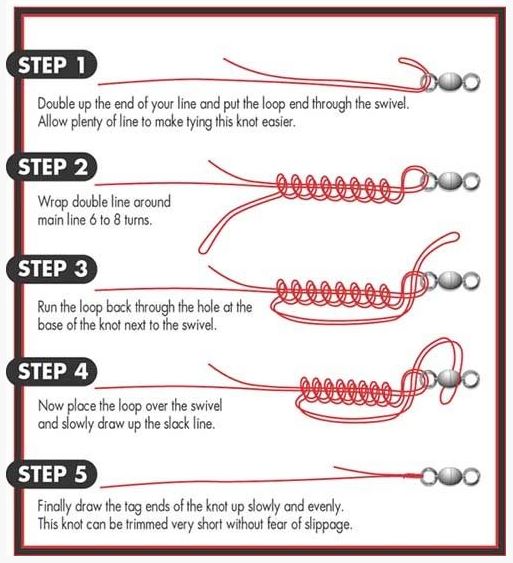
Double Uni Knot For Heavy Lines
The Double Uni knot is strong and works well with heavy lines. It is good for joining line to a hook or leader.
This knot holds firm under pressure. Use it to avoid slipping with thick fishing lines.
- Overlap the hook line and main line.
- Make a loop with each line and wrap the tag ends around the opposite line.
- Pull both lines to snug the knot tight.

Credit: mysterytacklebox.com
Frequently Asked Questions
How Do I Tie A Fishing Hook To The Line?
To tie a fishing hook, use a clinch knot. Thread the line through the hook eye, wrap it around five times, then pass the end through the loop near the eye and tighten. This knot is strong and reliable for most fishing situations.
What Is The Best Knot For Fishing Hooks?
The improved clinch knot is the best for fishing hooks. It provides excellent strength and holds securely. It is easy to tie and works well with most fishing lines, ensuring your hook stays firmly attached during casting and fighting fish.
How Tight Should The Fishing Hook Knot Be?
The knot should be snug but not overly tight. Tighten it firmly to avoid slipping, but avoid damaging the line by pulling too hard. Proper tension ensures the knot holds well and maintains line integrity for effective fishing.
Can I Use Any Fishing Line With Hooks?
Most fishing lines work with hooks, but choose based on fish type. Monofilament, fluorocarbon, and braided lines are common options. Match the line strength and type to your target fish and fishing conditions for optimal performance.
Conclusion
Tying a fishing hook to your line is simple with practice. Use the right knot for a strong hold. Check the line and hook for any damage before fishing. Keep your hands steady and take your time. Soon, this step will feel natural and quick.
Enjoy your fishing trip with confidence and patience. Remember, practice makes fishing easier and more fun.