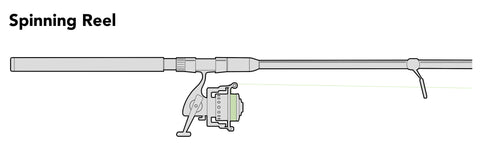
Are you ready to spend more time fishing and less time struggling with your gear? Learning how to string a fishing rod might seem tricky at first, but once you get the hang of it, you’ll save yourself a lot of frustration.
Imagine casting your line smoothly, knowing your rod is set up perfectly for the catch ahead. In this guide, you’ll discover simple, step-by-step instructions that anyone can follow. By the end, you’ll feel confident and ready to tackle the water like a pro.
Keep reading, because mastering this skill will change the way you fish forever.
Choosing The Right Fishing Line
Picking the right fishing line is important for a good fishing experience. The line connects your rod to the hook and bait.
A good line helps you catch fish and keeps your gear working well. Learn about types, strength, and matching lines.
Types Of Fishing Lines
Fishing lines come in several types. Each type has special features for different fishing needs.
- Monofilament:Easy to use and good for beginners. It stretches and is clear in water.
- Fluorocarbon:Less visible underwater. It sinks fast and resists abrasion.
- Braided:Very strong and thin. It has little stretch and lasts a long time.
Line Strength And Thickness
Line strength shows how much weight the line can hold without breaking. Thickness affects casting and fish feeling.
Stronger lines are thicker but harder to cast far. Thinner lines cast better but may break easily.
| Line Strength (Pounds) | Best For |
|---|---|
| 2-6 | Small fish and light tackle |
| 8-12 | Medium fish and general use |
| 15-30 | Large fish and heavy tackle |
Matching Line To Rod And Reel
Use a fishing line that fits your rod and reel. The gear has limits for line strength and thickness.
Check the rod’s label for the recommended line weight. Use a line within that range for best results.
- Light rods work with thin lines for small fish.
- Medium rods need medium strength lines for various fish.
- Heavy rods match thick, strong lines for big fish.

Credit: www.youtube.com
Preparing Your Rod And Reel
Getting ready to string your fishing rod can be simple. Start by inspecting your equipment carefully.
Proper preparation helps ensure a successful fishing trip. Let’s look at the key steps.
Inspecting The Rod Guides
Rod guides must be clean and aligned. They help the line move smoothly.
- Look for any cracks or damage in the guides.
- Ensure the guides are in a straight line.
- Use a soft cloth to clean the guides.
Spooling The Reel
Spooling the reel correctly is important for smooth casting. Follow these tips for success.
- Attach the reel to the rod securely.
- Thread the line through the first guide on the rod.
- Begin winding the line onto the reel, keeping tension on the line.
Checking The Drag System
A well-set drag system prevents line breakage. It helps manage fish resistance.
| Drag Type | Adjustment Method |
| Front Drag | Turn the knob clockwise to tighten |
| Rear Drag | Use the rear dial for adjustments |
Attaching The Line To The Reel
Attaching the fishing line to the reel is the first step in stringing your fishing rod. It keeps the line secure and ready for casting. Doing this right helps avoid line slippage and tangles later.
This guide will show you how to tie the arbor knot and secure the line properly. These steps ensure your line stays firmly attached to the reel spool.
Tying The Arbor Knot
The arbor knot is a simple and strong knot to attach the line to the reel spool. It holds well under pressure and is easy to tie.
Start by passing the line around the reel spool. Tie an overhand knot around the main line, then tie another overhand knot at the line’s tag end. Pull both knots tight to secure.
- Pass line around spool
- Tie an overhand knot around main line
- Tie a second overhand knot at tag end
- Pull both knots tight against spool
Securing The Line Properly
After tying the arbor knot, check that the line is tight against the spool. Loose line can cause slips and tangles.
Trim any extra line close to the knot. Then, hold the line firmly and start winding it evenly onto the spool. Make sure the line lays flat and tight.
- Pull line tight after tying
- Trim excess line near the knot
- Wind line evenly onto the spool
- Keep line flat and tight during winding
Stringing The Line Through Guides
Stringing the line through the guides is a key part of setting up your fishing rod. It helps the line move smoothly when you cast and reel in.
Taking your time and doing it right will make your fishing more enjoyable and efficient.
Starting From The Tip
Begin by threading the line through the tip guide at the end of the rod. This guide is the smallest and farthest from the reel.
Pull the line gently so it runs straight through each guide back toward the reel. Make sure it does not catch or twist.
- Hold the rod steady with one hand
- Feed the line through the tip guide carefully
- Continue threading the line through each guide
- Keep the line tight but not stretched
Ensuring Smooth Line Flow
Check that the line moves freely through all guides. This helps prevent snags and tangles during fishing.
If you feel resistance, adjust the line or guides. Clean the guides if dirt or debris block the line.
- Make sure all guides align properly
- Remove any knots or twists in the line
- Use a soft cloth to clean dirty guides
- Test the line flow by pulling it gently
Spooling The Line Onto The Reel
Spooling the fishing line onto the reel is an important step in setting up your fishing rod. It ensures the line is placed evenly and securely for smooth casting.
Proper spooling helps prevent tangles and improves your fishing experience. Take your time to do it right.
Maintaining Line Tension
Keeping the right tension on the line while spooling is key. Too loose, and the line may tangle. Too tight, and the line can stretch or break.
Hold the line between your fingers to keep steady pressure as you wind it onto the reel. This helps the line lay flat and tight.
- Use your fingers to apply gentle tension
- Keep the line tight but not stretched
- Wind the reel slowly and evenly
- Check the line regularly for loose spots
Avoiding Line Twist
Line twist can cause knots and tangles during casting. It happens if the line spins too much while spooling.
To reduce twist, let the spool of line hang freely and spin naturally. Match the reel’s spinning direction with the spool’s rotation.
- Use a line conditioner if available
- Attach the line to the reel correctly
- Keep the line spool free to spin
- Check for twists by letting the line hang

Credit: wp.webinfinitesolutions.com
Finishing Touches
After threading your fishing line through the guides, the last steps are crucial. These finishing touches ensure your setup works well on the water.
Take time to cut excess line and attach the right leader or tippet. This will help your rig perform smoothly and last longer.
Cutting Excess Line
Trim the extra line after tying your main knot. Leaving too much line can cause tangles and reduce casting accuracy.
- Use sharp scissors or line cutters for a clean cut
- Leave about 1/8 inch of tag end to avoid knot slipping
- Check for any loose ends that could catch on guides
- Make sure the cut end is neat to prevent fraying
Tying The Leader Or Tippet
The leader or tippet connects your main line to the hook or lure. It helps present bait naturally and reduces line visibility.
| Leader Type | Use | Material |
|---|---|---|
| Monofilament | General fishing | Soft, stretchy nylon |
| Fluorocarbon | Clear water fishing | Invisible under water |
| Tippet | Fly fishing | Thin, light nylon or fluorocarbon |
Tie the leader or tippet with a strong knot like the improved clinch or loop knot. Make sure knots are tight and wet before pulling them firm.
Common Mistakes To Avoid
Stringing a fishing rod seems easy but many beginners make mistakes. These errors can cause problems while fishing.
Knowing what to avoid helps you get better results and enjoy your fishing trips more.
Overfilling The Spool
Putting too much line on the spool causes tangles and knots. This makes casting harder and can break the line.
Leave some space on the spool to avoid these issues. The line should be about 1/8 inch below the spool edge.
- Overfilling leads to line slipping off the spool
- Too much line can cause bird’s nests when casting
- Proper fill helps smooth casting and reduces line damage
Ignoring Line Damage
Using damaged line weakens your setup and causes breaks. Check the line for nicks, cuts, or frays before stringing.
Replace any worn or broken line to avoid losing fish or gear while fishing.
- Damaged line reduces strength and reliability
- Small cuts can grow under pressure
- Regularly inspect and change line as needed
Poor Knot Tying
Tying knots incorrectly causes them to slip or break. Learn simple, strong knots to keep your line secure.
Practice knots like the improved clinch knot or Palomar knot for better results.
- Weak knots lead to lost fish
- Wet the line before tightening knots
- Trim excess tag ends close to the knot

Credit: www.youtube.com
Frequently Asked Questions
How Do I Choose The Right Fishing Line?
Choose a fishing line based on your target fish species and fishing environment. Consider line strength, material, and thickness. Monofilament is versatile, fluorocarbon is nearly invisible, and braided lines offer high strength. Match the line to your rod and reel for best performance.
What Is The Best Way To Tie A Fishing Line?
The Improved Clinch Knot is the most reliable for tying fishing lines. It’s easy to learn and strong. Thread the line through the hook eye, wrap it around five times, then pass the end through the loop and pull tight.
Always wet the knot before tightening.
How Do I Thread A Fishing Rod Properly?
Start by pulling the line through the rod guides from the tip to the reel seat. Attach the line securely to the reel spool. Ensure the line runs smoothly without tangles. This setup improves casting accuracy and prevents line damage.
When Should I Replace My Fishing Line?
Replace your fishing line after every few trips or if you notice frays, nicks, or discoloration. UV rays, saltwater, and abrasion weaken lines over time. Regular replacement ensures optimal strength and prevents unexpected line breaks.
Conclusion
Stringing a fishing rod takes practice but is quite simple. Follow the steps carefully and take your time. Check the line tension and make sure the knots are tight. A well-strung rod helps you fish better and enjoy more. Try it yourself and see the difference.
Keep your gear ready for the next fishing trip. Fishing becomes more fun when your rod is set up right. Give it a try today!