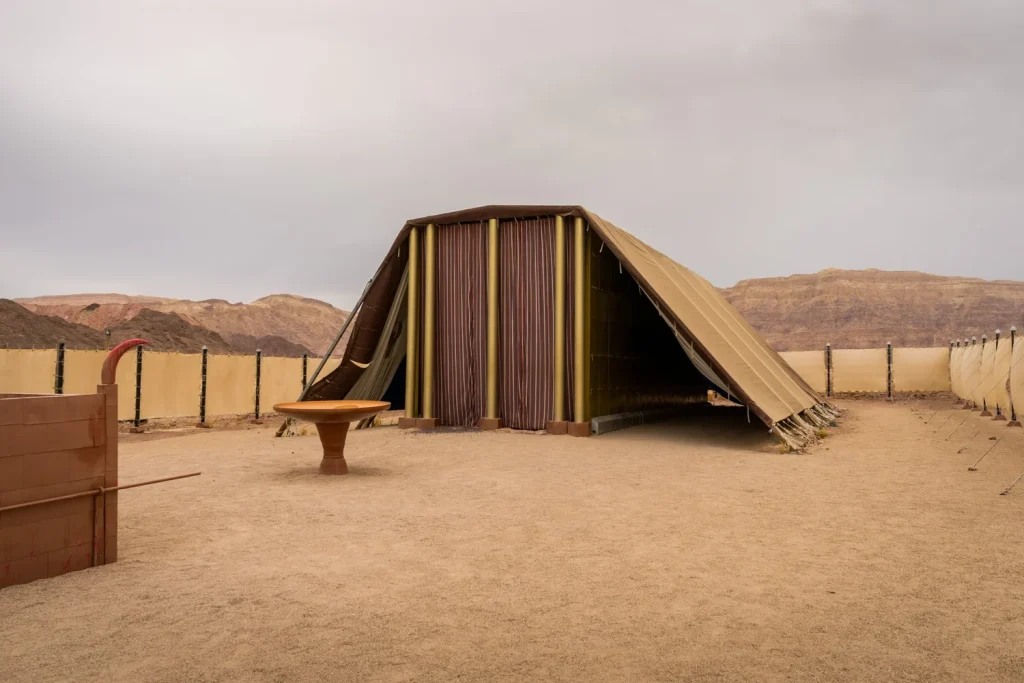
Have you ever wondered what the Tent of Meeting really was and why it mattered so much? This mysterious place holds a key part of ancient stories that shaped beliefs and traditions.
Understanding the Tent of Meeting can give you a fresh perspective on history and faith. If you want to uncover its purpose and meaning, keep reading—you’re about to discover something truly fascinating.
Origin And Construction
The Tent of Meeting was a sacred place for the ancient Israelites. It served as a meeting point between God and His people.
This tent was made according to specific instructions given to Moses. It symbolized God’s presence during the journey in the desert.
Materials Used
The Tent of Meeting was built using special materials that were carefully chosen. These materials showed the importance of the tent.
- Linen cloth dyed blue, purple, and scarlet
- Goat hair for the outer covering
- Ram skins dyed red
- Fine leather for the outermost covering
- Acacia wood for the framework
- Gold, silver, and bronze for decoration and fittings
Design And Structure
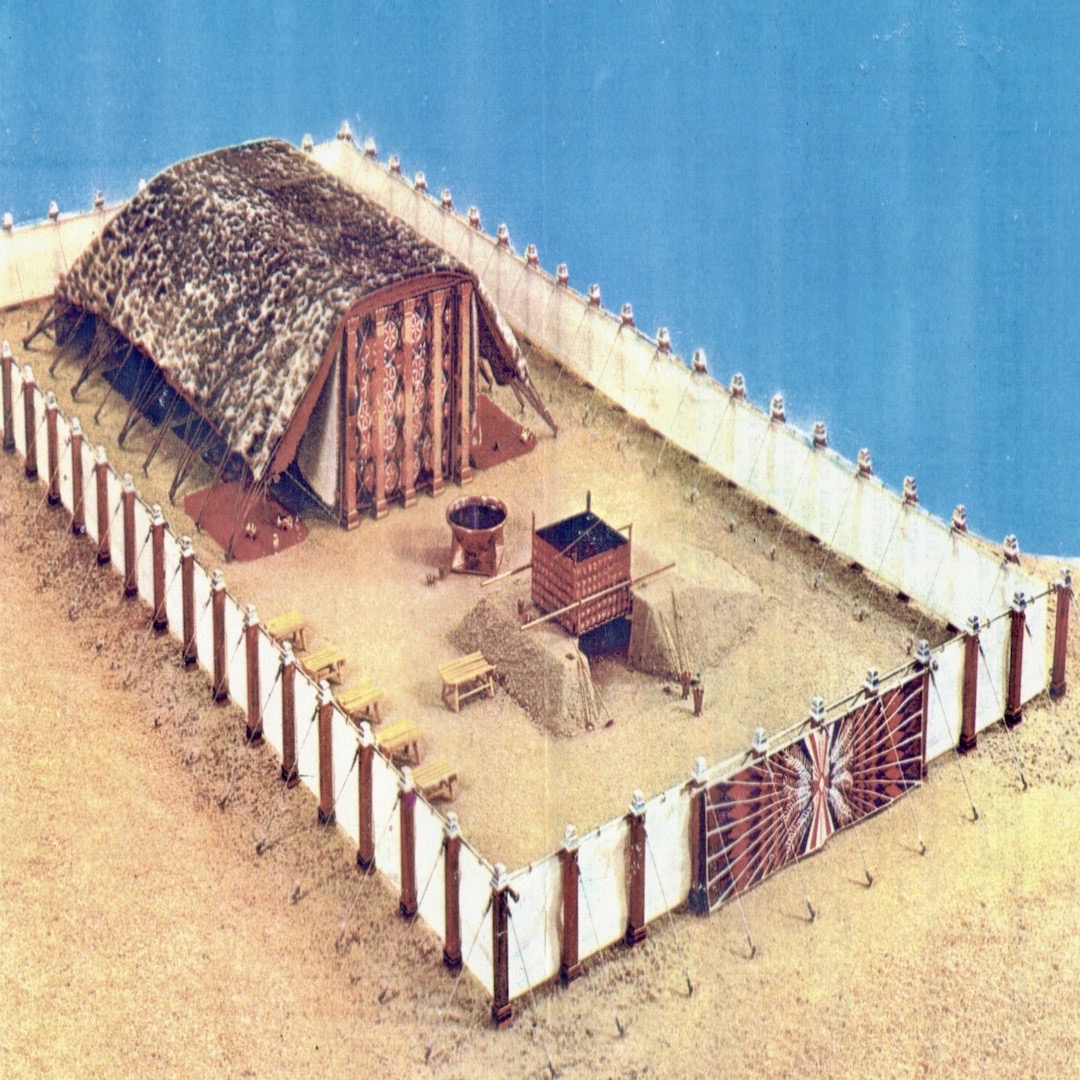
The tent was rectangular and divided into two main parts. One part was called the Holy Place, and the other was the Most Holy Place.
| Part | Description | Purpose |
| Outer Court | Large open area surrounded by curtains | Place for sacrifices and worship |
| Holy Place | Inner room with special furniture | Held the lampstand, table, and altar of incense |
| Most Holy Place | Inner sanctuary separated by a veil | Contained the Ark of the Covenant |
Symbolism In Architecture
Every part of the tent had deep meaning. It showed God’s holiness and His closeness to His people.
- The veil represented the separation between God and humans.
- The Ark of the Covenant symbolized God’s throne on earth.
- The gold decorations stood for purity and divinity.
- The colors of cloth showed royalty, sacrifice, and divinity.
- The tent’s movable nature symbolized God’s guidance during travel.
Credit: craigtowens.com
Role In Ancient Worship
The Tent of Meeting was a key part of ancient worship. It was a sacred place where people connected with the divine. This tent was central to the spiritual life of the community.
People gathered there to seek guidance and offer prayers. It was a portable sanctuary that moved with the people, ensuring that worship continued wherever they went.
Place For Divine Encounters
The Tent of Meeting served as a special place for divine encounters. Here, individuals believed they were closer to their god. It was a place of deep spiritual significance.
- People sought answers to their prayers
- Leaders received guidance for their community
- It was a space for spiritual renewal
Priestly Duties
The priests had important roles in the Tent of Meeting. They performed rituals and ensured that the sacred space was maintained. Their duties were vital for the community’s spiritual health.
Priests also acted as intermediaries between the people and their god. They offered sacrifices and performed purification rites.
Ritual Practices
Rituals at the Tent of Meeting included offerings and sacrifices. These practices were essential for maintaining a connection with the divine. They followed specific guidelines to ensure they were performed correctly.
| Ritual | Purpose |
| Burnt Offerings | Atonement for sins |
| Peace Offerings | Thanksgiving |
| Grain Offerings | Honor and devotion |
Sacred Objects Inside
The Tent of Meeting was the holy place where God met with Moses and the Israelites. Inside, it held sacred objects used in worship and rituals.
These objects symbolized God’s presence and guided the people in their faith and daily life.
Ark Of The Covenant
The Ark of the Covenant was a gold-covered wooden chest. It held the stone tablets of the Ten Commandments. It also represented God’s throne on earth.
Altar And Lampstand
The altar was used for burning incense and offerings to God. The lampstand, made of pure gold, held seven lamps. It symbolized light and guidance for the people.
- Altar for burning sacrifices
- Lampstand with seven oil lamps
- Light to shine in the holy place
Table Of Showbread
The Table of Showbread held twelve loaves of bread. These represented the twelve tribes of Israel. The bread was replaced every Sabbath as a sign of God’s provision.
| Object | Meaning |
| Ark of the Covenant | God’s presence and the law |
| Altar | Offerings and prayers |
| Lampstand | Light and guidance |
| Table of Showbread | God’s provision for the tribes |

Credit: www.coffeeandabible.com
Spiritual Significance
The Tent of Meeting was a sacred place in ancient times. It held deep spiritual meaning for the people. It was a place where they felt close to God.
This tent was more than a shelter. It was a symbol of God’s presence, a place of communication, and a sign of holiness.
God’s Presence Among People
The Tent of Meeting showed that God lived among his people. It was where God’s presence was felt strongly. People came there to meet with God and seek guidance.
The cloud and fire above the tent symbolized God’s power and protection. This reminded the people that God was always near, watching over them.
Covenant And Communication
The tent was a meeting place for God and the leaders of Israel. It was where they made promises, called a covenant. This helped keep their relationship strong.
- God gave laws and instructions through Moses.
- The people could ask for forgiveness and help.
- Leaders received wisdom for guiding the community.
The Tent of Meeting was a place to hear God’s voice. It helped the people stay close to Him through clear communication.
Symbol Of Holiness
The tent showed that God is holy. It was set apart from ordinary places. Only certain people could enter, showing respect for God’s purity.
| Feature | Meaning |
|---|---|
| Golden Ark | God’s sacred presence |
| Altar of Sacrifice | Forgiveness and worship |
| Holy of Holies | God’s most holy place |
| Curtains and Coverings | Separation from sin |
Legacy And Influence
The Tent of Meeting was a sacred place in ancient Israel. It held great meaning for the people and leaders. Its legacy still affects faith and worship today.
This special tent was more than a simple shelter. It was a symbol of God’s presence and guidance for His people.
Impact On Later Religious Structures
The Tent of Meeting influenced how later religious buildings were designed. Many traditions and designs came from its layout and purpose.
- It inspired the design of the Temple in Jerusalem.
- Its portable nature showed the importance of worship on the move.
- The use of sacred spaces for prayer and sacrifice grew from its example.
- Elements like the altar and lampstand were carried forward.
References In Scripture
The Tent of Meeting appears many times in the Bible. It shows the close relationship between God and the Israelites.
| Book | Reference | Meaning |
|---|---|---|
| Exodus | Exodus 25:8-9 | Instructions for building the Tent |
| Leviticus | Leviticus 1:1 | God speaks to Moses at the Tent |
| Numbers | Numbers 7:89 | God’s presence in the Tent guides the people |
Modern Interpretations
Today, the Tent of Meeting is seen as a symbol of God’s presence with His people. Many faith groups reflect on its meaning in worship.
Modern lessons from the Tent of Meeting include:
- God’s presence is not limited to one place.
- Faith can be carried wherever we go.
- Community worship is central to spiritual life.
- The importance of sacred space and ritual.

Credit: medium.com
Frequently Asked Questions
What Was The Tent Of Meeting In The Bible?
The Tent of Meeting was a portable sanctuary used by the Israelites. It served as a place where God met Moses and the people. It housed the Ark of the Covenant and was central to worship during their desert journey.
Why Was The Tent Of Meeting Important To Israelites?
The Tent of Meeting was crucial for worship and communication with God. It symbolized God’s presence among His people. It was where priests performed rituals and where Moses received divine instructions.
How Did The Tent Of Meeting Function In Worship?
The Tent of Meeting functioned as a sacred space for sacrifices and prayers. Priests conducted ceremonies there, and it held holy objects. It was a focal point for Israelite religious life during their travels.
Where Was The Tent Of Meeting Located During Travels?
The Tent of Meeting was set up outside the Israelite camp. It was placed in a central position, allowing all people access. This location emphasized its importance as a gathering and worship site.
Conclusion
The Tent of Meeting was more than just a place. It served as a special space for people to connect with God. It showed the importance of faith and guidance in ancient times. This tent symbolized hope, worship, and community for many.
Understanding its role helps us learn about history and beliefs. It reminds us about the value of coming together and seeking answers. The story of the Tent of Meeting still inspires today. It teaches lessons about trust, leadership, and devotion.
A simple tent with a deep meaning.