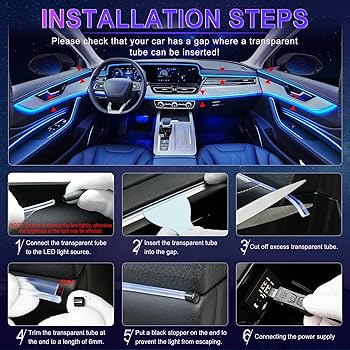
Are you ready to give your car a fresh, modern look that turns heads wherever you go? Adding LED lights to your car is one of the easiest and most exciting upgrades you can make.
Imagine cruising down the street with vibrant, custom lighting that reflects your style and makes your ride stand out. But how do you get started? This guide will walk you through every step, making the process simple and stress-free. By the end, you’ll know exactly how to install LED lights in your car like a pro—no confusion, no guesswork.
Keep reading, and transform your car into a glowing masterpiece!
Choosing The Right Led Lights
Adding LED lights to your car can improve its look and visibility. Picking the right LED lights is important for safety and style.
There are many options for LED lights. You should know the types, brightness, colors, and quality before buying.
Types Of Led Lights For Cars
Cars use different LED lights for many purposes. Some are for headlights, others for interior or accent lighting.
- Headlight LEDs: Bright lights for night driving
- Fog Light LEDs: Help see in foggy or rainy weather
- Strip LEDs: Flexible lights for decoration or undercarriage
- Interior LEDs: Lights inside the car for better visibility
- Brake and Tail LEDs: Signals to other drivers
Brightness And Color Options
Brightness is measured in lumens. Higher lumens mean brighter lights. Choose brightness based on your needs and local rules.
LED colors range from white to blue, red, and more. White is common for headlights. Red is used for brake lights.
- Cool white: Clear and bright, good for headlights
- Warm white: Softer light, good for interiors
- Red and amber: Used for signals and brake lights
- Blue and green: Mostly for decorative purposes
Quality And Durability Factors
Good quality LED lights last longer and work better. Look for lights with strong materials and good design.
Check if the lights are waterproof and heat resistant. These features help lights survive weather and long use.
- High-quality chips for bright and stable light
- Good heat sinks to prevent overheating
- Waterproof rating like IP65 or higher
- Durable casing to protect from damage

Credit: www.chevymalibuforum.com
Gathering Necessary Tools
Installing LED lights in your car can be fun and rewarding. You need the right tools for a smooth process.
Prepare all the required tools before you start. This saves time and ensures you don’t get stuck midway.
Basic Installation Tools
Basic tools are essential for any LED light installation in your car. They help with the setup and wiring.
- Screwdrivers for securing lights
- Wire cutters to trim excess wiring
- Electrical tape for securing connections
- Voltage tester to ensure safe wiring
Safety Gear
Safety gear protects you while working on your car. It is important to avoid any accidents or injuries.
- Safety goggles to protect your eyes
- Work gloves to keep your hands safe
- Non-slip shoes for better grip
Optional Accessories
Optional accessories make the installation easier and enhance the final look. These are not necessary but can be helpful.
- Zip ties for organizing wires
- LED light remote control for easy adjustments
- Wire connectors for secure connections
Preparing The Car
Before installing LED lights in your car, you need to prepare the vehicle properly. This will help ensure a safe and clean installation.
Preparation includes cleaning the area, disconnecting the power, and planning where the lights will go.
Cleaning The Installation Area
Clean the surfaces where you will place the LED strips or lights. Dirt and dust can stop the lights from sticking well.
- Use a mild cleaner or rubbing alcohol
- Wipe the area with a clean cloth
- Let the surface dry completely
- Remove any grease or oil spots
Disconnecting The Battery
Disconnect the car battery to avoid any electrical shocks or short circuits while installing the lights. This keeps you safe and protects the car’s electronics.
| Step | Action |
| 1 | Turn off the car ignition |
| 2 | Locate the negative battery terminal |
| 3 | Use a wrench to loosen the terminal clamp |
| 4 | Remove the cable from the terminal |
| 5 | Keep the cable away from the battery |
Planning The Layout
Decide where you want to place the LED lights before you start. This helps you measure and avoid mistakes.
- Check power source locations
- Measure the length of light strips needed
- Avoid areas with moving parts or heat
- Mark the spots lightly with a pencil
- Plan the wire routes for a clean look
Installing Interior Led Lights
Adding LED lights inside your car can make the interior look cool and modern. It also helps you see better at night.
This guide will show you how to install interior LED lights step by step. You will learn how to mount strips, connect wires, and test the lights.
Mounting Led Strips
First, clean the surfaces where you want to put the LED strips. Dirt can stop the strips from sticking well.
Use the adhesive on the back of the LED strips to stick them in place. Press firmly and hold for a few seconds.
- Choose flat, dry areas like under the dashboard or along the door panels.
- Measure the length you need before cutting the strips.
- Cut the strips only at marked points to avoid damage.
- Avoid placing strips near airbags or moving parts.
Wiring And Connections
Next, connect the LED strips to the power source. Usually, this is the car’s 12V battery or fuse box.
Use proper connectors and wires. Make sure to match positive and negative terminals correctly.
- Use wire taps or fuse taps for safe connections.
- Secure wires with zip ties to avoid loose hanging.
- Connect the positive wire to a switched power source so lights turn on with the car.
- Ground the negative wire to the car’s metal frame.
Testing The Setup
After wiring, test the LED lights before finalizing the installation. This ensures everything works correctly.
Turn on the car and check if all LED strips light up evenly. Look for flickering or dim spots.
- If some strips do not light, check the wiring connections again.
- Make sure the fuse is not blown.
- Adjust the position of the strips if needed.
- Once tested, secure all wires and cover them to keep the car neat.
Installing Exterior Led Lights
Adding LED lights to your car’s exterior can improve visibility and style. This guide covers how to install them properly.
Focus on placement, securing the lights, and making sure they resist weather damage.
Placement Options
Choose spots that show the lights well and do not block the driver’s view. Common places include:
- Under the front bumper
- Along the side skirts
- Near the rear license plate
- Inside the wheel wells
Securing The Lights
Keep your LED lights firmly in place to avoid damage. Use these methods:
- Clean the surface before installation
- Use strong double-sided tape or mounting brackets
- Secure wiring with zip ties to prevent movement
- Check tightness after a few days of driving
Ensuring Weatherproofing
Protect your LED lights from rain, dust, and heat. Follow these tips:
| Task | Details |
|---|---|
| Seal connections | Use waterproof connectors and electrical tape |
| Use silicone | Apply silicone around light edges to block water |
| Check IP rating | Select lights with IP67 or higher for water resistance |
| Inspect regularly | Look for cracks or loose seals and fix them |
Connecting To Power Source
Installing LED lights in a car needs a reliable power source. Proper connection ensures the lights work well and safely. This guide covers ways to connect LED lights to your car’s power.
Choose a method that fits your car’s wiring and your skill level. Always keep safety in mind while working with electrical parts.
Using Fuse Tap Or Direct Wiring
A fuse tap lets you connect LED lights without cutting factory wiring. It taps into an existing fuse slot to draw power safely. Direct wiring means connecting wires straight to the battery or fuse box.
- Fuse tap protects your car’s circuit by using a fuse
- Direct wiring gives a strong, constant power source
- Fuse taps are easier to remove or change
- Use insulated connectors to avoid shorts
- Always match fuse rating with LED light requirements
Integrating With Car’s Electrical System
Connecting LED lights to your car’s electrical system needs care. Identify the correct wires, usually the parking lights or ignition wires. Use a multimeter to check voltage and polarity before connecting.
| Wire Type | Purpose | Connection Tip |
| Parking Light Wire | Power with ignition on | Use fuse tap for safe connection |
| Battery Positive | Constant power source | Add inline fuse for protection |
| Ground Wire | Complete electrical circuit | Connect to clean metal surface |
Safety Precautions
Handling car electrical systems requires safety. Follow these precautions to avoid damage or injury.
- Disconnect the car battery before starting work
- Use fuses to protect circuits from overload
- Avoid loose connections and exposed wires
- Wear insulated gloves when possible
- Test connections with a multimeter before finalizing
- Keep flammable materials away from wiring areas
Customizing Light Settings
Adding LED lights to your car lets you create a unique look. You can change the light settings to match your style or mood.
Customizing these lights is easy with modern tools. You can control brightness, colors, and effects in different ways.
Remote Controls And Apps
Many LED kits come with remote controls. You use them to turn lights on or off and change colors quickly.
Some systems connect to apps on your phone. These apps offer more options to customize your lights.
- Remote controls allow simple changes without a phone
- Apps provide detailed color and pattern settings
- Apps may let you save favorite light setups
Adjusting Brightness And Colors
You can set the brightness of your LED lights to be soft or strong. Adjusting brightness helps you avoid glare.
Choose colors that fit your mood or match your car’s interior. Many kits offer millions of colors to pick from.
- Lower brightness for calm, subtle lighting
- Higher brightness for a bold, bright look
- Pick colors like blue, red, green, or white
- Use color-changing modes for variety
Syncing With Music Or Driving Modes
Some LED lights can sync with your music. The lights change colors or flash with the beat.
Other systems connect to your driving modes. Lights adjust based on speed or driving conditions.
- Music sync makes lights flash with songs
- Driving mode sync changes light effects for safety
- Syncing adds fun and function to your car lighting

Credit: www.youtube.com
Troubleshooting Common Issues
Installing LED lights in your car can make it look great. Sometimes, problems may happen. Troubleshooting helps fix these common issues fast.
Look at the problems carefully and try simple fixes. This guide covers flickering lights, wiring issues, and bad parts.
Fixing Flickering Lights
Flickering LED lights often mean power is unstable. Check if the lights blink or flash on and off.
Loose connections or a weak power source can cause flickering. Make sure all plugs are tight and wires are secure.
- Inspect the LED bulbs for damage.
- Tighten all electrical connections.
- Test the car battery voltage.
- Use a resistor if the LED needs one.
Resolving Wiring Problems
Bad wiring can stop LED lights from working well. Look for broken wires or loose plugs under the dashboard or near the lights.
Use a multimeter to check if power flows through the wires. Replace any wires that are cut, frayed, or burnt.
- Trace wires from the battery to the LED lights.
- Look for worn or exposed wires.
- Secure any loose wire connectors.
- Replace damaged wires with proper gauge wire.
Replacing Faulty Components
Sometimes LED lights or parts like fuses and switches fail. Check each component to find the bad one.
Replace any broken bulbs, blown fuses, or faulty switches with new parts that fit your car.
- Test LED bulbs with a battery to see if they light up.
- Check fuses and replace any that are blown.
- Swap out switches if lights do not turn on.
- Use parts made for automotive use only.
Maintenance Tips For Led Lights
LED lights in your car need care to work well. Regular maintenance helps keep them bright and lasting longer.
This guide covers simple tips to clean, inspect, and extend the life of your LED lights.
Cleaning And Care
Keep LED lights clean to avoid dullness. Use a soft cloth and mild cleaner. Avoid harsh chemicals that can damage the light cover.
- Turn off lights before cleaning
- Use a damp microfiber cloth
- Wipe gently to remove dirt and dust
- Dry lights fully after cleaning
- Check for cracks or damage to the cover
Regular Inspections
Check LED lights often to catch issues early. Look for flickering, dim spots, or failure to light up.
| Inspection Item | What to Look For | Action Needed |
| Light Brightness | Is the light dim or uneven? | Clean or replace bulb |
| Light Cover | Any cracks or cloudiness? | Replace cover to protect LEDs |
| Wiring | Loose or damaged wires? | Secure or repair wiring |
| Switch Operation | Does the light turn on/off smoothly? | Check switch or connection |
Extending Led Lifespan
Follow these tips to help your LED lights last longer and avoid early failures.
- Use LEDs with the right voltage for your car
- Avoid leaving lights on when the engine is off
- Protect lights from water and moisture
- Keep the electrical system in good condition
- Replace old or worn parts quickly

Credit: www.youtube.com
Frequently Asked Questions
How Do I Install Led Lights In A Car Interior?
To install LED lights inside your car, first disconnect the battery. Then, choose a power source like the fuse box or cigarette lighter. Mount the LEDs securely, connect the wires, and test the lights before finalizing the setup.
Can Led Lights Drain My Car Battery?
LED lights use very low power, so they rarely drain a car battery. However, leaving them on for extended periods without the engine running can reduce battery life. Always turn off LED lights when the car is off to avoid battery drain.
Are Led Light Kits Compatible With All Car Models?
Most LED light kits are designed to fit a wide range of vehicles. However, compatibility depends on your car’s wiring and interior space. Always check product specifications and consult your car manual before purchasing an LED kit.
What Tools Are Needed To Install Car Led Lights?
Basic tools include wire strippers, electrical tape, a screwdriver, and a multimeter. You may also need zip ties and connectors for secure wiring. Having these tools ensures a safe and efficient LED light installation.
Conclusion
Adding LED lights to your car can brighten up your ride. It also adds a cool look without much effort. Take your time to follow each step carefully. Check all connections to avoid any problems. Choose the right LED strips for your car model.
Safety matters, so do not rush the job. Enjoy the new style and improved visibility. Simple upgrades like this can make driving more fun. Try it yourself and see the difference today.