Have you ever wondered why your air conditioner turns off by itself just when you need it the most? It’s frustrating, especially on hot days when you expect cool air nonstop.
You might feel confused or worried about what’s wrong with your unit. But don’t worry—understanding the common reasons behind this problem can help you fix it quickly and avoid future discomfort. Keep reading to discover why your air conditioner might be shutting off and how you can make it work smoothly again.
Common Causes Of Ac Shutdown
Air conditioners can turn off by themselves for many reasons. Knowing these causes helps you fix the problem fast.
Some issues are easy to spot, while others need a closer look. Here are common reasons why your AC stops working.
Thermostat Issues
A faulty thermostat can cause your AC to turn off unexpectedly. The thermostat controls the temperature and signals the AC to run.
If the thermostat is not working right, it might send wrong signals. This can make the AC shut down or not start at all.
- Thermostat batteries may be dead
- Incorrect thermostat settings
- Loose wiring or poor connection
- Thermostat sensor problems
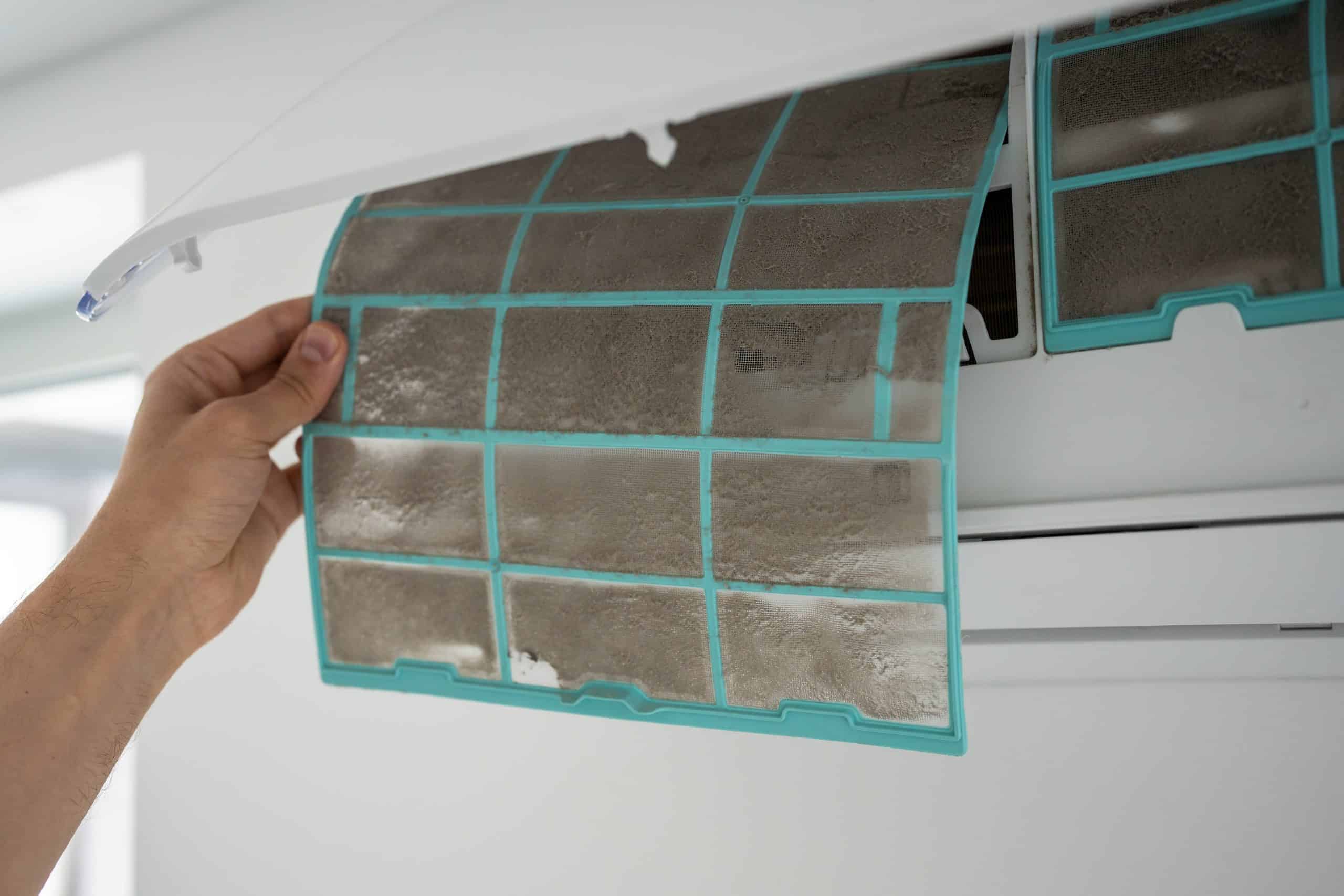
Dirty Air Filters
Dirty air filters block airflow and make the AC work harder. This can cause the system to shut off to protect itself.
Regular cleaning or changing of filters keeps your AC running smoothly and prevents shutdowns.
- Filters clogged with dust and dirt
- Reduced air circulation
- Increased pressure on AC parts
- Possible freeze-up of coils
Overheating Components
Overheating parts inside the AC can cause it to turn off. The system shuts down to avoid damage.
Common causes of overheating include dirty coils, low refrigerant, and failing motors or compressors.
- Blocked condenser coils
- Low refrigerant levels
- Faulty fan motor
- Compressor overheating
Credit: www.hurlimanheating.com
Electrical Problems
Your air conditioner might turn off by itself due to electrical issues. These problems can disrupt the power supply, causing the unit to stop. Understanding these issues can help identify the cause.
Electrical problems are common in air conditioning systems. Fixing them ensures your AC works efficiently.
Faulty Wiring
Wiring problems can cause your air conditioner to turn off unexpectedly. Damaged wires might interrupt the power flow, leading to shutdowns.
If the wiring is old or frayed, it can cause serious issues. It’s important to check the wiring condition regularly.
- Old wires can be brittle and break easily
- Loose connections might cause intermittent power loss
- Rodents can chew on wires, causing damage
Tripped Circuit Breaker
A circuit breaker protects your home’s electrical system. It shuts off power if the circuit is overloaded. If it trips, your AC will stop working.
Regularly check your circuit breaker if your air conditioner turns off. Resetting it might solve the problem.
| Causes of a Tripped Breaker | Solutions |
| Overloaded circuits | Unplug some devices |
| Short circuits | Call a professional |
| Faulty breaker | Replace the breaker |
Capacitor Failures
Capacitors store energy for your air conditioner. They help the motor start and run. If they fail, your unit might shut off.
When a capacitor fails, it might make a clicking noise. It can also cause the AC to struggle when starting.
- Bulging capacitors indicate failure
- Leaking capacitors need replacement
- Regular maintenance can prevent issues
Refrigerant Concerns
Your air conditioner uses refrigerant to cool the air. If there are problems with refrigerant, the AC might turn off by itself.
Understanding refrigerant issues helps you know why your AC stops working suddenly.
Low Refrigerant Levels
When refrigerant levels drop, the AC cannot cool properly. The system senses this and may shut off to avoid damage.
Low refrigerant also makes the compressor work harder. This can cause overheating and automatic shutdown.
- Reduced cooling performance
- Increased energy use
- Possible compressor damage
- System shuts off to protect parts
Leaks In The System
Leaks let refrigerant escape from the AC system. This lowers refrigerant levels and harms the cooling process.
Leaks may cause the AC to turn off to prevent further damage. Finding and fixing leaks is important.
- Signs include hissing sounds or oily spots
- Leaks reduce cooling efficiency
- System may stop working suddenly
- Professional repair is needed

Credit: sewellelectric.com
Sensor And Control Malfunctions
Air conditioners rely on sensors and control boards to work properly. When these parts fail, the system may turn off by itself. This can cause discomfort and energy waste.
Understanding sensor and control malfunctions helps in identifying the problem. Two common issues are faulty temperature sensors and control board problems.
Faulty Temperature Sensors
Temperature sensors tell the air conditioner when to cool or stop. If a sensor is broken or dirty, it can send wrong signals. This may cause the unit to shut off unexpectedly.
- Sensor detects wrong room temperature
- Unit thinks the desired temperature is reached
- System stops cooling too soon
- Frequent turning off and on
Control Board Issues
The control board acts like the brain of the air conditioner. It manages all functions and signals from sensors. A damaged control board may cause random shutdowns.
| Control Board Problem | Effect on Air Conditioner |
| Short circuits | Unexpected power loss |
| Loose connections | Intermittent operation |
| Burnt components | Complete system failure |
| Software glitches | Wrong signals to sensors |
Environmental Factors
Your air conditioner may turn off by itself due to outside conditions. Environmental factors can affect its performance.
Understanding these factors can help you prevent your AC from shutting down unexpectedly.
Extreme Outdoor Temperatures
Very hot or very cold weather can cause your air conditioner to turn off. The system works harder in extreme heat, which may trigger safety shutdowns.
Cold temperatures can cause the unit to freeze or stop working to protect itself. These conditions make it hard for the AC to run continuously.
- High heat can cause overheating
- Low temperatures may freeze components
- System may shut off to avoid damage
Blocked Airflow Around Unit
Blocked airflow can cause your air conditioner to stop working. Leaves, dirt, or objects near the unit reduce air circulation.
Poor airflow makes the system overheat and shut off to protect itself. Keeping the area clear helps the AC run smoothly.
- Remove debris around the unit
- Keep plants trimmed back
- Ensure vents are not blocked
- Check filters regularly
Maintenance Tips To Prevent Shutdowns
Air conditioners can turn off by themselves if they are not well maintained. Regular upkeep helps keep your unit running smoothly and avoids sudden shutdowns.
Follow simple maintenance tips to keep your air conditioner working efficiently all season long.
Regular Filter Cleaning
Dirty filters block airflow and make your air conditioner work harder. This can cause the system to overheat and shut down.
- Check your filters every month during heavy use.
- Clean or replace filters if they look dirty or clogged.
- Use the right size and type of filter for your unit.
- Regular filter care improves air quality and system lifespan.
Scheduled Professional Inspections
Technicians can find small problems before they cause shutdowns. They check refrigerant levels, electrical parts, and system controls.
| Inspection Task | Purpose | Frequency |
| Check refrigerant levels | Ensure proper cooling | Yearly |
| Inspect electrical connections | Prevent shorts and failures | Yearly |
| Clean coils and drain lines | Maintain efficiency | Yearly |
Keeping Outdoor Unit Clear
Outdoor units need space to breathe. Dirt, leaves, and debris around the unit can block airflow and cause overheating.
- Remove leaves, grass, and dirt from around the unit.
- Trim plants and bushes at least two feet away.
- Keep the area clean and dry to avoid rust and damage.
- Check the unit regularly, especially after storms.

Credit: www.angi.com
Frequently Asked Questions
Why Does My Air Conditioner Keep Shutting Off?
Your air conditioner may shut off due to overheating, dirty filters, or electrical issues. Regular maintenance prevents these problems and ensures smooth operation.
Can A Faulty Thermostat Cause Ac To Turn Off?
Yes, a malfunctioning thermostat can send incorrect signals, causing the AC to turn off unexpectedly. Replacing or recalibrating it often solves this issue.
Does A Clogged Air Filter Affect Ac Performance?
A clogged air filter restricts airflow, causing the AC to overheat and shut down. Cleaning or replacing filters improves efficiency and prevents shutdowns.
Is Low Refrigerant Responsible For Ac Turning Off?
Low refrigerant levels cause the AC to freeze and shut off to protect the system. A professional recharge can restore proper cooling and function.
Conclusion
Your air conditioner turning off by itself can be frustrating. Common causes include dirty filters, thermostat issues, or electrical problems. Regular maintenance helps keep your AC running smoothly. Watch for warning signs early to avoid bigger repairs. Simple fixes might solve the problem quickly.
Stay aware of how your unit behaves daily. Taking care of your AC saves energy and money. Don’t wait too long to check or fix issues. Keep your home cool and comfortable all year.