
Have you ever noticed a strange buzz or drone coming from your car’s exhaust? That sound might be more than just noise—it could be your exhaust system’s resonator at work.
But what exactly is a resonator, and why does it matter for your vehicle? Understanding this small but important part can help you enjoy a smoother, quieter ride and even improve your car’s performance. Keep reading to discover how a resonator works and why it might be the key to transforming your driving experience.
Resonator Basics
A resonator is part of a car’s exhaust system. It helps control the sound of the exhaust gases.
Resonators work with mufflers to reduce noise and improve how the engine sounds.
Role In Exhaust Systems
The resonator changes the sound waves from the engine. It makes the exhaust noise smoother and less harsh.
It also helps reduce certain annoying sounds like droning at specific engine speeds.
- Softens exhaust noise
- Works with muffler to reduce sound
- Prevents droning sounds
- Improves overall sound quality
How Resonators Work
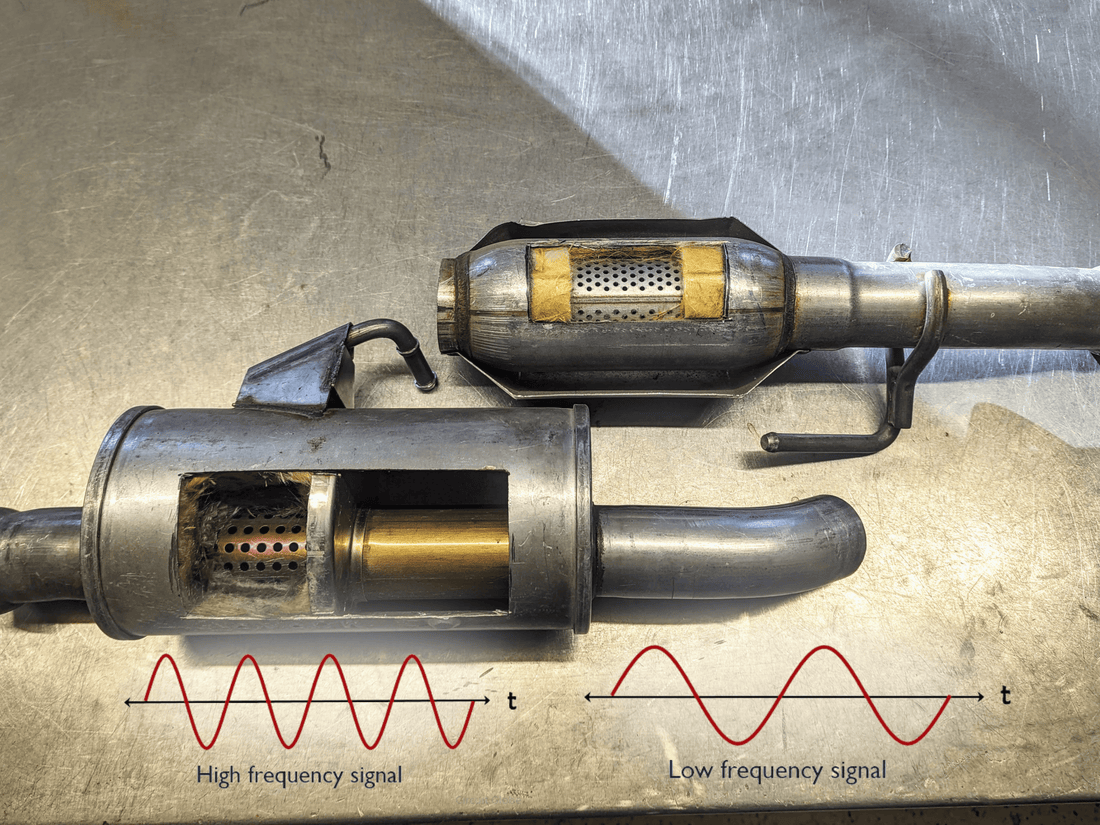
Resonators use sound waves to cancel out noise. Inside, there are chambers or tubes tuned to certain frequencies.
When sound waves enter, the resonator reflects some waves back to reduce noise. This lowers specific sound frequencies.
| Resonator Function | Effect on Sound |
|---|---|
| Reflects sound waves | Reduces harsh noise |
| Tuned chambers | Targets specific frequencies |
| Works with muffler | Creates smooth exhaust sound |
Types Of Resonators
Resonators are parts of an exhaust system that help control sound and improve performance. Different types of resonators work in various ways to reduce noise and smooth airflow.
Here are some common types of resonators found in exhaust systems.
Glasspack Resonators
Glasspack resonators have a straight pipe with sound-absorbing material inside. This design helps reduce noise by absorbing sound waves while allowing gases to flow freely.
This type of resonator is simple and often used in performance exhausts for a deeper sound.
Chambered Resonators
Chambered resonators use internal chambers to reflect and cancel out sound waves. These chambers are shaped to target specific noise frequencies and reduce them effectively.
- Chambers create sound wave interference
- Reduce harsh engine noises
- Improve exhaust flow balance
- Can be tuned for specific sounds
Helmholtz Resonators
Helmholtz resonators use a cavity connected to the exhaust pipe. This cavity traps certain sound frequencies and cancels them out by creating opposite sound waves.
| Feature | Description |
| Design | Hollow cavity connected by a neck |
| Function | Absorbs specific sound frequencies |
| Effect | Reduces drone and unwanted noise |
| Use | Common in factory exhaust systems |
Benefits Of Resonators
A resonator is a key part of an exhaust system. It helps in refining the sound of a vehicle. It is different from a muffler, but they work together for a smoother driving experience.
Resonators provide several benefits. They contribute to noise reduction and improve performance. They also help with emission control, making vehicles more eco-friendly.
Noise Reduction
Resonators help in reducing noise from the exhaust. They change sound waves into a more pleasant tone. This makes the vehicle quieter and more enjoyable to drive.
- Lower noise levels inside the car
- Less disturbance to others
- More comfortable driving experience
Performance Impact
Resonators can improve the performance of a vehicle. They help in optimizing the flow of exhaust gases. This can lead to better engine efficiency and power.
With a resonator, the exhaust system works more smoothly. This can result in a slight increase in horsepower. It also contributes to a more balanced ride.
Emission Control
Resonators play a role in controlling emissions. They work with other exhaust components to reduce harmful gases. This helps in making vehicles environmentally friendly.
| Benefit | Description |
| Noise Reduction | Quieter vehicle operation |
| Performance Impact | Improved engine efficiency |
| Emission Control | Lower harmful gas emissions |
Resonator Vs Muffler
The exhaust system of a car has parts that control sound. Two common parts are the resonator and the muffler. Both help reduce noise but work differently.
Understanding how they differ helps choose the right part for your vehicle.
Key Differences
A resonator changes the sound wave to reduce certain noises. It works with the muffler but is simpler. A muffler has more parts inside to block sound and lower noise more.
| Feature | Resonator | Muffler |
| Main Function | Tunes exhaust sound | Reduces overall noise |
| Sound Reduction | Moderate | High |
| Design | Simple chamber or tubes | Complex chambers and baffles |
| Placement | Before muffler in exhaust line | End of exhaust system |
| Effect on Performance | Can improve sound without loss | May slightly reduce engine power |
When To Use Each
Choose a resonator if you want to tune your exhaust sound. It smooths out harsh noises without making the car too quiet.
Pick a muffler if your goal is to lower the noise to legal or comfortable levels. It blocks most engine sounds and makes the car quieter.
- Use a resonator for mild sound control and style.
- Use a muffler for strong noise reduction.
- Some cars have both for best sound and quietness.
- Track or race cars may skip mufflers but keep resonators.
Common Resonator Issues
The resonator is a key part of a car’s exhaust system. It helps reduce noise and improve sound quality. Over time, it can have problems that affect performance.
Recognizing issues early can save you from costly repairs. Below are signs of failure and tips to maintain your resonator.
Signs Of Failure
When a resonator starts to fail, you may notice changes in your vehicle’s sound or performance. Look for these common signs:
- Loud or unusual exhaust noise
- Rattling sounds from under the car
- Reduced engine power or acceleration
- Visible rust or holes on the resonator body
- Strong exhaust smell inside the vehicle
Maintenance Tips
Regular maintenance helps keep the resonator in good shape. Follow these tips to extend its life:
| Maintenance Task | Frequency | Details |
| Visual Inspection | Every 6 months | Check for rust, dents, and holes |
| Listen for Noises | Monthly | Notice any changes in exhaust sound |
| Exhaust Leak Test | Annually | Use a smoke test or mechanic check |
| Keep Undercarriage Clean | After winter | Remove salt and debris to prevent rust |
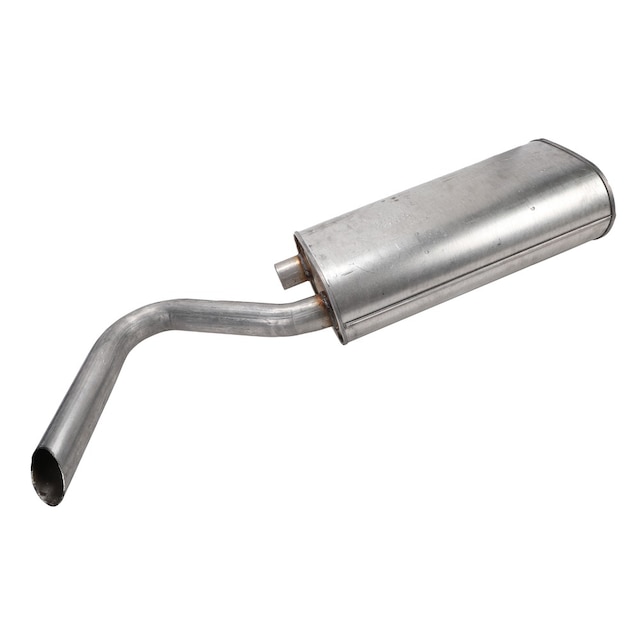
Credit: parts.cadillac.com
Installation And Upgrades
A resonator in an exhaust system helps reduce noise and improve sound quality. Installing or upgrading one can enhance your vehicle’s performance and noise control.
Choosing the right resonator and installing it properly ensures you get the best results. This guide will help you pick the right type and install it safely.
Choosing The Right Resonator
Select a resonator based on your vehicle’s make and your sound preferences. Different types affect noise levels and exhaust flow in unique ways.
- Consider the size to fit your exhaust pipe diameter.
- Choose between straight-through or chambered designs.
- Check the material for durability, like stainless steel or aluminized steel.
- Think about the sound level you want—quieter or more aggressive.
- Look for compatibility with your existing exhaust system.
Diy Installation Guide
Installing a resonator yourself can save money and be straightforward if you follow the right steps and have basic tools.
| Tool | Purpose |
| Socket wrench | Remove and tighten bolts |
| Exhaust pipe cutter | Cut old resonator or pipes |
| WD-40 or lubricant | Loosen rusted parts |
| Gloves | Protect hands during work |
| Jack and stands | Lift vehicle safely |
- Lift the vehicle with a jack and secure it on stands.
- Locate the old resonator on the exhaust pipe.
- Apply lubricant to bolts and let it sit for a few minutes.
- Use a socket wrench to remove the bolts or clamps.
- Cut the old resonator if it is welded in place using a pipe cutter.
- Fit the new resonator onto the exhaust pipe.
- Tighten the bolts or clamps to secure the new resonator.
- Lower the vehicle and start the engine to check for leaks or noises.
Resonator Effects On Sound
A resonator is a part of the exhaust system that changes the sound of your car. It helps make the noise smoother and less harsh.
By adjusting sound waves, the resonator controls how loud or quiet your exhaust sounds.
Tuning Exhaust Tone
The resonator tunes the exhaust tone by cancelling certain sound frequencies. This makes the engine noise more pleasant.
You can change the tone by using different resonator sizes and shapes. This affects how the sound waves move through the exhaust.
- Smaller resonators give a sharper tone
- Larger resonators create a deeper sound
- Different shapes can reduce drone inside the car
Custom Sound Profiles
Resonators help create custom sound profiles for your vehicle. This means you can have a unique exhaust sound.
By combining resonators with other exhaust parts, you can control volume and tone to match your style.
- Mix resonators with mufflers for quiet or loud sounds
- Adjust resonator placement to change sound quality
- Use multiple resonators for complex sound effects

Credit: globalmuffler.ca
Credit: www.b2fabrication.com
Frequently Asked Questions
What Does A Resonator Do In An Exhaust System?
A resonator reduces exhaust noise by canceling specific sound frequencies. It improves sound quality and smooths engine noise. It works alongside the muffler for better exhaust flow and quieter operation.
How Is A Resonator Different From A Muffler?
A resonator fine-tunes exhaust sound frequency, while a muffler reduces overall noise. The resonator enhances engine tone, and the muffler blocks noise. Both work together for optimal exhaust performance and sound control.
Can A Resonator Improve Vehicle Performance?
Yes, a resonator can enhance performance by improving exhaust flow. It reduces backpressure, allowing the engine to breathe better. This can lead to slight gains in horsepower and fuel efficiency.
Is It Necessary To Replace A Resonator?
Replacing a resonator depends on damage or noise issues. A faulty resonator can cause loud or unpleasant exhaust sounds. If damaged, replacement restores proper noise control and exhaust function.
Conclusion
A resonator in an exhaust system helps reduce noise and improve sound quality. It works by canceling certain sound waves inside the exhaust. This makes your car quieter and more pleasant to hear. Resonators also help the engine run smoother by managing airflow.
They are small but important parts of many vehicles. Understanding how they work can help you care for your car better. Every driver benefits from knowing about this simple device. Quiet rides and better engine performance start with a good resonator.