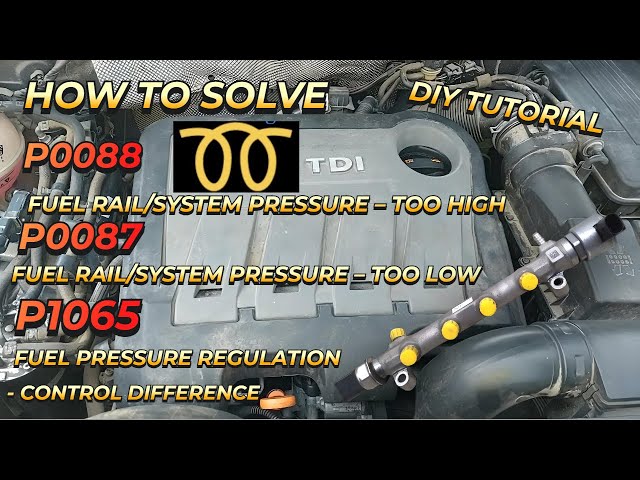
Is your car acting up with rough idling or poor acceleration? You might be dealing with a fuel rail system pressure that’s too low.
When this happens, your engine doesn’t get the right amount of fuel, causing performance issues and even stalling. But don’t worry—you can fix this. Understanding what causes low fuel rail pressure and how to address it can save you time, money, and frustration.
Keep reading to discover clear, simple steps that will help you get your vehicle running smoothly again.
Credit: www.a5oc.com
Symptoms Of Low Fuel Rail Pressure
Low fuel rail pressure can cause many problems in your vehicle. It affects how the engine runs and can lead to other issues. Knowing the symptoms helps you spot the problem early.
This guide explains the common signs of low fuel rail pressure. It covers engine problems, warning lights, and fuel efficiency changes.
Engine Performance Issues
When fuel rail pressure is low, the engine may not get enough fuel. This causes rough idling and poor acceleration. The engine might also stall or hesitate during driving.
- Engine misfires or runs unevenly
- Hard starting or failure to start
- Loss of engine power
- Engine stalls unexpectedly
- Unusual engine noise or knocking
Warning Lights And Codes
The car’s computer detects low fuel pressure and triggers warning lights. The check engine light usually turns on. You may also find trouble codes related to fuel system faults.
| Warning Light | Description |
| Check Engine Light | Indicates a fault in the fuel system |
| Service Engine Soon | Alerts to engine performance issues |
| Fuel System Warning | Shows low fuel pressure or fuel pump problems |
Fuel Efficiency Drops
Low fuel rail pressure can reduce how far your car travels on a full tank. The engine burns more fuel to try to run normally. This leads to poor gas mileage and more visits to the pump.
Signs of low fuel efficiency include:
- More frequent refueling
- Decreased miles per gallon (MPG)
- Fuel smell near the engine or exhaust
- Black smoke from the exhaust pipe
Common Causes Of Low Fuel Rail Pressure
Low fuel rail pressure affects your vehicle’s performance. It’s important to find the cause and fix it.
Several factors can lead to low pressure in the fuel rail system. Knowing these can help you troubleshoot effectively.
Faulty Fuel Pump
A faulty fuel pump may not deliver enough fuel. This causes low pressure in the rail system.
- Check for unusual noises from the pump.
- Inspect for electrical issues in the pump circuit.
- Ensure proper power supply to the pump.
Clogged Fuel Filter
A clogged fuel filter restricts fuel flow. This leads to insufficient pressure in the system.
Leaking Fuel Injectors
Leaking injectors cause fuel to escape, lowering pressure. This affects engine performance.
| Sign | Indicator |
| Poor fuel efficiency | Increased fuel consumption |
| Engine misfire | Rough idling |
| Fuel smell | Strong odor near the engine |
Pressure Regulator Malfunction
A malfunctioning pressure regulator fails to maintain proper fuel pressure. It causes fluctuations in fuel delivery.
Electrical Problems
Electrical issues can disrupt fuel pump operation. This results in low fuel rail pressure.
Tools Needed For Diagnosis And Repair
Fixing low fuel rail system pressure requires the right tools. These tools help find the problem and fix it safely.
Using proper equipment makes the process faster and more accurate. Below are the main tools you need.
Fuel Pressure Gauge
A fuel pressure gauge measures the pressure inside the fuel rail. It shows if the pressure is too low or normal.
- Connects to the fuel rail or test port
- Displays pressure in PSI or bar
- Helps detect leaks or pump failure
- Must be compatible with your vehicle model
Obd-ii Scanner
An OBD-II scanner reads error codes from the car’s computer. It shows codes related to fuel pressure issues.
| Feature | Purpose |
| Read Codes | Identify fuel system faults |
| Clear Codes | Reset warning lights after repair |
| Live Data | View real-time fuel pressure and sensor data |
| Compatibility | Works with most cars made after 1996 |
Basic Hand Tools
Basic hand tools help remove and install parts during repair. They are essential for safe work on the fuel system.
- Wrenches and sockets for bolts and fittings
- Screwdrivers for clamps and covers
- Pliers for hose clamps and connectors
- Rags and gloves for safety and cleanup

Credit: www.youtube.com
Step-by-step Quick Fixes
Low fuel rail system pressure can cause engine problems and poor performance. Fixing this issue quickly helps your car run smoothly again.
This guide covers simple steps to check and repair the fuel system pressure. Follow each section carefully to find the cause and solution.
Checking Fuel Pump Operation
The fuel pump pushes fuel to the engine. If it fails, pressure drops. First, listen for the pump sound when turning the key on.
- Turn the ignition on without starting the engine.
- Listen for a humming sound near the fuel tank.
- If no sound, check the fuel pump fuse and relay.
- Test the fuel pump with a multimeter for power.
- Replace the pump if it does not work properly.
Replacing The Fuel Filter
A clogged fuel filter can lower fuel pressure. Replacing it is easy and can restore proper flow.
- Locate the fuel filter along the fuel line.
- Relieve fuel system pressure before removal.
- Remove the old filter carefully to avoid spills.
- Install a new filter matching your vehicle’s specs.
- Check for leaks after installation.
Inspecting And Replacing Fuel Injectors
Fuel injectors spray fuel into the engine. Dirty or broken injectors cause low pressure and poor spray.
| Step | Action |
| 1 | Remove the fuel rail to access injectors. |
| 2 | Check injectors for dirt or damage. |
| 3 | Clean injectors with proper cleaner. |
| 4 | Replace any faulty injectors. |
| 5 | Reinstall the fuel rail and test pressure. |
Testing And Fixing Pressure Regulator
The pressure regulator controls fuel pressure. A bad regulator causes low or uneven pressure.
- Locate the pressure regulator on the fuel rail.
- Check for fuel leaks around the regulator.
- Test vacuum hose connected to the regulator for cracks.
- Use a gauge to measure fuel pressure with engine running.
- Replace the regulator if pressure is unstable or low.
Addressing Electrical Issues
Electrical faults can stop the fuel pump or sensors from working, causing low pressure.
| Component | Check | Fix |
|---|---|---|
| Fuel Pump Fuse | Inspect for blown fuse | Replace fuse |
| Fuel Pump Relay | Listen for clicking sound | Swap with similar relay |
| Wiring | Look for damaged wires | Repair or replace wiring |
| Fuel Pressure Sensor | Test sensor voltage | Replace sensor if faulty |
Preventive Measures For Fuel Rail Pressure Issues
Fuel rail pressure problems can cause engine trouble and poor performance. Keeping the fuel system healthy helps avoid low pressure issues.
Taking simple steps regularly can protect the fuel rail system. This guide explains key ways to prevent fuel rail pressure problems.
Regular Maintenance Schedule
Check the fuel system parts often to keep them working well. Replace old or worn parts on time to avoid pressure drops.
Follow your vehicle’s maintenance guide for fuel filter and pump checks. Clean fuel injectors help keep pressure stable.
- Inspect fuel filters every 15,000 miles
- Test fuel pump pressure yearly
- Clean or replace fuel injectors as needed
- Check for fuel leaks under the hood
Using Quality Fuel
Good fuel helps the engine and fuel system work smoothly. Low-quality fuel can clog parts and lower fuel pressure.
Always fill up with clean, high-grade fuel. Avoid fuel from unknown or unreliable sources to protect the fuel rail and injectors.
- Choose fuel with recommended octane levels
- Avoid fuel with dirt or water contamination
- Use fuel additives only if suggested by the vehicle maker
- Fill tanks before they get very low to reduce debris intake
Monitoring Warning Signs Early
Watch for signs of low fuel rail pressure. Acting early can prevent bigger engine problems and costly repairs.
Common signs include rough idling, engine stalling, or poor acceleration. Check the fuel pressure if you notice these symptoms.
- Engine runs unevenly or stalls
- Car hesitates when you press the gas pedal
- Check engine light turns on
- Fuel pump noise sounds louder than usual

Credit: www.icarsoft-us.com
When To Seek Professional Help
Fixing fuel rail system pressure too low can be tricky. Some problems need expert knowledge. Knowing when to call a professional saves time and avoids damage.
This guide explains key reasons to seek help. It covers complex diagnoses, needed tools, and safety tips.
Complex Diagnoses
Low fuel rail pressure can come from many causes. Professionals use experience to find the root issue fast. Diagnosing may require checking sensors, pumps, and fuel lines.
- Fuel pressure regulator failure
- Clogged fuel filter
- Faulty fuel pump
- Leaking fuel injectors
- Electrical system problems
Specialized Equipment Needs
Fixing fuel pressure often needs special tools. These tools measure pressure and test fuel system parts. Without them, repairs may be incorrect or incomplete.
| Tool | Purpose |
| Fuel Pressure Gauge | Measures fuel rail pressure accurately |
| Scan Tool | Reads sensor data and error codes |
| Multimeter | Tests electrical connections |
| Fuel Injector Tester | Checks injector operation |
Safety Considerations
Fuel systems are dangerous to work on. Fuel is flammable and under high pressure. Professionals know safety rules to avoid fire or injury.
Important safety tips:
- Work in a well-ventilated area
- Wear protective gloves and eye gear
- Keep sparks and flames away
- Release fuel pressure carefully before repairs
- Dispose of fuel safely
Frequently Asked Questions
What Causes Fuel Rail System Pressure Too Low?
Low fuel pressure can be caused by a faulty fuel pump, clogged fuel filter, or leaking fuel injectors. It may also result from a defective fuel pressure regulator or wiring issues in the fuel system.
How To Test Fuel Rail Pressure Accurately?
Use a fuel pressure gauge connected to the fuel rail. Turn on the ignition and observe the pressure reading. Compare it with the manufacturer’s specifications to determine if pressure is too low.
Can A Bad Fuel Pump Cause Low Rail Pressure?
Yes, a failing fuel pump often causes low fuel rail pressure. It can’t deliver enough fuel to maintain proper pressure, leading to engine performance issues.
How To Fix Low Fuel Rail Pressure Issue?
Inspect and replace clogged filters, faulty fuel pumps, or defective pressure regulators. Check for leaks or wiring problems. Regular maintenance helps prevent low fuel pressure problems.
Conclusion
Fixing low fuel rail pressure helps your engine run smooth. Start by checking the fuel pump and filter for problems. Inspect the fuel pressure regulator and injectors next. Clean or replace parts that cause low pressure. Test the system after repairs to ensure proper pressure.
Taking these steps keeps your car reliable and saves money. Stay patient and follow each step carefully. You can solve this issue with some basic tools and knowledge.