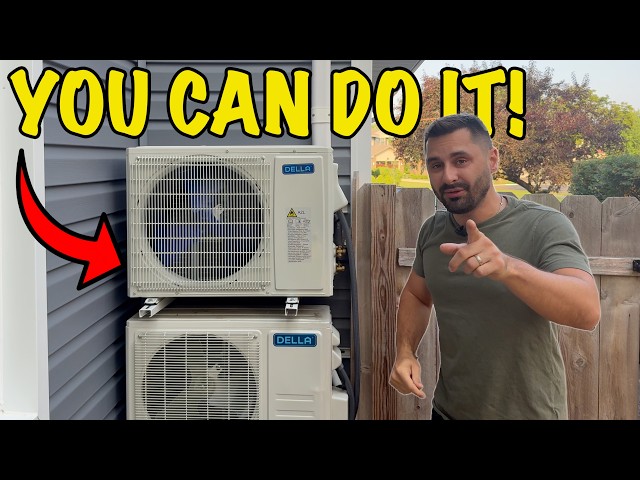
Are you tired of high energy bills and struggling with bulky window units? A ductless air conditioner might be the perfect solution for your home.
Imagine staying cool and comfortable without the hassle of complicated installations or costly professionals. In this guide, you’ll discover how to install your own ductless air conditioner step-by-step. You’ll save money, gain control over your comfort, and enjoy a cooler space in no time.
Keep reading to find out how simple and rewarding a DIY ductless air conditioner can be for you.
Benefits Of Ductless Air Conditioners
Ductless air conditioners offer a simple way to cool your home. They do not need large ducts for air flow.
This type of system works well in many spaces. It can save energy and money over time.
Energy Efficiency
Ductless air conditioners use less energy than many traditional systems. They cool only the rooms you use.
This targeted cooling helps reduce power waste. You can save on electricity bills with these units.
- Uses inverter technology for steady cooling
- No energy loss through ducts
- Allows temperature control in each room
Flexible Installation
Ductless systems are easy to install in many places. They do not need large holes or ductwork.
These units fit well in older homes and new buildings. You can add them to one room or several rooms.
- Indoor units mount on walls or ceilings
- Outdoor unit sits outside your home
- Works well in rooms without ducts
Cost Savings
Ductless air conditioners cost less to run than some other systems. They reduce your monthly energy bills.
Installation can be cheaper too. You avoid the cost of building or fixing ductwork in your home.
- Lower energy use cuts utility bills
- No duct installation costs
- Longer lifespan lowers replacement costs

Credit: apexelectricmechanical.ca
Choosing The Right Unit
Picking the right ductless air conditioner is important for your comfort. It helps keep your home cool and energy efficient.
Learn how to choose the best unit by considering space size, system type, and features.
Sizing Your Space
Before buying a unit, measure the room where you plan to install it. The right size ensures efficient cooling.
- Small Rooms: Less than 300 square feet
- Medium Rooms: 300 to 500 square feet
- Large Rooms: More than 500 square feet
Types Of Ductless Systems
Different types of ductless systems serve various needs. Choose based on your home’s layout and cooling needs.
| Type | Feature |
| Single-Zone | One indoor unit |
| Multi-Zone | Multiple indoor units |
| Portable | Movable unit |
Features To Consider
Features can enhance the efficiency and convenience of your air conditioner. Consider what is most important for your use.
- Remote Control: Easy operation from a distance
- Energy Star Rating: Ensures energy efficiency
- Programmable Timer: Set cooling schedules
- Quiet Operation: Less noise for a peaceful home
Tools And Materials Needed
Installing a ductless air conditioner yourself can save money. You need the right tools and materials to do the job well.
This guide lists the essential tools, installation materials, and safety gear you will need.
Essential Tools
Having the correct tools makes installation easier and safer. Most of these tools are common in home toolkits.
- Cordless drill with drill bits
- Level for proper alignment
- Screwdrivers (Phillips and flathead)
- Socket wrench set
- Measuring tape
- Stud finder to locate wall supports
- Pipe cutter for refrigerant lines
- Vacuum pump for line evacuation
- Manifold gauge set to check pressure
Installation Materials
You will need specific materials to secure the air conditioner and connect it properly. These items help the unit work efficiently.
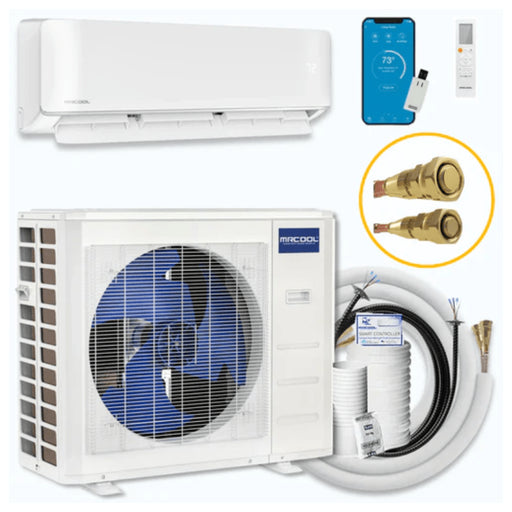
- Ductless mini-split air conditioner kit
- Wall mounting bracket
- Refrigerant piping and insulation
- Electrical wiring and conduit
- Drain tubing for condensate
- Sealant or caulk to close gaps
- Zip ties or clamps for cable management
Safety Gear
Safety gear protects you from injury during installation. Always use safety items to stay safe and avoid accidents.
- Safety goggles to protect eyes
- Work gloves to protect hands
- Dust mask to avoid breathing dust
- Ear protection if using loud tools
- Non-slip shoes for stable footing
- Long sleeves and pants to protect skin
Preparing For Installation
Installing a ductless air conditioner needs some preparation. Planning well makes the process easier and faster.
This guide will help you get ready by focusing on key steps before installation.
Selecting The Location
Choose a spot that lets the unit work well and stay safe. Pick a location with good airflow and no direct sunlight.
- Place the indoor unit high on a wall for better cooling.
- Avoid spots near heat sources or windows.
- Keep the outdoor unit on a flat, stable surface.
- Make sure the location allows easy access for maintenance.
Measuring And Marking
Measure carefully to fit the unit and its parts. Mark the spots to drill holes and mount the brackets.
| Item | Recommended Distance |
|---|---|
| Indoor unit height from floor | 7 feet (2.1 meters) |
| Distance from ceiling | 6 inches (15 cm) |
| Outdoor unit clearance | 12 inches (30 cm) from walls |
| Distance between indoor and outdoor units | Less than 50 feet (15 meters) |
Checking Electrical Requirements
Ensure your home’s power supply matches the air conditioner’s needs. Use correct wiring and circuit breakers.
Follow this checklist before starting installation:
- Confirm voltage matches unit specifications
- Check if dedicated circuit is available
- Verify circuit breaker capacity
- Inspect wiring for damage or wear
- Plan for proper grounding
Step-by-step Installation Guide
Installing a ductless air conditioner yourself can save money and give you control over the setup. This guide shows each step clearly.
Follow these instructions carefully to ensure your system works well and lasts a long time.
Mounting The Indoor Unit
Choose a sturdy wall inside your room to mount the indoor unit. It should be high and away from direct sunlight or heat sources.
- Use a level to mark the mounting plate on the wall.
- Drill holes and insert wall anchors for support.
- Attach the mounting plate firmly using screws.
- Make sure the plate is secure and level before hanging the unit.
Installing The Outdoor Unit
Place the outdoor unit on a flat surface outside. The location should allow good airflow and be away from dust or debris.
- Use a concrete pad or metal brackets to support the unit.
- Keep at least 12 inches of clearance around the unit for airflow.
- Secure the unit with bolts or screws to prevent movement.
- Check that the unit is level to avoid damage.
Connecting Refrigerant Lines
Connect the copper refrigerant lines between the indoor and outdoor units. Be careful to avoid kinks or bends.
| Step | Action |
| 1 | Measure and cut copper tubing to the correct length. |
| 2 | Flare the ends of the tubing to fit the connectors. |
| 3 | Attach the tubing to the indoor and outdoor units securely. |
| 4 | Use a wrench to tighten connections without over-tightening. |
| 5 | Insulate the refrigerant lines to prevent energy loss. |
Wiring And Electrical Connections
Connect the power wires and control cables between the two units. Follow safety rules to avoid hazards.
- Turn off the main power before starting work.
- Run the electrical cables through the wall hole carefully.
- Connect wires according to the wiring diagram in the manual.
- Use wire nuts and electrical tape to secure connections.
- Check all connections twice before restoring power.
Testing The System
After installation, test the system to ensure it runs smoothly and cools as expected.
- Turn on the power and set the air conditioner to cooling mode.
- Listen for unusual noises from both units.
- Check for any refrigerant leaks around the connections.
- Verify air flow from the indoor unit is strong and cold.
- Adjust settings if needed for best comfort.
Common Installation Mistakes
Installing a ductless air conditioner yourself can save money. But mistakes can cause trouble and reduce efficiency.
Knowing common mistakes helps you avoid problems and get the best cooling.
Improper Unit Placement
Placing the indoor or outdoor unit in the wrong spot hurts performance. The unit may not cool well or may overwork.
Indoor units should be high on a wall with no obstacles. Outdoor units need good airflow and should not be in direct sunlight.
- Avoid placing indoor units near heat sources or direct sunlight
- Keep outdoor units away from dust, dirt, and rain
- Do not block airflow with furniture or walls
- Choose a location easy to reach for maintenance
Incorrect Line Connections
Connecting refrigerant lines incorrectly can cause leaks or poor cooling. Lines must be tight and properly insulated.
Wrong connections can also damage the compressor or cause system errors. Check each connection carefully before finishing.
- Use the correct size and type of tubing
- Tighten connections with a torque wrench
- Insulate lines to prevent condensation
- Check for leaks using soapy water or a leak detector
Neglecting Electrical Safety
Electric wiring mistakes are dangerous and can cause fires or shocks. Follow all electrical codes and instructions.
Use the right wires, circuit breakers, and grounding. Turn off power before working on electrical parts.
- Match wire size to the unit’s electrical load
- Install a dedicated circuit breaker for the air conditioner
- Properly ground the unit to prevent shocks
- Test all electrical connections before powering on
Maintenance Tips For Longevity
Taking care of your ductless air conditioner helps it last longer. Regular maintenance keeps it working well.
Simple checks and cleaning can prevent problems and save money on repairs.
Cleaning Filters
Dirty filters reduce airflow and make the unit work harder. Clean filters every month during use.
Remove the filters gently and wash them with warm water. Let them dry completely before putting them back.
- Turn off the unit before removing filters
- Use a soft brush to remove dust if needed
- Do not use harsh chemicals
- Dry filters in a shaded area
Checking For Leaks
Leaks in the refrigerant lines lower cooling efficiency. Check pipes and connections for signs of leaks regularly.
Look for oily spots or listen for hissing sounds. If you find leaks, call a professional to fix them quickly.
- Inspect outdoor unit pipes monthly
- Check indoor unit connections
- Watch for ice buildup on pipes
- Schedule professional repairs if leaks appear
Seasonal Inspections
Inspect your air conditioner before summer and winter seasons. This helps catch issues early and keeps it running well.
Look for dirt, loose parts, or unusual noises. Clean the outdoor unit area from leaves and debris.
- Check electrical connections
- Clean the outdoor unit’s fan and coils
- Clear debris around the outdoor unit
- Test the remote and controls
Credit: shopsolarkits.com

Credit: hsheatpumps.ca
Frequently Asked Questions
What Is A Ductless Air Conditioner?
A ductless air conditioner cools rooms without traditional ducts. It uses an outdoor compressor and an indoor air-handling unit. This system is easy to install and ideal for homes without existing ductwork. It saves energy by cooling only the occupied spaces.
How Do I Install A Ductless Air Conditioner Myself?
To install, mount the indoor unit on a wall and the outdoor unit outside. Connect refrigerant lines, power cables, and a drain pipe. Use a hole in the wall for the connections. Follow manufacturer instructions carefully and ensure proper electrical safety.
Are Ductless Air Conditioners Energy Efficient?
Yes, ductless air conditioners are energy efficient. They avoid energy loss from ductwork. They allow zone cooling, so you only cool occupied rooms. This reduces electricity bills and environmental impact. Many models also have energy-saving features like programmable thermostats.
Can I Install A Ductless Ac Without Professional Help?
Yes, with basic DIY skills and tools, you can install a ductless AC. However, handling refrigerants requires certification. For safety and warranty reasons, consider hiring a licensed technician for refrigerant connections and electrical work.
Conclusion
Installing a ductless air conditioner yourself saves money and time. You get to control the process from start to finish. Follow the steps carefully to avoid common mistakes. Regular maintenance keeps your system running smoothly. Enjoy cool air without the hassle of complex ductwork.
Small efforts now lead to big comfort later. This project suits those who like practical tasks. Feel proud of your work and the savings it brings. A simple guide makes the job easier and less stressful. Ready to try your own ductless air conditioner installation?